
Game Based and Adaptive Learning Strategies
Computer ScienceTextbook
Computer Systems Security: Planning for Success
Not rated yetRate this bookRyan Tolboom’s computer-security text introduces the protection of information through a risk-management perspective. The reviewed opening connects security goals with confidentiality, integrity, availability, and organizational responsibilities.
Free reading is available at the official source. Opens in a new tab.
Computer Systems Security: Planning for Success
About this book
About this book
The instructional notes describe an applied introduction supported by text, laboratories, and review questions. They identify alignment with the historical CompTIA Security+ SY0-601 objectives; this should not be read as a claim of alignment with a current examination. Subjects include threats, cryptography, protocols, protection, recovery, and continuity. This page reviews the instructional framing and opening security principles. It does not test laboratory exercises or provide a security assessment of a real system.
Sources and reading coverage
Legal and instructional notes and selected introduction passages on PDF sheets 4 and 7–8 were reviewed. Laboratories, later technical procedures, and current certification alignment were not validated.
Consult the official source for the available edition and publication details.
The consulted PDF contains 118 sheets, including preliminary material. PDF sheet numbers can differ from printed pagination.
Book summary
Guide to the reviewed opening
The opening places information security within the management of valuable organizational assets. Preventing unauthorized access is part of a broader question about the risks associated with loss, misuse, or disruption. This connects technical choices with organizational priorities.
The confidentiality–integrity–availability framework separates different goals. Keeping information secret is not the same as ensuring that it is reliable or available when needed. A system can meet one aim poorly even when another receives considerable attention.
The text’s learning map extends toward mechanisms and recovery, but those later sections need direct study. The introductory principles provide questions with which to evaluate a scenario, not proof that a particular control or configuration is sufficient.
How to study this book
Describe a permitted classroom scenario in terms of the information to protect, the authorized users, and the consequences of loss or disruption. Classify each concern under confidentiality, integrity, or availability, noting where goals overlap.
For a proposed control, state the risk it addresses and the limits of the protection. Keep study and testing within authorized environments. Check current official objectives separately if using the book alongside certification preparation.
Questions for reflection
- Which asset is being protected?
- Which security goal is affected by the scenario?
- What risk remains after the proposed control?
The study suggestions and questions are independent Academic Master editorial material.
About access & copyright
This page provides book information and study material. Full-text access is provided by the original publisher or authorised source; a listing does not grant permission to republish the book.
Read our Library Access & Copyright policyRisk
Connect security with consequences.
Goals
Distinguish confidentiality, integrity, and availability.
Controls
Explain purpose and limitations.
Context
Keep exam and technology versions visible.
Reader ratings & reviews
Share your thoughts
Your review helps other students choose the right resources.
KEEP LEARNING
Your next great read
Computer Science
 Computer Science
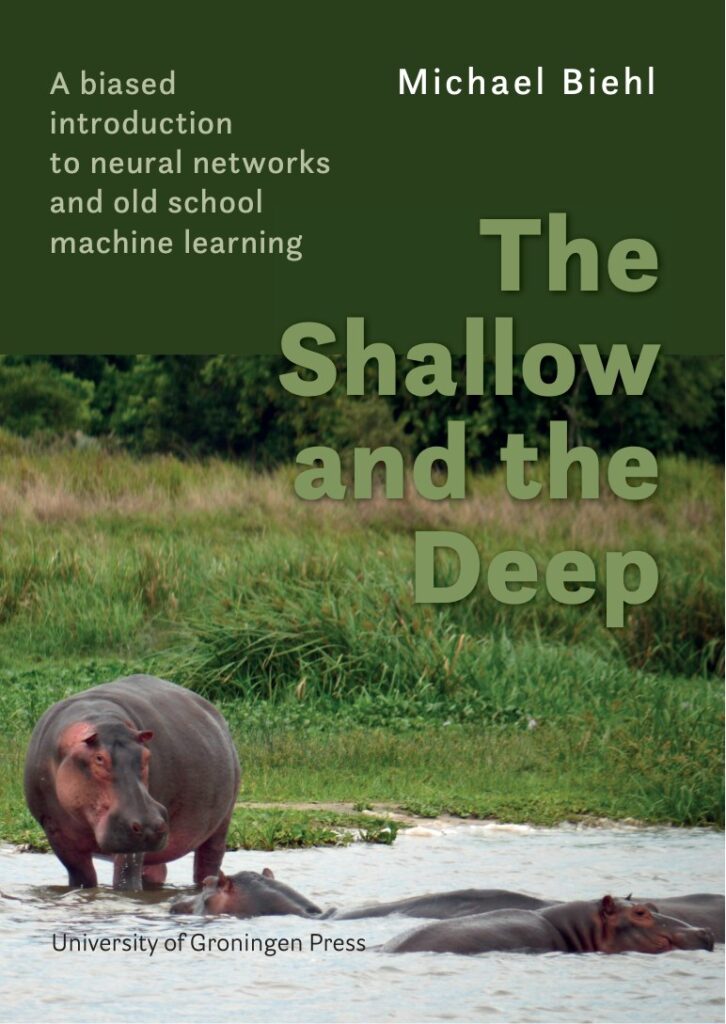
The Shallow and the Deep: A biased introduction to neural networks and old school machine learning
View The Shallow and the Deep: A biased introduction to neural networks and old school machine learning — book Curriculum & Instruction
Technology in Schools
View Technology in Schools — book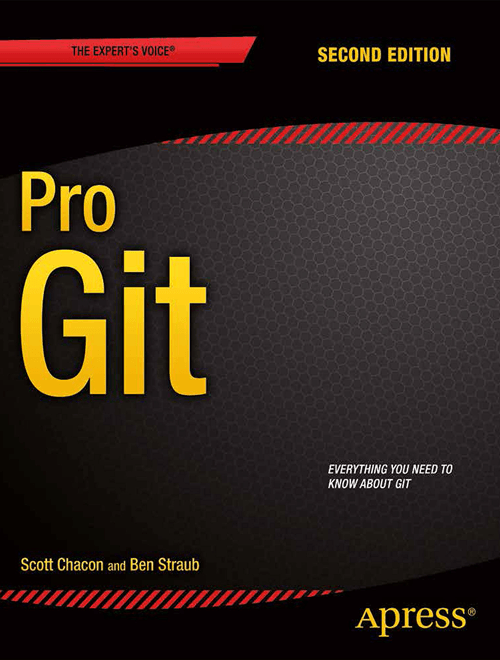 Computer Science
Pro Git: Everything You Need to Know About Git (English)
View Pro Git: Everything You Need to Know About Git (English) — book Computer Science
Building User Interfaces for Modern Web Applications: React Programming
View Building User Interfaces for Modern Web Applications: React Programming — book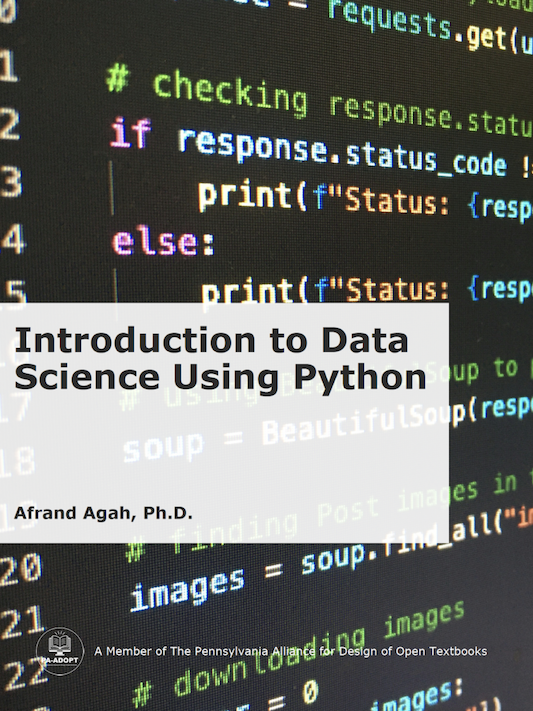 Computer Science
Introduction to Data Science Using Python
View Introduction to Data Science Using Python — book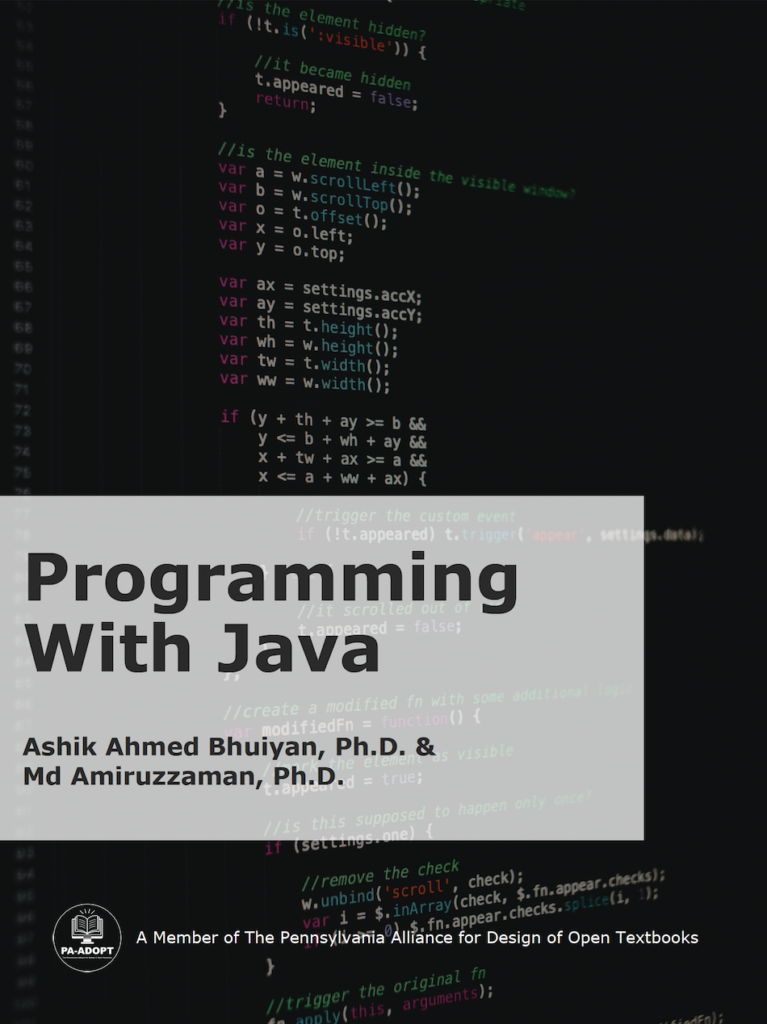 Computer Science
Programming with Java
View Programming with Java — book Computer Science
Operating Systems and Infrastructure in Data Science
View Operating Systems and Infrastructure in Data Science — book Computer Science
Introduction to Computer Programming with Python
View Introduction to Computer Programming with Python — book Computer Science



