
Introduction to Drafting and AutoCAD 2D
Computer ScienceTextbook
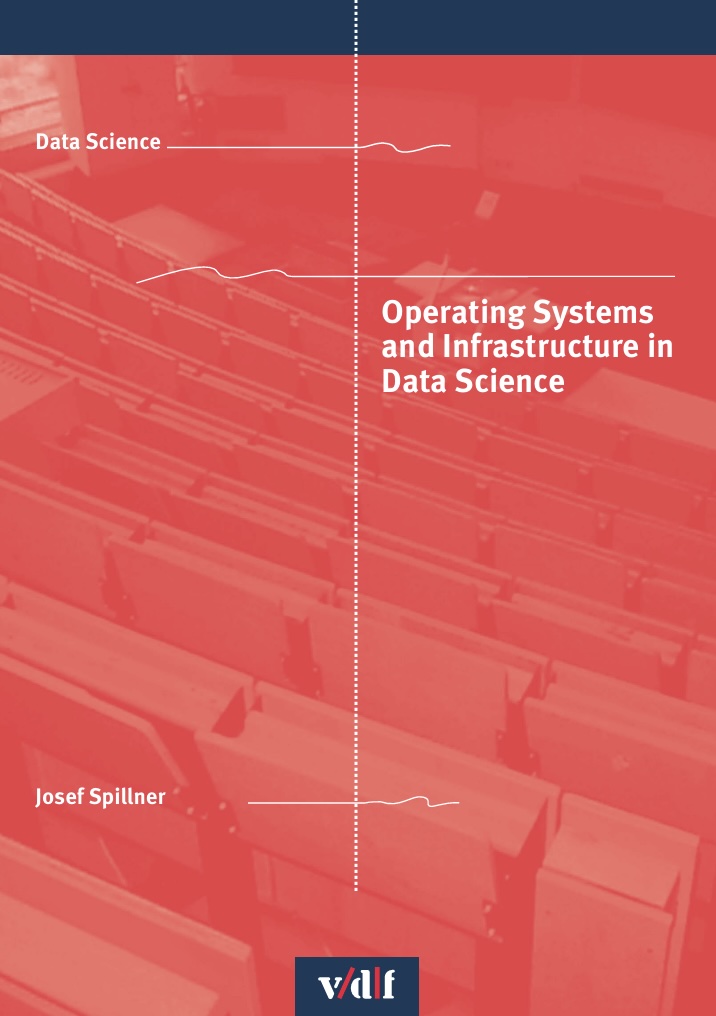
Operating Systems and Infrastructure in Data Science
Not rated yetRate this bookA systems-oriented introduction to the tools, environments, and infrastructure that support data science beyond a single program.
Free reading is available at the official source. Opens in a new tab.
 Free
About this book
About this book
A systems-oriented introduction to the tools, environments, and infrastructure that support data science beyond a single program.
This page introduces the source edition and offers a focused reading route. Use the linked original resource for the complete text, references, activities, and the author’s full explanation. The overview below is limited to the sections identified in the coverage note.
Contents and further reading
Consult the official book or repository page for the resource’s contents and publication information. Open the source PDF to read the complete available edition.
Sources and coverage
This original overview is based on the opening introduction and prerequisites (PDF sheets 10–11), with publication information checked. It is not a whole-book review. The verified source PDF contains 172 PDF sheets, including preliminary or repository pages; this may differ from its printed pagination. The source retains its own authorship, rights notices, and any separately credited third-party material.
Book summary
Study overview
The reviewed introduction argues that productivity in data science depends on understanding the environment in which code runs. The ability to write a few functions is only part of the task; larger workflows combine tools, platforms, data, and computing resources. The author presents this transition as a move toward coordinating work across process and machine boundaries. A central educational aim is to help readers understand and control their computing environment rather than use services without knowing what they do. The opening expects basic imperative programming knowledge and generally assumes familiarity with Python. It connects learning with the ability to break larger problems into smaller components and compose tools into a working process. This is an overview of that opening rationale, not a review of all technical chapters.
How to study this book
Sketch one data-processing task as inputs, transformations, outputs, and resource needs. Identify which parts are handled by a language, an operating system, a command-line tool, or an external service. Keep a reproducible record of the commands and environment used in course exercises. When combining tools, inspect the output of each stage before connecting it to the next. Explain what would happen if a file, service, or permission were unavailable. Use small, disposable practice datasets while learning and follow the current official documentation for version-specific installation steps.
These study suggestions and the questions below are independent Academic Master editorial guidance.
Questions for reflection
- Which part of your workflow depends on the surrounding operating environment?
- How could a large task be divided into testable stages?
- What information would let another student reproduce your workflow?
About access & copyright
This page provides book information and study material. Full-text access is provided by the original publisher or authorised source; a listing does not grant permission to republish the book.
Read our Library Access & Copyright policyInfrastructure
Data work extends beyond application code.
Prerequisites
Basic programming knowledge supports the proposed learning route.
Composition
Combine understandable tools into larger workflows.
Control
Investigate how services and resources process your data.
Reader ratings & reviews
Share your thoughts
Your review helps other students choose the right resources.
KEEP LEARNING
Your next great read
Civil Engineering
Introduction to Drafting and AutoCAD 3D
Introduction to Drafting and AutoCAD 3D
View Introduction to Drafting and AutoCAD 3D — bookProgramming for Computations – Python: A Gentle Introduction to Numerical Simulations with Python 3.6
Programming for Computations - Python: A Gentle Introduction to Numerical Simulations with Python 3.6
View Programming for Computations - Python: A Gentle Introduction to Numerical Simulations with Python 3.6 — bookCISC 187: Data Structures in C++
CISC 187: Data Structures in C++
View CISC 187: Data Structures in C++ — bookAccounting Analytics: An Integrated Approach
Accounting Analytics: An Integrated Approach
View Accounting Analytics: An Integrated Approach — bookGame Based and Adaptive Learning Strategies
Game Based and Adaptive Learning Strategies
View Game Based and Adaptive Learning Strategies — book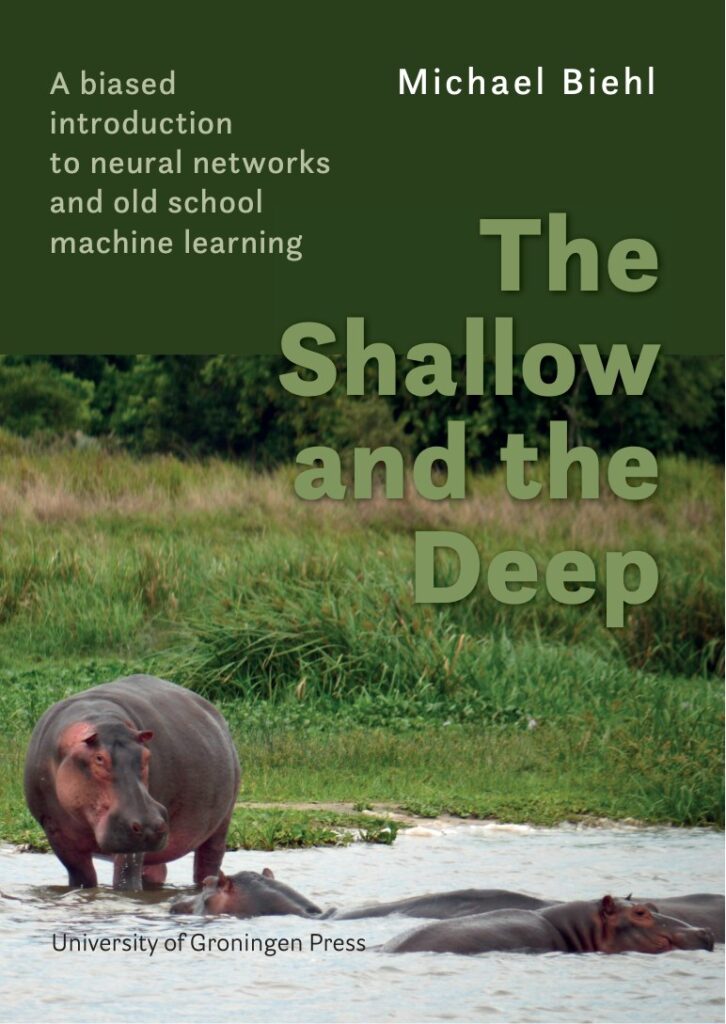 Computer Science
The Shallow and the Deep: A biased introduction to neural networks and old school machine learning
View The Shallow and the Deep: A biased introduction to neural networks and old school machine learning — bookComputer Systems Security: Planning for Success
Computer Systems Security: Planning for Success
View Computer Systems Security: Planning for Success — book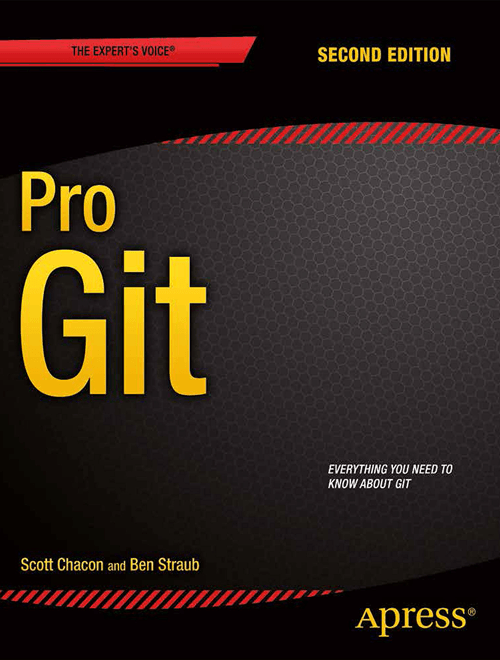 Computer Science
Pro Git: Everything You Need to Know About Git (English)
View Pro Git: Everything You Need to Know About Git (English) — book Computer Science



