
 Ethics
Academic Book
The Secret Sharer
Not rated yetRate this bookJoseph Conrad presents a new captain’s experience through the captain’s own account of isolation, responsibility, and a secret companion. This Gutenberg text has two numbered sections. The guide compares the opening and final passages, focusing on narrative perspective, self-understanding, the ship’s crew, and the uncertainty of acting under pressure.
Read on the publisher’s website. Opens in a new tab.
 Free
About this book
The Secret Sharer makes the captain’s position as narrator central to the reader’s task. Description of the sea and ship leads into his account of being newly appointed among people who already know one another. At the conclusion, commands, fear, and a difficult manoeuvre are presented through the same voice. His growing sense of connection with the ship must therefore be distinguished from the perspectives of the people subject to his decisions.
The resource linked here is Project Gutenberg eBook 220, released electronically on 9 January 2006. It contains two sections, headed I and II, rather than a sequence of titled chapters. The recorded publication year and HTML ISBN identify this electronic text. The page uses the Gutenberg edition’s cover and retains full reading access at the original source.
MIT’s undergraduate Literature and Ethical Values course includes the work. This verifies academic use but does not specify adoption of this particular Gutenberg file. The guide reviews the opening passage of Section I and the concluding passage of Section II. It contains ending spoilers and leaves the intervening events to the source text.
Book contents
View the verified contents
- I
- II
Read the full text at Project Gutenberg
Cover design: original Academic Master library cover. The hosted PDF remains the edition described above.
Book summary
Study overview of reviewed passages
The reviewed opening describes stillness as something the captain observes and experiences. The shore, islands, sky, and anchored ship form a scene that appears almost empty of movement. His description gives the ship the status of a companion, yet that private moment changes when he notices another vessel and returns to the company of his officers. The setting establishes solitude without making it a permanent condition.
He explains that his appointment is recent and that the crew have been together much longer. He is a stranger among them, but also questions how well he knows himself in a position of responsibility. A supper conversation makes differences of knowledge visible: the chief mate develops an explanation for the other ship, while the second mate supplies information already obtained from the tugboat skipper. The narrator’s position does not make him the only observer or the best-informed person on every matter.
The concluding passage places this concern about unfamiliarity inside a moment of danger. Near the dark land, the captain gives commands while the mate expresses fear that the ship will not escape. The narration emphasizes uncertain movement and the captain’s lack of a settled feel for his vessel. His commitment to a secret departure and his duty to handle the ship occupy the same sequence, making the consequences of his decisions a subject for scrutiny.
A floating white hat becomes a visible marker by which he detects the ship’s motion. The vessel turns and moves away, while the secret companion leaves. The narrator ends by asserting a new sense of communion with his command. For study, compare that claim with the collective labour, fear, and observations shown immediately before it. The ending offers a powerful account of personal change without automatically settling every question about the risk imposed on others.
Selected chapter and passage summaries
Section I — opening passage
An unnamed captain surveys the still surroundings and speaks of his ship as a trusted companion. At supper, the officers discuss a vessel visible near the islands. The captain then identifies his recent appointment, his unfamiliarity with the crew, and uncertainty about his own fitness for command. This opening supplies the basis for analysing his perspective; the later arrival and earlier history of the secret companion are outside the reviewed passage.
Section II — concluding passage
The captain takes the ship close to the dark land while a secret companion prepares to leave. The mate fears disaster, and the captain struggles to judge whether the ship still has movement. A white hat floating on the water gives him a useful mark, enabling a timely response. The crew carry out the manoeuvre and the vessel draws away. The narrator associates the departure with a changed relationship to the ship. This is the conclusion’s account, rather than an independent assessment of his decisions.
Further analysis — Academic Master
A narrator assessing himself
The captain openly describes being a stranger to himself, then ends with a strong claim of understanding. Compare the language of those two positions. His self-assessment is important evidence about his experience, but it should not replace examination of what other characters say and do.
Individual and collective action
The conclusion concentrates on the captain’s perceptions while showing the crew waiting, responding, and handling the vessel. Trace those contributions. A reading of personal achievement becomes more precise when it also accounts for the people whose work makes the outcome possible.
A small object with practical significance
The hat is both associated with the departed companion and useful as a marker on the water. Its significance develops through an immediate need, rather than through an abstract explanation alone. Show how the narrative connects an emotional association with a practical observation.
Questions for discussion and written work
These questions are Academic Master study prompts.
- How does the opening turn a description of stillness into an account of the captain’s position?
- Who knows what about the other ship during supper?
- How does the mate’s response complicate the captain’s experience of the final manoeuvre?
- What functions does the white hat serve in the ending?
Sources and coverage
The opening approximately 1,300 words of Section I and the final narrative passage of Section II, beginning with the captain’s order to keep the ship full, were reviewed. The two-section structure was verified. Intervening events and the companion’s earlier history are not summarized; this is not a complete account of either section.
Source text and contents · Edition catalogue · Academic-use evidence
About access & copyright
This page provides book information and study material. Full-text access is provided by the original publisher or authorised source; a listing does not grant permission to republish the book.
Read our Library Access & Copyright policyFirst-person perspective
Distinguish the captain’s self-assessment from other characters’ responses.
Isolation and responsibility
Relate his recent appointment to uncertainty about command.
Observation under pressure
Explain the practical importance of the floating hat.
Collective action
Account for the crew’s work in the concluding manoeuvre.
Reader ratings & reviews
Share your thoughts
Your review helps other students choose the right resources.
KEEP LEARNING
Your next great read
Ethics Ethics
The Prince
View The Prince — book Ethics
Julius Caesar
View Julius Caesar — book Ethics
Utilitarianism
View Utilitarianism — book Ethics
The Republic
View The Republic — book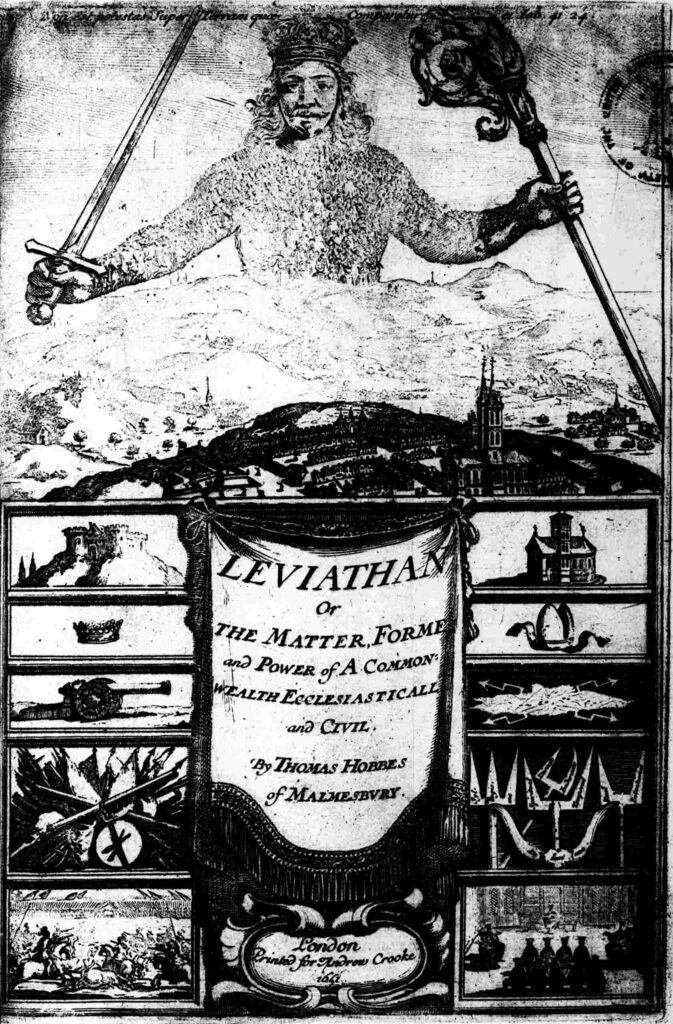 Ethics
Leviathan
View Leviathan — book Ethics
The Prince
View The Prince — book Ethics
Crime and Punishment
View Crime and Punishment — bookResearch Methods in Psychology
Research Methods in Psychology
View Research Methods in Psychology — bookWetlands Law: A Course Source



