
Digging into Archaeology: A Brief OER Introduction to Archaeology with Activities
Cultural & Ethnic StudiesTextbook
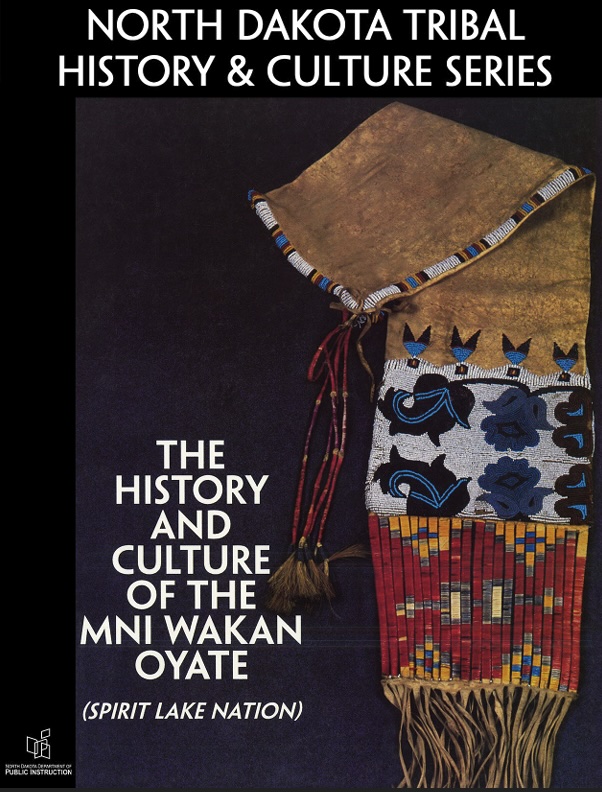
The History and Culture of the Mni Wakan Oyate (Spirit Lake Nation)
Not rated yetRate this bookA North Dakota curriculum resource introducing the history and culture of the Mni Wakan Oyate, also identified in the title as the Spirit Lake Nation.
Free reading is available at the official source. Opens in a new tab.
 Free
About this book
About this book
A North Dakota curriculum resource introducing the history and culture of the Mni Wakan Oyate, also identified in the title as the Spirit Lake Nation.
This page introduces the source edition and offers a focused reading route. Use the linked original resource for the complete text, references, activities, and the author’s full explanation. The overview below is limited to the sections identified in the coverage note.
Contents and further reading
Consult the official book or repository page for the resource’s contents and publication information. Open the source PDF to read the complete available edition.
Sources and coverage
This original overview is based on the opening historical framework and study questions (PDF sheets 5–6), with repository attribution and publication information checked; the later narrative was not reviewed. It is not a whole-book review. The verified source PDF contains 87 PDF sheets, including preliminary or repository pages; this may differ from its printed pagination. The source retains its own authorship, rights notices, and any separately credited third-party material.
Book summary
Study overview
The reviewed opening establishes a historical reading framework rather than a simple list of isolated events. It directs attention to migration, contact, treaties, conflict and removal, reservation formation, federal policy, and self-determination. The questions foreground the effects of language in treaty negotiations, changes in land relationships, and the consequences of boarding schools and legislation. This structure encourages students to investigate how policy and community experience are connected. It also makes clear that dates alone cannot explain a historical process. This overview describes the opening educational framework; it does not summarise every event or assess the later narrative. The 1997 edition is preserved in UND Scholarly Commons and should be distinguished from current Spirit Lake Nation information.
How to study this book
Choose one topic from the historical framework and formulate a question narrow enough for careful source reading. Make a timeline with separate notes for policy decisions, community consequences, and the evidence used to connect them. Identify a treaty or statute by its actual title and date before using it in an argument. Compare the curriculum account with the primary document where appropriate, while recognising the different purposes of the two sources. Use current official tribal sources for present institutions and names. Explain what your selected evidence cannot establish as well as what it supports.
These study suggestions and the questions below are independent Academic Master editorial guidance.
Questions for reflection
- What relationship between policy and community experience will you investigate?
- How could language affect the interpretation of a historical agreement?
- Which evidence would let you move beyond a timeline to an explanation?
About access & copyright
This page provides book information and study material. Full-text access is provided by the original publisher or authorised source; a listing does not grant permission to republish the book.
Read our Library Access & Copyright policyHistorical framework
Read events as connected processes.
Evidence
Identify the source behind each explanation.
Policy and experience
Investigate consequences alongside official decisions.
Present-day context
Consult the Nation’s current sources for current information.
Reader ratings & reviews
Share your thoughts
Your review helps other students choose the right resources.
KEEP LEARNING
Your next great read
Social Sciences
Principles of Social Psychology
Principles of Social Psychology
View Principles of Social Psychology — bookClimate Lessons: Environmental, Social, Local
Climate Lessons: Environmental, Social, Local
View Climate Lessons: Environmental, Social, Local — bookKnowing Home: Braiding Indigenous Science with Western Science
Knowing Home: Braiding Indigenous Science with Western Science
View Knowing Home: Braiding Indigenous Science with Western Science — bookIntroduction to Sustainability
Introduction to Sustainability
View Introduction to Sustainability — book Humanities
Reading Social Science Methods
View Reading Social Science Methods — book Engineering & Technology
Ethics in Technology
View Ethics in Technology — book Curriculum & Instruction
Using Open Educational Resources to Promote Social Justice
View Using Open Educational Resources to Promote Social Justice — book Curriculum & Instruction
Intersections of Open Educational Resources and Information Literacy
View Intersections of Open Educational Resources and Information Literacy — book Social Sciences



