
 Nursing
Textbook
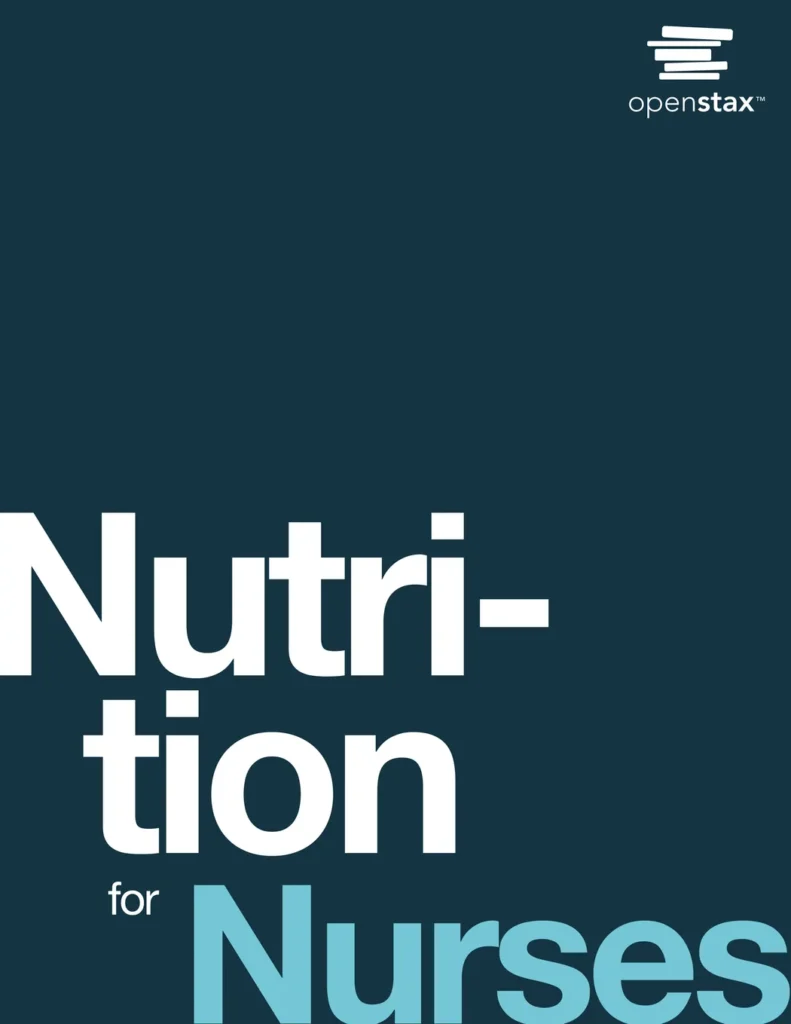
Nutrition for Nurses
Not rated yetRate this bookNutrition for Nurses by Emerald Charity Bilbrew, Jody Vogelzang, and Kelli Whittington connects nutrition science with nursing assessment and clinical judgement. Twenty chapters begin with nutrients and digestion, then pair system-specific clinical-judgement chapters with lifespan, illness, and treatment considerations. The guide follows that structure across neurological, endocrine, hematologic, cardiovascular, pulmonary, renal, gastrointestinal, musculoskeletal, and integumentary health. Its study tasks focus on recognizing relevant information, explaining priorities, and evaluating an individualized plan rather than supplying universal diets or treatment instructions.
Free reading is available at the official source. Opens in a new tab.
 Free
About this book
Nutrition for Nurses by Emerald Charity Bilbrew, Jody Vogelzang, and Kelli Whittington connects nutrition science with nursing assessment and clinical judgement. Twenty chapters begin with nutrients and digestion, then pair system-specific clinical-judgement chapters with lifespan, illness, and treatment considerations. The guide follows that structure across neurological, endocrine, hematologic, cardiovascular, pulmonary, renal, gastrointestinal, musculoskeletal, and integumentary health. Its study tasks focus on recognizing relevant information, explaining priorities, and evaluating an individualized plan rather than supplying universal diets or treatment instructions.
Chapter-wise summaries and reading tasks
Chapter 1 Introduction to Nutrition for Nurses
The opening chapter presents nutrition as a biological, social, and cultural concern within nursing practice. Food choices reflect access, preferences, traditions, relationships, and resources as well as nutrient requirements. Interdisciplinary teamwork connects the nurse’s assessment and education roles with specialist expertise. Population health and vulnerable groups broaden the focus beyond an individual meal plan, while evidence-based practice provides a way to evaluate competing claims. A useful assessment asks what a person can realistically obtain and use, not simply whether they know recommended choices. The chapter establishes a holistic approach that remains important in every later system-specific discussion.
Study task. Map a fictional nutrition concern across physiological needs, food access, preferences, and support. Identify which questions belong to nursing assessment and which require collaboration.
Chapter 2 A Holistic View of Macronutrients
Macronutrients support energy supply, structure, and physiological functions in different but connected ways. The chapter examines carbohydrates, fats, proteins, and hydration, relating their roles to the larger eating pattern. A nutrient category contains varied forms and food sources, so a simple good-or-bad label can conceal relevant differences. Adequacy also depends on the person’s circumstances and on how the body processes or uses intake. Reading this material well means linking function, source, and assessment rather than memorizing isolated lists. Hydration connects nutrition with fluid balance and provides an early example of why needs cannot be assumed identical across all clients.
Study task. Create a comparison chart of macronutrient functions and food sources. Explain why judging an entire dietary pattern from a single nutrient label is insufficient.
Chapter 3 A Holistic View of Micronutrients
Micronutrients are required in smaller amounts but contribute to essential processes throughout the body. Vitamins and minerals are considered alongside supplements and the food patterns through which they are obtained. The chapter encourages a holistic view: nutrients interact with physiological conditions and are not interchangeable simply because they appear in one tablet. A deficiency and excessive intake can both matter, and a claim about supplementation should be checked against evidence and the client’s situation. The learning aim is to connect a nutrient’s function with plausible assessment findings and dietary context, without turning a textbook list into a prescription.
Study task. Choose two micronutrients and connect their functions with food sources and assessment questions. Identify what additional evidence would be needed before recommending a supplement.
Chapter 4 The Digestive Process
Digestion transforms food into forms that can be absorbed and used, linking anatomy with nutritional status. The chapter examines digestive organs, their functions, physical assessment, and the nurse’s contribution to gut health. Intake alone does not describe what the body receives: difficulties with digestion, absorption, elimination, or tolerance can alter the relationship between eating and nourishment. A symptom needs to be considered with history and other findings rather than assigned one nutritional cause. Understanding the sequence of processes helps explain where a problem could affect nutritional adequacy and what information would clarify that possibility.
Study task. Trace a meal through digestion and absorption. Identify two points where impaired function could affect nutritional status and specify relevant assessment information.
Chapter 5 Applying Clinical Judgment to Promote Nutrition for Neurological Wellness
Neurological wellness depends on nutrition while neurological function also influences the ability to eat safely and consistently. This chapter applies a clinical-judgement sequence of assessment, analysis, planning, implementation, and evaluation. Relevant information can include intake, functional ability, cognition, support, and the person’s capacity to participate in a plan. The aim is to connect cues with an individualized priority rather than move directly from one symptom to a diet recommendation. Implementation needs clear responsibilities and collaboration where specialist assessment is required. Evaluation asks whether the chosen approach improves the intended nutritional and functional outcomes.
Study task. Outline a fictional neurological nutrition assessment. Separate observed cues from interpretations, identify a priority for further assessment, and propose an outcome to evaluate.
Chapter 6 Special Nutritional Considerations for Neurological Health
Neurological nutritional needs vary across the lifespan and with chronic conditions and treatment. The chapter extends the previous planning framework by examining those contextual differences. A person’s developmental stage, functional capacity, support needs, and medication-related considerations can change how a plan is carried out. A long-term condition may affect appetite, self-management, or access to meals as well as physiological needs. The practical lesson is to revisit assumptions when the person’s condition or treatment changes. An apparently appropriate recommendation may be ineffective if it requires abilities or resources that are not available.
Study task. Compare a nutrition-support challenge at two life stages in a neurological context. Identify how functional ability, caregiver involvement, and treatment information would change the assessment.
Chapter 7 Applying Clinical Judgment to Promote Nutrition for Endocrine Wellness
Endocrine function regulates metabolism and interacts closely with intake and nutritional status. The chapter uses the clinical-judgement process to connect assessment cues with planning, implementation, and evaluation for endocrine wellness. A useful assessment considers patterns over time rather than treating one intake report or isolated value as the whole explanation. Nutritional goals need to fit the person’s condition, prescribed treatment, preferences, and ability to manage the plan. The nurse’s reasoning includes identifying when more information or interdisciplinary input is needed. Evaluation then compares the intended outcomes with the person’s actual response and experience.
Study task. Develop a cue-to-priority map for a fictional endocrine case. Identify information that must be clarified before selecting nutritional actions and define a measurable evaluation outcome.
Chapter 8 Special Nutritional Considerations for Endocrine Health
Endocrine nutrition is considered across life stages, chronic illnesses, and treatment contexts. The chapter shows why recommendations cannot be detached from the hormonal condition and its management. Changing growth, reproductive, and metabolic demands may alter priorities, while medication or treatment can affect intake and nutritional planning. Chronic conditions also require attention to sustainable routines, access, and the person’s understanding. The educational focus is to compare contexts and recognize the need for individualized coordination rather than assume all endocrine diagnoses call for the same restrictions. A plan must remain responsive as needs and treatment change.
Study task. Compare two endocrine care contexts and list the nutritional assumptions that cannot safely be carried unchanged from one to the other. Identify the team information needed to individualize the plan.
Chapter 9 Applying Clinical Judgment to Promote Nutrition for Hematologic Wellness
Blood formation and function depend on nutrition, but abnormal hematologic findings can have several causes. The chapter applies assessment and clinical judgement to nutritional support for hematologic wellness. Intake history, relevant laboratory information, symptoms, underlying conditions, and treatment context need to be considered together. The task is to distinguish a suspected nutritional contribution from a conclusion that has already been established. Planning should connect the identified need with feasible actions and appropriate collaboration. Evaluation requires more than recording that education occurred; it asks whether the nutritional and health outcomes selected for the case have changed.
Study task. Review a fictional hematologic concern and separate evidence of low intake from evidence of another possible cause. State what must be investigated before drawing a nutritional conclusion.
Chapter 10 Special Nutritional Considerations for Hematologic Health
Hematologic nutritional considerations change with growth, pregnancy, aging, chronic illness, and treatment. The chapter extends the system-level framework by examining differences in needs and circumstances. A higher requirement, reduced intake, altered use, and treatment effects are not identical explanations, even if they contribute to a similar concern. Understanding the mechanism helps determine what information a nurse needs and which team member should be involved. The chapter also reinforces the importance of follow-up: a plan should be reassessed when the person’s clinical condition or life stage changes rather than repeated automatically.
Study task. Create a comparison of increased nutritional need, inadequate intake, and altered utilization in hematologic health. Identify a distinct assessment question for each pathway.
Chapter 11 Applying Clinical Judgment to Promote Nutrition for Cardiovascular Wellness
Cardiovascular nutrition is linked with patterns of intake, physiological status, and the broader conditions that support change. This chapter moves through assessment, analysis, planning, implementation, and evaluation for cardiovascular wellness. Recommendations need to be understood as part of a coordinated care plan rather than as isolated food rules. The person’s existing habits, resources, cultural preferences, and readiness affect what is practical. A good plan states the intended outcome and how progress will be assessed. The chapter therefore combines nutrition knowledge with reasoning about priorities, feasibility, and the interpretation of a client’s response.
Study task. Assess a fictional cardiovascular nutrition goal for feasibility. Identify a barrier, a practical support, and an outcome measure that goes beyond whether advice was provided.
Chapter 12 Special Nutritional Considerations for Cardiovascular Health
Cardiovascular needs vary across life stages and long-term conditions, and treatments can introduce further nutritional considerations. The chapter asks readers to connect those factors rather than apply one cardiovascular label to every situation. A plan suitable for prevention may need adjustment when disease, symptoms, or treatment change. The person’s other conditions and capacity to obtain or prepare food also matter. The learning task is to identify which assumptions need review and which professionals or current guidance can clarify them. Sustainable support depends on fitting the plan to the whole person rather than only the affected organ system.
Study task. Compare cardiovascular prevention with nutrition planning in a long-term illness context. Explain which additional clinical and practical information is needed in the latter.
Chapter 13 Applying Clinical Judgment to Promote Nutrition for Pulmonary Wellness
Pulmonary function and nutrition influence one another through energy demands, functional capacity, and the effort involved in eating. The chapter applies clinical judgement to recognizing relevant cues, planning support, implementing actions, and evaluating outcomes. A person may understand a recommendation but struggle to complete meals because of fatigue or symptoms. Assessment should therefore examine the experience of eating as well as the reported nutrient pattern. Coordination with the wider team helps connect nutrition with the person’s overall management. Evaluation needs to consider tolerance, adequacy, function, and the individual’s priorities rather than one numerical target alone.
Study task. Map how fatigue or breathlessness could affect eating in a fictional case. Identify an assessment question and a team-based planning consideration without assuming a standard diet suits everyone.
Chapter 14 Special Nutritional Considerations for Pulmonary Health
Pulmonary nutritional considerations extend across development, chronic illness, and treatment. The chapter emphasizes that the same general aim of supporting nourishment can require different practical approaches. Long-term respiratory limitations may affect appetite, activity, shopping, preparation, and the ability to finish food, while treatments add information that should be considered by the care team. A useful reading strategy is to trace the mechanism connecting the pulmonary condition with the nutritional concern. This prevents generic advice from obscuring the actual barrier and helps readers identify when reassessment is required.
Study task. Compare two pulmonary nutrition barriers with different mechanisms, such as access and physical tolerance. Explain why improving one would not necessarily resolve the other.
Chapter 15 Applying Clinical Judgment to Promote Nutrition for Renal Wellness
The renal system connects nutrition with fluid regulation, waste handling, and internal balance. This chapter applies assessment and clinical judgement to renal wellness, linking findings with individualized planning and evaluation. Nutritional needs cannot be inferred from the word renal alone; the person’s function, clinical situation, treatment, and other conditions matter. A plan should be coordinated with appropriate specialists and assessed for practicality as well as physiological goals. The chapter’s central skill is reasoning from a set of cues and a defined problem, while recognizing which decisions require more detailed clinical information.
Study task. List the information a care team would need before individualizing nutrition for a renal concern. Explain why a broad organ-system label is insufficient to justify a restriction.
Chapter 16 Special Nutritional Considerations for Renal Health
Renal nutritional needs change across the lifespan and with chronic disease. The chapter connects developmental requirements with the effects of altered renal function and the realities of long-term management. A recommendation suitable for one clinical stage or treatment context may be inappropriate in another. Ongoing monitoring is therefore part of the plan, not an optional final step. Readers should attend to the relationship between clinical findings, nutritional adequacy, and the person’s ability to follow the agreed approach. The emphasis is on individualized, coordinated reasoning rather than a universal list of prohibited foods.
Study task. Describe how a change in renal status could require review of an existing nutrition plan. Identify what should be reassessed and who should contribute to the decision.
Chapter 17 Applying Clinical Judgment to Promote Nutrition for Gastrointestinal Wellness
Gastrointestinal wellness requires considering intake, digestion, absorption, and elimination together. The chapter applies clinical judgement to identifying nutritional concerns, setting priorities, planning actions, and evaluating responses. Similar symptoms can arise from different mechanisms, so the assessment must connect history with relevant findings rather than assume a single dietary cause. The plan’s feasibility includes tolerance, preferences, access, and the support required for eating. Evaluation should show whether the intended nutritional outcome was achieved and whether the approach remains acceptable to the person. This develops the digestive foundations introduced earlier into a case-based nursing process.
Study task. Trace a fictional gastrointestinal nutrition concern through intake, digestion, absorption, and elimination. Identify the stage most in need of clarification and an outcome for reassessment.
Chapter 18 Special Nutritional Considerations for Gastrointestinal Health
Gastrointestinal nutrition is considered across life stages, chronic illnesses, and treatment. The chapter shows how conditions affecting one part of the digestive process can alter needs and practical eating strategies. A treatment may change tolerance or the way nutritional support is organized, making coordination essential. The same symptom does not establish an identical requirement in every person. Readers should compare mechanisms, identify gaps in the available information, and consider long-term feasibility. The chapter reinforces that nutritional adequacy and the person’s experience of the plan need to be evaluated together.
Study task. Compare two gastrointestinal cases with different effects on nutritional status. Explain what additional history or team assessment would distinguish their planning needs.
Chapter 19 Applying Clinical Judgment to Promote Nutrition for Musculoskeletal and Integumentary Wellness
Musculoskeletal and integumentary wellness connect nourishment with movement, tissue maintenance, and repair. The chapter uses a clinical-judgement framework to assess relevant cues, plan support, implement actions, and evaluate results. A nutritional concern may interact with mobility, the ability to obtain or prepare food, and the demands of recovery. The assessment should therefore examine both physiological requirements and functional barriers. A plan needs a clear rationale and measurable outcomes rather than the assumption that one nutrient alone determines healing or strength. Team coordination supports a fuller account of the factors affecting the person’s progress.
Study task. Build a fictional assessment linking mobility, food access, tissue needs, and nutritional intake. Identify a priority and explain how progress would be evaluated.
Chapter 20 Special Nutritional Considerations for Musculoskeletal and Integumentary Health
The final chapter examines musculoskeletal and skin-related nutrition across the lifespan, chronic illness, and treatment. Changes in growth, activity, tissue condition, and function can alter the balance between needs and the ability to meet them. A long-term condition may also create practical dependence or affect how food is prepared and consumed. The chapter encourages readers to connect the organ-system discussion with the whole-person perspective introduced at the beginning. The aim is a responsive plan that is reviewed as circumstances change, with evidence and professional collaboration guiding decisions rather than a fixed supplement or dietary formula.
Study task. Compare nutritional-support needs during growth and later-life functional change. Identify both a physiological consideration and an environmental support that should shape the plan.
How to study this book
- Read each clinical-judgement chapter with the following special-considerations chapter so the general framework is tested against lifespan, illness, and treatment differences.
- Create cue-to-priority maps that distinguish observed findings, possible explanations, missing information, and proposed outcomes.
- Connect nutrient functions with food patterns, access, culture, and the person’s ability to implement a plan.
- Use the source cases for academic reasoning and supervised learning; use current local clinical guidance and the appropriate care team for patient-specific decisions.
- Evaluate whether a plan achieves its intended outcomes and remains feasible, rather than measuring success only by whether instructions were given.
Questions for reflection
- Why can identical symptoms require different nutritional assessments?
- How can a physiologically appropriate recommendation fail because of functional or social conditions?
- Which information must change before an existing nutrition plan should be reconsidered?
Source edition and coverage
All twenty main chapters of the linked OpenStax Nutrition for Nurses edition are covered. These summaries explain the educational content and do not provide individualized diets, dosages, or treatment protocols. This original study guide explains the source in new wording and adds learning activities. Read the publisher’s book and complete exercises.
About access & copyright
This page provides book information and study material. Full-text access is provided by the original publisher or authorised source; a listing does not grant permission to republish the book.
Read our Library Access & Copyright policyExplore the contents
Check the chapters covered in this edition.
Visit the official source
See reading, preview or purchase options.
Save for later
Keep this textbook in your saved collection.
Reader ratings & reviews
Share your thoughts
Your review helps other students choose the right resources.
KEEP LEARNING
Your next great read
Nursing Diseases and disorders
Lung Cancer Navigation and Care
View Lung Cancer Navigation and Care — book Medicine
Social Determinants of Health in Nursing Education: Integrating Into Curriculum and Practice
View Social Determinants of Health in Nursing Education: Integrating Into Curriculum and Practice — book Medicine
Inclusive Approach to Anthropometric Body Measurement Assessments
View Inclusive Approach to Anthropometric Body Measurement Assessments — book Medicine
Clinical Procedures for Safer Patient Care
View Clinical Procedures for Safer Patient Care — book Math
Prealgebra 2e
View Prealgebra 2e — book Econometrics and economic statistics
Introduction to Business Statistics Problem Ancillary Materials: Yukon Edition
View Introduction to Business Statistics Problem Ancillary Materials: Yukon Edition — book Music Theory
Fundmentals of Music Theory
View Fundmentals of Music Theory — book Science
Physics
View Physics — book Mathematical Modeling



