
 Literature
Academic Book
Great Expectations
Not rated yetRate this bookCharles Dickens’s novel follows Pip’s changing understanding of identity, affection, and social position. This English text identifies itself as the 1867 edition. The student guide examines the opening and closing chapters, with attention to retrospective narration, vulnerability, memory, and the difference between material advancement and personal growth.
Read on the publisher’s website. Opens in a new tab.
 Free
About this book
Great Expectations is narrated by Pip, who looks back on his childhood and later life. The contrast between a frightened child’s perceptions and an adult narrator’s language gives the novel a distinctive mixture of menace, humour, and reflection. Personal identity takes shape through family relationships, encounters with strangers, and the stories people tell about their own worth. Its opening and conclusion invite close attention to how memory changes the meaning of a place.
This page provides access to Project Gutenberg eBook 1400, digitally released in 1998. The source explicitly labels its text the 1867 edition and contains 59 chapters. The year and HTML ISBN in the details describe Gutenberg’s digital publication. MIT’s undergraduate Introduction to Fiction reading list includes the novel; students should check any edition requirements with their instructor. The guide below offers selective coverage of Chapters I and LIX, including the ending.
Book contents
59 chapters, numbered I–LIX in the source. The source labels its text the 1867 edition.
View the verified contents
- Chapter I.
- Chapter II.
- Chapter III.
- Chapter IV.
- Chapter V.
- Chapter VI.
- Chapter VII.
- Chapter VIII.
- Chapter IX.
- Chapter X.
- Chapter XI.
- Chapter XII.
- Chapter XIII.
- Chapter XIV.
- Chapter XV.
- Chapter XVI.
- Chapter XVII.
- Chapter XVIII.
- Chapter XIX.
- Chapter XX.
- Chapter XXI.
- Chapter XXII.
- Chapter XXIII.
- Chapter XXIV.
- Chapter XXV.
- Chapter XXVI.
- Chapter XXVII.
- Chapter XXVIII.
- Chapter XXIX.
- Chapter XXX.
- Chapter XXXI.
- Chapter XXXII.
- Chapter XXXIII.
- Chapter XXXIV.
- Chapter XXXV.
- Chapter XXXVI.
- Chapter XXXVII.
- Chapter XXXVIII.
- Chapter XXXIX.
- Chapter XL.
- Chapter XLI.
- Chapter XLII.
- Chapter XLIII.
- Chapter XLIV.
- Chapter XLV.
- Chapter XLVI.
- Chapter XLVII.
- Chapter XLVIII.
- Chapter XLIX.
- Chapter L.
- Chapter LI.
- Chapter LII.
- Chapter LIII.
- Chapter LIV.
- Chapter LV.
- Chapter LVI.
- Chapter LVII.
- Chapter LVIII.
- Chapter LIX.
Read the full text at Project Gutenberg
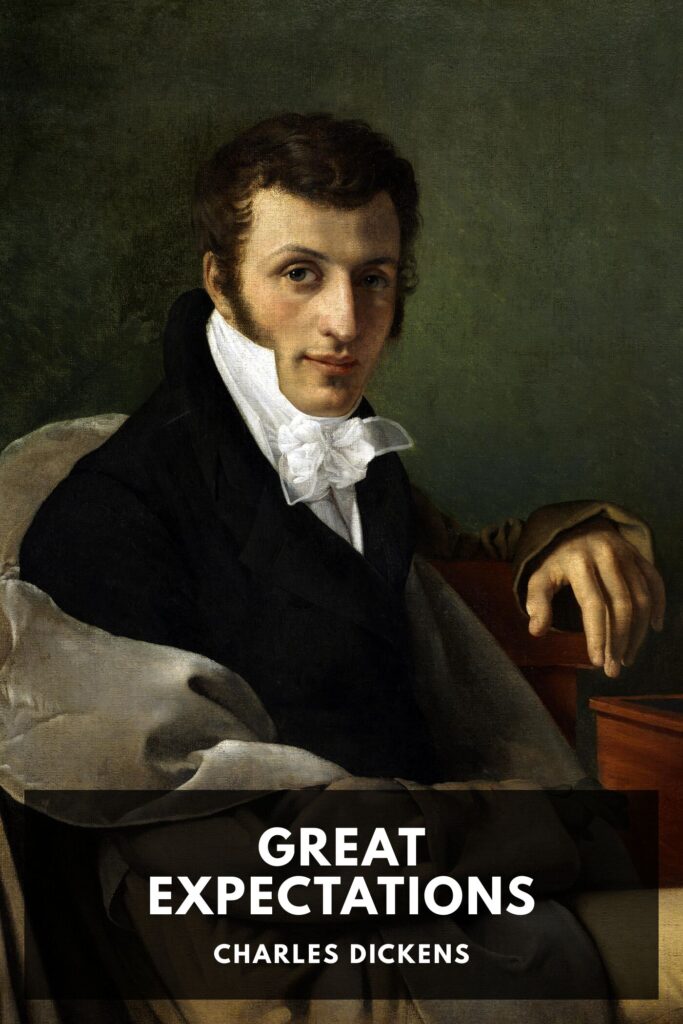
Cover image: Standard Ebooks edition. The hosted PDF remains the edition described above.
Book summary
Spoiler notice: The literary chapter guide discusses important events and, where covered, the ending.
Study overview of selected chapters
The opening establishes identity as an act of interpretation. Pip derives imagined features of his dead parents from the lettering on their graves. The adult narrator lets readers see both the child’s fear and the ingenuity with which he makes sense of an unfamiliar world. Names, inscriptions, and landscape become the materials from which a life story begins.
The encounter with the escaped convict interrupts that imaginative activity with physical danger. The man threatens Pip and demands food and a file, but the description also makes his cold, hunger, injury, and exhaustion visible. Academic Master’s reading of this scene asks students to notice how terror and vulnerability occupy the same figure. The landscape extends that tension through the river, marshes, and the distant gibbet.
Chapter LIX revisits childhood locations after a long absence. Joe and Biddy’s son carries Pip’s name, and a visit to the churchyard echoes the opening without reproducing its isolation. Pip speaks of supporting himself through work, while his memories of Estella continue to shape his actions. The return connects change with continuity rather than simply erasing earlier desire.
At the ruined site of the old house, Pip and Estella acknowledge suffering and renewed friendship. The final image offers hope, but the conversation does not explicitly announce a marriage. A careful interpretation should distinguish the narrator’s feeling from a guaranteed future. Reading these two chapters together highlights changes in perspective, the persistence of memory, and the narrative importance of returning to a familiar place.
Selected chapter summaries
Chapter I
Pip introduces his name, his dead family, and the marsh landscape through remembered childhood impressions. An escaped convict terrifies him into promising food and a file. The threatening dialogue is set beside details of the man’s physical suffering. The scene establishes the novel’s retrospective voice: readers encounter the child’s limited understanding through an older narrator who can shape that experience with humour and unsettling imagery.
Chapter LIX
After eleven years away, Pip returns to Joe and Biddy and meets their son, named after him. He later encounters Estella at the ruined site of the old house. Their conversation acknowledges suffering and offers friendship. The final image suggests hope while leaving its practical outcome unstated. Students should examine the echoed churchyard visit and changing imagery of mist before deciding how firmly the ending resolves the relationship.
How to study this book
Academic Master suggests a reading log that records the speaker or narrator, the evidence offered, and the reasoning behind an interpretation. These are study suggestions; consult the original text for context.
Further analysis and study — Academic Master
The child’s fear and the adult narrator
The opening chapter combines a child’s experience with a narrator’s ability to describe it retrospectively. Pip constructs an understanding of his family through names on gravestones, and the encounter with the convict brings hunger, threat, and obligation into that vulnerable setting. A close reading can ask which details belong to the child’s immediate perception and which are shaped by later storytelling. This distinction helps explain why the scene can be frightening and darkly comic at the same time. Its emotional force depends on language and perspective, not simply on the fact that a convict appears.
Reading an ending without closing every question
The reviewed final chapter returns Pip to familiar relationships and to the remains of Satis House after a long interval. Compare the ruined physical setting with the possibility of changed understanding between Pip and Estella. Academic Master suggests separating what the ending explicitly reports from what a reader hopes it promises. The scene does not supply an explicit marriage announcement. Its retrospective language invites interpretation of loss, maturity, and renewed contact without removing all uncertainty. Use quotations from this linked text when discussing the ending, since the source identifies itself with the 1867 edition.
Questions for discussion and written work
- How does retrospective narration affect the opening scene?
- What does the final chapter explicitly establish?
- How does the ruined setting influence an interpretation of the ending?
Sources and coverage
This selective guide is based on Chapters I and LIX in Project Gutenberg eBook 1400. Edition details and the complete chapter structure were also checked. Other chapters were not reviewed in full; this is not an exhaustive chapter-by-chapter account.
Read the source text · Edition and format details · Course reading list
About access & copyright
This page provides book information and study material. Full-text access is provided by the original publisher or authorised source; a listing does not grant permission to republish the book.
Read our Library Access & Copyright policyRetrospective narration
Compare the child’s perceptions with the adult narrator’s presentation.
Fear and vulnerability
Examine how the opening makes both threat and suffering visible.
Memory and place
Track the changed meaning of the churchyard and the return home.
Interpreting endings
Distinguish an image of hope from a confirmed future outcome.
Reader ratings & reviews
Share your thoughts
Your review helps other students choose the right resources.
KEEP LEARNING
Your next great read
Literature Literature
Adam Bede
View Adam Bede — book Literature
The Odyssey
View The Odyssey — book Literature
Tess of the d'Urbervilles: A Pure Woman
View Tess of the d'Urbervilles: A Pure Woman — book Literature
Lady Audley's Secret
View Lady Audley's Secret — book Literature
Mrs. Dalloway
View Mrs. Dalloway — book Literature
Don Quixote
View Don Quixote — book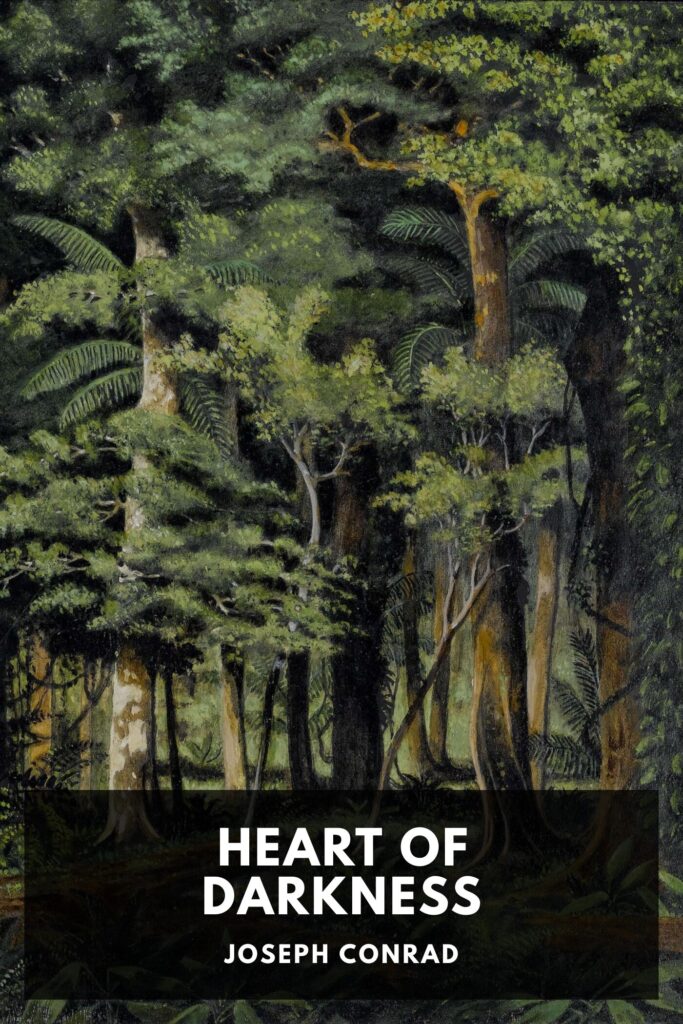 Literature
Heart of Darkness
View Heart of Darkness — book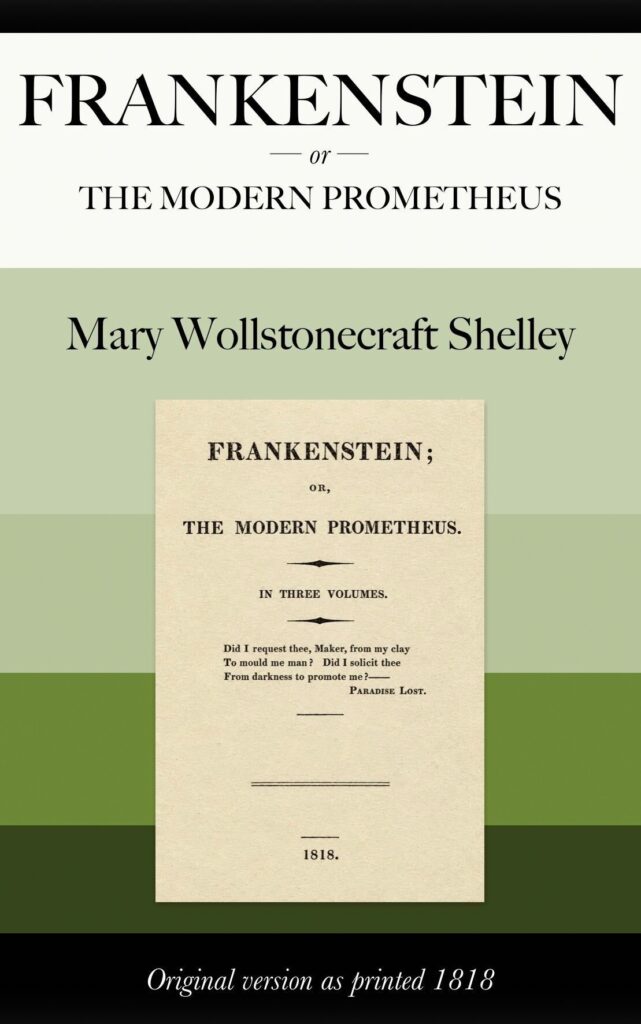 Literature
Frankenstein; or, the Modern Prometheus
View Frankenstein; or, the Modern Prometheus — book Literature



