
 Literature
Academic Book
Heart of Darkness
Not rated yetRate this bookJoseph Conrad’s novella uses a story told aboard a boat on the Thames to examine conquest, belief, and the limits of testimony. This English edition contains three numbered sections. The study guide focuses on the opening frame and closing conversation, with attention to narrative voice, imagery, and the difficulty of telling the truth.
Read on the publisher’s website. Opens in a new tab.
 Free
About this book
Heart of Darkness presents Marlow’s account within another narrator’s description of a gathering aboard the Nellie. That layered structure makes the act of storytelling part of the reader’s task: a speaker’s experience, interpretation, and choices about disclosure must be distinguished. The opening associates the Thames with exploration and empire before Marlow complicates that confident historical picture. At the close, a conversation about Kurtz raises questions about grief, knowledge, and the preservation of an idealized memory.
This page provides access to Project Gutenberg eBook 219, released digitally on 9 January 2006. The year and HTML ISBN in the details refer to that electronic publication. The source is divided into sections I, II, and III without descriptive chapter titles. MIT’s undergraduate Reading Fiction: Imaginary Journeys course includes the novella but specifies a Penguin Classics edition. Its reading list verifies academic use of the work, not assignment of this particular Gutenberg text. The guide below covers selected opening, company-station, and closing passages and includes spoilers.
A useful starting point is the distinction between an event and the story subsequently made from it. Marlow can report what he saw, describe his own reactions, and repeat what other people told him, but these forms of evidence do not carry identical weight. His account is also heard and presented by the outer narrator. Keeping those layers separate helps readers identify uncertainty instead of treating every statement as an established fact.
The company station provides a particularly revealing setting for close reading. Broken machinery and apparently purposeless activity stand alongside severe human suffering. The accountant’s immaculate appearance and orderly books form another contrast: administrative precision exists within a setting Marlow describes as chaotic and destructive. Academic Master’s interpretation asks how these details complicate the claim that efficient organization necessarily demonstrates moral progress.
The work can also support discussion of representation. Marlow questions the official categories applied to the men he encounters, yet his descriptions often reduce people to bodies, shapes, or collective identities. A critical reading can examine both the exposure of violence and the limitations of the language used to describe its victims. Such analysis should remain grounded in particular passages rather than treating criticism of conquest as proof that every aspect of the narration escapes prejudice.
Book contents
Three sections titled I, II, and III. The source supplies no descriptive chapter titles.
View the verified contents
- I
- II
- III
Read the full text at Project Gutenberg
Cover image: Standard Ebooks edition. The hosted PDF remains the edition described above.
Book summary
Spoiler notice: This guide discusses important events and, where covered, the ending.
Study overview of selected passages
The opening contrasts a tranquil gathering on the Thames with gathering darkness above London. The outer narrator recalls ships, explorers, trade, and the growth of empires. Marlow’s intervention changes the perspective: Britain itself was once a distant place encountered by Roman conquerors. Academic Master’s reading of this contrast asks students to examine how historical viewpoint shapes the distinction between a familiar centre and a supposedly unknown margin.
Marlow describes conquest through force and appropriation, while also invoking the possibility of an idea that could redeem it. The passage supplies no simple resolution of that tension. Students should attribute these claims to the speaker and test how his reasoning works, rather than treating the narration as a transparent statement of Conrad’s own position. The outer narrator’s account of Marlow’s indirect storytelling further makes interpretation part of the experience.
In the closing conversation, Kurtz’s Intended expresses confidence in his goodness and in her special understanding of him. Marlow’s responses reveal discomfort as her certainty grows. She asks for his last words, and he substitutes her name for the disturbing words he remembers. The scene sets private grief beside a decision about what another person will be permitted to know.
The return to the boat’s outer frame brings the darkened Thames back into view. These selected passages support questions about memory, concealment, and the language through which conquest acquires justification. They also require attention to the speaker’s racialized historical vocabulary. Academic Master recommends examining the text’s representations critically, with clear distinctions between its voices and the reader’s assessment; this passage guide does not summarize the entire journey.
Selected chapter and passage summaries
Section I — Opening frame and discussion of conquest
The outer narrator places a group of listeners on the Thames and recalls the river’s connection with exploration and empire. Marlow interrupts that historical confidence by imagining Roman arrivals in Britain and describing conquest as violence and appropriation. His appeal to a redeeming idea introduces a tension rather than settling it. This guide covers the opening frame through that discussion, not all of Section I.
Section III — Closing conversation and return to the frame
Kurtz’s Intended speaks with unwavering admiration and asks Marlow to repeat his last words. He supplies a consoling answer instead of the words he remembers. The scene connects grief with selective disclosure and an idealized memory. The narrative then returns to the listeners aboard the boat and a darkened Thames. This guide covers the closing conversation and final frame, not the whole of Section III.
Further passage analysis
Section I — The company station, labour, and bookkeeping
Marlow encounters damaged equipment, unexplained excavation, and chained labourers before entering a shaded area where exhausted people have withdrawn. He rejects the official identification of these men as enemies or criminals, while his descriptions continue to reveal the distance between observer and observed. The company accountant then appears in immaculate clothing, with records kept in exceptional order. His irritation at a sick man’s groans makes the contrast between clerical accuracy and human suffering particularly sharp. This passage guide covers the arrival at the station through the accountant’s introduction of Kurtz.
Reading the major connections
Order, efficiency, and moral judgment
Academic Master suggests comparing Marlow’s earlier appeal to efficiency with the details of the station. An orderly set of accounts does not remove the broken equipment or suffering outside the office. At the same time, Marlow describes the accountant’s discipline with admiration. An interpretation should account for this mixed response instead of selecting only the details that support a simple judgment. Ask what is being measured successfully, whose condition remains outside that measure, and whether the narrator acknowledges the inconsistency.
Language, distance, and recognition
The station passage moves between official labels, bodily descriptions, and moments of attempted assistance. Marlow offers a biscuit to a young man but cannot explain the meaning of a thread around his neck. That uncertainty matters: the observer can register suffering without understanding a person’s history or intentions. Students can examine how the passage both makes violence visible and limits access to the people experiencing it. Avoid presenting the narrator’s guesses as their own testimony.
Connecting the station with the final conversation
At the station, Kurtz first enters Marlow’s account through an evaluation of his productivity and exceptional reputation. In the closing conversation, the Intended remembers him through love and idealized confidence. These different descriptions invite comparison of the criteria used to establish a person’s worth. This is an editorial connection between the reviewed passages; it does not substitute for reading the intervening narrative that changes Marlow’s understanding.
Questions for discussion and written work
- How does the frame narrator’s celebration of the Thames prepare for, or conflict with, Marlow’s account of conquest?
- What does the contrast between the accountant’s appearance and the station’s conditions allow a reader to infer? Which inferences remain uncertain?
- Where does Marlow question an official label, and where does his own language preserve distance from another person?
- How would the closing conversation change if the Intended’s certainty were treated as evidence rather than as a belief?
- Does Marlow’s final choice appear protective, evasive, or both? Support the distinction with the conversation itself.
Suggested close-reading approach
Choose a short passage and identify its speaker before making an argument. Separate what is directly described from what is inferred, then analyse one recurring image or contrast. A strong response explains how language shapes a judgment and acknowledges any detail that complicates it. These questions and methods are Academic Master’s study suggestions, not assignments supplied by Conrad.
Sources and coverage
This expanded selective guide is based on the opening of Section I through the discussion of conquest; the Section I station passage from arrival, damaged machinery, and chained labourers through the shaded grove, accountant, and first introduction of Kurtz; and the closing conversation and final frame in Section III in Project Gutenberg eBook 219. Edition information and the complete chapter structure were checked. The remaining text was not reviewed in full. This is selective study coverage, not an exhaustive chapter-by-chapter account.
Read the source text · Edition and format details · Course reading list
About access & copyright
This page provides book information and study material. Full-text access is provided by the original publisher or authorised source; a listing does not grant permission to republish the book.
Read our Library Access & Copyright policyNarrative layers
Distinguish the outer narrator from Marlow and his listeners.
Conquest and justification
Examine the tension between violence and a supposedly redeeming idea.
Truth and disclosure
Analyse Marlow’s choice of words in the closing conversation.
Critical interpretation
Attribute historical and racialized language to its speaker before evaluating it.
Reader ratings & reviews
Share your thoughts
Your review helps other students choose the right resources.
KEEP LEARNING
Your next great read
Literature Literature
Adam Bede
View Adam Bede — book Literature
The Odyssey
View The Odyssey — book Literature
Tess of the d'Urbervilles: A Pure Woman
View Tess of the d'Urbervilles: A Pure Woman — book Literature
Lady Audley's Secret
View Lady Audley's Secret — book Literature
Mrs. Dalloway
View Mrs. Dalloway — book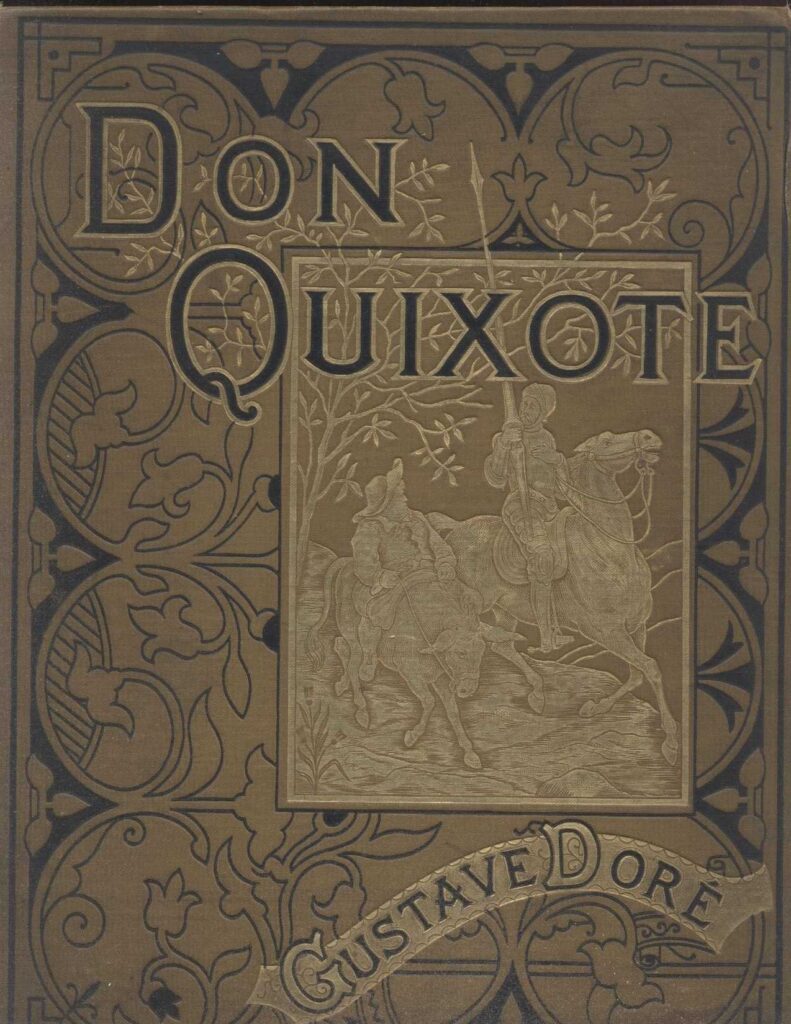 Literature
Don Quixote
View Don Quixote — book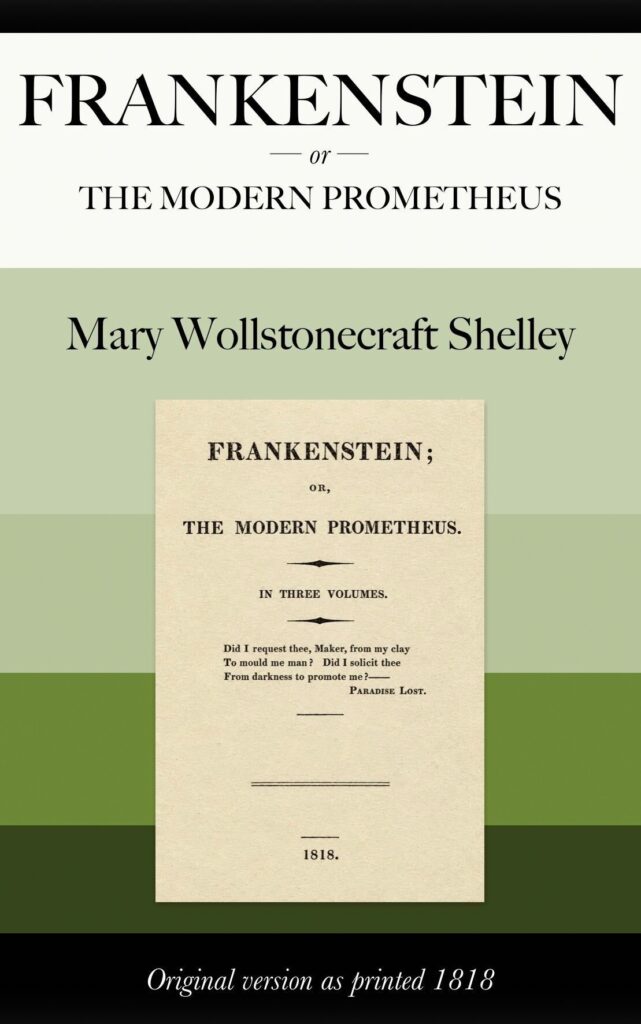 Literature
Frankenstein; or, the Modern Prometheus
View Frankenstein; or, the Modern Prometheus — book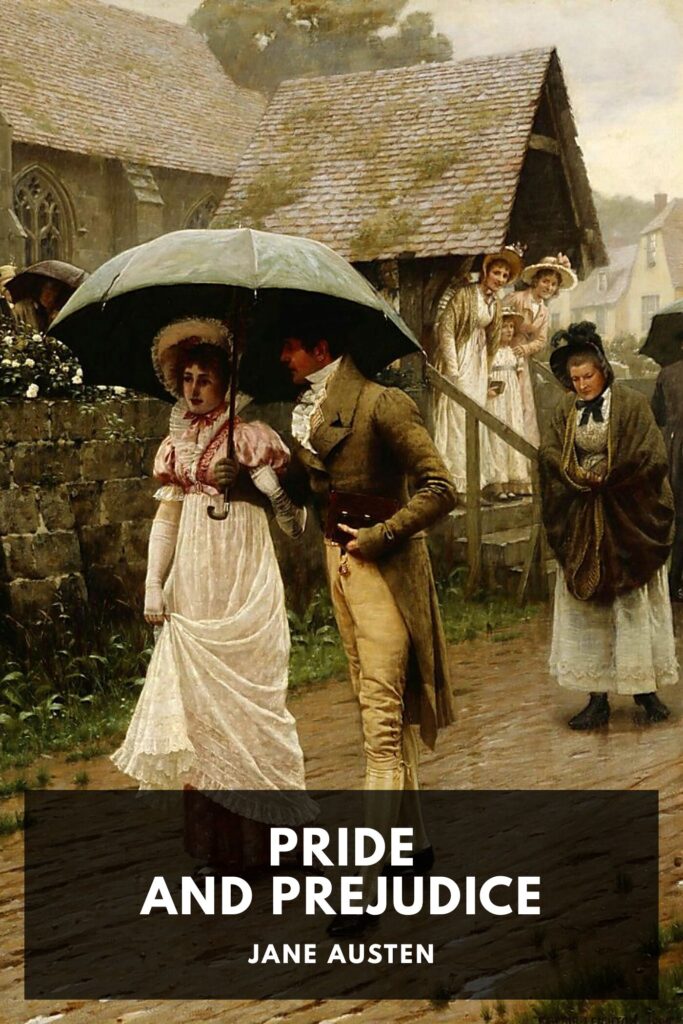 Literature
Pride and Prejudice
View Pride and Prejudice — book Literature



