
 Ethics
Academic Book
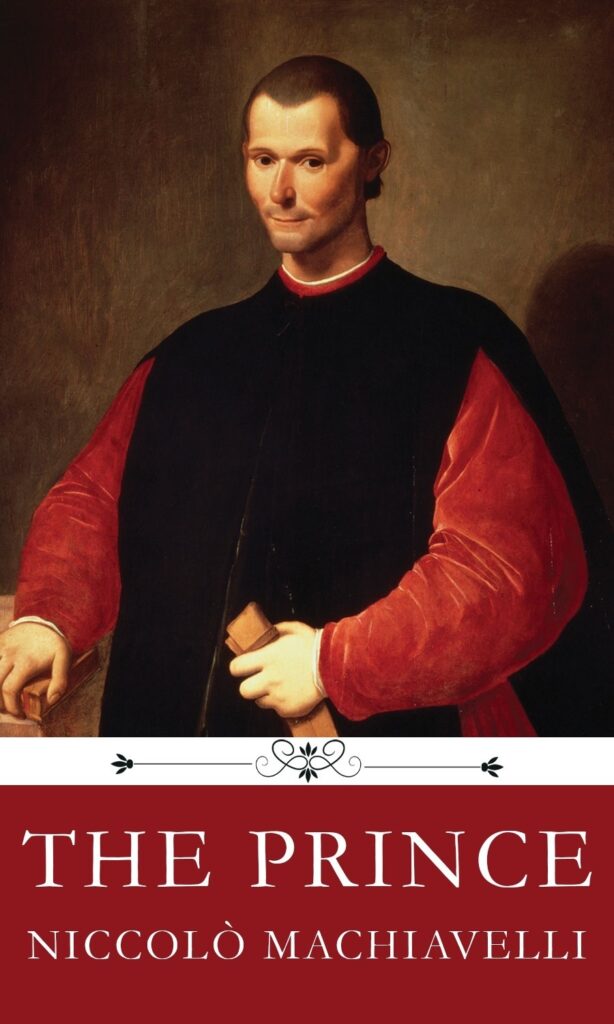
The Prince
Not rated yetRate this bookNiccolò Machiavelli examines how princes acquire and retain power, distinguishing political effectiveness from conventional moral praise. This English text uses W. K. Marriott’s translation. The study guide treats the work as a historical argument and examines selected chapters on rule, reputation, counsel, and changing circumstances.
Read on the publisher’s website. Opens in a new tab.
 Free
About this book
The Prince organizes political rule into different kinds of principalities and asks what enables a ruler to preserve authority. Machiavelli develops his argument through historical examples and distinctions between established and newly acquired power, appearances and conduct, and personal ability and circumstance. His judgments belong to a particular historical debate and should be attributed to him rather than presented as universal instructions.
The work was composed in 1513 and first published in 1532. This record follows Project Gutenberg eBook 1232, digitally released in 2006, in W. K. Marriott’s English translation. Alongside the 26 chapters of The Prince, the source contains introductory material, a dedication, an account of Duke Valentino’s methods, and The Life of Castruccio Castracani of Lucca. Those additional pieces should not be mistaken for extra chapters of the treatise.
MIT OpenCourseWare assigns an excerpt from The Prince in its undergraduate Literature and Ethical Values course. The selected-chapter guide below concentrates on classification, political necessity, keeping faith, and the selection and use of advisers. The recorded HTML ISBN identifies this Gutenberg format; no unrelated modern translation’s ISBN or page count is supplied.
Book contents
Introductory sections and dedication; the 26 chapters of The Prince; and two additional works listed separately after the treatise.
View the verified contents
- Introduction
- Youth — Æt. 1–25 — 1469–94
- Office — Æt. 25–43 — 1494–1512
- Literature and Death — Æt. 43–58 — 1512–27
- The Man and His Works
- Dedication
- CHAPTER I. HOW MANY KINDS OF PRINCIPALITIES THERE ARE, AND BY WHAT MEANS THEY ARE ACQUIRED
- CHAPTER II. CONCERNING HEREDITARY PRINCIPALITIES
- CHAPTER III. CONCERNING MIXED PRINCIPALITIES
- CHAPTER IV. WHY THE KINGDOM OF DARIUS, CONQUERED BY ALEXANDER, DID NOT REBEL AGAINST THE SUCCESSORS OF ALEXANDER AT HIS DEATH
- CHAPTER V. CONCERNING THE WAY TO GOVERN CITIES OR PRINCIPALITIES WHICH LIVED UNDER THEIR OWN LAWS BEFORE THEY WERE ANNEXED
- CHAPTER VI. CONCERNING NEW PRINCIPALITIES WHICH ARE ACQUIRED BY ONE’S OWN ARMS AND ABILITY
- CHAPTER VII. CONCERNING NEW PRINCIPALITIES WHICH ARE ACQUIRED EITHER BY THE ARMS OF OTHERS OR BY GOOD FORTUNE
- CHAPTER VIII. CONCERNING THOSE WHO HAVE OBTAINED A PRINCIPALITY BY WICKEDNESS
- CHAPTER IX. CONCERNING A CIVIL PRINCIPALITY
- CHAPTER X. CONCERNING THE WAY IN WHICH THE STRENGTH OF ALL PRINCIPALITIES OUGHT TO BE MEASURED
- CHAPTER XI. CONCERNING ECCLESIASTICAL PRINCIPALITIES
- CHAPTER XII. HOW MANY KINDS OF SOLDIERY THERE ARE, AND CONCERNING MERCENARIES
- CHAPTER XIII. CONCERNING AUXILIARIES, MIXED SOLDIERY, AND ONE’S OWN
- CHAPTER XIV. THAT WHICH CONCERNS A PRINCE ON THE SUBJECT OF THE ART OF WAR
- CHAPTER XV. CONCERNING THINGS FOR WHICH MEN, AND ESPECIALLY PRINCES, ARE PRAISED OR BLAMED
- CHAPTER XVI. CONCERNING LIBERALITY AND MEANNESS
- CHAPTER XVII. CONCERNING CRUELTY AND CLEMENCY, AND WHETHER IT IS BETTER TO BE LOVED THAN FEARED
- CHAPTER XVIII. CONCERNING THE WAY IN WHICH PRINCES SHOULD KEEP FAITH
- CHAPTER XIX. THAT ONE SHOULD AVOID BEING DESPISED AND HATED
- CHAPTER XX. ARE FORTRESSES, AND MANY OTHER THINGS TO WHICH PRINCES OFTEN RESORT, ADVANTAGEOUS OR HURTFUL?
- CHAPTER XXI. HOW A PRINCE SHOULD CONDUCT HIMSELF SO AS TO GAIN RENOWN
- CHAPTER XXII. CONCERNING THE SECRETARIES OF PRINCES
- CHAPTER XXIII. HOW FLATTERERS SHOULD BE AVOIDED
- CHAPTER XXIV. WHY THE PRINCES OF ITALY HAVE LOST THEIR STATES
- CHAPTER XXV. WHAT FORTUNE CAN EFFECT IN HUMAN AFFAIRS AND HOW TO WITHSTAND HER
- CHAPTER XXVI. AN EXHORTATION TO LIBERATE ITALY FROM THE BARBARIANS
- DESCRIPTION OF THE METHODS ADOPTED BY THE DUKE VALENTINO WHEN MURDERING VITELLOZZO VITELLI, OLIVEROTTO DA FERMO, THE SIGNOR PAGOLO, AND THE DUKE DI GRAVINA ORSINI
- THE LIFE OF CASTRUCCIO CASTRACANI OF LUCCA
Book summary
Coverage: This guide covers the selected chapters named below.
Study overview of selected chapters
Machiavelli begins by distinguishing republics from principalities and then classifying principalities by their history and manner of acquisition. The opening chapters make circumstances important: a hereditary ruler benefits from established expectations, while a new ruler cannot simply assume the same stability. The argument is therefore organized around differences in political situations rather than a single ideal portrait of leadership.
Chapter XV states a central methodological challenge. Machiavelli proposes to examine how people actually act and warns that an exclusive commitment to an imagined moral ideal may undermine a ruler’s position. His claim does not merely list virtues and vices; it asks how conduct that receives conventional praise or blame affects the preservation of a state. This is an argument for students to evaluate critically, not a judgment that political success settles every ethical question.
Chapter XVIII develops the tension between conduct and appearance through keeping promises. Machiavelli combines law, force, and deception in his account of political competition, arguing that a ruler must adapt when circumstances change. His emphasis on reputation raises a further question: how can observers assess a ruler when public appearances and knowledge of actual conduct do not coincide?
Chapters XXII and XXIII bring political judgment into the ruler’s relationship with advisers. The quality of appointments, the interests of officials, the danger of flattery, and the ruler’s ability to evaluate counsel all matter. Academic Master’s reading of these selected chapters emphasizes the connection between practical judgment and the information a ruler receives. A useful study approach is to separate Machiavelli’s description of an example, the rule he draws from it, and the ethical assumptions that a reader may challenge.
Selected chapter summaries
Chapter I. How Many Kinds of Principalities There Are, and by What Means They Are Acquired
The chapter classifies states and distinguishes hereditary from new principalities. New acquisitions may depend on one’s own or another’s forces, fortune, or ability; previously free populations present a different situation from those accustomed to princely rule. This compact framework supplies the categories for the treatise’s later comparisons rather than a complete theory of every form of government.
Chapter II. Concerning Hereditary Principalities
Machiavelli limits the discussion to principalities and argues that inherited rule is generally easier to maintain than newly established rule. Established customs and familiarity can reduce the occasions for resentment. He nevertheless allows that extraordinary force can displace a dynasty. The chapter connects political stability with a population’s habits and expectations, making continuity part of the explanation rather than relying on ancestry alone.
Chapter XV. Concerning Things for Which Men, and Especially Princes, Are Praised or Blamed
Machiavelli distinguishes imagined ideals from the conduct he thinks political survival requires. He argues that a ruler must judge the consequences of qualities commonly called virtues or vices. The chapter introduces a conflict between moral reputation and preservation of authority. Students can ask whether the examples and assumptions justify his conclusion rather than turning his historical argument into an unquestioned rule.
Chapter XVIII. Concerning the Way in Which Princes Should Keep Faith
The chapter examines promises, political competition, and the gap between conduct and appearance. Machiavelli uses the fox and lion to describe cunning and force, and argues that rulers may break faith when changed circumstances make observance dangerous. His emphasis on appearing virtuous invites scrutiny of how public judgment is formed and of the ethical limits his account leaves contested.
Chapter XXII. Concerning the Secretaries of Princes
Machiavelli presents appointments as evidence of a ruler’s judgment. An adviser’s competence and loyalty matter, but the ruler must also recognize self-interest and create a relationship in which service is rewarded. The chapter connects authority with the people entrusted to exercise it. Its argument makes political judgment visible through selection and supervision, not merely through the ruler’s own public decisions.
Chapter XXIII. How Flatterers Should Be Avoided
Machiavelli warns that flattery can distort a ruler’s understanding. His proposed arrangement gives chosen wise advisers freedom to answer questions truthfully, while the ruler listens, evaluates, and decides. The chapter also criticizes instability caused by continually changing counsel. It exposes a tension between obtaining honest information and retaining authority over whose advice will be heard.
How to study this book
Academic Master suggests recording each chapter’s claim, the example offered in support, and an objection a reader might raise. Keep the historical argument separate from present-day political advice.
Further analysis and study — Academic Master
Political categories and political judgment
The early chapters classify principalities and distinguish inherited rule from newly acquired power. The later reviewed chapters shift toward the difficulties of acting, appearing trustworthy, selecting advisers, and hearing counsel. Compare classification with judgment: a category can organize a political situation, but it does not automatically determine a successful decision. This is a productive way to read the book without reducing it to a collection of detached maxims. Ask how a particular recommendation relates to insecurity, reputation, or the information available to a ruler.
Advice, appearance, and competing interests
Chapters XVIII, XXII, and XXIII allow a focused comparison of public appearance with the private conditions under which advice reaches a ruler. The ruler’s own judgment matters, but so do the interests of advisers and the risks created by flattery. Academic Master suggests mapping the information problem: who speaks, what they might gain, and whether disagreement is possible. Evaluate a claim about political effectiveness separately from a claim about moral acceptability. That distinction makes room for criticism while preserving the specific question the passage is attempting to answer.
Questions for discussion and written work
- When does a political category help, and when does judgment remain necessary?
- How do advisers’ interests affect the quality of counsel?
- How would you distinguish effectiveness from moral justification?
Sources and coverage
Selected-chapter guide based on Chapters I, II, XV, XVIII, XXII, and XXIII in W. K. Marriott’s translation, Project Gutenberg eBook 1232. The full contents structure and translator credit were checked. Other chapters and the two additional works were not reviewed in full and are listed without invented summaries.
Read the source text · Edition and format details · Course reading list
About access & copyright
This page provides book information and study material. Full-text access is provided by the original publisher or authorised source; a listing does not grant permission to republish the book.
Read our Library Access & Copyright policyPolitical classification
Distinguish hereditary rule from different forms of new acquisition.
Effectiveness and ethics
Evaluate Machiavelli’s argument about conduct, reputation, and preservation of power.
Appearance and knowledge
Analyse how public judgment may differ from knowledge of a ruler’s actions.
Counsel and judgment
Connect advisers, incentives, and flattery with political decision-making.
Reader ratings & reviews
Share your thoughts
Your review helps other students choose the right resources.
KEEP LEARNING
Your next great read
Ethics Ethics
The Secret Sharer
View The Secret Sharer — book Ethics
The Prince
View The Prince — book Ethics
Julius Caesar
View Julius Caesar — book Ethics
Utilitarianism
View Utilitarianism — book Ethics
The Republic
View The Republic — book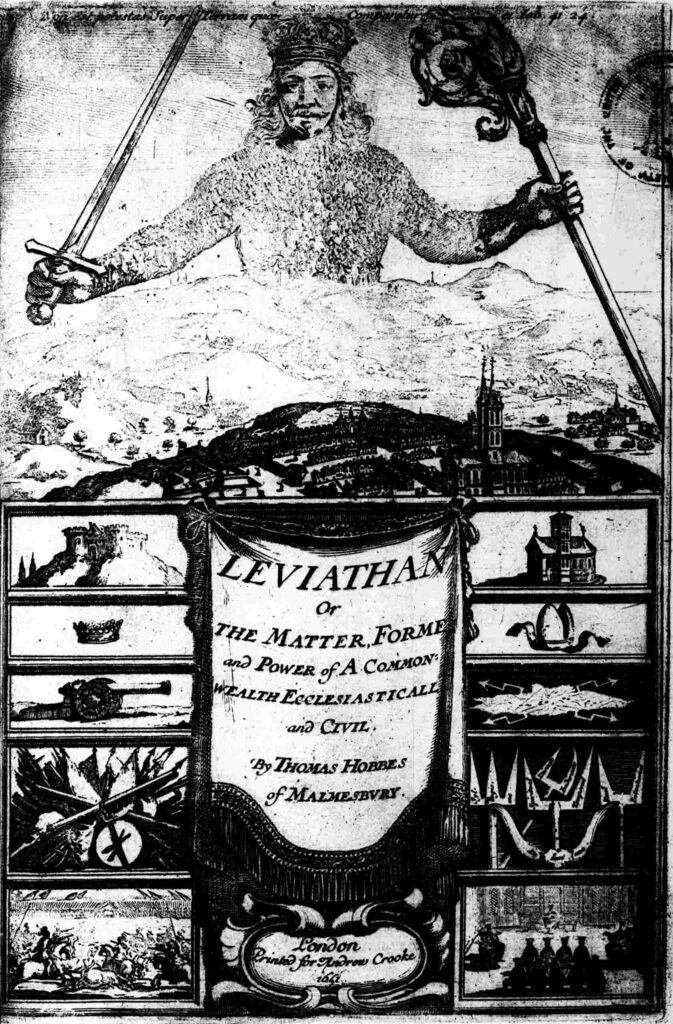 Ethics
Leviathan
View Leviathan — book Ethics
Crime and Punishment
View Crime and Punishment — bookResearch Methods in Psychology
Research Methods in Psychology
View Research Methods in Psychology — bookWetlands Law: A Course Source



