
 Complex analysis
FitnessTextbook
Fitness for paramedics : A guide for students at Cambrian College, 2nd Edition
Not rated yetRate this bookFitness for Paramedics, second edition, connects exercise science and wellness with the physical demands of Cambrian College’s paramedic program. This guide follows its 14 chapters, covering occupational fitness tests, energy systems, training principles, recovery, nutrition, stress, and assessment.
Free reading is available at the official source. Opens in a new tab.
 Free
About this book
Fitness for Paramedics, second edition, connects exercise science and wellness with the physical demands of Cambrian College’s paramedic program. This guide follows its 14 chapters, covering occupational fitness tests, energy systems, training principles, recovery, nutrition, stress, and assessment.
How to study this book
Start by understanding the program’s test descriptions, then connect each fitness demand to the relevant physiology and training principles. Keep a study log distinguishing concepts, assessment measures, and proposed training variables. Use supervised course instruction for practical testing and adjust plans to the participant’s actual readiness.
Chapter-wise explanations and study tasks
1. Introduction to Fitness for Paramedics
The source introduces the Paramedic Evaluation Test, 20-metre shuttle run, and stair-chair and scoop test. These assess overlapping occupational demands rather than a single fitness quality. Read the stated procedures and standards in their Cambrian context and relate them to strength, endurance, mobility, and work capacity.
Study task: Create a table matching the three tests with their main physical demands and the fitness components a preparation plan would need to address.
2. Healthy Behaviors and Wellness
Wellness includes multiple interacting dimensions and depends on habits as well as knowledge. Behaviour and lifestyle modification require identifying barriers, motivations, and realistic changes. Connect the chapter’s concepts to a sustainable routine rather than treating motivation as a permanent personal trait.
Study task: Choose one fictional wellness goal and identify a barrier, a small behavioural change, a cue, and a way to monitor consistency.
3. Exercise Metabolism and Bioenergetics
ATP production, metabolic states, muscle physiology, and fuel use help explain performance and recovery. Different activities place different demands on energy supply, but energy systems do not simply operate as isolated switches. Relate muscle-fibre characteristics and nutrition to the duration and intensity of work.
Study task: Compare a brief high-effort task with a sustained activity in terms of ATP demand, likely fuel contributions, and recovery considerations.
4. Fitness Principles
Adaptation depends on the nature and amount of stress, recovery, specificity, and individual response. FITT and training volume provide a way to describe a plan, while reversibility and periodization explain why its effects change over time. Progression should be reasoned rather than arbitrary.
Study task: Write a hypothetical FITT outline for one fitness component and explain how specificity, progression, and recovery influence each variable.
5. Cardiorespiratory Fitness
Cardiovascular and respiratory systems support oxygen delivery and energy production during activity. Heart rate and other intensity indicators help describe exercise demand, but their interpretation depends on context. Connect measurement to the physiological process rather than treating a reading as self-explanatory.
Study task: Explain the pathway from breathing to working-muscle oxygen use and compare two intensity-monitoring approaches discussed in the source.
6. Muscular Strength and Endurance
Resistance training adapts muscle performance through programming variables, technique, and recovery. Strength and endurance goals can call for different emphases. The chapter’s discussion of systems and performance-enhancing substances also invites critical evaluation of claims and risks.
Study task: Compare two fictional resistance-training outlines for strength and endurance, describing differences in their variables and technique requirements.
7. Flexibility
Flexibility concerns available movement around joints and is affected by several tissues and conditions. A stretching plan should connect the method and timing to its purpose. Distinguish improving range of motion from assuming that every restricted movement has the same cause.
Study task: Identify the purpose, target region, and monitoring method for a hypothetical flexibility plan and explain why it should be individualized.
8. Core and Balance Training Principles
Stability depends on centre of gravity, base of support, body position, and the demands of a task. Core and balance work connects physical principles to movement control. Compare stable and unstable situations before deciding what challenge is relevant to occupational preparation.
Study task: Draw two lifting or reaching positions and explain how changing the base of support or centre of gravity affects stability.
9. Plyometrics, Speed, Agility, and Quickness
Powerful and rapid movements involve related but distinct abilities. Plyometric variables and progression matter because intensity is not captured simply by the number of repetitions. Distinguish straight-line speed, direction changes, and response quickness when identifying the purpose of a drill.
Study task: Classify examples as speed, agility, or quickness tasks and outline the prerequisites that should be considered before a plyometric progression.
10. Body Composition
Body weight and body composition describe different characteristics. BMI and other methods have limitations, and fat distribution adds another dimension to interpretation. Avoid reducing occupational capability or overall health to a single measurement.
Study task: Compare two body-composition assessment approaches from the source and explain one limitation of each in interpreting a fictional student’s fitness.
11. Nutrition
Carbohydrates, proteins, fats, vitamins, minerals, and food energy support different physiological functions. Connect nutrition with activity and recovery without treating one nutrient as the sole determinant of performance. The chapter’s basic framework supports evaluating the quality of an overall pattern.
Study task: Create a nutrient-function table and use a fictional day of meals to identify questions about variety, energy needs, and recovery.
12. Weight Management
Weight management involves food intake, physical activity, longer-term habits, and individual circumstances. Maintaining a change poses different challenges from initiating one. Read both the discussion of excess weight and the health risks associated with being underweight.
Study task: Compare a short-term restrictive approach with a sustainable fictional behaviour plan, identifying issues related to adherence, activity, and wellbeing.
13. Stress
Stress affects wellness through physiological and behavioural responses. General adaptation syndrome provides one framework, while management strategies address coping and recovery. Connect stress to sleep, routines, and performance without assuming that a single strategy works equally well for everyone.
Study task: Develop a fictional student’s stress-response map containing triggers, responses, coping options, and a way to evaluate whether an approach helps.
14. Fitness and Stress Assessments
Assessment provides baseline information for cardiorespiratory fitness, muscular performance, flexibility, and stress. A result is most useful when procedures are consistent and limitations are understood. Relate findings to planning and reassessment rather than treating one test as a complete judgment of readiness.
Study task: Design an assessment record with protocol, conditions, result, interpretation limits, and reassessment plan; explain how one finding could influence a supervised training goal.
Applied assignment
Prepare an evidence-informed study plan for a fictional paramedic student. Link occupational demands to fitness components, outline FITT variables and recovery, and include nutrition and stress reflections. Add an assessment record and explain what information an instructor would need before approving practical progression.
Suggested reading plan
Read chapters 1–4 for program demands, wellness, physiology, and training principles. Continue through 5–9 for fitness components, then 10–13 for composition, nutrition, weight management, and stress. Use chapter 14 to integrate assessment and revisit the initial goals.
Questions for reflection
- How do occupational tasks require several fitness components at once?
- What does an assessment result establish, and what does it leave uncertain?
- How do recovery, nutrition, and stress affect the feasibility of a training plan?
Edition and source notes
Based on the linked 2024 second edition customized for Cambrian College, with Canadian updates by Lynn Kabaroff and material assembled from several open textbooks. Its 14 chapters include program-specific tests and standards. Verify current course requirements with the program; practical tests and training should follow appropriate instruction and supervision.
About access & copyright
This page provides book information and study material. Full-text access is provided by the original publisher or authorised source; a listing does not grant permission to republish the book.
Read our Library Access & Copyright policyExplore the contents
Check the chapters covered in this edition.
Visit the official source
See reading, preview or purchase options.
Save for later
Keep this textbook in your saved collection.
Reader ratings & reviews
Share your thoughts
Your review helps other students choose the right resources.
KEEP LEARNING
Your next great read
Complex analysis Biophysics
Principles of Development : An Inquisitive Journey into Embryology
View Principles of Development : An Inquisitive Journey into Embryology — book Communication écrite
Le Littéraire dans le quotidien : Resources for a transdisciplinary approach to reading/writing at the first and second year levels of college French
View Le Littéraire dans le quotidien : Resources for a transdisciplinary approach to reading/writing at the first and second year levels of college French — book Operations Management
View Operations Management — book Communication
Advanced professional communication : A principled approach to workplace writing
View Advanced professional communication : A principled approach to workplace writing — book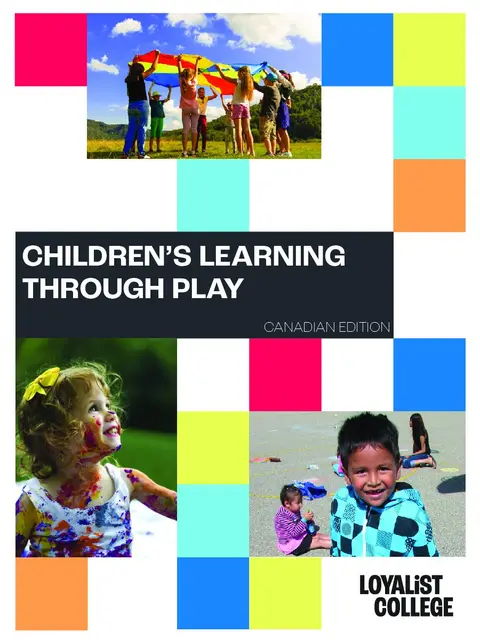 Early Childhood Education
Children's learning through play
View Children's learning through play — book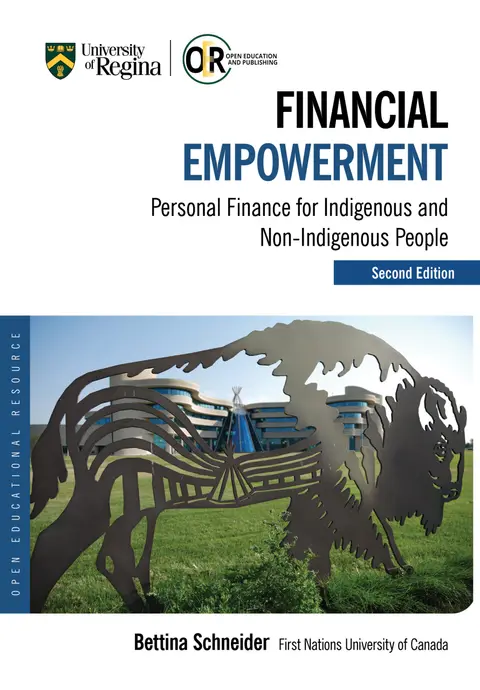 Budgeting and financial management
Financial Empowerment (2nd Edition)
View Financial Empowerment (2nd Edition) — book Conflict management
Navigating HR : The art of problem-solving and conflict resolution
View Navigating HR : The art of problem-solving and conflict resolution — book Algebra
Medical mathematics
View Medical mathematics — book #FunctionalAnalysis



