
Botany in Hawaiʻi
BiologyTextbook
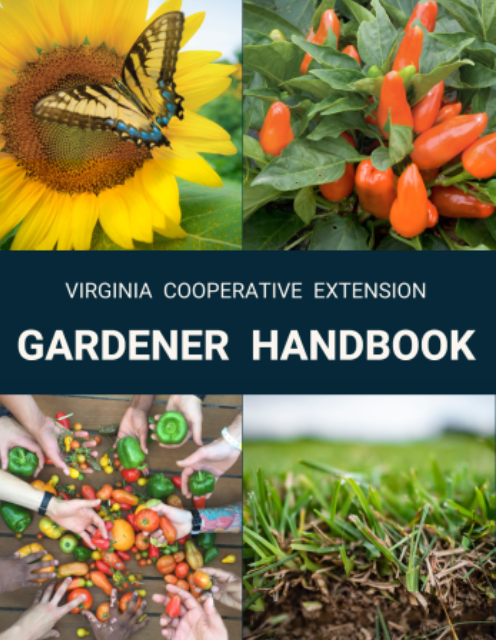
Virginia Cooperative Extension Gardener Handbook
Not rated yetRate this bookVirginia Cooperative Extension’s handbook develops a foundation in gardening and horticulture for Virginia. Its introduction connects scientific knowledge with local conditions and the work of community educators.
Free reading is available at the official source. Opens in a new tab.
 Free
About this book
About this book
The consulted handbook is the 2023 Virginia Cooperative Extension publication and the main training text for new Extension Master Gardener volunteers in Virginia. Its contents cover botany, soils, insects, plant disease, environmental stresses, and other gardening topics. The introduction places the manual within university extension work and encourages further reading after each chapter. This page reviews that introductory purpose, not every plant recommendation, pest-management practice, or regional example. Its Virginia setting is important when considering use elsewhere.
Sources and reading coverage
Publication and rights information and the introduction on PDF sheet 14 were reviewed alongside the contents. Individual horticultural recommendations were not comprehensively assessed.
Consult the official source for the available edition and publication details.
The consulted PDF contains 537 sheets, including preliminary material. PDF sheet numbers can differ from printed pagination.
Book summary
Guide to the reviewed opening
The introduction presents the handbook as a starting foundation rather than the end of learning. Readers are encouraged to follow chapter resources and deepen their understanding of topics relevant to their needs.
The manual also supports an educational role in a community. Extension volunteers connect university knowledge with local questions, and projects vary according to local needs. The value of a recommendation therefore depends partly on understanding the setting in which it is used.
The contents show the biological and environmental foundations behind later practical topics. Those chapters must be read for their detailed explanations. This guide does not turn a regional, dated textbook example into a universal gardening instruction.
How to study this book
Begin a plant or garden question with a record of the location, site conditions, observations, and timing. Separate a symptom you can observe from a diagnosis or explanation. Use the relevant source chapter to identify what information is still missing.
When comparing advice, check its region, date, and intended plant or setting. Consult current local extension guidance for practical recommendations, especially where regulation, pests, or product instructions may have changed.
Questions for reflection
- Which local conditions affect the question?
- What was observed and what is only a proposed explanation?
- Which source is appropriate for the region and date?
The study suggestions and questions are independent Academic Master editorial material.
About access & copyright
This page provides book information and study material. Full-text access is provided by the original publisher or authorised source; a listing does not grant permission to republish the book.
Read our Library Access & Copyright policyContext
Retain the handbook’s Virginia setting.
Observation
Separate symptoms and explanations.
Foundations
Connect practical questions with underlying science.
Learning
Follow relevant chapter references.
Reader ratings & reviews
Share your thoughts
Your review helps other students choose the right resources.
KEEP LEARNING
Your next great read
Biology
Geology Online Lab Activities: An Open Educational Resource for Community College Students and Instructors
Geology Online Lab Activities: An Open Educational Resource for Community College Students and Instructors
View Geology Online Lab Activities: An Open Educational Resource for Community College Students and Instructors — book Natural Sciences
Ecology for All!
View Ecology for All! — book Chemistry
Chemical Bonding and Organic Chemistry
View Chemical Bonding and Organic Chemistry — book Applied
COMPUTATIONAL PHYSICS: A Practical Introduction to Computational Physics and Scientific Computing (using C++)
View COMPUTATIONAL PHYSICS: A Practical Introduction to Computational Physics and Scientific Computing (using C++) — book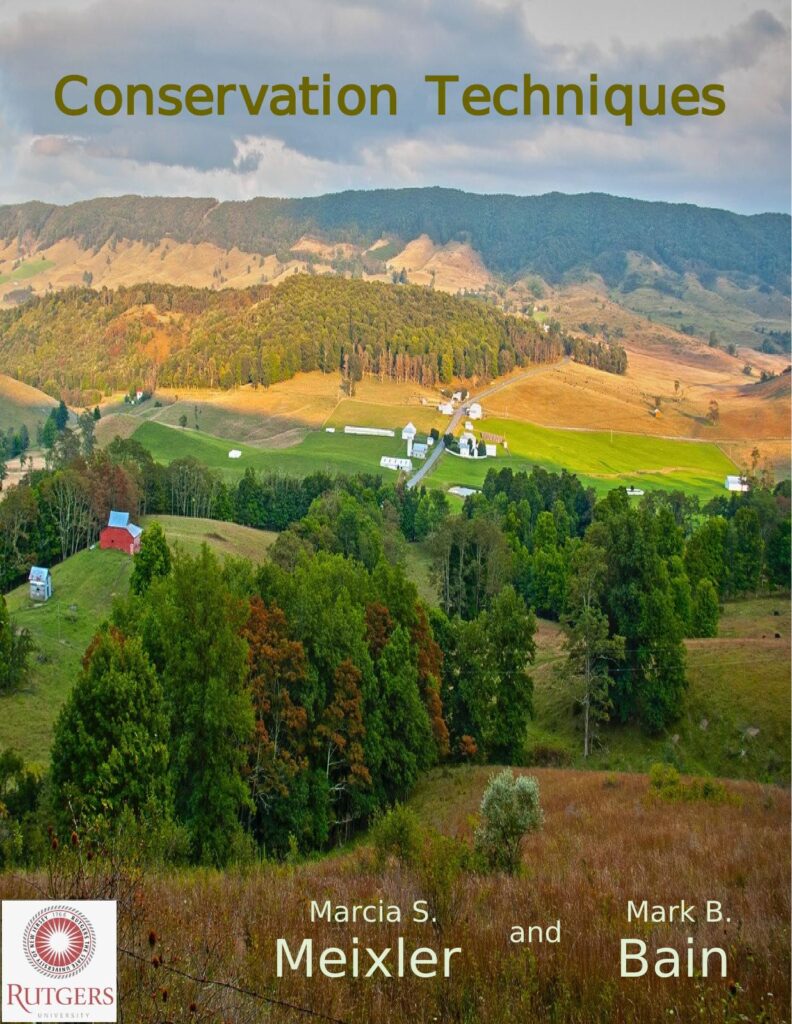 Natural Sciences
Conservation techniques
View Conservation techniques — book Earth Sciences
Introduction to Earth Science
View Introduction to Earth Science — book Chemistry
Laboratory Manual: General Chemistry I Honors
View Laboratory Manual: General Chemistry I Honors — book Biology
Microbiology for Earth Scientists
View Microbiology for Earth Scientists — book Chemistry



