
Botany in Hawaiʻi
ChemistryTextbook
Chemical Bonding and Organic Chemistry
Not rated yetRate this bookChemical Bonding and Organic Chemistry links foundational chemical reasoning with electronic structure, bonding, molecular shape, and introductory organic chemistry.
Free reading is available at the official source. Opens in a new tab.
 Free
About this book
About this book
The Thompson Rivers University CHEM 1500 collection is associated with Lindsay K. Blackstock, Sharon Brewer, and Bruno Cinel and is available through LibreTexts. Ten main sections progress from background concepts to atomic theory, periodic relationships, bonding, intermolecular interactions, organic structure, stereochemistry, conformations, and laboratory techniques.
The reviewed background material emphasizes chemistry’s connection with observable phenomena and the different representations used to explain them. It provides a starting point for studying the more specialized bonding topics in the course.
Book summary
Guide to the reviewed material
The opening section distinguishes macroscopic observations, microscopic explanations, and symbolic representations. A useful chemical account connects these levels without confusing them. Its discussion of scientific reasoning also asks readers to distinguish proposed explanations, descriptive regularities, and broader explanatory theories.
Study instructions
- Choose one familiar change in matter. Describe what could be observed directly before proposing a particle-level account.
- Draw a simple representation of the particles involved, then add an appropriate symbolic description. Explain what each representation conveys and what it leaves implicit.
- Keep a vocabulary record for hypothesis, law, and theory. Use the assigned examples to describe their roles rather than treating them as successive grades of certainty.
- As you move into bonding, connect each structural drawing with an explanation of electron arrangement and a prediction about behavior. Return to the background measurement lessons when units or uncertainty become relevant.
Questions for reflection
- What can a particle diagram explain that a visible observation alone cannot?
- Why must a symbolic equation be interpreted rather than memorized as a string of characters?
Sources and coverage
Reviewed the course contents, the Essential Ideas of Chemistry overview, and the Chemistry in Context subsection in Chapter 1. Later bonding and organic-chemistry sections are identified by their headings, not individually summarized.
Official book source; official PDF; reviewed section 1; reviewed section 2.
About access & copyright
This page provides book information and study material. Full-text access is provided by the original publisher or authorised source; a listing does not grant permission to republish the book.
Read our Library Access & Copyright policyChemical representation
Connect observations, particles, and symbols.
Scientific concepts
Distinguish explanatory and descriptive roles.
Preparation for bonding
Use foundational ideas to interpret later structural models.
Reader ratings & reviews
Share your thoughts
Your review helps other students choose the right resources.
KEEP LEARNING
Your next great read
Biology
Geology Online Lab Activities: An Open Educational Resource for Community College Students and Instructors
Geology Online Lab Activities: An Open Educational Resource for Community College Students and Instructors
View Geology Online Lab Activities: An Open Educational Resource for Community College Students and Instructors — book Natural Sciences
Ecology for All!
View Ecology for All! — book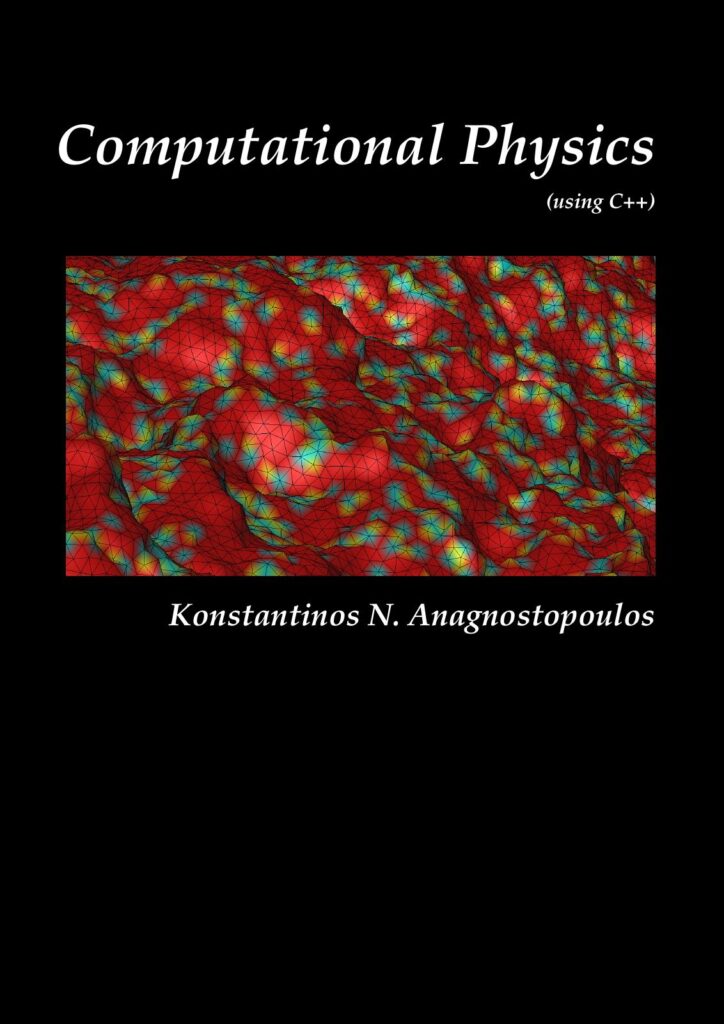 Applied
COMPUTATIONAL PHYSICS: A Practical Introduction to Computational Physics and Scientific Computing (using C++)
View COMPUTATIONAL PHYSICS: A Practical Introduction to Computational Physics and Scientific Computing (using C++) — book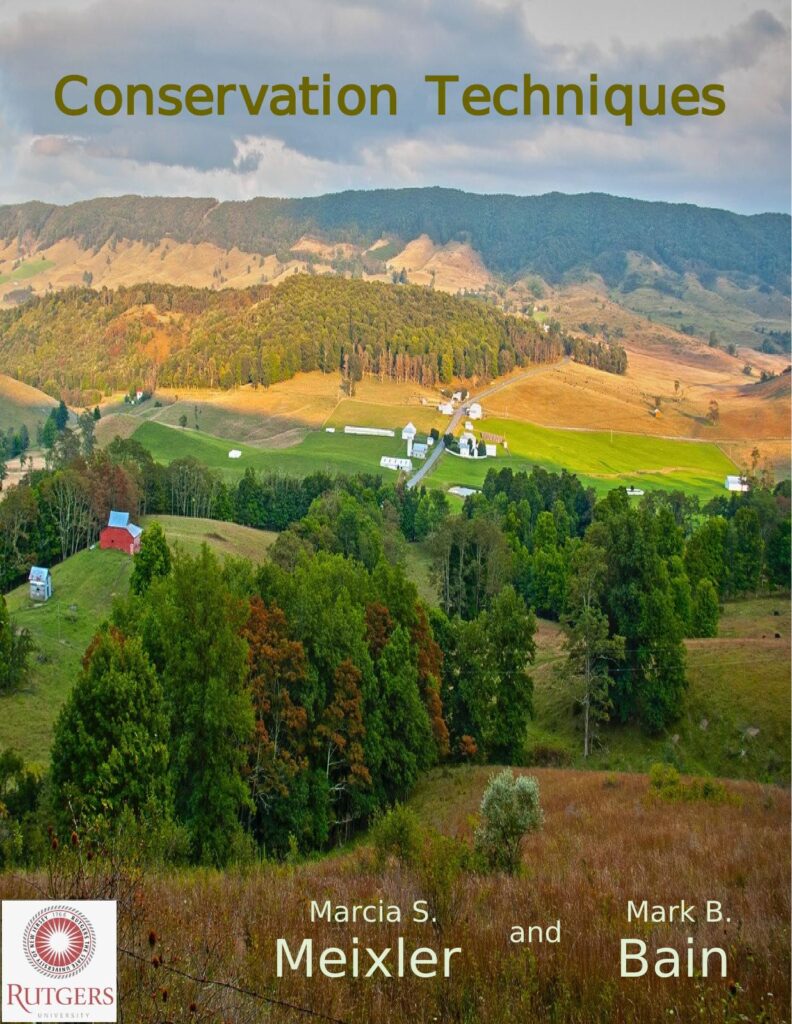 Natural Sciences
Conservation techniques
View Conservation techniques — book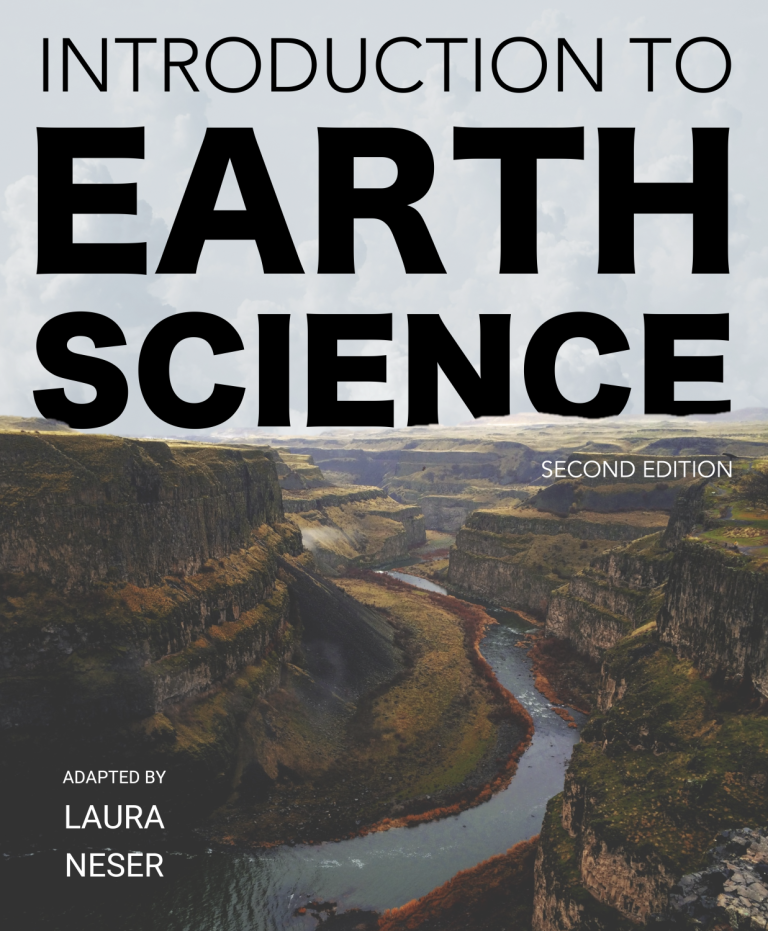 Earth Sciences
Introduction to Earth Science
View Introduction to Earth Science — book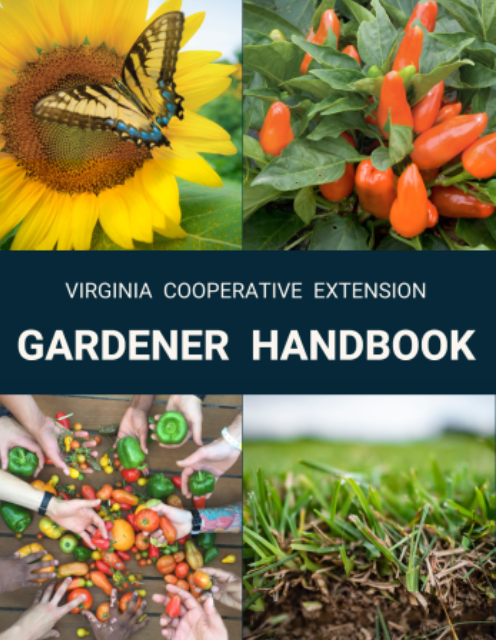 Biology
Virginia Cooperative Extension Gardener Handbook
View Virginia Cooperative Extension Gardener Handbook — book Chemistry
Laboratory Manual: General Chemistry I Honors
View Laboratory Manual: General Chemistry I Honors — book Biology
Microbiology for Earth Scientists
View Microbiology for Earth Scientists — book Chemistry



