
Abstract
This paper aims to investigate the potential for the preparation of SiC-TiO2 nanoceramic composites and their potential applications in landscape design. In this study, SiC-TiO2 nanocomposites were synthesized using a controlled process, leveraging the unique properties of silicon carbide (SiC) and titanium dioxide (TiO2) nanoparticles. The preparation of SiC-TiO2 nanoceramic composites represents a significant challenge in materials science and holds immense potential for revolutionizing landscape applications. A ceramic composite is made by sintering a mixture of silicon carbide (SiC) and titanium dioxide (TiO2) nanoparticles. The nanoceramic composite is compressed in a sintering crucible under a heating rate of 50 ℃/min under a vacuum pressure of about 30 MPa. A pressure of 25 to 30 MPa and a sintering temperature of 1500 to 1800°C have been used. The resulting SiC-TiO2 nanoceramics demonstrate significant physical and mechanical properties enhancement and are highly suitable for a variety of landscaping applications. The density, porosity, microhardness, flexural strength, and hardness of the prepared nanoceramics were studied. By exploring their exceptional durability, resistance to harsh environmental conditions, and mechanical strength, these nanoceramics have the potential to revolutionize their applications. The results of this synthesis of SiC-TiO2 nanoceramics are expected to provide insight into their promising applications in creating sustainable, visually stunning, and low-maintenance landscapes that thrive in diverse outdoor environments.
Keywords: Nanoceramic composites, SiC-TiO2 synthesis, sintering, Nanoparticle incorporation, Mechanical strength and Environmental durability, Landscape applications.
Introduction
Nanoceramics are ceramic materials composed of structural units, such as grains or crystallites, with a minimum size of 100 nm or less. Their mechanical characteristics include high strength, durability and fatigue behaviour [1]. Chemical compatibility is necessary to prevent particles from dissolving in the melt while maintaining adhesion to the matrix. The particles’ melting temperature should be significantly higher than that of the matrix, as is commonly the case with ceramic particles [2]. The properties of parts fabricated by 3D printing (3DP) are influenced by microstructural inhomogeneity arising from differences in cooling rates during point-by-point, line-by-line or layer-by-layer deposition. These differences can cause microstructural defects. High manufacturing costs also constrain the industrial applicability of nanoceramic parts produced by 3DP [3].
Materials made of silicon carbide (SiC) offer excellent properties like strength at high temperatures and resistance to creep, wear, and oxidation. SiC’s mechanical characteristicsistics, dependability, and efficient technique for mass-producing parts with complex shapes all play a role in its applications for modern engines [4]. Due to its greater qualities, including its extensive bandgap, outstanding oxidation resistance, low density, high melting point, high thermal conductivity, high chemical inertness, chemical stability, good microwave absorption capacity, and high mechanical strength, silicon carbide (SiC) is a leading candidate for a variety of applications [5]. SiC vertical power devices, which are suitable for high-voltage and high-current processes, have been established because a high-purity SiC epitaxial layer on a low-resistivity n-type SiC wafer can be prepared easily, though SiC lateral power devices also show potential for high-voltage power integrated circuits in the future [6]. SiC/SiC composites are fabricated using a variety of techniques, and they can be divided up based on how the matrix is fabricated. These methods include chemical vapor infiltration (CVI) and reactive melt infiltration (RMI), hot pressing, precursor infiltration, and pyrolysis (PIP). PIP and CVI are the two procedures that are most frequently used [7]. SiC/SiC mini composites’ matrix cracking and fibre fracture are characterized by an X-ray microtomography tensile test [8]. Before making the SiC/SiC composites, the sizing on the Fibers is removed using a heat procedure [9]. If the material can endure high-dose neutron irradiation at high temperatures, many of the SiC/SiC composites proposed for nuclear applications may increase component service life. For light water reactor cladding, the application temperature is 300 °C; for fusion blanket structures, it is 1000 °C [10].
Titanium dioxide (TiO2) is an inorganic compound frequently used as a white pigment. Compared with other inorganic pigments, it offers stability, non-toxicity and a low cost. Anatase and rutile are the TiO2 crystal forms used as pigments [11]. Limitations of TiO2 photocatalysis include nanoparticle aggregation, restricted light absorption due to its band gap and rapid electron–hole (e-/h+) recombination. Combining adsorption with photocatalysis can draw on the advantages of both processes: porous adsorbents provide a large surface area at a low cost, while strongly oxidising charge carriers mineralise organic pollutants [12]. TiO2 particles for pigment applications must be approximately 250 nm in size. Early pigment applications showed that some painted films faded more quickly when exposed to sunlight and ultraviolet (UV) light. Inorganic coatings such as alumina or silica can reduce surface catalysis and improve weather resistance, supporting the widespread use of TiO2 as a white pigment. Approximately 6 million tons of TiO2 pigment were sold worldwide in 2017, and the market has continued to grow [13]. TiO2 occurs in anatase, rutile and brookite structures, with anatase having the greatest applicability among these phases [14]. Numerous methods are used to prepare TiO2 nanoparticles, including sol-gel, hydrothermal, solvothermal, micelle and inverse-micelle methods, liquid-phase deposition, chemical vapour deposition, direct oxidation, reactive sputtering and electrodeposition. Researchers often use sol-gel synthesis because it is simple, environmentally safe and affordable [15].
The present work examines the microstructural and mechanical characteristics of reinforced TiO2 and compacted SiC dispersoids [16]. Low-temperature sintering, high density and suppression of excessive matrix grain growth are important characteristics of nanoparticle-reinforced ceramic-matrix composites. Improving composite properties therefore requires control over particle size distribution and dispersion in the matrix [17]. SiC-TiO2 has been used as a catalyst for degrading methylene blue and indigo carmine dyes [18]. Research has also examined natural-rubber composites containing titanium dioxide and silicon carbide. Different filler ratios were used to assess changes in the physical and mechanical properties of natural rubber before and after adding SiC and TiO2 [19]. Light substrates should offer practical handling, stability and environmental compatibility. Cap, Liapor and Sorbix were the three substrates selected for photocatalytic testing. Supports coated with an immobilised SiO2/TiO2 composite film were evaluated in laboratory and outdoor conditions [20]. The aim of the present research is to develop SiC-TiO2 nanoceramic composite materials for landscape design.
The major contribution of this research work is
To Prepare the nanoceramic Composite: The common material used in this technique is silicon carbide (SiC) and a titanium dioxide (TiO2) in the form of nanoceramic particles. These two materials combined together to form a composite filament material for the design.
To Develop the Sample Preparation: The sample preparation of SiC-TiO2 nanoceramic composite material is manufactured according to the various mechanical testing standards for testing the materials.
Method of preparation: The sample preparation was done by sintering method. In this sintering process the forming of solid mass of material through heat and pressure without melting to the point of liquefaction this prepared sample is used as the landscape design
To Quantify Enhanced Mechanical Properties: Through analysis and quantification of mechanical properties (Density, Porosity, Microhardness, flexural strength, Fracture toughness and Corrosion resistance) of SiC-TiO2 composite filaments, demonstrating improvements over conventional filaments.
Literature Review
Fahy et al. 2020 [21] said that the goal of this paper is to give a thorough overview of the commercially available polymers as well as current developments in the creation of innovative polymer composites, particularly polymer nanocomposites for four AM methods: FFF, SLS, MJF, and SLA. Increasing the material performance range through the progress of polymer nanocomposites for additive manufacturing (AM) paves the path for the manufacture of multipurpose components with greater design freedom. The goal of additive manufacturing (AM) should be to enhance and supplement traditional production methods rather than to totally replace them. Designers must develop fresh design techniques in order to fully utilize AM. Many industries, including but not limited to the oil and gas, aerospace, automotive, and medical areas, can benefit from this.
Drawbacks: The AM materials portfolio must continue to grow. The majority of polymer types used in modern AM materials, including ABS and nylon, are polymers. It is necessary to investigate the compatibility of unreported or innovative polymers with various AM techniques. New polymer composites and polymer nanocomposites, as well as their processing, structure, and performance relationships in the context of additive manufacturing (AM), will make it easier to find lightweight, stronger and multifunctional materials, significantly enhancing AM’s potential. Continuous fibre reinforcement and polymer nanocomposites can be used to produce solid AM components with improved interlaminar strength.
M., Girish et al. 2021 [22] review concentrates on providing a thorough summary of ceramic materials, their groupings, properties, and 3D-printed composite ceramic materials. They then discuss the state-of-the-art in silicon carbide, plus its construction, polytypes, assets, and defects. Additional multidisciplinary uses of SiC nanoarchitectures, such as photocatalysis, membrane technology, gas-chemical sensing, field emission transistors, nanoelectronics, medical implants, biosensing, and other fields, have been comprehensively compiled.
Drawbacks: Furthermore, it is challenging to manage the mechanical properties, degradation and pore size, and surface features of manufactured structures since the scaffold employed is comparable to that of the suitable bone. The majority of SiC-based nanomaterials for biomedical applications are currently in the research or testing stages, and it will take some time before their practical clinical applications are realized.
Qinglong, A.N et al. 2021 [23] reviewed the extensive literature study on the machining of (Fiber reinforced SiC ceramic matrix composites) FRCMCs-SiC. The FRCMCs-SiC’s interfacial mechanical characteristicsistics, defect shape, and material removal process were compiled. The machining procedures for FRCMCs-SiC were described, and their individual benefits and drawbacks were contrasted. Due to FRCMCs-SiC’s low machinability (high rigidity, high brittleness, fine structure, and assortment), initial tests have demonstrated that ultrasonic and laser machining techniques have distinct advantages in reducing force and tool wear, enhancing machining quality, and increasing machining efficiency.
Drawbacks: Although the weak Fiber-matrix interface helps to increase the material’s durability, it can be difficult to evade interface imperfections during machining. A thorough investigation of the material elimination process can help with comprehension of the processes that produce machined surfaces and offer suggestions for preventing machining errors. There aren’t many studies in this area, thus it’s unclear how the residual stress of the machined surface affects the service performance of FRCMCs-SiC parts.
Wang, J. et al. (2020) [24] reviewed the ruggedness and reliability of commercial SiC MOSFETs (silicon carbide metal-oxide-semiconductor field-effect transistors), identified causes of failure and degradation, and proposed mitigation strategies. The review discusses short-circuit (SC), avalanche and other failure mechanisms. Reliability concerns include gate oxide behaviour, degradation under high-temperature bias stress, repeated SC stress, avalanche stress, power cycling and body-diode surge-current stress. It also considers techniques for improving reliability and ruggedness.
Drawbacks: SiC MOSFETs have substantially higher avalanche energy per area than their Si IGBT (Insulated gate bipolar transistors counterparts), but for their smaller chip sizes, SiC MOSFETs have similar avalanche energy to IGBTs. Instead of the parasitic BJT (Bipolar junction transistor) latch-up occurring during an avalanche state, the inherent semiconductor temperature limit is what causes SiC MOSFETs to fail.
Tuci, G. et al. (2021) [25] reviewed the production and catalytic applications of macro- and mesoporous SiC materials. The review highlights their properties as effective, affordable and scalable heterogeneous catalysts, including applications where traditional oxide-based supports have been unsuccessful. SiC catalysis is examined in relation to specific chemical reactions, with attention to gains in activity, selectivity and process sustainability.
Drawbacks: There is no ambiguity about the solution to the issue provided in title given the range of catalytic reactions described in the article. We’ll let our readers come to their own judgments. A discussion of the significance of this non-oxide substance in catalysis and its future catalytic processes have potential.
Mohsin, M.H et al. 2021 [26] reviewed how as a function of the laser wavelengths used, the structural, morphological and optical characteristics of the deposited nanostructure SiC were created and analyzed. The structural outcome displays the four unique peak planes associated with Nano SiC. According to the transmission results, the optical energy gap for the SiC nanostructure depends on the laser’s wavelength and is often observed in the range of 3.03 eV to 3.23 eV. According to SEM and AFM analysis, the produced SiC nano-films have a particle size range of 36.34–48.75 nm and a roughness of 4.462–3.062 nm. At 532 nm, SiC/Si hetero-junction devices exhibit improved performance.
Drawbacks: As the laser wavelength grows, the heterostructure values of the deposited nano-SiC films rise, and shifts towards the blue region were demonstrated for SiC nanofilms created at short laser wavelength. Two response peaks were present, at wavelengths of 375 nm and 715 nm, respectively, according to the device performance data.
Qutub, N. et al.2022 [27] explained that the experiment’s objective is to dope CdS (Cadmium Sulphide) nanocomposites to increase the photocatalytic efficiency of TiO2 in the visible range. In the process of photocatalytically degrading the dye AB-29, the results showed that CdS-TiO2 nanocomposites had the maximum photocatalytic activity and a specific percentage of efficiency. While CdS and TiO2 show lower percentages after a few hours of exposure to visible light, respectively. When compared to the published decolorization rates of CdS and TiO2, the experimental decolorization rate of AB-29 for CdS-TiO2 photocatalyst is also greater. As a result of better charge separation and delayed recombination of TiO2 in response to the higher photocatalytic efficiency of CdS-TiO2, charge carrier recombination has been decreased.
Drawbacks: A mixed crystalline phase was found in all TiO2 models. The micrographic examination showed that circular bunches were produced, and that as the Ti precursor concentration decreased, so did the diameters of these clusters. The absorption spectra showed a modest blue shift with the drop in Ti precursor concentration, and as a result, a minor increase in the bandgap energies of TiO2 NP was seen. As a result of TiO2 being photoactive under UV light and CdS being discovered to be photo corroded during vapor-permeable processes, an effort was made to combine the advantageous qualities of both CdS and TiO2 while diminishing their drawbacks. This led to an improvement in the photocatalytic response for the degradation of the organic dye AB-29.
Gohari, G et al.2020 [28] reviewed in comparison to Moldavian balm cultivated under salinity without TiO2 NP (nano particle) treatment, TiO2 NPs application enhanced all agronomic parameters and elevated antioxidant enzyme activity. TiO2 nanoparticle application considerably reduced H2O2 content. Additionally, plants treated with TiO2 NP under control conditions had the highest essential oil content. The results of a thorough GC/MS study of essential oils revealed that geranial, z-citral, geranyl acetate, and geraniol were the main constituents.
Drawbacks: It’s interesting that using high concentrations of TiO2 caused toxic effects in certain parameters. This is probably due to NP accumulation at high concentrations, which raises the level of ROS (reactive oxygen species). As a result, TiO2 may act as a catalyst for the activation of the enzymatic defense system and a inducer of the production of secondary metabolites (such as essential oils), ultimately improving plant performance under both control and stress circumstances and acting as a capable stress-protective and growth-promoting molecule.
Li, R et al.2020[29] explored the utilization of various materials for TiO2 alteration is discussed in this review, with an emphasis on current advancements in the synthesis and use of TiO2 composites made from various materials. Non-metallic and metallic materials can be distinguished in the article. TiO2‘s improved catalytic efficiency after modification is reviewed along with potential future uses for modified TiO2.
Drawbacks: The system has one type of pollutant, in contrast to the complicated mixture of components that make up real pollutants. Between material exploration and application studies for real-world use, there are gaps. It is unknown if altered TiO2 is capable of performing well. While altered TiO2 has the ability to remediate pollutants, the majority of the studies considered for this appraisal were conducted on a lab scale.
Zhang, W et al.2020 [30] reported that the general synthesis methods for hierarchically mesoporous TiO2 materials are reviewed in the first part. The associated mechanisms and essential elements for the controlled synthesis are also emphasized. The uses of hierarchically mesoporous TiO2 materials for energy storage and environmental protection, including catalyst support, photocatalytic fuel generation, photoelectrochemical water splitting, photocatalytic pollutant degradation, photocatalytic oil production for lithium-ion batteries, and photocatalytic sodium-ion batteries, are then debated
Drawbacks: In order to achieve the precise synthesis of hierarchically mesoporous TiO2 materials with desired structures at the millimicron, even sub-nanoscale, the synthesis procedures and mechanisms for these materials need to be additional thoroughly understood at the atomic level. Therefore, it is crucial to develop methods for tracking the growth of hierarchically mesoporous TiO2 materials in solution in real time and real space.
Problem Statement
It has been found that little attention has been paid to finding a reliable and scalable method for synthesizing SiC-TiO2 nanoceramic composites with precise control over the dispersion and distribution of nanoparticles in the ceramic matrix. Understanding the optimal mixing ratios, nanoparticle sizes, and sintering conditions is critical to achieving the desired mechanical strength, resistance to environmental factors, and aesthetic properties required for natural applications. Evaluating the environmental friendliness and sustainability of these nanoceramic composites is essential because natural applications demand materials that can withstand mechanical strength and harsh outdoor conditions while minimizing their environmental impact. Hence this study on SiC-TiO2 nanoceramic composites investigates in detail the mechanical strength and ability to withstand external conditions.
Materials and Methods
Materials
Silicon Carbide (SiC) with 50 nm, Titanium Dioxide (TiO2) Anatase, ethanol, titania (TiO2). Metal alkoxides and Boron carbide (B4C) were used in this experimental study. All chemicals are purchased from EPRUI Nanoparticles & Microspheres Co.Ltd, China.
Sample Preparation
The preparation of SiC-TiO2 nanoceramic composites involves a sophisticated process aimed at combining the unique properties of silicon carbide (SiC) and titanium dioxide (TiO2) nanoparticles. Equal amounts of SiC and TiO2 nanoparticles were used for this experiment. First SiC nanoparticles of 50 nanometers and TiO2 nanoparticles, especially in the anatase phase, were dispersed in ethanol by ultrasonication to ensure homogeneous mixing. Titania (TiO2) metal alkoxide binder is added to this mixture to promote particle bonding, while boron carbide (B4C) is added for sintering. The mixture is moulded into 50 mm x 50 mm billets of 5mm thickness in a square shape and then undergoes a controlled sintering process in furnaces to consolidate these nanoparticles into a dense nanoceramic composite. Sintering is considered an important step in forming the material based on the desired properties. The prepared billets were placed in a sintering crucible inside a controlled atmosphere furnace and hot pressed. To evaporate oxide pollution, the material was preheated at a vacuum pressure of about 30 Pa under a heating rate of 50 ℃/min. Particle bonding was promoted at a controlled temperature of about 1500 ℃ to 1800 ℃ with a gradual increase in temperature. A pressure of 25 to 30 MPa was used for densification. The particle structure was then maintained at the same temperature and without pressure for a certain time (around 2 hours) to stabilize the structure. After sintering, the sample is slowly cooled to room temperature to minimize thermal stress. Schematic diagram of SiC-TiO2 nano ceramic sample preparation is presented in Figure 1.
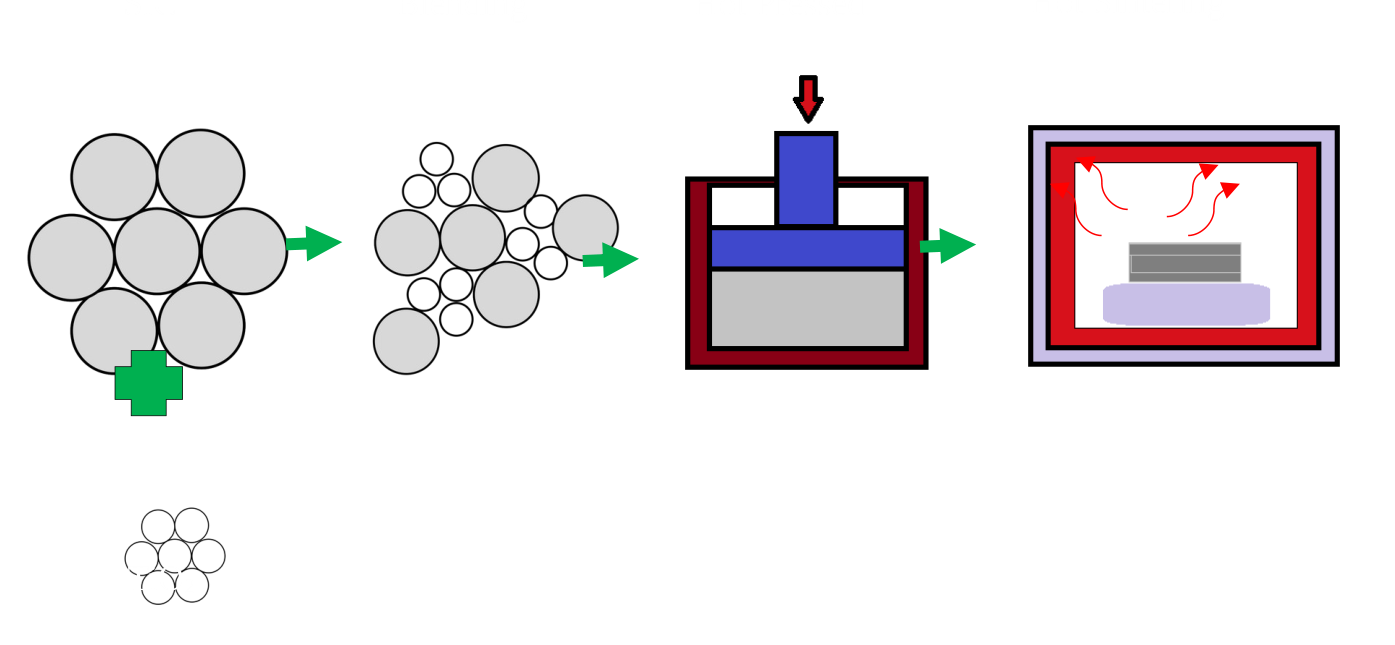
Diagram labels: SiC; TiO2; Blending; Hot Pressed; Hot Sintering.
Figure 1: Schematic diagram of SiC-TiO2 nano ceramic sample preparation
Process parameters
Samples with four different parameters were used for this entire experiment. The parameter details of the samples used are provided in Table 1.
Table 1: Processing parameters for the experiments
Sample Number | Sintered Temperatures (℃) | Compaction Pressure (MPa) |
1 | 1500 | 25 |
2 | 1500 | 30 |
3 | 1800 | 25 |
4 | 1800 | 30 |
Density Measurement
The density of the billets was measured in vacuum and distilled water. An Accu Pyc 1330 gas-displacement pycnometer was used to measure the density of the SiC-TiO2 nanoceramic composites by calculating changes in helium pressure within a measured volume. Its accuracy was ±0.001 g/cm3. The nanocomposite sample was weighed in air to determine its mass under normal conditions, then immersed in distilled water. Under Archimedes’ principle, the immersed sample displaces an equivalent volume of liquid. Density was calculated from the resulting change in weight.
Porosity Measurement
Porosity testing was performed on SiC-TiO2 ceramics for process quality and landscape applications. The general mercury infiltration method was followed for porosity testing. The amount of pressure was increased by using mercury as a penetrating fluid on the ceramic specimen. Mercury penetrates into open pores and voids due to the increased pressure effect. The amount of mercury infiltrated was recorded and the pore volume and total porosity were calculated.
Micro Hardness Measurement
A Vickers indenter was positioned on the surface of a square-shaped diamond pyramid specimen. A load of 0.1, 0.2, 0.5, 1, and 5 kgf was used for this test. The indenter is held in place for a specified dwell time, allowing for the formation of an indentation. After removing the load, the diagonal lengths of the resulting indentation are measured using a high-resolution microscope. Using the measured diagonal lengths, the Vickers hardness number is calculated. This process is repeated several times at various locations on the surface of the sample to ensure reliability. An illustration diagram of the Vickers hardness experiment is presented in Figure 2. Hardness Vickers Number (HVN) was calculated using the equation (1).
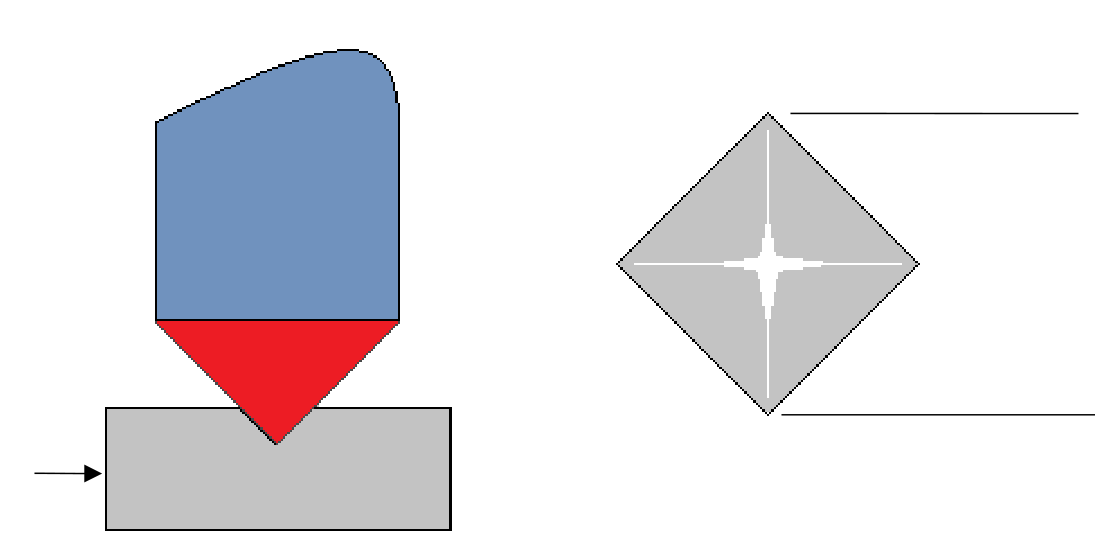
Diagram labels: Sample; Square-based pyramidal indenter; d1; d2; D.
Figure 2: Illustration diagram of the vickers hardness experiment.
HVN=(F)/(A)=(F)/((d2)/(2)Sin ((136°)/(2)))=1817.2((F(g))/(d2(µm2))) | (1) |
Here, HVN is the Hardness Vickers Number, F is the load applied on the specimen, A is the area of the indentation, and d is the average of two diagonals.
Three-point Flexural Measurement
ASTM C1161 standard was followed for this study. The specimens were placed in the three-point bending device of the Universal Testing Machine (UTM) in perfect horizontal alignment. Loading is applied at a controlled rate of 0.5 to 2 mm/min until sample failure is reached. During the test, the maximum load and corresponding displacement data were recorded. An illustration diagram of the three-point flexural test is presented in Figure 3. Equations (2,3) used for flexural testing.
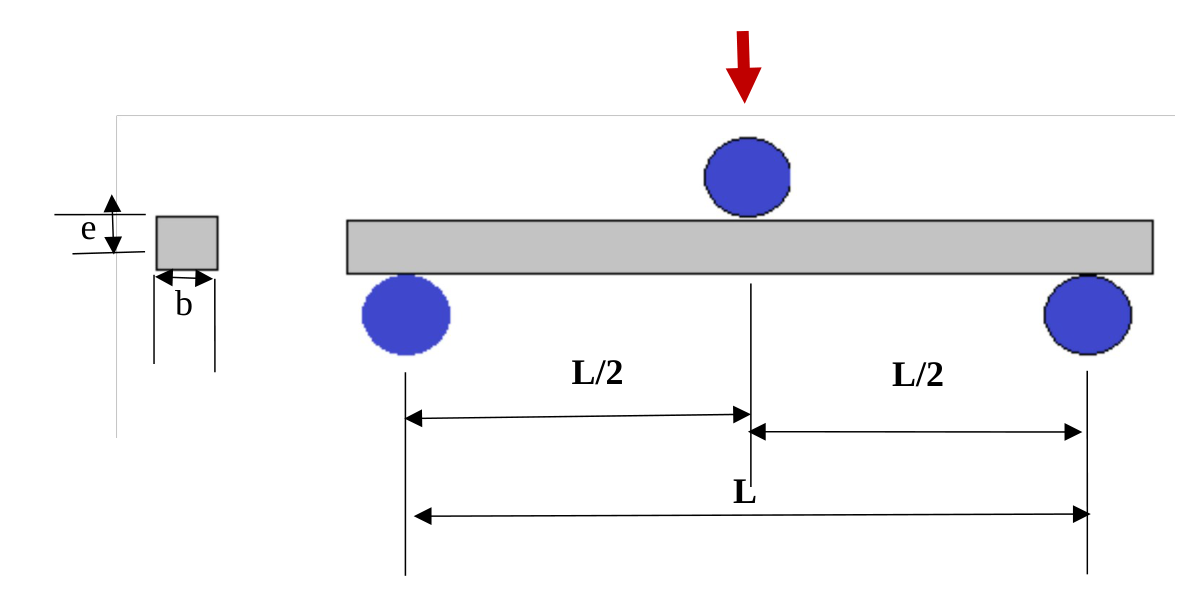
Figure 3: Illustration diagram for the three-point flexural test.
σmax=(3PL)/(2be2) | (2) |
E=(L3m)/(4be3) | (3) |
Where P is the load applied on the specimen, L is the width of the supporting pin, b is the cross-section sample width, and e is the sample thickness, and m is the slope of the load.
Wear Measurement
Cylindrical specimens of 12 mm height and 6 mm in diameter were used for this study. The test followed ASTM G-99. A pin-on-disc wear and friction tester was used to study the wear and friction behaviour of SiC-TiO2 materials in sliding contact. The test was conducted with a load of 30 N at a speed of 300 rpm and a wear rate of 3 mm/s.
Results and Discussions
Density and Porosity Analysis
The influence of sintering temperature and compression pressure on the density and pressure values of SiC-TiO2 nanoceramics was studied. The density and porosity values of SiC-TiO2 nanoceramic composite as a function of sintering pressure results are presented in Figure 4.
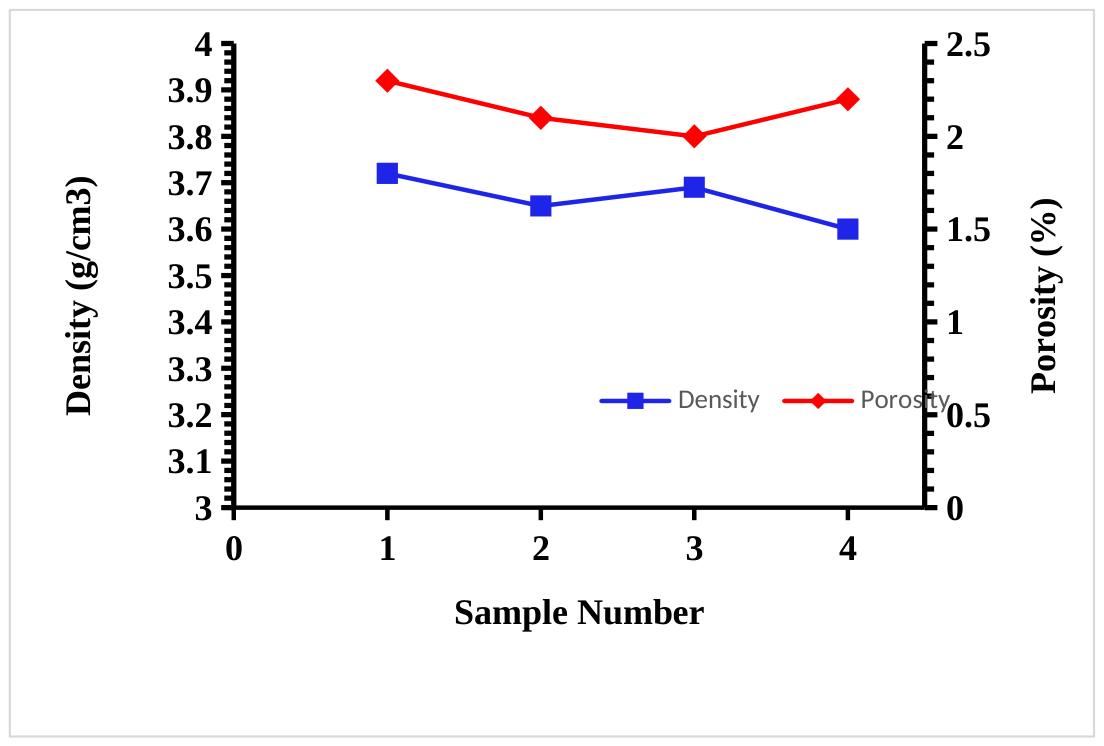
Figure 4: Density and porosity values of SiC-TiO2 nanoceramic composite as a function of sintering pressure
The influence of sintering temperature and compression pressure on density values of SiC-TiO2 nanoceramics was studied. At a sintering temperature of 1500 °C and a compression pressure of 25 GPa, the study reported a density value of 3.72 g/cm³. Similarly, at the same sintering temperature of 1500 °C but under a slightly higher compressive stress of 30 GPa, the density value decreased to 3.65 g/cm³. Moving to a higher sintering temperature of 1800 °C at a compression pressure of 25 GPa, the density value increased to 3.69 g/cm³. Finally, at the same high sintering temperature of 1800 °C and compression pressure of 30 GPa, the density value slightly decreased to 3.60 g/cm³. Regarding the porosity value, at 1500 °C and 25 GPa compressive stress, the measured porosity value is 2.3%. When the same sintering temperature of 1500°C was maintained but with an increased compressive stress of 30 GPa, the porosity value decreased slightly to 2.1%. Focusing on a higher sintering temperature of 1800 °C while keeping the compressive stress at 25 GPa gave a porosity value of 2%. Finally, at a higher sintering temperature of 1800 °C and a compressive stress of 30 GPa, the porosity value increased slightly to 2.2%. Higher sintering temperature generally contributes to lower porosity values and is reflected in the lower porosity value observed at 30 GPa compared to 25 GPa at 1500 °C. The findings underscore the importance of precise control over sintering temperature and pressing pressure to maintain the porosity of SiC-TiO2 nanoceramics, which supports the results of previous studies [7,28].
Micro Hardness Analysis
The microhardness study of SiC-TiO2 nanoceramics showed distinct trends in microhardness values when varying sintering pressure and temperature. The microhardness values of the obtained SiC-TiO2 nano-ceramic composite as a function of different sintering pressures are presented in Figure 5.
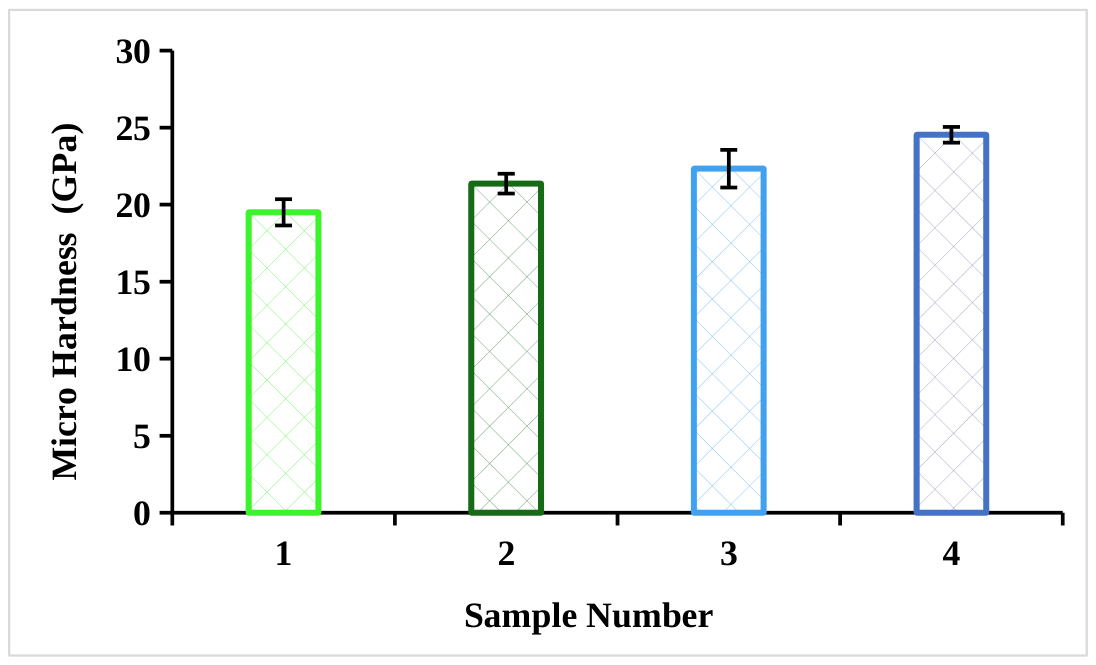
Figure 5: Microhardness values of SiC-TiO2 nanoceramic composite as a function of sintering pressure
In particular, nanoceramics prepared under low sintering pressures and low temperatures exhibited low microhardness values. 19.5 and 21.3 GPa showed lower microhardness values at 1500 °C (samples 1 and 2). 22.3 and 24.5 GPa showed higher values of microhardness at 1800 °C temperature (samples 3 and 4). This trend is consistent over the range of sintering conditions tested. At lower sintering pressures, the particles in the ceramic matrix are less densely packed, leaving more voids and increasing the likelihood of pore formation. Also, low sintering temperatures limit the diffusion of atoms and ions in the ceramic matrix, preventing the formation of strong atomic bonds. This reduced bond strength results in a softer material with lower microhardness. Enhanced nucleation at higher temperatures promotes dense packing of particles, reduces porosity, and increases microhardness [16,19]. Higher temperatures generally lead to increased density values, which supports the results of previous studies [7-9]. At higher temperatures, this facilitates enhanced atom diffusion and rearrangements in the ceramic matrix, promoting dense packing of the particles. As a result, the sintering temperature of 1800 °C gave higher density as compared to 1500 °C regardless of compression stress.
Flexural Strength Analysis
In this study on SiC-TiO2 nanoceramics, flexural strength and fracture toughness tests were conducted to evaluate the material’s resistance to crack propagation under various sintering conditions. The flexural strength and fracture toughness values of SiC-TiO2 nanoceramic composite as a function of sintering pressure are presented in Figure 6.
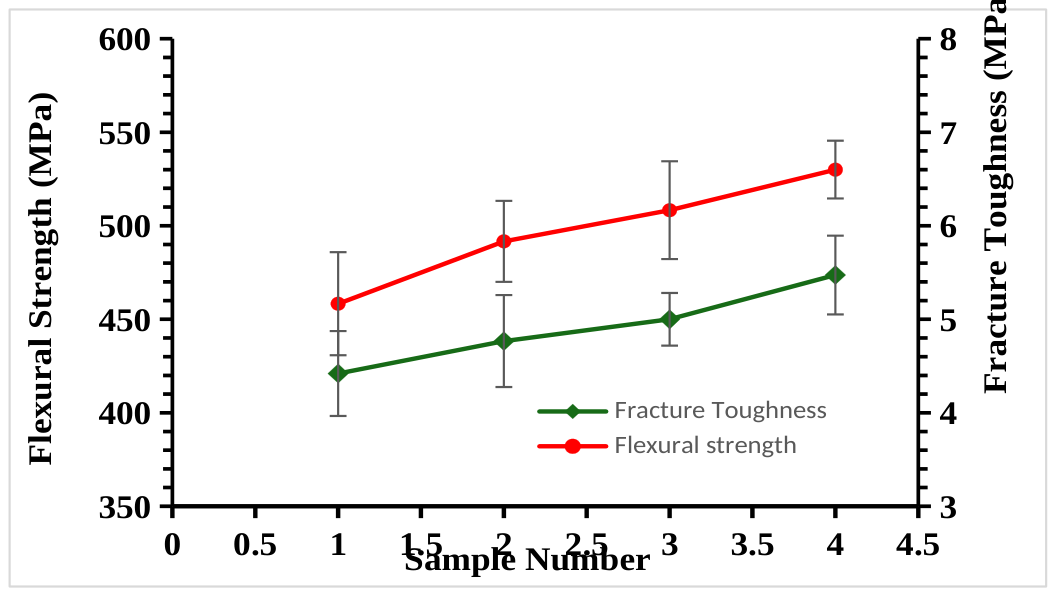
Figure 6: Flexural strength and Fracture toughness of SiC-TiO2 nanoceramic composite as a function of sintering pressure.
Increasing the sintering temperature resulted in improved flexural strength in SiC-TiO2 nanoceramic composites, which was 450 MPa in sample 3 and 473.6 MPa in sample 4. At higher temperatures, it is easier for ceramic particles to achieve the atomic rearrangements necessary for strong bonding. These results in a denser microstructure with fewer defects, leading to higher flexural strength. Low sintering temperature reduces flexural strength. At 1500 °C and 25 GPa compressive stress, the measured fracture toughness is 5.16 MPa√m. When the sintering temperature was kept constant at 1500 °C and the compressive stress increased to 30 GPa, the fracture toughness increased to 5.83 MPa√m. Increasing the sintering temperature to 1800 °C while maintaining a compressive stress of 25 GPa resulted in a further improvement in fracture toughness, with a value of 6.16 MPa√m. Finally, at a higher sintering temperature of 1800 °C and a compressive stress of 30 GPa, the fracture toughness reached its maximum value of 6.6 MPa√m. Higher sintering temperatures result in a denser microstructure with fewer defects and provide improved bonds, which supports and agrees with the previous studies [28-30].
Wear Strength Analysis
In wear strength studies on SiC-TiO2 nanoceramics, tests to evaluate the material’s resistance to wear under different sintering conditions provided consistent results. The wear strength values of SiC-TiO2 nanoceramic composite as a function of sintering pressure are presented in Figure 7.
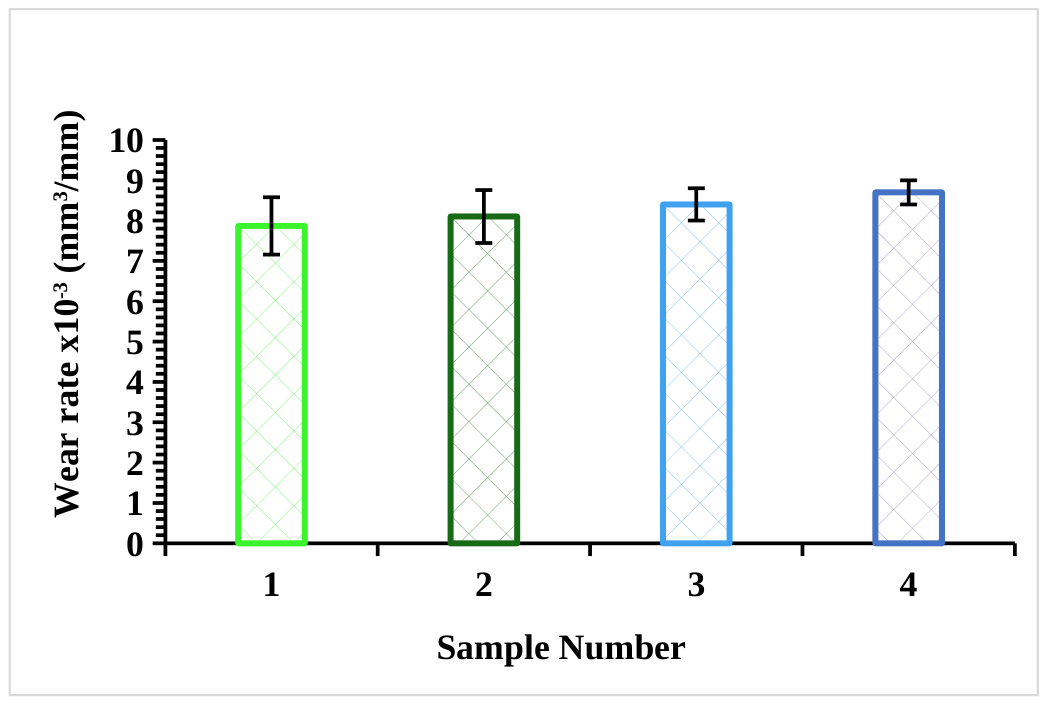
Figure 7: Wear strength of SiC-TiO2 nanoceramic composite as a function of sintering pressure.
At a relatively low sintering temperature of 1500 °C and a compressive stress of 25 GPa, the measured wear strength was 7.86 x 10⁻³ mm3/mm. In contrast, when the nanoceramics were subjected to a higher sintering temperature of 1800 °C and a compressive stress of 30 GPa, the wear strength exhibited an improvement of 8.7 x 10⁻³ mm3/mm. When the sintering temperature was raised from 1500 °C to 1800 °C, we observed an increase in wear strength. Higher sintering temperatures promote better densification and bonding between particles, resulting in a more compact and durable microstructure. The effect of compressive stress on wear strength is clear. When the compressive stress increased from 25 GPa to 30 GPa, the wear strength also improved. Higher compressive stress tends to create a denser and more robust ceramic matrix that more effectively resists wear-induced deformation and abrasion. The combination of high sintering temperature and high compressive stress indicates the capability of excellent resistance to wear and abrasion in SiC-TiO2 nanoceramics.
Conclusions
The study successfully synthesized SiC-TiO2 nanoceramic composites through a controlled process, harnessing the unique properties of silicon carbide (SiC) and titanium dioxide (TiO2) nanoparticles. This achievement represents a significant milestone in materials science. The synthesized SiC-TiO2 nanoceramics exhibited significant improvements in various physical and mechanical properties, including density, porosity, microhardness, flexural strength, and hardness. These enhancements make them highly suitable for a wide range of landscaping applications. The research results suggest that SiC-TiO2 nanoceramic composites have the potential to revolutionize landscape design by offering sustainable, visually stunning, and low-maintenance solutions. These materials can contribute to the creation of outdoor environments that thrive in diverse climates and settings. The research into SiC-TiO2 nanoceramic composites has demonstrated their potential as innovative materials with unique properties, including high mechanical strength, durability, and resistance to environmental factors, making them promising candidates for various landscape applications. The investigation has opened avenues for further research, including exploring novel applications, refining synthesis techniques, and conducting comprehensive life cycle assessments to fully understand the environmental impact and long-term benefits of SiC-TiO2 nanoceramic composites in landscape design.
References
Shashikumar, U., Jha, B.C., Chawla, S., Hussain, C.M., Andaluri, G., Lin, Y.C. and Ponnusamy, V.K., 2023. Nanoceramics: Fabrication, properties and its applications towards the energy sector. Fuel, 336, p.126829.
Malik, A., Jammoria, N.S., Bhat, A.R., Saxena, P., Haq, M.I.U. and Raina, A., 2023. Nanocomposites and tribology. Nanomaterials for Sustainable Tribology, p.25.
Saha, M., 2022. 3D printing of nanoceramics: Present status and future perspectives. arXiv preprint arXiv:2210.06948.
Shinozaki, S.S. and Carduner, K.R., 1994. POLYTYPIC TRANSFORMATION AND SINTERING BEHAVIOR IN SILICON CARBIDE MATERIALS. In Advanced Materials’ 93 (pp. 857-861). Elsevier.
Xu, M., Girish, Y.R., Rakesh, K.P., Wu, P., Manukumar, H.M., Byrappa, S.M. and Byrappa, K., 2021. Recent advances and challenges in silicon carbide (SiC) ceramic nanoarchitectures and their applications. Materials Today Communications, 28, p.102533.
Kimoto, T. and Watanabe, H., 2020. Defect engineering in SiC technology for high-voltage power devices. Applied Physics Express, 13(12), p.120101.
Luo, H., Luo, R.Y., Wang, L.Y., Huang, P., Cui, G.Y. and Song, J.Q., 2021. Effects of fabrication processes on the properties of SiC/SiC composites. Ceramics International, 47(16), pp.22669-22676.
Zhang, D., Liu, Y., Liu, H., Feng, Y., Guo, H., Hong, Z., Chen, C. and Zhang, Y., 2021. Characterisation of damage evolution in plain weave SiC/SiC composites using in situ X-ray micro-computed tomography. Composite Structures, 275, p.114447.
Fellah, C., Braun, J., Sauder, C., Sirotti, F. and Berger, M.H., 2020. Influence of the carbon interface on the mechanical behavior of SiC/SiC composites. Composites Part A: Applied Science and Manufacturing, 133, p.105867.
Koyanagi, T., Katoh, Y. and Nozawa, T., 2020. Design and strategy for next-generation silicon carbide composites for nuclear energy. Journal of Nuclear Materials, 540, p.152375.
Winkler J. Titanium Dioxide, Production, Properties and Effectives Usage. 2nd ed. Hanover: Vincentz Network;2013. 42p
Fazal, T., Razzaq, A., Javed, F., Hafeez, A., Rashid, N., Amjad, U.S., Rehman, M.S.U., Faisal, A. and Rehman, F., 2020. Integrating adsorption and photocatalysis: A cost effective strategy for textile wastewater treatment using hybrid biochar-TiO2 composite. Journal of hazardous materials, 390, p.121623.
Chemours. Titanium Technologies Presentation [Internet]. 2018. Available Form:https://s21.q4cdn.com/411213655/ files/ doc _presentations/ 2018/ 09/ FINAL- September- 2018- TT- Investor- Deck.pdf. [Accessed: 2021-04-12]
Samhitha, S.S., Raghavendra, G., Quezada, C. and Bindu, P.H., 2022. Green synthesized TiO2 nanoparticles for anticancer applications: Mini review. Materials Today: Proceedings, 54, pp.765-770.
Lal, M., Sharma, P. and Ram, C., 2021. Calcination temperature effect on titanium oxide (TiO2) nanoparticles synthesis. Optik, 241, p.166934.
Singh, S. and Pal, K., 2021. Investigation on microstructural, mechanical and damping properties of SiC/TiO2, SiC/Li4Ti5O12 reinforced Al matrix. Ceramics International, 47(10), pp.14809-14820.
Khodaei, M., Yaghobizadeh, O., Baharvandi, H.R. and Shahraki, A.A., 2020. The effect of nano-TiO2 additions on the densification and mechanical properties of SiC-matrix composite. Ceramics International, 46(5), pp.6477-6483.
Gómez-Solís, C., Juárez-Ramírez, I., Moctezuma, E. and Torres-Martínez, L.M., 2012. Photodegradation of indigo carmine and methylene blue dyes in aqueous solution by SiC–TiO2 catalysts prepared by sol–gel. Journal of hazardous materials, 217, pp.194-199.
Kulkarni, P., Jose, B., Sambhudevan, S. and Shankar, B., 2021. Influence of SiC and TiO2 on the cure characteristics and mechanical properties of natural rubber composites. Materials Today: Proceedings, 46, pp.4451-4453.
Bíbová, H., Hykrdová, L., Hoang, H., Eliáš, M. and Jirkovský, J., 2019. SiO2/TiO2 composite coating on light substrates for photocatalytic decontamination of water. Journal of Chemistry, 2019, pp.1-11.
{Wu, H., Fahy, W.P., Kim, S., Kim, H., Zhao, N., Pilato, L., Kafi, A., Bateman, S. and Koo, J.H., 2020. Recent developments in polymers/polymer nanocomposites for additive manufacturing. Progress in Materials Science, 111, p.100638.}
Xu, M., Girish, Y.R., Rakesh, K.P., Wu, P., Manukumar, H.M., Byrappa, S.M. and Byrappa, K., 2021. Recent advances and challenges in silicon carbide (SiC) ceramic nanoarchitectures and their applications. Materials Today Communications, 28, p.102533.
Qinglong, A.N., Jie, C.H.E.N., Weiwei, M.I.N.G. and Ming, C.H.E.N., 2021. Machining of SiC ceramic matrix composites: A review. Chinese Journal of Aeronautics, 34(4), pp.540-567.
Wang, J. and Jiang, X., 2020. Review and analysis of SiC MOSFETs’ ruggedness and reliability. IET Power Electronics, 13(3), pp.445-455.
Tuci, G., Liu, Y., Rossin, A., Guo, X., Pham, C., Giambastiani, G. and Pham-Huu, C., 2021. Porous silicon carbide (SiC): a chance for improving catalysts or just another active-phase carrier? . Chemical Reviews, 121(17), pp.10559-10665.
Mohsin, M.H., Numan, N.H., Salim, E.T. and Fakhri, M.A., 2021. Physical properties of sic nanostructure for optoelectronics applications. Journal of Renewable Materials, 9(9), p.1519.
Qutub, N., Singh, P., Sabir, S., Sagadevan, S. and Oh, W.C., 2022. Enhanced photocatalytic degradation of Acid Blue dye using CdS/TiO2 nanocomposite. Scientific Reports, 12(1), p.5759.
Gohari, G., Mohammadi, A., Akbari, A., Panahirad, S., Dadpour, M.R., Fotopoulos, V. and Kimura, S., 2020. Titanium dioxide nanoparticles (TiO2 NPs) promote growth and ameliorate salinity stress effects on essential oil profile and biochemical attributes of Dracocephalum moldavica. Scientific reports, 10(1), p.912.
Li, R., Li, T. and Zhou, Q., 2020. Impact of titanium dioxide (TiO2) modification on its application to pollution treatment—a review. Catalysts, 10(7), p.804.
Zhang, W., Tian, Y., He, H., Xu, L., Li, W. and Zhao, D., 2020. Recent advances in the synthesis of hierarchically mesoporous TiO2 materials for energy and environmental applications. National Science Review, 7(11), pp.1702-1725.
Cite This Work
To export a reference to this article please select a referencing stye below:

Academic Master Education Team is a group of academic editors and subject specialists responsible for producing structured, research-backed essays across multiple disciplines. Each article is developed following Academic Master’s Editorial Policy and supported by credible academic references. The team ensures clarity, citation accuracy, and adherence to ethical academic writing standards
Content reviewed under Academic Master Editorial Policy.





