
Introduction to Space Syntax in Urban Studies
ApheresisTextbook
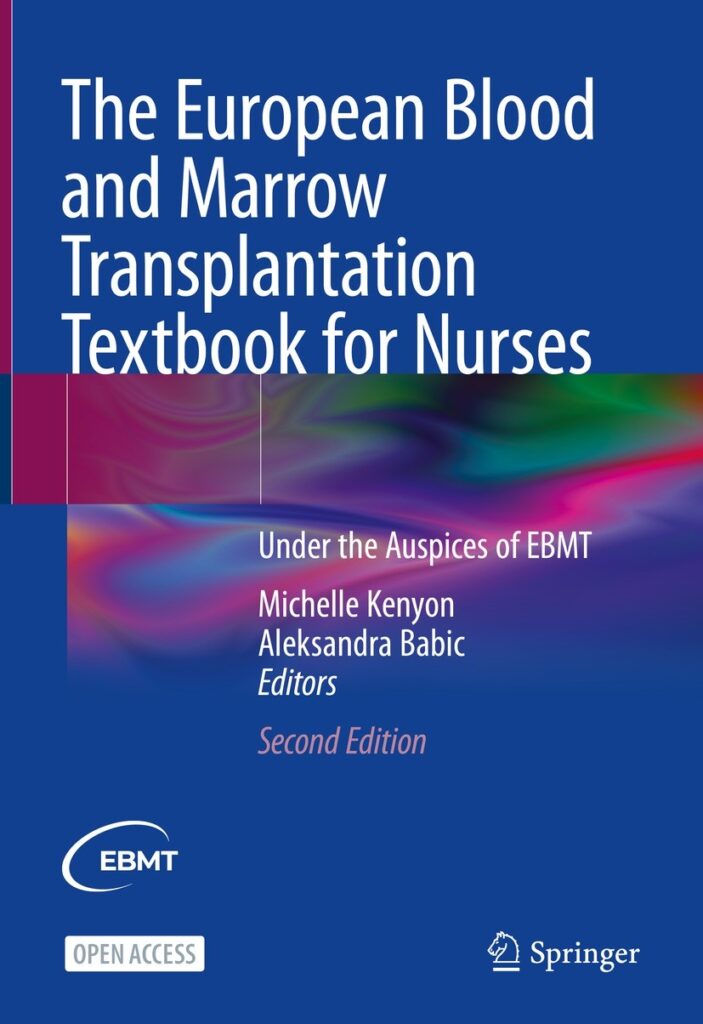
The European Blood and Marrow Transplantation Textbook for Nurses
Not rated yetRate this bookThe European Blood and Marrow Transplantation Textbook for Nurses follows the transplant pathway from quality management and preparation to complications, survivorship and research. Edited by Michelle Kenyon and Aleksandra Babic, the 2023 second edition includes a dedicated cellular-therapy chapter. This sixteen-chapter companion emphasizes nursing reasoning, patient experience and evidence appraisal through academic study tasks.
Free reading is available at the official source. Opens in a new tab.
 Free
About this book
The European Blood and Marrow Transplantation Textbook for Nurses follows the transplant pathway from quality management and preparation to complications, survivorship and research. Edited by Michelle Kenyon and Aleksandra Babic, the 2023 second edition includes a dedicated cellular-therapy chapter. This sixteen-chapter companion emphasizes nursing reasoning, patient experience and evidence appraisal through academic study tasks.
How to study this book
Build a pathway map showing donor and recipient processes, team responsibilities and transitions between settings. Keep biological mechanisms separate from monitoring, patient education and service organization. Use fictional cases for the tasks and record which decisions require the current transplant-center protocol. Read treatment and standards discussions in their 2023 publication context.
Chapter-wise explanations and study tasks
Chapter 1: JACIE and Quality Management in HSCT: Implications for Nursing
Quality management connects accreditation standards with the everyday systems that support transplant care. The chapter describes JACIE and examines the implications for nursing, including documented procedures and professional competence. Accreditation is a structured process, while evidence that it directly causes a particular nursing outcome requires further analysis. Read policies through the practice they are intended to support, the record showing what occurred and the process for correcting problems. This connects organizational accountability with the patient's experience of a coordinated service.
Study task: Map a fictional nursing process from written procedure to competency assessment, documentation and review. Identify evidence that the process is actually followed.
Chapter 2: HSCT: How Does It Work?
Haematopoietic stem cell transplantation encompasses different relationships between donor and recipient and several possible cell sources. The chapter connects these distinctions with the biological aims of treatment across malignant and non-malignant conditions. Keep the source of cells separate from the transplant type: they answer different classification questions. Understanding the mechanism helps explain later differences in preparation, immune recovery and complications. Use the overview to build a conceptual framework rather than infer that one transplant approach is appropriate for every diagnosis.
Study task: Prepare a comparison chart for autologous, allogeneic and syngeneic transplantation, separating donor relationship, treatment purpose and questions for nursing education.
Chapter 3: Donor Selection
Donor selection combines suitability of the match with donor health and willingness to participate. These dimensions connect biological compatibility with an ethical and organizational process. The chapter helps explain why identifying a possible donor is different from completing assessment and donation planning. Consider donor and recipient interests separately while mapping how information moves through the team. A donor's voluntary participation remains distinct from the urgency of the recipient's treatment pathway.
Study task: Draw a donor-assessment pathway that separates compatibility, health assessment, information and consent. Mark where responsibilities or information needs differ from those of the recipient.
Chapter 4: Transplant Preparation
Preparation involves a long sequence of assessments, discussions and coordination among professionals. The transplant coordinator helps preserve continuity as patients and families move through that sequence. Written and spoken information serve different purposes, and receiving information is not the same as understanding it. The chapter connects the physical preparation for a complex treatment with expectations, support and practical arrangements. Examine how the team checks that concerns are addressed before the next stage rather than treating preparation as a completed checklist alone.
Study task: Design an education outline for a fictional patient and family. Include a way to check understanding and a record of unresolved questions.
Chapter 5: Cell Source and Apheresis
Stem cells can be collected from different sources, and apheresis separates blood components for collection. The chapter links the collection process with donor or patient preparation and the requirements of the intended product. Pediatric considerations add challenges related to body size, access and consent. Keep the technical description of collection separate from decisions about which source best fits a case. Trace how identification, communication and product handling connect the collection stage with later treatment.
Study task: Compare marrow, peripheral blood and cord blood as source categories, listing questions about collection, coordination and nursing observation rather than proposing a treatment choice.
Chapter 6: Principles of Conditioning Therapy and Cell Infusion
Conditioning prepares for transplantation through objectives that may include disease treatment, immunosuppression and support for engraftment. The subsequent infusion is a distinct stage with its own preparation and observation requirements. The chapter connects these events while emphasizing trained practice and written policies. A study guide should explain their purposes without substituting for administration procedures. Trace how the treatment plan, product identity, patient information and monitoring are coordinated across the transition.
Study task: Create a conceptual timeline separating conditioning from infusion. For each stage, identify the purpose, information needed by the patient and the role of a current local procedure.
Chapter 7: Cell Therapy, Nursing Implications and Care
The new cellular-therapy chapter broadens the pathway beyond conventional transplantation, including immune-effector-cell approaches. It examines the treatment journey, nursing implications, toxicities and the role of clinical trials in the 2023 context. Distinguish the biological mechanism from logistics, observation and patient support. New modalities can require care across several settings, making information transfer and escalation arrangements important learning topics. Avoid treating every cell-based therapy as sharing an identical risk pattern.
Study task: Map a fictional cellular-therapy pathway from referral through follow-up, marking handovers and questions that require product-specific information.
Chapter 8: BMT Settings, Infection and Infection Control
Infection risk reflects both treatment and the pattern of immune recovery. The chapter connects this vulnerability with the transplant environment, prevention practices and nursing observation. Different transplant settings and therapies can create different periods of risk, so one generic account is insufficient. Examine how environmental measures, staff practice and patient education work together. Keep recognition of a possible problem separate from establishing its cause, and connect observations with the service's escalation process.
Study task: Develop a learning matrix linking a stage of immune recovery, a prevention aim, an observation and the team process used to assess concern.
Chapter 9: Transplantation Through the Generations
Age influences the physiological, developmental and social context of transplantation. The chapter considers children, adolescents and young adults as well as older patients, emphasizing age-appropriate and person-centered care. Chronological age does not capture every difference in function, autonomy or support needs. Compare communication, decision-making participation and family involvement across fictional cases. The same treatment stage may therefore create different nursing priorities depending on development and circumstances.
Study task: Compare preparation for a child, a young adult and an older adult. Identify one communication and one support need that should be assessed rather than assumed.
Chapter 10: Early and Acute Complications and the Principles of HSCT Nursing Care
Early complications can arise from conditioning, subsequent treatments and the transplant process itself. The chapter examines issues including mucositis, sepsis and less common syndromes, connecting them with nursing assessment. Different causes can produce overlapping observations, making a single symptom an incomplete explanation. Follow the relationship between baseline status, change over time and timely team assessment. Study the mechanism and information needs without turning this overview into a substitute diagnostic or management algorithm.
Study task: Build a fictional observation timeline and list the additional information needed to distinguish treatment toxicity from another possible complication.
Chapter 11: Supportive Care
Supportive care addresses symptoms and the wider social, psychological and spiritual effects of treatment. Assessment tools assist the planning and evaluation of care, but the patient's own priorities remain central. The chapter emphasizes the complexity of needs that may occur simultaneously and require several disciplines. Compare an isolated symptom measure with a fuller account of daily function and quality of life. Effective coordination means making the intended outcome and responsibility for follow-up explicit.
Study task: Develop a fictional supportive-care plan linking a patient-stated concern with assessment, a multidisciplinary contribution and an outcome for review.
Chapter 12: Graft-Versus-Host Disease (GvHD)
Graft-versus-host disease is a major complication of allogeneic transplantation and requires attention to both acute and chronic presentations. The chapter connects immune mechanisms with prevention, treatment context and the nursing role in observation and support. Its therapeutic discussion belongs to the 2023 edition and requires current confirmation before clinical use. Distinguish a suspected manifestation from a confirmed assessment and consider the effect of symptoms on everyday life. Longitudinal observation adds information that a single encounter cannot provide.
Study task: Prepare a comparison table for acute and chronic GvHD as learning categories, then identify patient-experience information that would complement clinical assessment.
Chapter 13: Graft Versus Tumour Effect
Donor immune activity can contribute to control of malignant disease as well as produce harmful effects. The chapter examines this therapeutic dimension of allogeneic transplantation and its relationship with relapse. The beneficial graft-versus-tumour concept should not be treated as identical to graft-versus-host disease. Compare the intended target of an immune effect with the tissues experiencing harm, while recognizing that clinical attempts to balance them involve complex decisions. The nursing learning focus includes understanding the rationale communicated to patients.
Study task: Draw a conceptual diagram separating disease control, immune activity and unwanted tissue effects. State why a beneficial mechanism does not remove the need to assess harm.
Chapter 14: Engraftment, Graft Failure, and Rejection
Engraftment concerns the establishment of effective blood-cell production after transplantation. Failure and rejection describe different problems that must be distinguished from expected recovery and from syndromes occurring around engraftment. The chapter connects biological processes with the interpretation of progress over time. A single laboratory result is less informative than a documented trend interpreted in the full treatment context. Keep the goal of sustained function separate from the immediate observation that a count has changed.
Study task: Create a hypothetical recovery timeline and identify the clinical-context questions needed before interpreting delayed or changing blood counts.
Chapter 15: Late Effects and Long-Term Follow-Up
Survival after transplantation creates an ongoing need to understand treatment-related effects and support life beyond the acute episode. The chapter connects late physical consequences with psychosocial recovery, education and continuing review. Follow-up requires attention to risks and to the patient's priorities, which can change over time. Distinguish a surveillance plan from reassurance based only on the completion of treatment. Coordination across specialist and community services is also part of the survivorship pathway.
Study task: Outline a fictional follow-up conversation covering health, daily function, emotional concerns and responsibility for future review.
Chapter 16: Nursing Research and Audit in the Transplant Setting
Research and audit both use systematic information, but they ask different questions. Research seeks to extend knowledge, whereas audit assesses practice against a defined standard. The chapter introduces design choices and the practical issues involved in producing useful evidence. Match a method with a question and state the population, outcome and limitations. Ethical review, data quality and transparent reporting matter alongside analysis. A useful project should explain how its findings could inform care without overstating what its design can establish.
Study task: Write one research question and one audit question about the same nursing topic, then propose a suitable source of data for each.
Transplant-pathway learning portfolio
Prepare a fictional patient pathway with separate sections for preparation, treatment, recovery and survivorship. At each transition, record the patient's information needs, nursing assessment focus and team responsibilities. Mark where current center protocols or product-specific guidance are required, then propose one auditable quality question.
Suggested reading plan
- Read quality management and biological foundations before mapping the full pathway.
- Connect donor selection, preparation, collection and conditioning as coordinated but distinct stages.
- Study cellular therapy and infection prevention in relation to setting and immune recovery.
- Read age-related care, complications and supportive care through fictional patient cases.
- Finish with long-term follow-up and design a small research or audit proposal.
Questions for reflection
- Which information should follow the patient across a handover?
- How do donor and recipient interests differ?
- Why does a laboratory trend need treatment context?
- What distinguishes an audit finding from a causal research conclusion?
Edition and source notes
This original study companion follows the 2023 second edition. The chapter sequence was checked against the publisher's contents and the source PDF. Coverage draws on chapter openings, learning objectives, abstracts and selected explanatory passages; it is not an exhaustive review of every derivation, procedure, dataset or reference. Study tasks are original prompts rather than reproduced source exercises. The guide provides conceptual explanations and critical-reading support alongside the complete source.
About access & copyright
This page provides book information and study material. Full-text access is provided by the original publisher or authorised source; a listing does not grant permission to republish the book.
Read our Library Access & Copyright policyExplore the contents
Check the chapters covered in this edition.
Visit the official source
See reading, preview or purchase options.
Save for later
Keep this textbook in your saved collection.
Reader ratings & reviews
Share your thoughts
Your review helps other students choose the right resources.
KEEP LEARNING
Your next great read
Built Environment
Cancer Care in the Post-COVID World
Cancer Care in the Post-COVID World
View Cancer Care in the Post-COVID World — book college
Prose Fiction: An Introduction to the Semiotics of Narrative
View Prose Fiction: An Introduction to the Semiotics of Narrative — book Cultural Rights
Non-Territorial Autonomy
View Non-Territorial Autonomy — book Business enterprises—Finance
The Brownian Motion
View The Brownian Motion — book Body-mind-spirit
Health Promotion in Health Care – Vital Theories and Research
View Health Promotion in Health Care – Vital Theories and Research — book Education
al Data Analytics for Teachers and School Leaders
View Educational Data Analytics for Teachers and School Leaders — book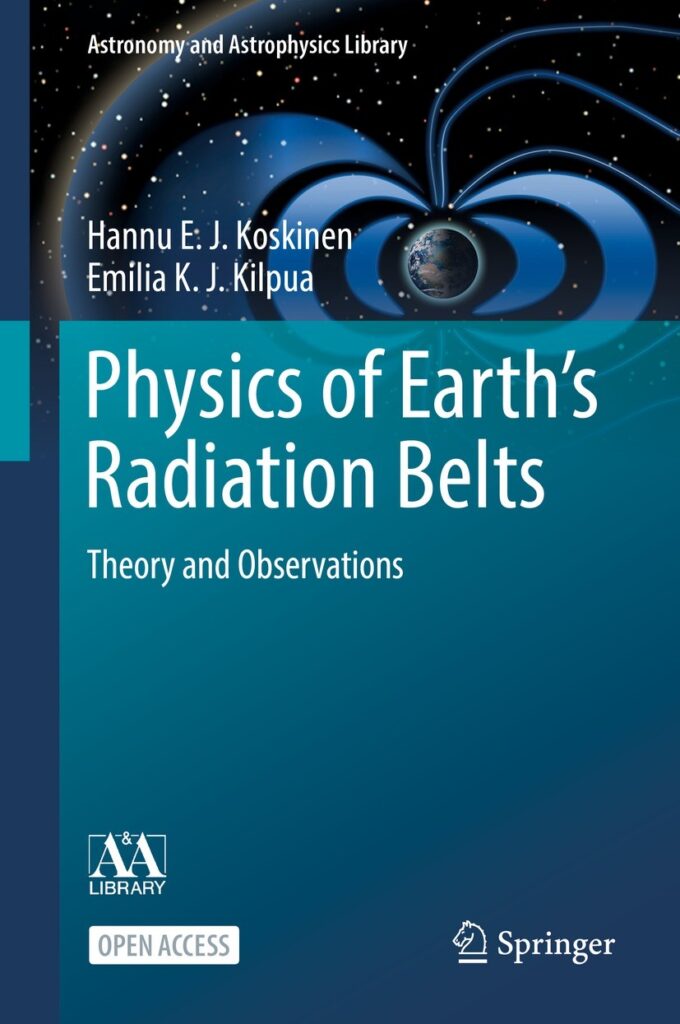 charged particle motion in Earth’s magnetosphere
Physics of Earth’s Radiation Belts
View Physics of Earth’s Radiation Belts — book global change
Marine Mammals
View Marine Mammals — book Classical mechanics



