
Introduction
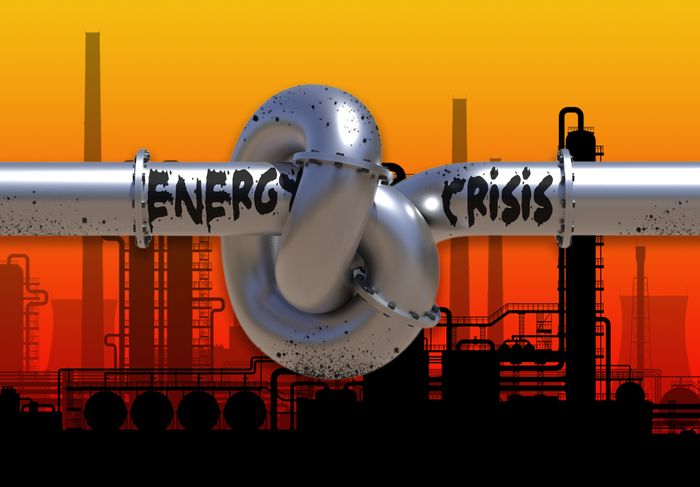
The global energy crisis is not a single shortage with one universal solution. It combines energy insecurity, price volatility, unequal access, aging infrastructure, geopolitical disruption, climate risk, and rapidly changing electricity demand. Some countries depend heavily on imported fuels, while others possess domestic resources but lack reliable grids or affordable household service. In 2026, 655 million people still lacked access to electricity and about two billion relied on polluting fuels and technologies for cooking, showing that energy security includes access as well as national supply (IEA et al., 2026). Meanwhile, electricity demand is expanding through cooling, industry, data centers, electric transport, and other uses. Current policy debates therefore cover both immediate resilience and longer-term structural change. Efficiency affects demand, diversified supply changes import dependence, renewables and other low-emission sources broaden the generation mix, and grid investment determines whether new capacity can be connected. Energy-security analysis commonly considers reliability, affordability, access, environmental effects, and exposure to future disruptions together rather than as isolated indicators.
Access and Efficiency Before Additional Supply
Energy access and efficiency are two major components of this debate. A household connection is meaningful only if the service is reliable, affordable, and capable of supporting essential needs such as lighting, refrigeration, communication, cooling, water pumping, and health care. Grid extension, mini-grids, stand-alone solar, clean cooking technologies, and targeted financing serve different communities depending on geography and income (IEA et al., 2026). Efficiency complements access because buildings, appliances, motors, industrial equipment, vehicles, and cooling systems can deliver the same service with less energy. The IEA’s 2026 review found that faster efficiency improvements contributed to slower global energy-demand growth in 2025 (International Energy Agency [IEA], 2026a). Policy instruments used in different jurisdictions include building codes, retrofit programs, appliance standards, industrial energy management, rebates, and public investment. These instruments differ in cost, distributional effects, administrative complexity, and the extent to which households or businesses must provide capital upfront, so their performance depends heavily on local economic and institutional conditions.
A More Diverse and Flexible Electricity Supply
The supply side is changing rapidly. The IEA reported record global renewable-capacity additions of about 800 gigawatts in 2025, with solar photovoltaic systems providing roughly three-quarters of the total; battery storage additions reached almost 110 gigawatts (IEA, 2026a). Renewable generation is expected to overtake coal-fired generation globally during 2026, after reaching near parity in 2025 (IEA, 2026b). These trends can reduce exposure to imported fossil fuels and lower emissions, but installed generation alone does not guarantee reliable electricity. Solar and wind output varies by time and weather, so power systems use combinations of forecasting, storage, flexible demand, transmission, regional interconnection, and dispatchable resources. Nuclear power, hydropower, geothermal energy, gas, and other firm resources play different roles across national systems. Comparisons among generation mixes typically consider cost, safety, construction time, fuel security, emissions, water needs, system flexibility, and public acceptance. The resulting tradeoffs differ by country, which is why one technology cannot be assumed to resolve every dimension of energy insecurity.
Grids, Storage, and Infrastructure Resilience
Electricity grids are now one of the largest constraints on new supply. The IEA estimates that more than 2,500 gigawatts of renewable, storage, and large-load projects are stalled in grid-connection queues worldwide, while annual grid investment would need to rise by about fifty percent from roughly $400 billion today to meet forecast demand through 2030 (IEA, 2026c). Transmission projects can require five to fifteen years to plan and complete, much longer than many solar, wind, data-center, or charging projects. Policy options under consideration in different jurisdictions include faster planning and permitting, expanded transformer and cable supply, workforce development, interconnection reform, and technologies that increase capacity on existing networks. Storage and demand flexibility can also be integrated with grid planning because they shift electricity across time and reduce peak stress. Batteries are valuable for short-duration balancing and reliability, while longer disruptions may involve other storage technologies, regional trade, firm generation, or temporary demand reduction. Resilience planning additionally covers cybersecurity, spare equipment, black-start capability, and exposure to heat, wildfire, flooding, storms, and physical attack.
Transport, Industry, and the Fossil-Fuel Transition
Fossil fuels will continue to matter during the transition because oil, gas, and coal still supply a large share of global energy, while transport and industry create constraints that differ from those in electricity generation. Emergency oil or gas reserves can cushion short disruptions but do not eliminate long-term exposure to volatile global markets. Road-transport strategies include efficient vehicles, electric mobility, public transport, rail, walking, cycling, and logistics optimization, with feasibility varying sharply between dense cities, rural areas, and communities with limited transport alternatives. Industry presents another set of choices because it requires electricity, high-temperature heat, and feedstocks. Efficiency, electrification, recycling, heat pumps, clean hydrogen, alternative fuels, and carbon-management technologies may be technically applicable in different sectors but have different costs, infrastructure requirements, and maturity levels. Comparative analysis therefore examines lifecycle cost, energy security, reliability, emissions, and transition risk rather than assuming that either rapid electrification or continued fossil investment has the same consequences across all regions and industries.
Supply Chains, Markets, and Energy Equity
Energy security also depends on minerals, supply chains, market design, and social protection. Solar panels, batteries, grids, electric vehicles, and other technologies require copper, lithium, graphite, nickel, rare-earth elements, transformers, power electronics, and specialized manufacturing. Concentration of mining or processing can create strategic dependencies, while diversification, recycling, material efficiency, substitution, and new mining create different economic and environmental tradeoffs. Market design also changes outcomes because price signals, subsidies, caps, capacity payments, and regulated tariffs distribute costs and incentives differently. During crises, governments have used both universal energy subsidies and targeted assistance; universal programs can reach households quickly but may subsidize high consumption, whereas targeted programs can concentrate support but require eligibility systems and administration. Social tariffs, bill assistance, public transport, weatherization, and efficient public housing are additional mechanisms used in some jurisdictions. Community participation can also affect the timing and acceptance of mines, transmission lines, renewable projects, and other infrastructure, particularly where land, labor, water, Indigenous rights, or local benefit-sharing are contested.
Conclusion
Current evidence indicates that no single measure addresses every dimension of the global energy crisis. Efficiency affects the amount of energy required for the same services; diversified generation changes dependence on particular fuels; renewable growth, storage, firm power, and flexible demand alter electricity-system options; and grid expansion determines whether new resources can be used at scale. Access policy addresses whether energy reaches households, businesses, schools, and health facilities reliably and affordably. The latest IEA data show rapid growth in renewable and battery deployment alongside significant grid bottlenecks and rising electricity demand, illustrating why capacity additions alone do not describe system security (IEA, 2026a; IEA, 2026c). Planning also encompasses fossil-fuel exposure, critical minerals, infrastructure resilience, research, cybersecurity, workforce availability, and emergency response. Individuals and communities influence consumption and local projects, while utilities, industries, regulators, financial institutions, and governments control many large-scale investment and rule-setting decisions. Progress can therefore be evaluated through multiple indicators, including reliability, affordability, access, import exposure, resilience, and environmental effects.
References
International Energy Agency. (2026a). Global Energy Review 2026. https://www.iea.org/reports/global-energy-review-2026
International Energy Agency. (2026b). Electricity Mid-Year Update 2026. https://www.iea.org/reports/electricity-mid-year-update-2026
International Energy Agency. (2026c). Electricity 2026. https://www.iea.org/reports/electricity-2026
International Energy Agency, International Renewable Energy Agency, United Nations Statistics Division, World Bank, & World Health Organization. (2026). Tracking SDG 7: The Energy Progress Report 2026. https://www.who.int/news/item/24-06-2026-655-million-people-still-living-without-electricity-underscore-urgent-need-to-deliver-on-universal-energy-access-target
Cite This Work
To export a reference to this article please select a referencing stye below:

Academic Master Education Team is a group of academic editors and subject specialists responsible for producing structured, research-backed essays across multiple disciplines. Each article is developed following Academic Master’s Editorial Policy and supported by credible academic references. The team ensures clarity, citation accuracy, and adherence to ethical academic writing standards
Content reviewed under Academic Master Editorial Policy.





