
 Engineering & Technology
Textbook
Unmanned Vehicle Systems & Operations on Air, Sea, Land
Not rated yetRate this bookThis volume expands the study of unmanned systems from aircraft to operations across air, sea, and land. Its preface connects changing technologies with applications and the different environments in which vehicles operate.
Read on the publisher’s website. Opens in a new tab.
 Free
About this book
About this book
The 2020 New Prairie Press volume is part of Randall K. Nichols and colleagues’ series. Contributors address aviation, maritime systems, engineering, cyber issues, and related fields. The preface explains the decision to broaden earlier work on aircraft and counter-aircraft systems. This page reviews that framing and the introductory outline, rather than the complete technical chapters. Historical statements about technology, markets, and policy should be read within the publication’s period.
Sources and reading coverage
Title and rights information and selected preface passages on PDF sheets 25–26 of the publisher-hosted online edition were reviewed. Later technical chapters were not comprehensively assessed.
See the official publication record for edition details. Read the publisher’s online edition. The external PDF provides the available source text.
The consulted PDF contains 514 sheets, including preliminary material; this count can differ from printed pagination.
Book summary
Guide to the reviewed opening
The preface identifies an expanding range of applications as a reason to study unmanned systems across several environments. A vehicle’s purpose, control, sensing, communications, and physical setting interact. An aircraft and an underwater vehicle therefore cannot be understood as interchangeable examples of one technology.
The authors describe rapid change as another reason for expanding their work. Keeping dates and assumptions visible is essential to reading such a collection. Its introductory outline groups material by environment and topic, giving readers a route through distinct contributions rather than a single universal operational method. Later chapters require their own technical assessment.
How to study this book
Choose one application and identify its mission, environment, control assumptions, and information needs. Compare those headings with an application in a different environment. Separate physical constraints from those arising through policy or institutions.
For each technical claim, record its date and what would establish continued applicability. Keep conceptual study separate from platform-specific instructions and operational authorization. Read the relevant original chapter before using its argument in a report.
Questions for reflection
- What changes between air and underwater operation?
- How does a mission affect information needs?
- Which claims need updated evidence?
The study suggestions and questions are independent Academic Master editorial material.
About access & copyright
This page provides book information and study material. Full-text access is provided by the original publisher or authorised source; a listing does not grant permission to republish the book.
Read our Library Access & Copyright policyEnvironment
Compare operating constraints.
Mission
Relate choices to intended tasks.
Scope
Distinguish an introduction from a procedure.
Dates
Tie claims to their evidence.
Reader ratings & reviews
Share your thoughts
Your review helps other students choose the right resources.
KEEP LEARNING
Your next great read
Engineering & Technology Engineering & Technology
Ethics in Technology
View Ethics in Technology — book Civil Engineering
The Design of the Built Environment: The University of Illinois Urbana-Champaign Campus and Its Context
View The Design of the Built Environment: The University of Illinois Urbana-Champaign Campus and Its Context — book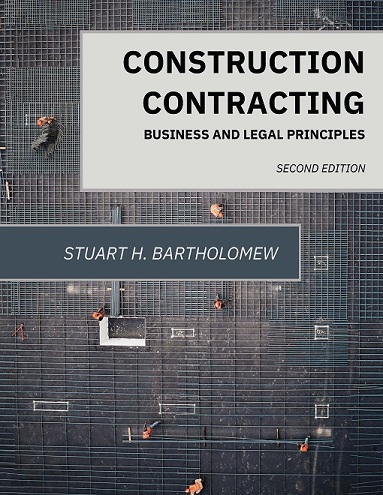 Contract Law
Construction Contracting: Business and Legal Principles, Second Edition
View Construction Contracting: Business and Legal Principles, Second Edition — book Engineering & Technology
Introduction to Engineering Thermodynamics
View Introduction to Engineering Thermodynamics — book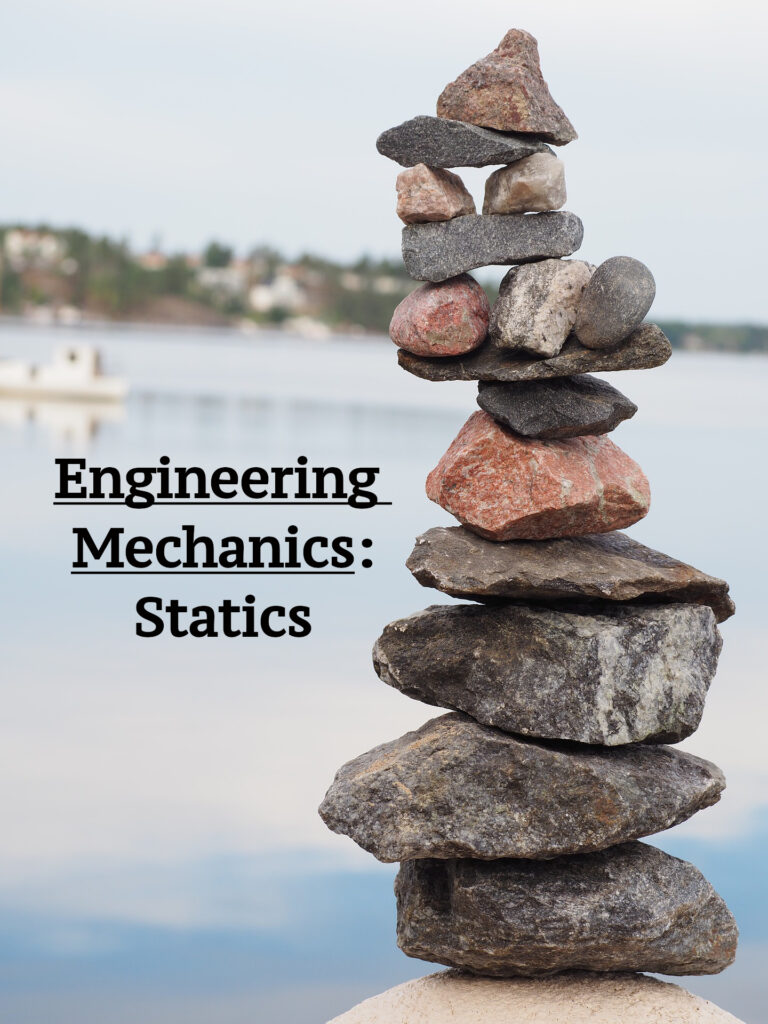 Engineering & Technology
Engineering Mechanics: Statics
View Engineering Mechanics: Statics — book Analysis
Basic Engineering Data Collection and Analysis
View Basic Engineering Data Collection and Analysis — book Engineering & Technology
Biomedical Engineering Lab Manual
View Biomedical Engineering Lab Manual — book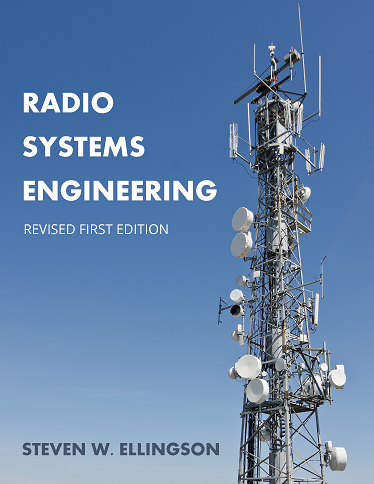 Electrical Engineering
Radio Systems Engineering
View Radio Systems Engineering — book Engineering & Technology



