
Introduction
The global COVID-19 pandemic has left a profound impact on numerous businesses across the world. In response to the spread of the pandemic, firms have been compelled to devise innovative strategies to address the multifaceted challenges encompassing socioeconomics, culture, and health crises (Kaur, 2020). An equally pressing concern for corporations is charting their course for the future. While the pandemic’s effects on businesses have varied due to a myriad of social, cultural, economic, and environmental factors, drawing insights from successful enterprises offers valuable lessons for policymakers and business leaders seeking innovative and effective strategies to mitigate the pandemic’s adverse effects on their operations (Turner and Akinremi, 2020).
The influence of the COVID-19 pandemic extends to a multitude of industries worldwide, including the UK retail sector. Measures such as lockdowns, social distancing, and reduced consumer spending, which were implemented to contain the virus’s spread, have significantly impacted the operational and financial performance of retail businesses (Burt and Sparks, 2020). Consequently, comprehending recovery and sustainability plans for businesses in the post-COVID-19 era has become imperative, especially for companies like Lidl within the UK retail industry.
The COVID-19 pandemic, stemming from the novel coronavirus SARS-CoV-2, emerged towards the end of 2019 and swiftly disseminated globally, precipitating substantial ramifications on both health and the economy. In response to this crisis, the UK government enforced a series of restrictions, encompassing business closures, reduced operating hours, and social distancing measures (Smith, 2020). These actions have exerted a profound influence on the UK retail sector, molding consumer behavior, causing disruptions in the supply chain, and affecting financial performance.
The COVID-19 epidemic has unleashed an unparalleled economic and societal catastrophe (Méndez, 2020; Harvey, 2020), underscoring concerns that had been foreseen at the outset of the twenty-first century, highlighting the vulnerability of contemporary capitalism and the persistent challenges of globalization. Notably, the economic consequences of COVID-19 have been substantial. In the early stages of the crisis, as COVID-19 cases surged, major stock exchanges, including the FTSE, Dow Jones Industrial Average, and Nikkei, witnessed significant declines in their values (BBC News, January 2021). The year 2020 witnessed a record-breaking decline in GDP. To address the economic challenges, central banks maintained historically low interest rates to facilitate economic recovery (Bloomberg, January 2021), and governments enacted substantial stimulus packages to aid severely impacted sectors such as retail, travel, hospitality, and tourism. In the United States, individuals who had lost their livelihoods due to the coronavirus outbreak also received stimulus grants (New York Times, 2021).
Research Aim
The present study aims to investigate the business recovery and sustainability strategies in the UK retail industry after COVID-19, using Lidl stores as a case study.
Research Questions
The study addresses the following research questions:
What effect has COVID-19 had on Lidl’s business operations and financial performance in the UK retail industry?
What sustainability strategies have helped the UK retail industry and Lidl stores post-COVID-19?
Research Objectives
To evaluate the effects of COVID-19 on Lidl’s business practices and financial results within the UK retail industry.
To examine business resilience and sustainability strategies for Lidl and the wider UK retail sector.
To offer advice to Lidl and other retailers in the UK on how to implement successful business recovery plans for long-term success.
Literature Review
The COVID-19 health crisis significantly affected trading conditions for businesses of all sizes worldwide (Roggeveen and Sethuraman, 2020). Its wider effects also disrupted local economies and communities. Lockdowns, border closures, social-distancing requirements, increased home working and shifts towards online shopping and service delivery changed everyday activities. Examples include click-and-collect, kerbside collection, home delivery, online meetings, consultations and classes. These changes affected both retail and consumer-service industries (Roggeveen and Sethuraman, 2020).
More information is available to consumers than ever before about brands, products, and companies (Hagen et al., 2022), and they are more knowledgeable, have more options, and have higher expectations for individualised offerings, convenience, and the overall shopping and service experience (Paul and Rosenbaum, 2020). There is now a clear need for research to address both the problems and the tactics required by merchants and service businesses for survival and success in a world where people are “learning to live with the pandemic” (Beckers et al., 2021; Paul and Rosenbaum, 2020; Pantano et al., 2020).
Scholars have identified several themes from consumer and managerial perspectives: operating amid global and local uncertainty, responding to abrupt changes in demand such as panic buying and scarcity effects, understanding changing purchasing behaviour, and adapting access to services. Pantano et al. (2020) identify four areas for retail and consumer-service responses: agile retailing, retailers’ changing social role, customer-centred approaches and digital communication.
As more employees continued to work from home and customers were forced into periods of lockdown, it became crucial for SME businesses to “pivot” their operations and adapt quickly regarding the delivery of goods and services (Beckers et al., 2021). The importance of retailing (in particular) in enabling consumers to obtain common home products and services was heightened when the shopping environment changed due to the earlier issues. In addition, many companies had to embrace new technologies to connect with their clients and customers through social media marketing and digital communications simultaneously (Salam et al., 2021).
Many companies could continue operating despite stringent lockdowns, requirements for working from home, and customer reluctance to visit physical business premises during various pandemic phases because of their ability to respond appropriately to these themes (Hagen et al., 2022). The competitiveness of the trading environment has been significantly impacted in Australia by shifting consumer demographics, shifting purchasing patterns, such as short-term panic buying and stock shortages, significant growth in online shopping, and the emergence of new technologies and digital marketing (Salam et al., 2021).
Business Recovery Strategies
Numerous retail companies in the UK have undertaken several business recovery strategies post-COVID-19. These recovery and rebuilding initiatives were developed to accelerate digital transformation, which includes increasing e-commerce capabilities and fusing online and offline channels (Salam et al., 2021). Retailers have also focused on enhancing the customer experience through targeted advertising, reward schemes, and omnichannel fulfilment options to regain customers’ confidence and loyalty (Salam et al., 2021). The omnichannel was found to satisfy customer preferences by combining online and offline channels to meet the needs of the consumers. With this method, businesses may reach clients through a variety of touchpoints while also enhancing ease and accessibility (Hagen et al., 2022). When a crisis like the COVID-19 outbreak strikes, resilience strategies are crucial in helping businesses recover. Likewise, product line diversification, another recovery strategy for Lidl stores, has helped the businesses improve their inventory control and build robust supply chain networks (Hagen et al., 2022). These strategies help business owners adjust to shifting market conditions and reduce the likelihood of future disruptions.
Business Sustainability
Sustainability concerns continuity, resilience and ongoing development. In retail, it involves maintaining a business’s operations and capacity to develop (Park, 2019). Business continuity initially focuses on the resources and processes needed to sustain an operating model rather than on the model itself (Pizzi et al., 2021). Business survival therefore requires a holistic strategy that considers both the model and the elements supporting it (Barbosa et al., 2020). Wong and Ngai (2021) describe an approach that identifies potentially disruptive effects and develops resilience and response capabilities to protect stakeholders, brands, credibility and value-creating activities.
Business planning and development must account for unforeseen problems so that operations can continue fully or partially. An effective Business Continuity Management (BCM) programme is therefore important. Asriati et al. (2022) report that more than 50% of businesses without effective continuity strategies eventually fail following a major disruption. Continuity planning develops strategies, plans and alternative operating arrangements for activities whose interruption could produce severe losses. Its goal includes restoring critical processes (Asriati et al., 2022; Park, 2019). Risk management aligns these capabilities with potential threats and business priorities. Businesses of different sizes may be insufficiently prepared for events that interrupt operations for extended periods.
Documented disruptions show that inadequate preparation can cause substantial financial losses for individual businesses and entire sectors (Asriati et al., 2022; Wong and Ngai, 2021). Business continuity involves maintaining critical activities with the human, material and financial resources available during an adverse event. The theoretical discussion draws on functional analysis, which views society as interconnected components, Parsons’ (1938) Theory of Action Systems and the adaptation-strategy concept discussed by Lages et al. (2008). Cultural adaptation is learned through the development and exchange of ideas and symbolic activity rather than inherited genetically. As technologies become integrated into businesses, continuity planning must address the associated risks and vulnerabilities. Identifying these challenges can help businesses operate more effectively (Asriati et al., 2022).
Lidl in the UK Retail Industry
A case study on Lidl might reveal important details about the company’s unique business recovery and sustainability strategies. This entails looking at Lidl’s initiatives to increase its digital skills, enhance supply chain effectiveness and expand its e-commerce business (Asriati et al., 2022). Following COVID-19, Lidl stores in the UK have created unique business recovery and sustainability strategies. The development of Lidl’s online presence, which has included the introduction of an e-commerce platform and the fusion of online ordering and home delivery services, has been one important strategy (Lidl, 2023). By reducing its use of plastic packaging, increasing energy efficiency, and working with local British suppliers, Lidl has also prioritised sustainability measures (Lidl, 2023). Lidl also emphasises waste reduction, community involvement, and sustainable sourcing as part of their sustainability activities.
Research Methodology
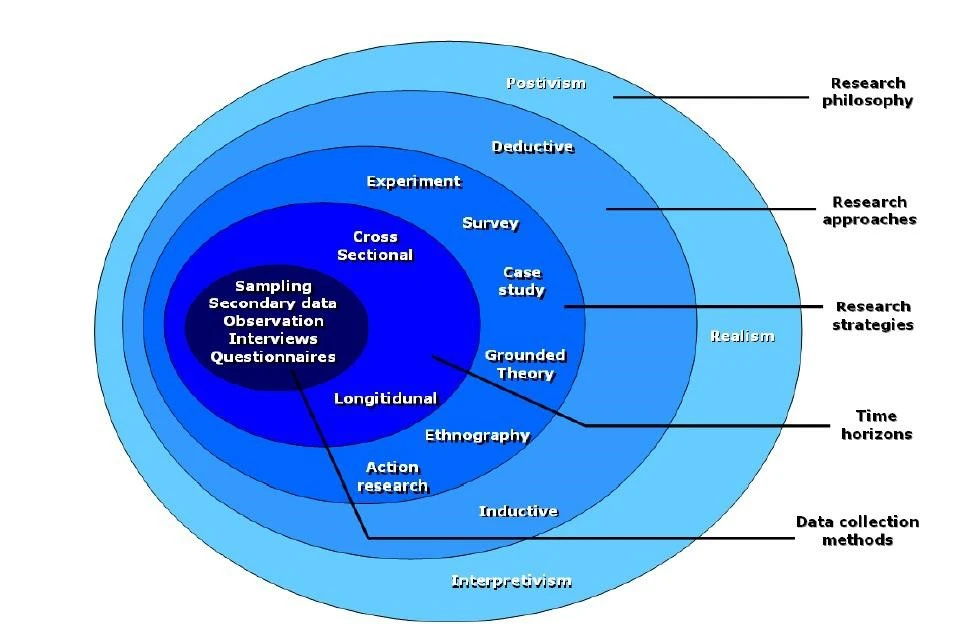
Figure 1: Onion Framework
The study uses secondary research and follows a document-based research process.
Research Aim
The aim of the present study is to investigate the business recovery and sustainability strategies in the UK retail industry after COVID-19, using Lidl stores as a case study.
Research Questions
The research questions are restated below to guide the methodological discussion:
What effect has COVID-19 had on Lidl’s business operations and financial performance in the UK retail industry?
What are the sustainability strategies that have helped the UK retail industry and Lidl stores post-COVID-19?
Research Objectives
To evaluate the effects of COVID-19 on Lidl’s business practices and financial results within the UK retail industry.
To examine business resilience and sustainability strategies for Lidl and the wider UK retail sector.
To offer advice to Lidl and other retailers in the UK on how to implement successful business recovery plans for long-term success.
Research Design
The study adopts a qualitative design based on secondary data. Qualitative research can provide “rich theoretical insights” into the subject under investigation (Graue, 2015). Ryan (2018) explains that it allows researchers to connect and develop information from existing knowledge. The sources used here include books, journals, public records, and technical and trade publications. Qualitative methods are widely used in market research and other academic fields (Graue, 2015). The study also uses descriptive case-study analysis to examine Lidl’s recovery and sustainability strategies in detail.
Research Philosophy
Positivism derives from the empiricist school of thought, which holds that hypotheses must be tested experimentally before being considered true. Ryan (2018) explained positivism to mean a scientific investigation of social phenomena in societies. Ryan (2018) goes on to assert that positivism upholds the idea of natural science, that there must be logical relationships both inside and amongst things, and that the overall purpose is always the discovery of relationships and the provision of scientific justification for them using logical techniques. This directs the researcher to make generalisations and laws based on recurrent statistical findings. Furthermore, the ultimate goal of positivism is the establishment of complete abstract laws that direct social behaviour in societies (Junjie and Yingxin, 2022). Further studies show that the positivism philosophy, which is founded on logical thinking and practical experience, makes the replication of data in research easier as well as more objective (Junjie and Yingxin, 2022). Likewise, positivism enables it enables the researcher to quickly look at a variety of situations. But it’s also important to consider the related constraints of positivism; for instance, positivism views experiences as a trustworthy source of knowledge. Likewise, the positivist research approach has the advantage of allowing the researcher to swiftly examine a wide range of circumstances (Ryan, 2018).
Interpretivism holds that people’s understandings shape their experience of reality and that knowledge is not neutral with respect to values or theory. Its roots include phenomenology and symbolic interactionism (Alharahsheh and Pius, 2020). Reality is understood as complex, variable and socially constructed; interpretations may differ according to historical and social circumstances. Advantages include attention to individual meanings, motivations and experiences, detailed qualitative understanding and investigation in natural settings (Ryan, 2018). Limitations include restricted generalisability and difficulties with replication under different conditions (Junjie and Yingxin, 2022). The report adopts positivism as its stated philosophical orientation while interpreting documentary evidence qualitatively.
Research Approach
The recommended research approach includes inductive and deductive research approaches (Ruggiano and Perry, 2019). The deductive research approach analysis starts with theoretical hypotheses derived from a review of the literature, which are then applied to gathering and analysing data (Armat et al., 2018). Likewise, the attractiveness of deductive qualitative analysis is clear in its suggested usage, particularly in case studies research studies (Pearse, 2019). On the other hand, the inductive research method requires the usage of qualitative research methods like ethnography and case studies to answer several questions and detect different processes within the organisation (Pearse, 2019). Ultimately, the researcher employs the deductive research approach for the present study (Armat et al., 2018). The deductive approach is chosen with the goal of validating or refuting existing takes and theories related to the business recovery and sustainability strategies in the UK retail industry post-COVID-19 with the case study of Lidl stores.
Data Collection
Data collection strongly influences research quality (Barrett and Twycross, 2018). The study uses an interpretive approach to examine existing material and understand actions and their consequences in the Lidl case. This approach relies on human understanding and interpretation of documented information (Mohajan, 2018).
A case-study approach supports examination of Lidl’s recovery and sustainability strategies in the UK retail industry (Mohajan, 2018). It considers company-specific evidence such as financial outcomes, operational changes and strategic choices. The exploratory design aims to identify useful responses in an area where evidence is developing. Such work requires flexible analysis of the available qualitative material (Mohajan, 2018).
Data Sources
The study’s evidence comes from secondary sources accessed through online library research and critical review of books, journal articles, research findings, conventions and laws. Surveys, questionnaires and focus-group experiments are considered through existing studies rather than conducted anew. Search platforms include Google Scholar and Sage Publications (Ruggiano and Perry, 2019).
Time Horizon
The research focuses on material from 2022 to 2023 to examine recovery following the pandemic’s effects on UK retailing and Lidl stores. This time horizon supports analysis of the recovery and sustainability strategies discussed in the report.
Research Sampling and Sample Size Estimation
Several factors influence sample-size decisions in qualitative research, including the study’s scope and purpose, the quality and amount of relevant information, and the point at which additional material no longer develops the analysis (Gill, 2020). Broader studies can require more time and evidence to reach saturation, while narrow sampling risks overlooking important aspects of the subject. The quality of underlying primary evidence also depends on collection methods and respondents’ understanding of the research objectives (Shaheen and Pradhan, 2019). These considerations guide assessment of the secondary sources selected for the report.
In primary qualitative research, respondents’ ability to reflect on their experiences and their familiarity with the subject affect data quality. Researchers should select suitable informants and consider further interviews when existing responses are insufficient. Observations may help address gaps, but potential bias requires attention (Shaheen and Pradhan, 2019). These principles inform the report’s discussion of source quality and future research.
Data Analysis
Qualitative analysis brings “order, structure and meaning” to collected information (Graue, 2015). This report analyses secondary material descriptively through content analysis. Its methodological discussion also considers documentary study, observations and semi-structured interviews as approaches found in the underlying literature. The analysis identifies relationships between categories and themes relevant to the research questions (Shaheen and Pradhan, 2019), requiring both care and flexibility in interpreting the available evidence.
Research Findings
This section brings together secondary-source evidence relevant to the research questions. The analysis examines Lidl’s business recovery initiatives and sustainability measures in the UK retail industry following COVID-19.
Lidl Stores in the UK
The present study investigates the case study of Lidl, a German-based retail company in the UK. Lidl supermarket has been given the title of the fastest-growing supermarket, with 16.3% in sales in 2018 (Raj et al., 2022; Retail Insight Network, 2018). Lidl is a member of the Schwarz Unternehmens Treuhand KG company, which ranked sixth among the top 250 worldwide retailers in terms of sales growth in 2012 (Retail Insight Network, 2018). Lidl is a hard discounter highly feared by competitors, which went global for the first time in the 1990s (Grimmer, 2022; Lidl, 2023). As a result, Lidl’s low pricing strategy draws customers from its home country and the nations where it operates, for instance, the UK. Presently, Lidl operates over 12,000 stores and employs more than 26,000 persons in the UK and over 376,000 people across 31 countries. Amidst the growth and expansion, Lidl has experienced major market setbacks. For instance, the company chose to leave Norway after less than four years there in 2008. A similar story was recorded in Lithuania in 2001 when Lidl only had a brief presence in the market (Retail Insight Network, 2018). Additionally, Sweden and the UK were difficult for the corporation to access, but in the following years, it boosted its market adoption to draw clients and grow its market shares. Lidl attracted customers’ attention by running a TV ad in the UK to persuade them of the retailer’s high-calibre goods (Grimmer, 2022; Retail Insight Network, 2018). Lidl has become globally known as a fiercely competitive retailer in the European Union for decades (Retail Insight Network, 2018).
Among other retail businesses, Lidl dominates the retail chains in the UK food retail sector. For Lidl, the company’s focus is on offering the best pricing strategy while seeking to offer products that are set apart in terms of price, quality, product positions and communications like sustainable sourcing and monitoring (Raj et al., 2022; Asriati et al., 2022). For instance, the findings show that Lidl strongly emphasises low pricing of products compared to other retail companies in the industry, such as Waitrose and Marks & Spencer, which focus on upmarket quality. Post-COVID-19, Lidl retail stores in the UK have been found to focus more on sustainability and business recovery strategies, just like they do their low-pricing initiatives (Grimmer, 2022).
The review of secondary sources identifies several elements of Lidl’s sustainability, business recovery and marketing approach following COVID-19. These are summarised below.
Cost Reduction
The research findings show that Lidl’s primary recovery and sustainability strategy is cost reduction or being a hard discounter. This allows the company to enjoy cost savings across multiple operating markets through the company’s standardisation policies (Lidl, 2023). These policies or codes helped the researcher gather research findings that define the company’s business recovery and sustainability strategy through price reduction.
Competition
In the UK food retailing market, competition is high. Thus, Lidl must adjust its marketing strategies and business approach in the post-COVID-19 era to ensure it stays competitive in the market. Adjusting the company’s strategies in a way adaptable to survive post-COVID-19 allows Lidl to progressively manage its business recovery and sustainability strategies effectively (Lidl, 2023; Grimmer, 2022).
Performance
The findings from this research show that one of the primary goals of Lidl is to grow its customer base and increase its market share. Amidst the COVID-19 pandemic and post-COVID-19 period, Lidl’s approach emphasised the ability to provide customers with the best quality products at competitive prices. This strategy was found to be adapted to the UK retail market and has proved effective in helping the company recover from the impact of the COVID-19 pandemic on the market (Lidl, 2023; Asriati et al., 2022).
Customer Focus
The findings from the research showed that Lidl is truly invested in its customers and thus focuses on meeting their needs. The research findings further showed that being customer-focused allowed the company to adapt its business recovery and sustainability strategies to benefit the customers (Lidl, 2023).
Discussion
This section discusses the findings using the four components of the marketing mix: product, price, place and promotion.
Product
The product section of the marketing mix as it relates to Lidl includes product range and cost reduction. In terms of cost reduction, this factor is promoted by the notion of almost identical selections across the UK. Private brands, name brands, and non-food goods are all represented by Lidl in the UK (Grimmer, 2022). Therefore, depending on the size of the Lidl shop, the product selection may fluctuate slightly. However, it remains mostly the same within a single nation (Lidl, 2023; Xia, 2023). Here, the standardisation strategy has been implemented in both markets, allowing the retailer to purchase goods in large quantities and offer them at lower prices in the store (Lidl, 2023). In addition, concerning product range, findings from the research show the customer portrait in the UK to always tag name brands like Lidl with high quality (Xia, 2023). Likewise, some customers in the UK mostly prefer private and home-based brands in the UK compared to German-based Lidl retail products (Balogh and Mizik, 2022; Xia, 2023).
Price
The analysis of the price component considers the codes price-performance ratio, competition and market condition are evaluated as regards the research findings presented on Lidl retail stores (Lidl, 2023; Wichmann et al., 2022; Grimmer, 2022). The price-performance ratio means the pricing strategy of Lidl in the UK as compared to other global markets. Therefore, in terms of price-performance ratio and flexibility, Lidl seeks to undercut rival companies while maintaining a high-quality level (Asriati et al., 2022). In addition, when it comes to competition, this code is mostly assessed during pricing analysis in the marketing mix. It makes sense, given that Lidl’s primary objective is to provide lower prices than its rival retailers. Lidl continuously monitors its rivals’ actions and takes appropriate action. To remain competitive and keep customers from switching to rivals, Lidl adjusts its items at the same price or lowers it if a shop lowers its prices for a particular product (Wichmann et al., 2022). The highly concentrated retailing marketplace in the UK is a critical determinant of the company’s pricing strategy and is thus relevant in this situation. Furthermore, the market condition is also a critical component that must be discussed (Balogh and Mizik, 2022). This is because Lidl in Germany differs from the Lidl in the UK. This means the company faces a different market condition in the UK compared to its parent country. Thus, due to this relatively more limited market experience, Lidl UK might experience some difficulty in lowering costs through long-established social ties (HR and Aithal, 2020).
Place
By analysing the place component of the marketing mix, cost reduction and efficiency are evaluated as regards the research findings presented on Lidl retail stores (Xia, 2023). Lidl UK takes the matter of sustainability into account and also strives to give the best services to its customers at reduced costs (Grimmer, 2022; Xia, 2023). Furthermore, efficiency has developed as another code inside the place analysis and is directly tied to cost reduction. Lidl makes shopping easier for its clients by placing its stores in easily accessible locations near or inside the centre or next to other merchants (Xia, 2023). This benefit will attract more consumers and boost the company’s sales success. Based on the research findings, no distinction could be seen between the UK and other foreign markets where Lidl is operational. Thus, a conclusion can be given that consumers of Lidl are interested in quick shopping to save time and money (Grimmer, 2022; Xia, 2023).
Promotion
To analyse the promotion category of the marketing mix, customer focus and cost reduction were critically assessed (Wichmann et al., 2022). From the research findings, Lidl is a company focused on delivering the best product quality to its customers (Asriati et al., 2022; Wichmann et al., 2022). Lidl strives to connect with consumers while marketing its groceries by attending to their demands in their native tongue and meeting their expectations about price or quality. Additionally, Lidl continuously promotes communication with its customers. Regarding cost reduction, Lidl in the UK sends clear messages which read, “Lidl is worth it” and “Good quality should not cost more” (Lidl, 2023). Therefore, the company’s strategy ensures that these messages are communicated clearly through several channels. Likewise, Lidl supports the strategy of simplicity in advertising or promotion because too many messages can complicate things, and the company’s goal is to help the customers get the company’s core values without confusion (Lidl, 2023; Balogh and Mizik, 2022).
Conclusion
The study examines the changes experienced by UK retailers after COVID-19, focusing on Lidl’s business recovery and sustainability strategies. It discusses how retail approaches adapted to market disruption and changing consumer behaviour. The report describes increased reliance on online transactions and marketing, treating these changes as part of the transition from emergency responses to continuing business practices.
Limitations
This exploratory study has several limitations. Its descriptive emphasis restricts its contribution to theory, and future work could apply a broader theoretical framework (Raj et al., 2022). Some underlying sources were produced during periods of business closures, restrictions, reduced trade and low response rates (Grimmer, 2022). The available time also favoured secondary qualitative analysis over new quantitative data collection. The selected time horizon limits how fully the study can assess the development of recovery and sustainability strategies (Asriati et al., 2022).
Recommendations for Future Research
As businesses adjust to changed trading conditions, future studies could collect primary evidence from owners and managers in the UK and other markets (Asriati et al., 2022). Interviews could help compare experiences across different economies and communities. Follow-up research could also examine whether changes introduced during the pandemic have persisted and how they affect longer-term recovery.
Reflection
Motivation for Conducting the Research
The research project on “Strategies for Business Recovery and Sustainability Post-COVID-19 in the UK Retail Industry: A Case Study LIDL Stores” was motivated by the unprecedented impact of the COVID-19 pandemic on businesses worldwide, including the UK retail industry. Understanding the experiences and strategies of retailers like Lidl and the potential long-term effects on consumer behaviour, supply chains, and business operations became imperative. The research process involved conducting a thorough literature review, identifying key themes and gaps, and developing a conceptual framework. Using qualitative data collection methods, the research argument was supported by evidence from scholarly sources, industry reports, and statistical data.
Research Process and Quality of Research Argument
The project developed the researcher’s understanding of UK retail challenges and Lidl’s recovery strategies, alongside critical-thinking and analytical skills. Limited access to real-time evidence was a significant challenge, especially when assessing developments after the pandemic. Longitudinal research could capture how these strategies change over time.
Problem Solving and Future Research
To address the challenges faced in the research, future work should incorporate more recent data and follow-up studies to track the long-term impacts of the pandemic on the UK retail industry and Lidl’s recovery efforts. A qualitative approach, such as in-depth interviews with retail executives and employees, could provide deeper insights into decision-making processes and experiences during the pandemic. Utilising real-time data sources and regularly monitoring industry reports and trends can provide up-to-date information on the retail industry’s recovery and sustainability progress.
References
Alharahsheh, H.H. and Pius, A., 2020. A review of key paradigms: Positivism VS interpretivism. Global Academic Journal of Humanities and Social Sciences, 2(3), pp.39-43.
Armat, M.R., Assarroudi, A., Rad, M., Sharifi, H. and Heydari, A., 2018. Inductive and deductive: Ambiguous labels in qualitative content analysis. The Qualitative Report, 23(1), pp.219-221.
Asriati, N., Syamsuri, S., Thoharudin, M., Wardani, S.F. and Kusuma Putra, A.H.P., 2022. Analysis of business behaviour and HRM perspectives on post-COVID-19 SME business sustainability. Cogent Business & Management, 9(1), p.2115621.
Balogh, J.M. and Mizik, T., 2022. Impacts of Marketing Strategy and Social Media Activity on the Profitability of Online Wine Shops: The Case of Hungary. Economies, 10(12), p.301.
Barbosa, M., Castañeda-Ayarza, J.A. and Ferreira, D.H.L., 2020. Sustainable strategic management (GES): Sustainability in small business. Journal of cleaner production, 258, p.120880.
Barrett, D. and Twycross, A., 2018. Data collection in qualitative research. Evidence-based nursing, 21(3), pp.63-64.
Beckers, J., Weekx, S., Beutels, P. and Verhetsel, A., 2021. COVID-19 and retail: The catalyst for e-commerce in Belgium?. Journal of Retailing and Consumer Services, 62, p.102645.
Burt, S., & Sparks, L. (2020). Retailing in the Shadow of COVID-19. Journal of Retailing and Consumer Services, 55, 102027. doi:10.1016/j.jretconser.2020.102027
Gill, S.L., 2020. Qualitative sampling methods. Journal of Human Lactation, 36(4), pp.579-581.
Graue, C., 2015. Qualitative data analysis. International Journal of Sales, Retailing & Marketing, 4(9), pp.5-14.
Grimmer, L., 2022. Lessons from the COVID19 pandemic: The case of retail and consumer service firms. Journal of Retailing and Consumer Services, 68, p.103012.
Hagen, D., Risselada, A., Spierings, B., Weltevreden, J.W.J. and Atzema, O., 2022. Digital marketing activities by Dutch place management partnerships: A resource-based view. Cities, 123, p.103548.
Harvey, D.; Jacobin. Anti-Capitalist Politics in the Time of COVID-19. March 20 2020. Available online: https://jacobinmag.com/2020/03/david-harvey-coronavirus-political-economy-disruptions (accessed on April 4 2020).
HR, G. and Aithal, P.S., 2020. Integrated Marketing Mix Framework for Baby Care Retailing in India. International Journal of Applied Engineering and Management Letters (IJAEML), 4(1), pp.191-218.
Junjie, M. and Yingxin, M., 2022. The Discussions of Positivism and Interpretivism. Online Submission, 4(1), pp.10-14.
Kaur, H. (2020, April 18). Forget ‘social distancing.’ The WHO prefers we call it ‘physical distancing’ because social connections are more important than ever. Retrieved online from https://edition.cnn.com/2020/04/15/world/social-distancing-languagechange-trnd/
Lidl. (2023). Lidl launches online delivery service in UK expansion. Retrieved from https://www.lidl.co.uk/about-us/customer-information/media-newsroom/lidl-launches-online-delivery-service. [Accessed: October 6, 2023]
Méndez, R. Sitiados Por La Pandemia. Del Colapso a La Reconstrucción: Apuntes Geográficos; REVIVES: Madrid, Spain, 2020. [Google Scholar]
Mohajan, H.K., 2018. Qualitative research methodology in social sciences and related subjects. Journal of economic development, environment and people, 7(1), pp.23-48.
Pantano, E., Pizzi, G., Scarpi, D. and Dennis, C., 2020. Competing during a pandemic? Retailers’ ups and downs during the COVID-19 outbreak. Journal of Business Research, 116, pp.209-213.
Park, Y.E., 2019. Data empowered insights for sustainability of Korean MNEs. The Journal of Asian Finance, Economics and Business, 6(3), pp.173-183.
Paul, J. and Rosenbaum, M., 2020. Retailing and consumer services at a tipping point: New conceptual frameworks and theoretical models. Journal of Retailing and Consumer Services, 54, p.101977.
Pearse, N., 2019, June. An illustration of deductive analysis in qualitative research. In 18th European conference on research methodology for Business and management studies (p. 264).
Pizzi, S., Corbo, L. and Caputo, A., 2021. Fintech and SMEs sustainable business models: Reflections and considerations for a circular economy. Journal of Cleaner Production, 281, p.125217.
Raj, A., Mukherjee, A.A., de Sousa Jabbour, A.B.L. and Srivastava, S.K., 2022. Supply chain management during and post-COVID-19 pandemic: Mitigation strategies and practical lessons learned. Journal of business research, 142, pp.1125-1139.
Retail Insight Network (2018). Lidl revealed to be UK’s fastest growing retailer. Retrieved: https://www.retail-insight-network.com/news/lidl-revealed-uks-fastest-growing-retailer/. [Accessed: October, 2018]
Roggeveen, A.L. and Sethuraman, R., 2020. How the COVID-19 pandemic may change the world of retailing. Journal of Retailing, 96(2), p.169.
Ruggiano, N. and Perry, T.E., 2019. Conducting secondary analysis of qualitative data: Should we, can we, and how?. Qualitative Social Work, 18(1), pp.81-97.
Ryan, G., 2018. Introduction to positivism, interpretivism and critical theory. Nurse researcher, 25(4), pp.41-49.
Salam, M.T., Imtiaz, H. and Burhan, M., 2021. The perceptions of SME retailers towards the usage of social media marketing amid COVID-19 crisis. Journal of Entrepreneurship in Emerging Economies, 13(4), pp.588-605.
Shaheen, M. and Pradhan, S., 2019. Sampling in qualitative research. In Qualitative techniques for workplace data analysis (pp. 25-51). IGI Global.
Smith, J. (2020). The Impact of COVID-19 on the UK Retail Industry: An Analysis of Key Challenges and Responses. Journal of Retail Studies, 35(4), 521-536.
Turner, J., & Akinremi, T. (2020). The business effects of pandemics – A rapid literature review. Retrieved online from https://www.enterpriseresearch.ac.uk/wpcontent/uploads/2020/04/ERC-Insight-The-business-effects-ofpandemics-%E2%80%93-a-rapid-literature-revi ew-Final.pdf
Wichmann, J.R., Uppal, A., Sharma, A. and Dekimpe, M.G., 2022. A global perspective on the marketing mix across time and space. International Journal of Research in Marketing, 39(2), pp.502-521.
Wong, D.T. and Ngai, E.W., 2021. Economic, organisational, and environmental capabilities for business sustainability competence: Findings from case studies in the fashion business. Journal of Business Research, 126, pp.440-471.
Xia, Y., 2023. The 4Ps of Marketing and Applications in Various Brands. Journal of Education, Humanities and Social Sciences, 16, pp.165-170.
Appendix Research Activity Plan
The following table presents the proposed research schedule. The planned activities are distinguished from the secondary evidence used in this report.
Activities | Start Date | End Date |
Literature Review | Week 1 | Week 2 |
Data Collection | Week 2 | Week 4 |
Data Analysis | Week 4 | Week 6 |
Case Study Analysis | Week 6 | Week 8 |
Comparative Analysis | Week 8 | Week 9 |
Recommendations | Week 9 | Week 10 |
Writing the Research Paper | Week 10 | Week 11 |
Editing and Proofreading | Week 11 | Week 12 |
Finalise Research Paper | Week 12 | Week 12 |
The 12-week activity plan is outlined below:
Week 1:
Commence literature review.
Identify pertinent sources and research articles.
Week 2:
Continue with the literature review.
Collect primary and secondary data.
Week 3:
Conclude the literature review.
Develop the research methodology.
Week 4:
Initiate data collection (via surveys, interviews, and observations).
Begin data analysis.
Week 5:
Proceed with data collection.
Analyze the collected data.
Week 6:
Complete data collection.
Perform case study analysis.
Week 7:
Analyze the findings from the case study.
Initiate comparative analysis.
Week 8:
Finish comparative analysis.
Commence crafting recommendations.
Week 9:
Finalize recommendations.
Start composing the research paper.
Week 10:
Continue writing the research paper.
Edit and proofread the initial draft.
Week 11:
Finalize the research paper writing.
Conduct a thorough editing and proofreading process.
Week 12:
Wrap up the research paper.
Submit the completed research paper.
Cite This Work
To export a reference to this article please select a referencing stye below:

Academic Master Education Team is a group of academic editors and subject specialists responsible for producing structured, research-backed essays across multiple disciplines. Each article is developed following Academic Master’s Editorial Policy and supported by credible academic references. The team ensures clarity, citation accuracy, and adherence to ethical academic writing standards
Content reviewed under Academic Master Editorial Policy.



