
Beginning Spanish ¡Empecemos por aquí!
HumanitiesTextbook
(Re)Writing Communities and Identities
Not rated yetRate this bookThis composition textbook connects writing with the communities and identities through which people understand experience. Its opening treats attentive reading, revision, and engagement with other perspectives as parts of learning to write.
Read on the publisher’s website. Opens in a new tab.
 Free
About this book
About this book
Developed for Kansas State University’s ENGL 100, this resource includes visual analysis, reading reflection, exploratory writing, informative reporting, and autoethnography. The publisher-hosted web edition credits Phillip Marzluf, Cindy Debes, Anna Goins, Stacia Gray, A. Abby Knoblauch, and Cameron Leader-Picone. Examples are situated within a course community rather than offered as universal assignments. This page reviews the introduction in the current online edition. Students should follow their own instructor’s assignment version when requirements differ.
Sources and reading coverage
Selected introduction passages on PDF sheets 6–7 of the current publisher-hosted web edition were reviewed. Later assignments and model essays were not comprehensively reviewed.
See the official publication record for edition details. Read the publisher’s online edition. The external PDF provides the available source text.
The consulted PDF contains 335 sheets, including preliminary material; this count can differ from printed pagination.
Book summary
Guide to the reviewed opening
The introduction presents writing as a way to express ideas, work through problems, communicate, and respond to peers. It connects those activities with questions about how identities are formed and represented. A writing classroom is itself a community in which different experiences and assumptions meet.
The title’s emphasis on reconsideration matters. Readers are invited to examine familiar views in the light of new information and to listen seriously to people who disagree with them. The introduction distinguishes considering another perspective from being required to adopt it. Later writing tasks provide different forms for that inquiry, but their model essays have not been reviewed here.
How to study this book
Keep a journal that separates an author’s claim from your initial response. Before disagreeing, restate the claim in terms the author would recognize. Identify the evidence or experience shaping your reaction.
For an assignment, record the audience and purpose before drafting. During revision, check whether examples support the point you want to make about a community or identity. Ask a peer where more context is needed, and revise organization before concentrating on sentence-level edits.
Questions for reflection
- How can writing develop a thought rather than only report it?
- What distinguishes considering a perspective from accepting it?
- Which assumptions might a reader bring to your account of a community?
The study suggestions and questions are independent Academic Master editorial material.
About access & copyright
This page provides book information and study material. Full-text access is provided by the original publisher or authorised source; a listing does not grant permission to republish the book.
Read our Library Access & Copyright policyInquiry
Use drafting to explore an idea.
Perspective
Represent another view before responding.
Community
Connect writing with audience and context.
Revision
Reconsider meaning as well as wording.
Reader ratings & reviews
Share your thoughts
Your review helps other students choose the right resources.
KEEP LEARNING
Your next great read
Humanities
Theological Questions
Theological Questions
View Theological Questions — bookAmerican Encounters: Art, History, and Cultural Identity
American Encounters: Art, History, and Cultural Identity
View American Encounters: Art, History, and Cultural Identity — book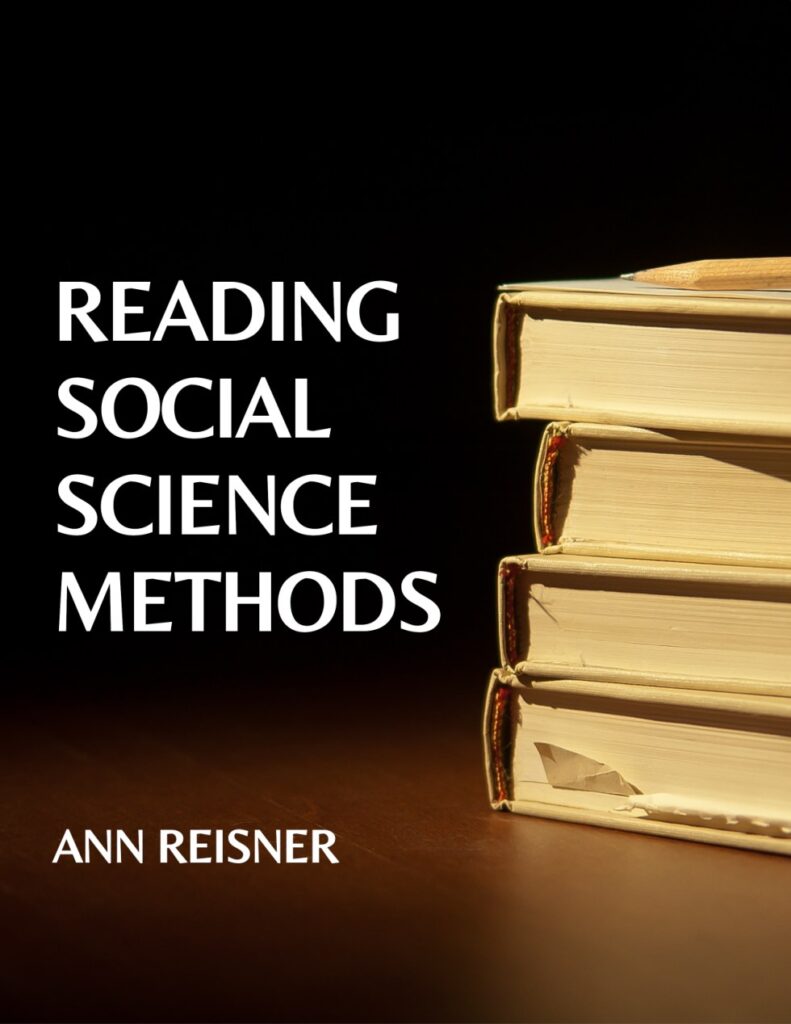 Humanities
Reading Social Science Methods
View Reading Social Science Methods — book Humanities
Creative Translation for Real-World Contexts: English ↔ Spanish
View Creative Translation for Real-World Contexts: English ↔ Spanish — book Humanities
French OER 1
View French OER 1 — book Humanities
French OER 2
View French OER 2 — book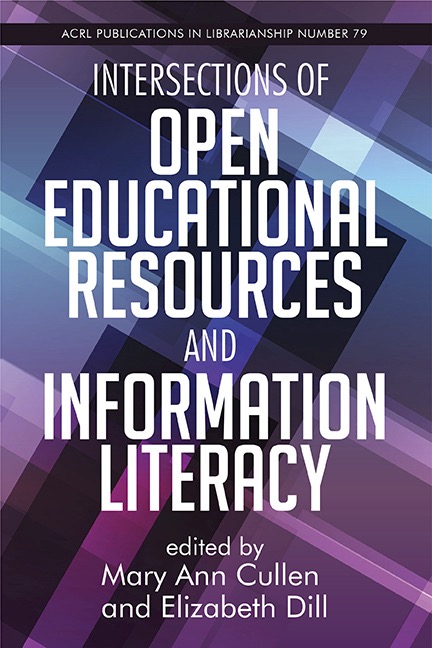 Curriculum & Instruction
Intersections of Open Educational Resources and Information Literacy
View Intersections of Open Educational Resources and Information Literacy — book Humanities
Elementary Swahili: Lugha na Utamaduni
View Elementary Swahili: Lugha na Utamaduni — book Humanities



