
Human Nutrition
NutritionTextbook
Nutrition Science and Everyday Application (Callahan, Leonard, and Powell)
Not rated yetRate this bookConnect nutrition science with everyday claims across eleven units. Original tasks compare evidence, nutrient roles, metabolism, body-weight concepts, micronutrients, physical activity and life-stage questions.
Read on the publisher’s website. Opens in a new tab.
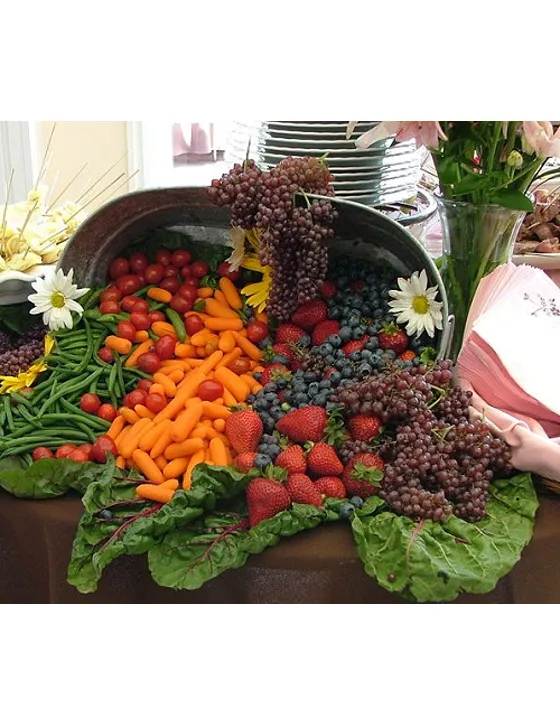 Free
About this book
Nutrition Science and Everyday Application by Alice Callahan, Heather Leonard and Tamberly Powell connects nutrient science with the interpretation of everyday food information. Eleven units move from healthy-diet questions and information literacy to the molecules and processes supporting life. Carbohydrates, lipids and protein lead into body weight, micronutrients, physical activity and nutrition across the lifespan.
The organization supports a repeated movement between biological explanation and the claims people encounter about food. A nutrient category, a food and a complete eating pattern are different things, while an attention-grabbing headline may conceal the limits of the study behind it. This guide adds original tasks for comparing claims, mapping mechanisms and identifying context. The two micronutrient units are kept distinct: the later unit extends the discussion toward bone health, energy metabolism and blood health. These overviews reflect selected unit openings rather than every dietary recommendation or study. Tasks do not prescribe personal intake, supplements or weight goals.
AI-assisted book summary
Reading guide
Begin with diet concepts and information literacy before molecular processes and macronutrients. Use those foundations for body weight and micronutrients, then compare physical-activity and lifespan contexts.
Chapter-by-chapter guide
1: Designing A Healthy Diet
The first unit asks what makes a diet healthy and moves between nutrients and food choices. It recognizes variation in foods and social meaning. A single ingredient cannot represent the full pattern of eating.
Study task: Separate a fictional healthy-diet claim into nutrient, food and eating-pattern questions.
2: Nutrition Science and Information Literacy
Information literacy examines changing headlines, recurring debates and how nutrition evidence is communicated. A dramatic message and the underlying study may ask different questions. Define the claim before evaluating its support.
Study task: Rewrite a fictional headline as a research question and identify the evidence needed.
3: Molecules of Life- Photosynthesis, Digestion, and Metabolism
Molecules of life connect atoms, cells, photosynthesis, digestion and metabolism. The opening emphasizes relationships among processes rather than isolated facts. Trace matter and energy while distinguishing the roles of plants and animals.
Study task: Draw a concept map linking photosynthesis, food, digestion and metabolism.
4: Carbohydrates
Carbohydrates are introduced by challenging narrow associations with sweets or grain foods. The nutrient category occurs across food groups. Distinguish a carbohydrate’s classification from a judgment about an entire food or diet.
Study task: Compare two fictional carbohydrate-containing foods without declaring the nutrient category good or bad.
5: Lipids
Lipids are introduced through a culturally situated food example. The context connects nutrient discussion with food sources and community meaning. Keep the nutrient’s biological role distinct from a sweeping claim about one food.
Study task: Map a lipid-related learning question alongside a question about the source food’s context.
6: Protein
Protein learning connects structure with varied roles across the body. The opening goes beyond muscle to functions such as immunity and digestion. A role does not by itself establish a personal intake requirement.
Study task: Compare three source-described protein functions without setting an intake target.
7: Body Weight and Health
Body weight and health introduce energy-related questions through an endurance example. A highly unusual activity context should not become a general dietary rule. Identify the demands and assumptions before interpreting an estimate.
Study task: List context needed to understand a fictional energy-demand comparison without calculating a diet.
8: Vitamins and Minerals I
The first micronutrient unit introduces classification, sources and functions including fluid balance, antioxidant roles and vision. Small quantities do not mean small importance. Separate a nutrient’s role from a claim that more is necessarily beneficial.
Study task: Organize source micronutrient topics by function without supplement recommendations.
9: Vitamins and Minerals II
The second micronutrient unit extends the discussion to bone health, energy metabolism and blood health. It complements rather than repeats the first unit. Linking functions helps organize overlap among nutrients.
Study task: Create a function-based micronutrient map and mark connections between the two units.
10: Nutrition and Physical Activity
Physical activity is connected with physical, mental and social well-being and with fueling demands. Activity context matters to a nutrition question. This overview does not turn the relationship into a sports-nutrition prescription.
Study task: Compare the information needs of two fictional activity contexts without assigning intake goals.
11: Nutrition Throughout the Lifespan
Lifespan learning compares nutrition-related questions from pregnancy and infancy through older adulthood. Needs and circumstances change, while food also has social significance. General life-stage categories cannot determine an individual plan alone.
Study task: Compare two life stages by the questions requiring contextual information rather than numeric targets.
How to study this book
For a food claim, distinguish nutrient, food, eating pattern and health outcome. Identify the underlying evidence and its limits. Use fictional comparisons without personal calorie, supplement or weight targets.
Reflection questions
- What does the evidence actually measure?
- How does a nutrient differ from the food containing it?
- Which assumptions change across activity levels or life stages?
Sources and coverage
Source: Nutrition Science and Everyday Application (Callahan, Leonard, and Powell) — LibreTexts.
Original reader guide based on the verified contents and selected substantive chapter or section openings, introductions, prompts and learning objectives in the linked source PDF. It is not a full review of every subsection, exercise, illustration, study or procedure. Study tasks are original additions, not exercises attributed to the source.
About access & copyright
This page provides book information and study material. Full-text access is provided by the original publisher or authorised source; a listing does not grant permission to republish the book.
Read our Library Access & Copyright policyEvidence
Nutrition headlines need to be traced to their research questions.
Connections
Digestion and metabolism link foods with biological processes.
Context
Activity and life stage shape distinct learning questions.
Reader ratings & reviews
Share your thoughts
Your review helps other students choose the right resources.
KEEP LEARNING
Your next great read
Nutrition
 dietetics
Kansas State University Human Nutrition (FNDH 400) Flexbook
View Kansas State University Human Nutrition (FNDH 400) Flexbook — book Canada's Food Guide
Interpreting Canada’s 2019 Food Guide and Food Labelling for Health Professionals
View Interpreting Canada’s 2019 Food Guide and Food Labelling for Health Professionals — book Cultural & Ethnic Studies
Pacific Food Systems for Children's Healthy Living
View Pacific Food Systems for Children's Healthy Living — book Natural Sciences
Food Preparation Lab Manual for FSHN 1150
View Food Preparation Lab Manual for FSHN 1150 — book Medicine
The Science of Nutrition
View The Science of Nutrition — book Geosciences
An Introduction To Geology
View An Introduction To Geology — book Geosciences
Physical Geology (Sierra College Edition)
View Physical Geology (Sierra College Edition) — book Geosciences
Introduction to Oceanography (Sierra College Edition)
View Introduction to Oceanography (Sierra College Edition) — book Geosciences



