
 Civil Law
Textbook
Legal Aspects of Property, Estate Planning, and Insurance
Not rated yetRate this bookLegal Aspects of Property, Estate Planning, and Insurance links to the LibreTexts Introduction to the Law of Property, Estate Planning and Insurance. Its eighteen chapters begin with the United States legal system and business obligations before developing property, real-estate transactions, estates, insurance, and secured interests.
Free reading is available at the official source. Opens in a new tab.
 Free
About this book
Legal Aspects of Property, Estate Planning, and Insurance links to the LibreTexts Introduction to the Law of Property, Estate Planning and Insurance. Its eighteen chapters begin with the United States legal system and business obligations before developing property, real-estate transactions, estates, insurance, and secured interests.
How to study this book
Use fictional fact patterns and a consistent issue–rule–application–conclusion method. Identify the legal source, jurisdiction, parties, property interest, and procedural stage before drawing a conclusion. Treat the book as a teaching source; distinguish its historical examples from current authorities that would be needed for an actual transaction or dispute.
Chapter-wise explanations and study tasks
Chapter 1 — Law and Legal Systems
The opening compares legal thought, categories of law, source priority, and legal systems. Learning how to locate an applicable rule is as important as learning its content.
Study task: Classify the sources in a fictional property dispute and explain which source-priority questions must be resolved.
Chapter 2 — Corporate Responsibility and Business Ethics
Ethical perspectives and a decision model broaden inquiry beyond legal compliance. Separate a legal obligation from a reasoned ethical judgment, while recognizing that a transaction can raise both.
Study task: Analyze a fictional land-use choice under two ethical perspectives and distinguish the resulting arguments from legal requirements.
Chapter 3 — Courts and Legal Process
Jurisdiction, discovery, trial, judgment, appeal, enforcement, and alternative resolution organize the path of a dispute. A substantive property claim must still be pursued through an appropriate process.
Study task: Map a hypothetical dispute from filing through enforcement and identify the role of a settlement alternative.
Chapter 4 — Constitutional Law and Commerce
The Commerce Clause, dormant Commerce Clause, preemption, and constitutional protections shape government regulation of business. Identify the government action before considering the relevant constitutional framework.
Study task: Frame the constitutional questions raised by a fictional state restriction on an interstate business.
Chapter 5 — Administrative Law
Agency structure, powers, procedure, and judicial review explain how regulatory decisions affect businesses and property. Distinguish the agency’s authority from the procedure used to exercise it.
Study task: Trace a fictional permit decision and list the authority, participation, and review questions it raises.
Chapter 6 — Criminal Law
Criminal liability involves the nature of an offense, responsibility, procedure, and protections for the accused. Keep allegations, required elements, and evidence separate.
Study task: Create an element-by-element analysis of a fictional property-related offense without assuming disputed facts are established.
Chapter 7 — Tort Law
Intentional torts, negligence, and strict liability provide different bases for civil responsibility. The presence of harm alone does not settle which theory or elements apply.
Study task: Compare two possible tort analyses of a fictional premises incident and identify the facts each would require.
Chapter 8 — Contracts
Contract principles support later discussion of sales, leases, insurance, and financing. Establish formation and obligations before analyzing performance, defenses, or remedies.
Study task: Outline the contractual issues in a fictional property transaction and distinguish them from ownership questions.
Chapter 9 — Personal Property and Fixtures
The distinction between personal property and fixtures affects competing claims to an item associated with land. Examine the relevant relationship and context instead of assuming physical attachment answers every question.
Study task: Analyze a fictional dispute over installed equipment and identify the classification facts that matter.
Chapter 10 — Intellectual Property
Intellectual-property categories protect different interests in intangible assets. Identify the asset, alleged conduct, and relevant form of protection before applying the chapter’s framework.
Study task: Compare the issues raised by a business name, a creative work, confidential information, and a technical invention.
Chapter 11 — Real Estate and Environmental Regulation
The chapter connects interests in real estate with public limits on land use and environmental effects. Ownership, permitted use, and potential responsibility are distinct questions.
Study task: Create an issue checklist for a fictional development site covering ownership, land-use controls, and environmental concerns.
Chapter 12 — Transfer of Real Estate by Sale
A real-estate sale involves an agreement and a transfer process, with title and transaction details requiring careful attention. Separate the promise to sell from the steps that convey an interest.
Study task: Draw a fictional sale timeline and identify where contract, title, and transfer issues arise.
Chapter 13 — Landlord and Tenant
Lease relationships allocate possession, obligations, and remedies between parties. Read the agreement alongside the legal framework described by the chapter rather than treating every dispute as a simple rent calculation.
Study task: Analyze a fictional lease disagreement by identifying the disputed obligation, relevant facts, and possible procedural questions.
Chapter 14 — Wills, Estates, and Trusts
Estate planning concerns different mechanisms for directing property and organizing interests. Distinguish a will, estate administration, and a trust rather than using them as interchangeable labels.
Study task: Diagram a fictional trust relationship and contrast its roles with those involved in administering an estate.
Chapter 15 — Insurance
Insurance transfers specified risks through a contractual arrangement. Identify the insured interest, covered event, policy terms, and claim facts before assuming a loss is covered.
Study task: Analyze a fictional loss by separating the occurrence of damage from the policy questions needed to assess coverage.
Chapter 16 — Secured Transactions and Suretyship
A security interest in assets and a promise by a surety create different forms of protection for an obligation. Track the creditor, debtor, collateral, and any additional obligor.
Study task: Draw the relationships in a fictional secured loan with a surety and identify the distinct claims involved.
Chapter 17 — Mortgages and Nonconsensual Liens
Mortgages and other liens create claims connected with property, but their origin and priority may differ. Organize the timing and nature of each claim before considering enforcement.
Study task: Build a fictional competing-claims timeline and list the information needed for a priority analysis.
Chapter 18 — Bailments, Storage, Shipment, and Leasing
Possession and use of goods can change without ownership changing. The final chapter examines relationships in which goods are held, transported, or leased and the responsibilities those arrangements create.
Study task: Compare storage, shipment, and leasing scenarios, identifying who owns, possesses, and controls the goods in each.
Applied assignment
Prepare an academic case file for a fictional business leasing premises, purchasing equipment on credit, storing customer goods, and buying insurance. Select four connected issues, map the parties and property interests, apply the relevant chapter frameworks, and state the missing facts and current authorities needed for a real analysis.
Suggested reading plan
Read Chapters 1–8 for legal institutions and general obligations. Study Chapters 9–13 for assets and real-estate relationships, then 14–18 for estates, insurance, creditor interests, and possession of goods. Revisit one fact pattern after each block to identify newly visible issues.
Questions for reflection
- Which party has ownership, possession, a contractual right, or a security interest?
- What changes when several claims concern the same asset?
- Which jurisdictional and procedural facts are necessary before applying a substantive rule?
Edition and source notes
The catalog title differs from the introductory title printed in the LibreTexts PDF. This guide follows the eighteen included chapters and their United States legal context. It is an academic study guide, not a set of current legal instructions for preparing wills, transferring real estate, or resolving an insurance claim.
About access & copyright
This page provides book information and study material. Full-text access is provided by the original publisher or authorised source; a listing does not grant permission to republish the book.
Read our Library Access & Copyright policyExplore the contents
Check the chapters covered in this edition.
Visit the official source
See reading, preview or purchase options.
Save for later
Keep this textbook in your saved collection.
Reader ratings & reviews
Share your thoughts
Your review helps other students choose the right resources.
KEEP LEARNING
Your next great read
Civil Law Civil Law
Law of Commercial Transactions
View Law of Commercial Transactions — book Civil Law
Fundamentals of Business Law
View Fundamentals of Business Law — book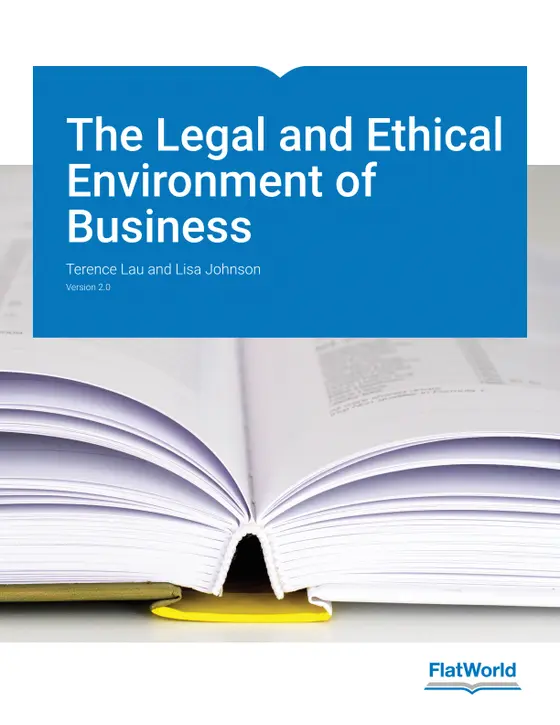 Civil Law
The Legal and Ethical Environment of Business
View The Legal and Ethical Environment of Business — book Civil Law
Computer-Aided Exercises in Civil Procedure
View Computer-Aided Exercises in Civil Procedure — book Civil Law
Civil Procedure: Pleading
View Civil Procedure: Pleading — book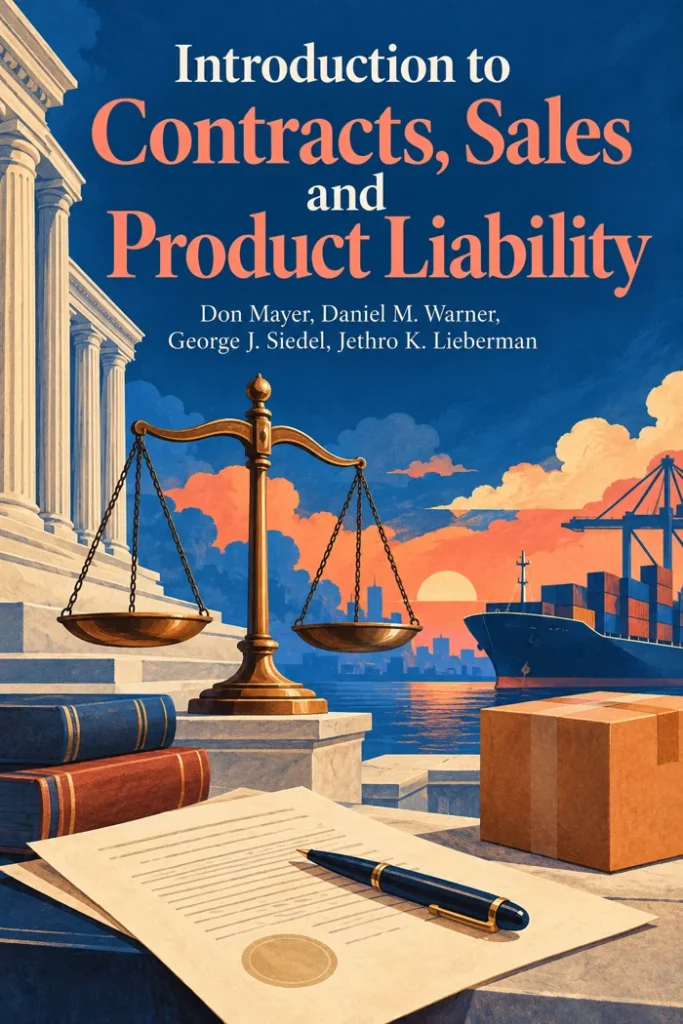 Administrative Law
Introduction to Contracts, Sales and Product Liability
View Introduction to Contracts, Sales and Product Liability — book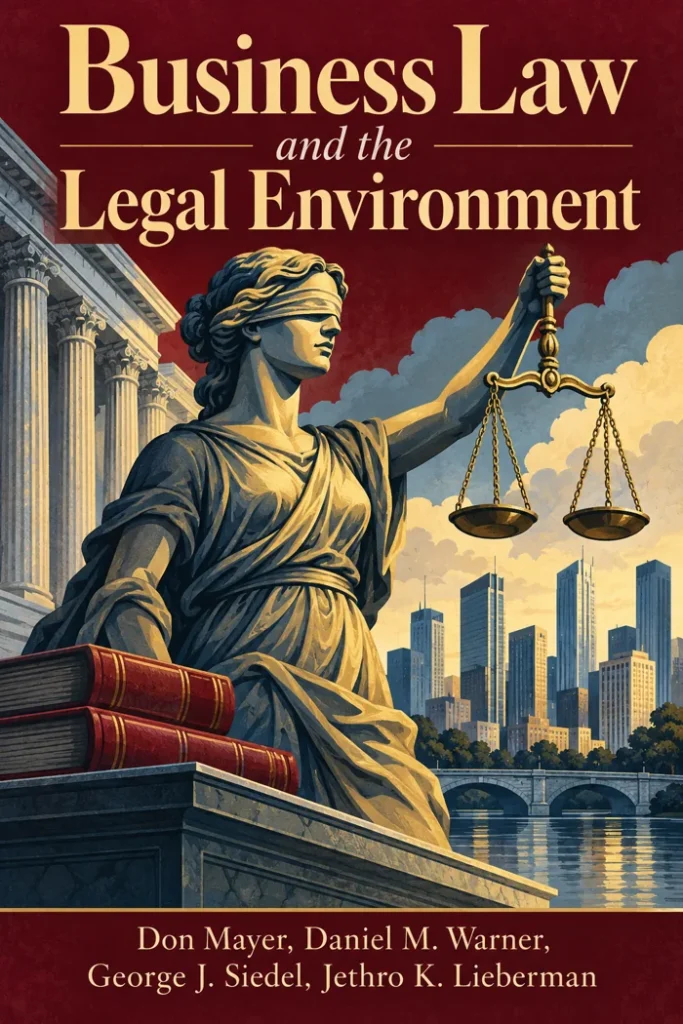 Business
 Law and the Legal Environment
View Business Law and the Legal Environment — book Civil Law
Torts: Cases, Principles, and Institutions
View Torts: Cases, Principles, and Institutions — book Civil Law



