
CHAPTER 1
1.1 INTRODUCTION
The recruitment and selection of employees by a company or institution is the first step in the Human Resource Management (HRM) process. Introducing HRM practices must be done when recruiting new staff. HRM processes may encourage and motivate employees' talents, which may affect their efforts. study of the relationship between HRM practices, salary inequality, and job satisfaction It seeks to determine how HRM practices may differ between members who are unionized compared to those who are not, and how these differences affect overall job satisfaction and pay satisfaction. Investigated is the effect of perceived disparities in wages. The results show how intricately linked staff satisfaction is to HRM procedures [1]. The study focuses on HRM, which plays an essential role in businesses that promote stability and economic success. As they deal with issues like financial crises, such organizations must strategically adapt. HRM practices are essential for improving employee performance, encouraging productivity, and gaining competitive advantages in the banking sector. The banking sector in India is frequently faced with difficulties in an era of rising global competition [2]. Due to increased rivalry, banking institutions are forced to use information and communication technology (ICT) in order to improve customer service and reduce expenses. Although ICT enables banks to provide specific goods through a number of channels, consumers are becoming more erratic, causing banks to constantly reevaluate their products. Excellent customer service has become essential for both keeping current clients and bringing in new ones because of the decreased switching costs, which have changed the way the banking sector operates [3].
Particularly when it comes to managing the difficult socioeconomic situation of millennials, HRM is essential to the attempt to remain sustainable. A new direction in HRM has been brought about by the development of electronic HRM (e-HRM). By using web-based solutions to swiftly handle all HR-related operations, from employee benefits management to the hiring process, e-HRM enables organizations to manage the complexity of modern HR [4]. The focus of HRM in this chapter is centered on the United Arab Emirates (UAE). Despite a lack of research on HRM in the area, it examines the socioeconomic context of the UAE, takes into account HRM's contribution to economic transformation, examines the structure of the labor market, and evaluates HRM policies and challenges. It also assesses the impact of the unique organizational and cultural characteristics of the UAE on HRM and recommends future study areas, emphasizing the requirement for the creation of an HR Information System (HRIS) and a professional HR organization for the development of HRM in the UAE [5]. It investigates why HRM practices affect worker productivity in the competitive banking sector. It focuses on the literature, the researcher's experience, and interactions with banking workers to examine the question of how HRM affects employee performance [6].
1.2 Human Resource Management
HRM involves the employees of an organization. Human control is a completely novel and challenging endeavor since people differ and change their behavior from one another. No two people are the same in terms of their intellectual prowess, strategies, emotions, and behaviors; they also differ greatly from one another as a whole and are affected by a wide range of factors. Humans respond to events and act in accordance with their emotions. Humans cannot be moved and changed like furniture or decorative objects in a room's layout. They consequently desire a delicate deal with staff members using human skills. In the modern, highly competitive business environment, "every organization needs the best performance from their employees towards the achievement of the organizational goals through the presentation of the tasks by demonstrating the tasks by being creative and effective." HRM is a method of managing the workforce of an organization. HRM is a method business may use to hire people for their company. "HRM is an approach that specializes in employee improvement and development on the one hand and powerful employee management on the other." It depends on their potential, likely competencies, accomplishments, motivation, ability, commitment, enormous abilities, and other factors. HRM is concerned with maintaining the human worth of employees in order to establish their characteristics as valuable people. An organization depends on its committed, skilled, and talented people resources for everything. HRM is involved in every corporate and management action for this reason. The staff members who make up a company's HR are its most important component [7]. Due to each organization being comprised of people, human resources management involves measuring people in all facets of management in order to take advantage of their potential, develop their skills, motivate them to perform at a high level, and ensure that they will remain committed to the business employer for a longer period of time. This is a genuine business, government, educational institution, fitness center, or social movement. Every organization, whether profit-making or not, public or private, has to find and keep the right people to accomplish its goals [8].
1.2.1 Definitions of HRM
A wide range of management-related policies and practices are included in HRM in order to help in the development of positive interpersonal relationships and the efficient operation of organizations. Examples of these practices and policies include work-life balance, information sharing and communication, employee welfare and salary, and performance evaluations.
For a unique position in the market, describe "HRM as an integrated strategy for optimal utilization of HR. There are a number of significant definitions of HRM provided by different specialists, but no one definition is commonly recognized.
HRM is "the process that is concerned with the acquisition, development, compensation, integration, and maintenance of the personnel of an organization for the purpose of contributing to the accomplishment of that organization's major goals or objectives," according to the definition provided by the HRM Association.
HRM is an inclusive and appropriate systematic way to manage the employees of the organization, claims the statement. This additionally has something to do with the way an organization's environment and culture are handled. An organization may increase its performance and productivity by using effective and efficient management to help accomplish its goals and objectives [9].
1.2.2 Characteristics of Human Resource Management
1.2.2.1 People Oriented
This essential HRM component is obvious. On the contrary, HRM is entirely focused on people. Therefore, effective HRM must prioritize people. While handling a company at work is a given, effective HRM considers all of our personal situations.
1.2.2.2 Employee Oriented
Improving the work life of employees is an essential component of HRM. It involves not only managing them but also making yourself available for any questions or help. The more quickly HR professionals get a business to perform at its best when people are content, the better.
1.2.2.3 Gives Opportunities
There are several potential uses for HRM quality. However, the goal of this HRM component is to inform the employees that there is potential for professional growth. HRM teams must help workers develop time-limited, attainable goals for their progress within the organization.
1.2.2.4 Decision Oriented
Nowadays, society makes it simple to obtain information. The thing that's important, though, is the work that is done with the data. As a result, data processing and offering a variety of reliable, helpful information are essential to the components of HRM.
1.2.2.5 Development oriented
A component of HRM behavior involves the growth of workers. Plan training programs a while in advance to meet the needs of employees and to prepare for both current and future development. When provided with information, a worker is more certain that they can accomplish their job more effectively
1.2.2.6 Individual Focus
Every group has to have a thorough plan. However, it's equally essential to remember your own personal goals. For effective HRM, it is recommended to meet with each employee individually and ask about their level of satisfaction.
1.2.2.7 Continuous Function
This is a simple way to explain this HR quality. When the HR manager is absent due to sickness, how often does it seem like things are going wrong in the office? HR management involves a constant flow of information and tasks.
1.2.3 Nature of Human Resource Management
HRM is a process that connects groups of people and organizations to achieve their common goals. The several HRM characteristics consist of:
It is common among all companies, which makes it widespread in nature.
It places more emphasis on results than on regulations.
It makes an effort to encourage employees' maximum potential development.
It motivates staff to put everything they have into the company.
It all comes down to the people who are working—individually and in groups.
It makes an effort to allocate individuals to given tasks in order to get good outcomes.
By giving an organization access to capable and motivated personnel, it helps the organization achieve its long-term objectives.
It makes an effort to promote and maintain friendly relationships among employees at different levels of the company.
It is a multi-disciplinary activity that draws on information and input from other fields, including psychology, economics, and others [11].
1.2.4 Scope of Human Resource Management
In order to reduce organizational disorder, HRM is necessary. The relevance of HRM is shown by the following examples:
1.2.4.1 Planning for Human Resources:
Making sure that the organization has the right people in the right positions at the right times is the aim of HR planning. In order to evaluate present and upcoming needs, as well as availability and prospective shortages, it develops a human resource inventory. After that, supply, demand, and source of selection estimates are made by HR planning. Long- and short-term plans are provided by HR Planning to meet workforce needs.
1.2.4.2 Job Design and Organizational:
Creating an organization's structure, power, connections, and tasks is what this procedure involves. For each job inside the organization, this will need to define the scope of work. This is achieved by using a "job description." The "job specification" step is also very important. An individual's qualities are described in a job specification.
1.2.4.3 Staffing and Selection:
This is the method used to choose and recruit employees. This requires matching job criteria and career routes provided by the company with people's expectations.
1.2.4.4 Training and Education:
For employees to gain the knowledge and skills necessary not only to finish the duties at hand but also to meet the expectations the organization will place on the organization in the future, a systematic effort is being made to identify individual training demands.
1.2.4.5 Growth of the organization.
This is an essential factor for the formation of an organization's "synergetic impact," i.e., positive interactions between individuals and groups.
1.2.4.6 Benefits and Compensation:
In the field of pay and salary administration, wages and compensation are determined scientifically to satisfy fairness and equitable standards. There are other labour welfare measures, such as services and benefits.
1.2.4.7 Employee Support:
Each worker has a unique personality, set of standards, and attitude. Most of the time, problems affect every one of them on a daily basis. While others are public, some are secret. He or she is worried about their situation. For him or her to be more effective and enjoyable, these issues must be resolved [12].
1.2.5 Significance of Human Resource Management
Human resource management is the combination of three words Human + resource management. Humans indicate to the skilled and eligible workforce. Resource refers to the availability of limited resources. Management refers to managing the workforce and resources in such a way that the organization is able to meet its objectives and ultimate goals. The following are the significance of HRM in different areas.
1.2.5.1 Social Significance
HRM has its social significance. It helps employers to utilize, and inspire employees to accomplish organizational goals and plans. HRM ensures the reconciliation of a person's dreams with the dreams of the organization. It enables to obtaining and keeping of high morale among personnel of the business enterprise. HRM encourages employees to make their own decisions which can be in their interest and abilities. HRM gives numerous guidelines that permit removing the wrong implementation and placing of HM, through the conservation of their regular strength and fitness.
1.2.5.2 Organizational significance
There is a greater role of HRM in preserving the glory of the employees in the organization. HRM has its important for the employer, it offers and helps to grab the most possibilities for employees' personal improvement prevailing in the enterprise surroundings. It enables improving the employee operating ability and capability. It allows for correcting the mistake of incorrect posting and the right reallocation of labor. HRM gives the company well-skilled and well-inspired workers. To upsurge the worker’s satisfaction with their jobs to the fullest, HRM has numerous tools and policies. HRM allows keeping stability between the task available and task seekers in keeping with the qualifications and desires required with the aid of the enterprise.
1.2.5.3 Significance for individual/ employee
Proper implementation of HRM helps an individual to create the right attitude by effective encouragement to do work with complete enthusiasm. Employing the available humans by putting the right person in the right place helps an individual to show their capabilities and skills at their best. It allows for acquiring the desired support of the employees for reaching desired goals set by a business organization. Creating a sense and feeling of belongingness and team spirit among employees will increase the cooperation and coordination of employees. HRM ensures mutual respect for people by picking out and fulfilling the needs of individuals in track with company culture.
1.2.5.4 Significance for the Country
HRM not only serves its importance to organizations, individuals, and society but also to the country. HRM provides rise to professional and knowledgeable employees by means of presenting the right training and work as per their skills. It increases the proportion and role of women as workers by providing a proper work-life balance. It provides growth of powerful nationwide by making trade unions to protect workers. HRM widening the scope of law through designed acts to guard the interest of the working class in a country. Improving the employer-employee relationship creates a positive business environment and increases the further growth opportunities of business which leads to more employment opportunities. HRM serves its importance to the country by various means [13]
1.2.6 Components of Human Resource Management
The following are the various components of HRM.
1.2.6.1 Recruitment
As we know, the success of an organization revolves around the competence and efficiency of its HR. So, it becomes very important for every organization to procure good, capable, and skilled human resources. Recruitment is the first and prime function of HRM to bring capable and skilled employees to the organization. It is the process of procuring new employees for an organization to fill vacant posts required for the smooth operations of the work. Thus, the main function of HRM starts with recruitment, because if management is not serious in its recruitment process, then incapable persons will be appointed in the organization and it will create hindrances in the working of the organization and the organization cannot achieve its goals and objectives. So, the recruitment function is the most critical function of HRM.
Before any organization begins to invite applications to fill up some vacant seats, it must first of all consider the sources of recruitment. There are two main sources of recruitment, namely
a) Internal sources and
b) External sources.
a) Internal Sources
It means recruitment from within the organization. In this source, appointments are made to the higher posts in the service from within the serving employees of the organization through promotions and competitive examinations.
b) External Sources
It means the recruitment of employees with the direct method. New entrants to the jobs are given the opportunity to apply. So, external sources include employment exchanges, casual or contract appointments, advertisements in newspapers, ex-servicemen, employees on deputation or ex-gratia employees, etc.
1.2.6.2 Promotion
One of the major objectives of a good human resource system is to give opportunities to meritorious and deserving people so that they can contribute their best. In career service, promotion has an important bearing on the employees’ self-development. It is an appointment from a given position to a position of higher grade, involving a change of duties to a more difficult type of work with greater responsibility, accompanied by a change of title and usually with an increase in pay. It is the main function of the organization that management should formulate such a promotion policy that would satisfy the employees and give them an opportunity to grow further.
A good promotion policy provides an incentive to work more effectively and recognition to an employee who has done well. It increases job satisfaction among employees.
1.2.6.3 Transfer
Transfers are also viewed as a part of the career development of employees. A systematic transfer policy is formulated through proper job description and analysis, which provides greater job satisfaction to the workforce. It can have a negative impact on the job satisfaction of the employees if it is not considered seriously. Transfer of an employee affects the motivation level, skill, and competence at the job. So, transfer policy should be fair and transparent and should be prepared for the best use of human resources.
1.2.6.4 Performance Appraisal System
Performance appraisal is viewed as a process of re-examining or evaluating the performance, recording and making it available in the form of feedback to the employees so that they can improve themselves. It determines each employee’s competencies, abilities, and relative value for the organization. It helps to estimate the gap between the actual and desired performance so that an endeavor can be made to fill those gaps.
It also provides the management with a systematic basis for effectively recognizing and evaluating the present and potential capabilities of human resources and related functions of promotion, transfer, training, and separation. So, the organization should have a sound appraisal system to assess the capabilities of its employees.
1.2.6.5 Salary Management
Employee compensation is also concerned as a very important issue in human resource management. Compensation consists of basic pay and additional remuneration. No organization can expect to attract, and retain qualified and motivated employees unless it pays them fair compensation. For employees, pay is more than a means of satisfying physical needs. It provides them with a sense of recognition and determines their social status. The compensation given to an employee should be adequate to sustain and meet the needs of employees and their dependents. The employee should be satisfied with his pay, as compared to the pay for performing the same type of employment in other organizations. The key objective of salary management is that employees should be equitably remunerated for the service rendered by them in the organization.
1.2.6.6 Welfare of Employees
Employees’ welfare plays an important role in the growth and development of the organization. If the organization takes an interest in the welfare, then employees will become efficient and loyal to that particular organization. These facilities help such an organization retain its employees for a longer period and raise the standard of living of the employees by providing them some sort of basic amenities other than their remuneration.
After the employees have been hired, trained, and remunerated, they need to be retrained and maintained to serve the organization for a longer period. Better welfare facilities are designed to take care of the well-being of employees which do not generally result in any monetary benefit to the employees. These facilities are not provided by employers alone. Governmental and non-governmental agencies and trade unions also contribute towards employees’ welfare [14].
1.3 Human Resource Management Practices
The term Human resource management (HRM) emerged in Britain in the mid to late 1980‟s and continued to be surrounded by controversy. “HRM involves three aspects: one is the link between human resources and strategies opt by the organization; a second is the key role which superiors play in managing their subordinates; a third is the emphasis on the integration of policies and practices, with each other as well as with business strategy.” Any organization gets success by implementing practices successfully in the organization. The HRM practices implemented in the organization must linked with each other and mark a great contribution to the achievement of organizational goals and plans [15].
Explained “HRM practices as a system that attracts, develops, motivates, and retains employees to ensure the effective implementation and the survival of the organization and its members.” Besides, “HRM practices is also conceptualized as a set of internally consistent policies and practices designed and implemented to ensure that a firm’s human capital contributes to the achievement of its business objectives” defined “HRM practices a set of practices used by the organization to manage human resources through facilitating the development of competencies that are firm-specific, produce complex social relation and generate organization knowledge to sustain competitive advantage.” The brief introduction of the HRM practices taken in this study has been discussed in the following paragraphs.
1.3.1 Performance Appraisal (PA)
“Performance Appraisal is the systematic evaluation of the performance of employees and to understand the abilities of a person for further growth and development.” It is the method that is used in the performance management system, in which human performance is identified, measured, and developed by the organization. This system includes activities like role definition, performance agreement which defines expectations- what the individual has to achieve in the form of objectives, personal development plan, managing performance throughout the year, and finally performance review, which is a formal evaluation stage. PA is a system that is undoubtedly related to organizational overall performance. It makes certain that a proper performance appraisal structure beautifies performance and production in the organization. A complete, transparent appraisal structure of performance enriches expertise preservation of employees, mounted that a complete performance appraisal structure will increase workers' dedication. Overall, PA impacts organizational overall work. As a consequence, performance Appraisal allows the supervisors to chalk out the promotion programs, repayment programs, frame training rules and applications, right selection technique, effective conversation between personnel and employers, motivation for efficient personnel.
1.3.2 Human Resource Planning (HRP)
According to “human resource planning is the process by which a management determines how an organization should make from its current manpower position to its desired manpower position.” Thus, the main objective of HRP is to estimate an accurate number of eligible employees required by the organization to perform its tasks and jobs. “ HRP is a process that identifies current and future needs for an organization to achieve its goals. HRP serves as a link between HRM and the overall strategic plan of an organization. It ensures putting the right type of people, in the right number, at the right time and at the right place, who are trained and motivated to do the right kind of work at the right time, there is generally a shortage of suitable persons.” HRP provides business enterprises proper sort of staff at the proper time and place. It keeps a balance between needs-for and deliver-of assets and forecasts the future enabling to supervision of manpower in a better manner, as a result, pitfalls may be avoided. HRP facilitates the employer to broaden a succession plan for all its employees. It guides the enterprise to evaluate the weaknesses and strengths of manpower thereby making the management take remedial measures. Thus, HRP as a whole helps the organization to increase its productivity, profits, skills, etc. over a period of time and gives an edge over its competitors.
1.3.3 Training and Development (TD)
Training is the process of teaching and learning for new and present workforce to gain the skills and knowledge that they need to complete their work. Training is currently a strategic function in many organizations. Training is the activity leading to skilled behavior. Training is the formal and systematic change of behavior via studying that happens as a result of training, training, development, and deliberate experience. Suitable training is required for various wants along with resolving pertinent issues, enhancing overall performance, and also for continuous development of human sources of the corporation. The practice is one of the most essential aspects of HRM practices needed to hold corporations in advance of their competitors. Companies that engage in systematic training in their group of workers are much more likely to enjoy the rewards of greater efficient personnel. Training and development are a sub-system of HRM practices that emphasizes the improvement of the performance of individuals and corporations. Training is an academic method that includes polishing current abilities, and ideas, altering mindset, and attaining more information to heighten the performance of the personnel.
1.3.4 Employee Welfare and Compensation (EWC)
Labor welfare is a word that is known to encompass offerings, services, and facilities set up within the area of undertakings to allow the males and females hired to perform their jobs in a healthy, friendly environment and provide services to perform well and to increase morale. Reimbursement and advantages refer to the compensation/income and other economic and non-financial advantages surpassed by a firm to its personnel. Reimbursement and benefits are a vital element of HRM practices, as they facilitate to preservation of the group of workers' influence and inspire them to stay with the enterprise due to its better compensation coverage. It helps in supplying benefits to employees based on their performance and actions and brings quality out of the personnel at the workplace. Employee welfare includes everything from services, facilities, and advantages that are furnished or accomplished through an employer for the benefit or consolation of an employee. It's miles undertaken with the purpose of motivating employees and raising productivity levels. Compensation management is the act of supplying monetary cost to an employee for the work they do through a corporation method or policy. Some types of compensation consist of income, bonuses, and benefit programs. Organizations use compensation management so that they can discover, keep, and inspire employees to do quality work.
1.3.5 Job Sculpting/ Art of Retaining (JS)
Job sculpting is the process of preserving the finest people of an organization and supports broader employee retention objectives. “Job sculpting is a process of matching people to jobs that allow their skills to be expressed in the best possible ways. It is the art of forging a customized career path in order to increase the chance of retaining talented people.” Through JS an enterprise capitalizes money and time in tutoring employees and makes them ready to work and understand the culture of the enterprise. It is vital practice to keep the valued and talented staff who contribute to the organization by showing their potential at its best level. The workforce working for so many years is more aware of the firm's strategies, rules, procedures, and plans, so they adjust to the organization easily and management has to put less effort into such employees, thus, it increases the importance of job sculpting. Hiring is not an easy process; it is time-consuming and cost-consuming too. With a span of time loyalty and responsibility of the workers working with the enterprise will be more. Thus, Job Sculpting is an important HRM practice for the organization for its effective and efficient working.
1.3.6 Information Sharing and Communication (ISC)
Verbal exchange is used in human resources to relay information from managers to personnel. This data relates to company rules or goals. Effective verbal exchange increases productiveness, benefits employees to perform their work successfully, and helps the employer by presenting day-to-day information timely. Proper communication in the organization boosts employee morale to create a positive work environment. Effective communication builds strong relationships, trust, and loyalty in meeting individual needs, conveying important information, and providing positive feedback. The increment of information-sharing platforms and learning new technology is playing a substantial role in decreasing false communication and increasing the straightforwardness of the company. ISC is a fundamental tool in the workplace and makes employees more employable. It helps in strengthening excellent communication skills and sharing relevant information in the workplace. If something is urgent, communication between colleagues is crucial.
1.3.7 Work-Life Balance (WLB)
Work work-life balance concept was first invented in the United Kingdom in the 1970s. Work-life balance is a dynamic construct, where finding the proper balance solely depends upon personal and work circumstances. “Manageable workload and flexible work arrangements will be helpful to those who find it harder to manage personal and professional life. It defines the degree to which an individual can simultaneously balance the emotional, behavioral, and time demands of both paid and unpaid work “. A healthy life can be maintained through having a structured work-life balance. This consists of a good weight-reduction plan, everyday physical games, and so forth. Work-life balance is an important HRM practice nowadays due to the highly competitive environment and busy schedules of employees. Proper timing should be allotted to complete every task whether it’s personal or professional. A proper balance of life will always motivate employees and staff who are motivated highly help the business to grow. Enormous research has been conducted on WLB at different spans of time. Most of these focused on work-life conflicts rather than work-life balance. Conflict related to work-life reflects the critical situation when it becomes very intricate to manage different domains (work, family, and personal domain) of life at the same time. While work-life balance shows the broad and positive aspect of perfect coordination of multiple roles. It is a mutual effort of employers as well as employees for the benefit of each other. There is a necessity for a flexible approach to work-life balance policies with the intention that employees can choose what they actually need [16].
1.4 Job Satisfaction
The term job satisfaction was brought to prominence by Hoppock. He reviewed 32 studies on job satisfaction conducted before 1933. According to him, job satisfaction means “the integration of psychological, physiological and environmental circumstances” that cause a person to absolutely say “I am satisfied with my job” [17].
Job satisfaction shall be the end feeling of a person after performing the job. To the extent that a person’s job satisfies his supreme needs and is in consonant with his expectations and values, the job shall be satisfying. The feeling shall be positive or negative depending upon whether the need was satisfied or not. It shall be the intellectual feeling of favorableness that an individual has about his job. DuBrins, 1988 defined job satisfaction as pleasure and exuberance when he said, “Job satisfaction shall be the amount of pleasure or exuberance related with a job. If you like your job fiercely, you will confront high job satisfaction. If you dislike your job fiercely, you will confront job dissatisfaction” [18].
1.4.1 DETERMINANTS OF JOB SATISFACTION
All those factors that provide a fit among individual variables, the nature of the job and situational variables determine the degree of job satisfaction. The same has been described in below given paragraphs:
1.4.1.1 INDIVIDUAL VARIABLES
Individuals have explicit expectations from their jobs. If these expectations were met from jobs, then they feel satisfied. These expectations were based on an individual’s level of education, age, and other factors.
I. Level of Education
The level of education of an individual shall be a factor that determines the degree of job satisfaction. For instance, several studies have found a negative correlation between the level of job education and job satisfaction. The possible reason for this phenomenon is that highly educated persons have very high expectations from their jobs which stay unsatisfied. In their study, Peter’s principle which suggested that in a hierarchy each and every individual tries to reach his level of ineffectiveness, applies more quickly. (Peter & Hull, 1986)
II. Age
Individuals experience distinct degrees of job satisfaction at different stages of life. Job satisfaction shall be high at the initial stage, gradually reduced, rising up to a definite age, and finally emanating to a low degree.
III. Other Factors
If an individual does not have a favorable social and family life, he shall not feel happy at the workplace. Similarly, other personal problems associated with him affect his level of job satisfaction [19].
1.4.1.2 NATURE OF JOB
The nature of the job determines job satisfaction which shall be in the form of occupational level and job content.
I. Occupational level
Higher-level jobs anticipate more satisfaction as compared to lower levels. This happens because high-level jobs bring prestige and status in society which becomes a source of satisfaction for the job holders. For instance, professionals acquire more satisfaction as compared to salaried people; factory workers were least satisfied
II. Job Content
Job content refers to the inherent value of the job which depends on the requisite of the skills for performing it and the level of responsibility and growth it offers. A higher content of these factors yields higher satisfaction. For instance, a routine and monotonous job provides lesser satisfaction; the degree of satisfaction gradually increases in job rotation, job enlargement, and job enrichment [20].
1.4.1.3 SITUATIONAL VARIABLES
Situational variables related to job satisfaction recline in the organizational context- formal and informal. Some of the salient factors that affect job satisfaction have been given below:
I. Working Conditions
Conditions at the workplace and similar facilities for performing the job determine job satisfaction. These work in two ways. First, these provide methods for job performance. Second, the provision of these conditions influences the individuals‟ perception of the organization. If these factors have been favorable, an individual shall experience a higher level of job satisfaction.
II. Supervision
The type of supervision influences job satisfaction as in each type of supervision; the level of importance attached to individuals varies. In employee-oriented supervision, there has been more concern for people which was perceived favourably by them and provided them more satisfaction. In job-oriented supervision, there has been more emphasis on the performance of the job and people become secondary. This situation diminishes job satisfaction.
III. Equitable Rewards
The type of linkage that has been provided between job performance and rewards determined the degree of job satisfaction. If the reward has been perceived to be based on job performance and non-biasedness, it offers higher satisfaction. If the reward has been perceived to be based on factors other than job performance, it affects job satisfaction adversely.
IV. Opportunity for Promotion
It is proven that individuals look for satisfaction in their jobs in the context of job nature and work environment yet they also attach importance to the opportunities for promotion that their jobs provide. If the present job offers possibilities of promotion in the future, it provides more satisfaction. If the possibilities for such promotion lacks then it reduces satisfaction.
V. Work Group
Individuals work in groups either created formally or developed on their own in order to seek emotional satisfaction at the workplace. To the extent, that such groups were cohesive; the degree of satisfaction shall be high. If the group is not cohesive, job satisfaction shall be low. In a cohesive group, people attain satisfaction out of their interpersonal interaction, and the workplace becomes satisfying leading to job satisfaction [21].
1.4.2 THEORIES OF JOB SATISFACTION
The main theoretical approaches to job satisfaction are as follows:
1.4.2.1 Need Fulfilment Theory
According to this theory “job satisfaction will change directly with the extent to which those needs of an individual which could be satisfied are actually satisfied, that had viewed satisfaction in terms of the positively valued result that the job provides to a person. Thus, job satisfaction was positively related to the level to which one’s needs were fulfilled. What may satisfy one individual may not satisfy the other because of differences in their expectations.
1.4.2.2 Equity Theory
Under this theory, it was believed that a person's job satisfaction depends upon his or her perceived equity as depicted by his or her input-output balance in comparison with the input-output balance of others. Each individual compares his or her rewards with those of a reference group. If he or she feels the rewards were equitable in comparison with others doing the same work then he or she feels satisfied. Job satisfaction thus shall be a function of the level to which job characteristics meet the desires of the reference group.
1.4.2.3 Two-Factor Theory
Fredrick Herzberg and his colleagues developed the two-factor theory. As per this theory satisfaction and dissatisfaction are independent of each other and exist on a separate continuum. The first set of factors known as hygiene factors (company policy, administration, supervision, remuneration, working conditions, and interpersonal relations) is known as dissatisfaction. The other set of factors termed satisfiers (achievement, advancement, recognition, work itself, and responsibility) leads to satisfaction.
1.4.2.4 Discrepancy Theory
According to this theory job satisfaction depends on what a person actually receives from his job and what he anticipates to receive. When the rewards actually received are less than the anticipated rewards it causes dissatisfaction. As per Locke (1969), job satisfaction and dissatisfaction were the functions of perceived association between what one wants from one's job and what one perceives it was actually offering. In other words, satisfaction shall be the difference between what one actually received and what he feels he should receive.
1.4.2.5 Equity-Discrepancy Theory
Under this theory satisfaction shall be defined as the difference between the outcomes that one perceives he had actually received and the outcomes that one feels he should receive in contrast with others and when the individual feels that what he actually received was equal to what he perceives he should receive there was satisfaction. Thus, an individual perceived that his reward was influenced by more than just the objective amount of that factor. Due to this psychological effect, the same amount of reward often can be seen differently by two people i.e., to one it can be a larger amount while to another person it can be a small amount [22].
1.4.3 IMPORTANCE OF JOB SATISFACTION
Job satisfaction shall be an important success factor for all organizations. It has been recognized to have a vital impact on many economic and social phenomena such as economic growth and higher standard of living. Organizations must pay attention to employees ‟s job satisfaction in order to stay profitable. The importance of job satisfaction for employees and organization has been given below:
I. Importance of Job Satisfaction for Employee
The employee will take prudence about the quality of their work;
They will create and deliver predominant value to the customer;
They will be more committed to the organization and
Their work will be more productive.
II. Importance of Job Satisfaction for Organization
Reinforce employee retention;
Increase productivity;
Intensify employee satisfaction;
Reduce turnover, recruiting, and training costs;
Enhance customer satisfaction and loyalty;
More zealous employees and
Improved teamwork [23].
1.5 Banking sector
Banks hold the status of one of the oldest intermediaries in the Indian Financial System. Banks play a vital role in mobilizing the deposits and allocation of funds on a credit basis to various divisions of the economy.
A bank is a financial institution licensed to receive deposits and make loans. Banks may also provide financial services such as wealth management, currency exchange, and safe deposit boxes. There are several different kinds of banks including retail banks, commercial or corporate banks, and investment banks. In most countries, banks are regulated by the national government or central bank.
Source: Investopedia
State Bank of India holds the credit of the largest bank and the oldest still in existence. It was first known as the Bank of Calcutta (June 1806). Later it was renamed as Bank of Bengal in 1809. But in 1840 and in 1943 presidency government developed three banks. In 1921, the Imperial Bank of India was formed by merging the three banks formed in 1840 and 1843, and later after India's independence came to be known as State Bank of India (1955). The presidency banks and their successors acted as quasi-central banks until the Reserve Bank of India was established in 1935. RBI was formed under the Reserve Bank of India Act, of 1934.
In 1960, the State Banks of India were given control of eight state-associated banks under the State Bank of India (Subsidiary Banks) Act, 1959. These banks are now called associate banks. In 1969, the Government of India nationalized 14 major private banks including the biggest bank, Bank of India. Six more private banks were nationalized in 1980. The scheduled banks are those included under the 2nd Schedule of the Reserve Bank of India Act, 1934 Because of their large size and widespread networks these nationalized banks dominated the banking sector.
Source: According to the Banking Regulation Act, of 1949
The banking sector in India can be broadly classified into scheduled and nonscheduled banks. The nationalized banks, State Bank of India and its associates, Regional Rural Banks (RRBs), foreign banks, and other Indian private sector banks come under Scheduled banks. The Banking Regulation Act, of 1949 regulates both scheduled and non-scheduled commercial banks.
In India banking sector is doing a fairly good job with respect to the disbursement of money and its reach. The performance of the banking sector in rural India still remains a challenge. These issues are subsided by the government through the State Bank of India, expanding its branch network, and also through the National Bank for Agriculture and Rural Development (NABARD) with facilities like microfinance
Source: According to the Banking Regulation Act, 1949 [24].
The Indian banking sector, particularly commercial banks, has come to appreciate the critical need for a strong human resource emphasis in order to thrive in the face of a quickly changing environment, global competition, and other impending challenges. The Indian banking sector is attempting to reconcile international best practices in human resource management with indigenous norms and sensibilities. HRM departments in banks are increasingly being recognized as key business partners in charge of critical corporate resources. The HR function is expected to aid the business in becoming more agile by using strategies that enable it to not only adapt to but also profit from external environment changes. Bank activity in India has expanded considerably during the last three decades. Bank's business profiles have evolved significantly away from traditional banking activities and toward non-traditional ones such as merchant banking, mutual funds, innovative financial services and products, and human resource development. Banks view product creation and differentiation, innovation and customization, cost containment, cross-selling, and technological improvement as critical components of their retail business's success. For several years, the study of human resource management methods has been a crucial component of management and organizational success, particularly in the banking industry [25].
1.5.1 Banking Sector in Kerala (India)
The present study is devoted to analyzing the employee’s working conditions and job satisfaction of bank employees in Ernakulam City in central Kerala, India. Ernakulam is considered the commercial capital of Kerala because the largest number of industrial and business undertakings in the state are located in and around Ernakulam city. Similarly, the largest number of banks and their branches are spread out in this district only. Hence this study focuses on employees of banks functioning in Ernakulam city. The findings of this study would be helpful for a better understanding of the influence of working conditions on the job satisfaction of bank employees. Adjusting the working conditions suitably based on the findings of the study would help to motivate the employees thus resulting in their better productivity and help make good environmental conditions for job satisfaction. It also provides a better level of job satisfaction among the employees in the banking sector. The findings of the study are helpful to the employees and the management of banks, these being valuable information on employee’s job satisfaction. Job satisfaction is an important factor in working conditions and the predictors of work behavior. The benefits of job satisfaction for an organization are to reduce complaints and grievances regarding workers, better turnover and absenteeism to reduce the cost of training as termination of employees, and also improved punctuality and work morale of the workers. Working condition is a crucial factor to satisfy worker. Working conditions include the latest technological aid, adequate rest time, infrastructure facilities, safety measures, cleanliness and air circulation, etc. This study determines the relationship between employee working conditions and job satisfaction as it is a cause of negative profit in the banking sector. In addition, banks can make strategies to perform better by satisfying their employees. Job satisfaction describes how content an individual is with his or her job. A workforce with high job satisfaction leads to an improvement in work quality and productivity and leads to satisfied loyal customers. It is a worker's sense of achievement and success and is generally perceived to be directly linked to productivity as well as to personal well-being [26].
This is because of the fact that right from historical times Kerala had a climate that is conducive for banking. The emergence of organized forms of banking activities in the state was because of the growing demand for money and credit for productive activities which could not be met by the traditional financing means. Kerala was one of the most over-banked states in India during the pre-independence era, and there were many instances of failure of such banks too. The number of Kerala-based private banks has been on the decline because of consolidations (like, takeovers, acquisitions, mergers, etc. owing to bank failures). During the ongoing reforms era too, among the Old Private sector Banks (OPBs) vanished from the industry two are Kerala-based OPBs (KOPBs). The KOPBs that disappeared during the ongoing reforms era are (i) Nedungadi Bank which was based in Kozhikode of northern Kerala – one of the oldest private banks in India established in 1899 – which was merged with Punjab National Bank in 2004, and (ii) Lord Krishna Bank, a private sector bank based in Ernakulam of central Kerala which was taken over by Centurion Bank in 2007. Even after many such mergers and consolidations over the years, it may be noted as of now there are as many as four old private sector banks (OPBs) in Kerala out of the total 13 OPBs in the whole of India. At the time of the cited study, Kerala remained ahead of other Indian states in this respect. The vast network of private banks in Kerala contributed tremendously towards the growth of banking system in the state. Banking system is backbone of any economy. Efficient functioning of the banking system is one of the vital determinants of the economic development of any nation. Private sector banks function as a supplement to the public sector banks and in a developing country like India with high levels of resource constraints, their developmental role need not be overemphasized. Growing competitive pressures in the ongoing reforms era, particularly from the highly technologically intensive new generation private sector banks and foreign banks, have made the survival and growth of old private sector banks (and also public sector banks) difficult. Many private sector banks have already succumbed to the competitive pressures and have been taken over by larger banks, either public or private. In this context, it may be noted that the competence of HR is a crucial factor that determines the survival and growth of any bank. HR productivity needs to be maintained and constantly enhanced. Considering the fact that among the different bank groups in India OPBs have been one of the worst sufferers of the financial sector reforms, and also that the number of OPBs has been constantly on the decline, this paper seeks to study the human resource productivity of OPBs in India with a focus on Kerala-based OPBs (KOPBs). The study focuses on KOPBs, as Kerala with its rich and enviable private banking history has been the witness to all developments in private sector banking in India, right from historical times [27].
1.5.2 Banking Sector in Dubai (UAE)
The purpose of the study is to observe the diversified implications of multiple strategies in HR that have emerged over a period. The study further investigates the factors that facilitate the implementation of HRM practices using well-designed strategies. In a developing nation like the UAE, this study occupies much significance since concepts like HR practices, talent management, talent positioning, etc. are in the positioning phase in concurrence with international organizations. Though there is an awareness about the practices, still it is in the different development stages of implementation strategies, we know that the best HRM practices revolve around the implementation phase and it always needs critical thinking, logical reasoning, and strategic positioning of the people in places. Needless to mention, all planned strategies need planned implementations too, there have been quite many hardships that were faced during similar studies done earlier. Care has been taken indeed to overcome those hardships during this study. It is carried out in the banking sector of UAE, with the major objective to understand the implementation of HRM practice using well-designed strategies.
The objective of this exploration is to investigate the UAE's financial area and perceive that it is ready to join the worldwide monetary framework. The little UAE banking area was served by 21 homegrown and 25 unfamiliar banks starting in 2005, demonstrating that the UAE banking area is exceptionally divided. Over 90% of complete homegrown resources are held by banks fused in Abu Dhabi and Dubai, with the absolute separated uniformly between Abu Dhabi and Dubai banks. Unfamiliar banks had restricted market access since they were just permitted to open up to eight branches all through the advanced financial activity (1980-2003)
Notwithstanding, laws were changed in 2003, and banks are presently allowed to open in excess of eight branches with unique consent. At the point when it came to opening a delegate office, notwithstanding, unfamiliar banks had no issues. There were 36 delegate workplaces across the emirates toward the finish of 2004. Subsequently, the UAE has been all around addressed by a different gathering of global banks. The customary financial area (barring Islamic banks) is administered by Federal Law 10, which was sanctioned in 1980, and Islamic banking is represented by Federal Law 6, which was ordered in 1985. The UAE banking area actually has a little Islamic financial area. Banks are restricted from charging a proper financing cost on stores or credits under Islamic financial laws. The establishment of Islamic banking is variable loan fees dependent on a benefit/misfortune sharing model. The Central Bank of the UAE was additionally settled under Federal Law 10, and it assumed control over the obligations of the Currency Board [28].
The bank's liabilities incorporate giving money-related and monetary counsel to the public authority, giving cash, keeping up with gold and unfamiliar money holds, and fostering a credit strategy. The Central Bank is responsible for all administrative and administrative capacities. Since the UAE money is fixed to the US dollar, the national bank plays a restricted part in financial arrangement and loan fee control; in any case, it practices some money-related and credit controls through the deal and acquisition of endorsements of stores. The national bank is associated with credit strategy plans and checking, just as monetary area management.
The national bank licenses all business banks joined in the UAE, and they are accordingly dependent upon the national bank's necessities and guidelines. The national bank ordered that all banks utilize International Accounting Standards (IAS) in 1998, and nearby banks were advised to build up clear corporate constructions in mid-1999. The UAE national bank likewise commands that banks keep a funding-to-chance weighted-resources proportion of basically 10% consistently. All banks should be as indicated by UAE Central Bank guidelines. The difficulties that the UAE banking area is confronting are relied upon to endure for the following 18 to two years, with property showcases especially Dubai, proceeding to show a descending pattern in costs and rental yields. Project workers, building material providers, more modest engineers, and high-total assets people with an openness to these areas will all endure because of the housing business sector's troubles.
Confronted with the monetary slump, various secretly held organizations, including family combinations, will rebuild their unique credits and advances with longer terms and lower loan fees. Different elements, for example, an increment in the proportion of nonperforming credits, could be set off by the rising number of rethought advances, which could caution market onlookers and bank valuators since they could adversely affect bank productivity. They should likewise be enlisted with the Federal Ministry of Economy and Trade as a "Shareholding Company" as characterized by the UAE Companies Law. (Joined Arab Emirates Central Bank, 2005) [29].
1.6 Insurance sector
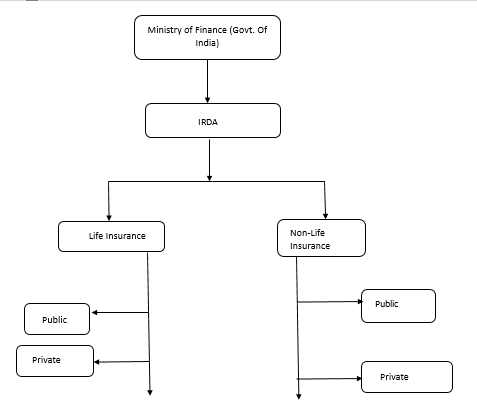
Insurance companies are the financial institutions that exist in the economy. The main of Insurance companies is to cover the risk. It is one of the most important sections in an economy. The insurance companies can mainly be classified into general insurance and life insurance.
1.6.1 Life Insurance Companies
Insurance is a contract between the insurance policy holder and the insurance company. The insurance company gives guarantees against the things that are insured by the policyholder. The guarantee given to the policyholder against the life is called life insurance. Life insurance companies are the insurance companies that always offer life insurance schemes to the public. Their concentration is always related to the protection of life. The amount paid by the policyholder to the insurance company is known as the premium, but the amount paid by the insurance company to the policyholder is termed a claim. Life insurance plans can be mainly classified into
1. Pure Protection
2. Protection and Savings
1.6.1.1 Pure Protection Plan
These plans are designed to secure your family’s future by providing a lump sum amount in the insured person’s absence.
1.6.1.2 Protection and Savings Plan
A Protection and Savings plan is a financial tool that helps insured long-term goals like purchasing a home, funding your children’s education, etc. along with offering the benefits of a Life Cover
1.6.2 Public Life Insurance Companies
Under public life, insurance companies' management, ownership, and control are vested in the hands of public parties which may be central or state government. Otherwise, it can be stated that 51 % or more than 51% shares of a company are held by the central or state government is known as public life insurance companies.
The following is the public life insurance company in India.
1. Life Insurance Corporation of India (LIC)
1.6.3 Private Life Insurance Companies
Private Life Insurance companies are under the management and control of private parties. These are governed by a person other than the federal or state government. Health insurance schemes come under this category. Private insurance can easily be accessible from different sources. All private health insurance plans are considered to split the cost between the insured and the insurer. Due to private health insurance plans, medical care has become more affordable to people. The following private life insurance companies are listed in the source chapter for its study period:
1. HDFC Standard Life Insurance Co. Ltd.
2. Max Life Insurance Co. Ltd.
3. ICICI Prudential Life Insurance Co. Ltd.
4. Kotak Mahindra Life Insurance Co. Ltd.
5. Aditya Birla Sun Life Insurance Co. Ltd.
6. TATA AIA Life Insurance Co. Ltd.
7. SBI Life Insurance Co. Ltd.
8. Exide Life Insurance Co. Ltd.
9. Bajaj Allianz Life Insurance Co. Ltd.
10. PNB MetLife India Insurance Co. Ltd.
11. Aviva Life Insurance Company India Ltd.
12. Reliance Nippon Life Insurance Company
13. Edelweiss Tokio Life Insurance Co. Ltd.
14. Sahara India Life Insurance Co. Ltd.
15. Shriram Life Insurance Co. Ltd.
1.6.4 Non-Life Insurance Companies
General Insurance, which is otherwise known as non-life-insurance offers protection of property against fire and ignition, theft, burglary, etc. personal insurance like health insurance, and liability insurance, which covers legitimate liabilities
1.6.4.1 Public Non-Life Insurance Companies
Public Non-Life Insurance Companies are controlled by the government. The following are the important public non-life insurance companies:
1. Agriculture Insurance Company of India
2. Export Credit Guarantee Corporation of India
3. National Insurance Company
4. New India Assurance
5. The Oriental Insurance Company
6. United India Insurance Company
1.6.4.2 Private Non-Life Insurance Companies
Non-life insurance businesses undertaken by private parties are known as private non-life insurance companies. The following private non-life insurance companies are listed in the source chapter for its study period:
1. Acko General Insurance
2. Aditya Birla Health Insurance
3. Apollo Munich Health Insurance
4. Bajaj Allianz General Insurance
5. Bharti AXA General Insurance
6. Cholamandalam MS General Insurance
7. Cigna TTK
8. DHFL General Insurance
9. Digit Insurance
10. Edelweiss General Insurance
11. Future Generali India Insurance
12. HDFC ERGO General Insurance Company
13. ICICI Lombard
14. IFFCO TOKIO General Insurance
15. Kotak Mahindra General Insurance
Insurance is the business of providing protection against financial aspects of risk such as those to property, life, health, and legal liability. Early insurance goes back to the Egyptian times. The concept of insurance is not a very recent phenomenon. Around 3000 BC, Chinese merchants dispersed their shipments among several vessels to avoid the possibility of damage or loss. There are some insurance companies around today in the United States that provided insurance back in the mid-1700s, as well as some that provided relief to banks during the 1930s and the Great Depression. Today, there is insurance for many aspects of daily living: business, auto, health, life, and travel. Each of these categories includes sub-categories, branching off into numerous divisions. The lives of human beings and the assets that they possess during their lifetime are continually exposed to loss or damage. Uncertainty in life and in commerce and industry is a fact. People are aware of this uncertainty and hence, show a strong desire for security both for their lives and possessions. Insurance is a contract whereby insurers pay for the financial losses suffered by the insured because of unforeseen events in return for the payment of a premium by the insured [30].
1.7 Comparing the effects of best practice HRM across national contexts
Commentators continue to debate whether the adoption of HR practice is converging or diverging across national contexts (Kerala and Dubai). Those adopting a contingent or culturalist point-of-view argue that HR practices are diverging due, in part to management styles being ‘cultural solutions to social problems’ Similarly Kerala Dubai notes that national cultures influence the adoption of HR practice as managers’ basic assumptions and values may: i) render certain HR practices as being of no relevance whatsoever; ii) influence their preferences for specific types of HR policy and the effectiveness of such policies; and iii) be based on unique ways of doing things reflecting the management logic peculiar to a particular country
Alternatively, proponents of the convergence thesis state that the issues faced by managers throughout the world are similar, thus management response and management practice will also be similar, thus endorsing to a large extent the universal argument. This view is challenged by several commentators [31].
REFERENCE
Ileana Petrescu, A. and Simmons, R., 2008. Human resource management practices and workers' job satisfaction. International journal of manpower, 29(7), pp.651-667.
Anjum, B., 2017. HR practices in banking sector-A literature review. TRANS Asian Journal of Marketing & Management Research (TAJMMR), 6(8), pp.83-96.
Joju, J. and Manoj, P.K., 2019. Banking Technology and Service Quality: Evidence from Private Sector Banks in Kerala. International Journal of Recent Technology and Engineering, 8(4), pp.12098-12103.
Sreevidya, U., 2020. e-HRM in the Selected Public and Private Sector Banks and Life Insurance Companies in Kerala-An Empirical Analysis (Doctoral dissertation, University of Calicut.).
Khassawneh, O. and Abaker, M.O.S.M., 2022. Human resource management in the United Arab Emirates: Towards a better understanding. In HRM in the Global South: A Critical Perspective (pp. 103-128). Cham: Springer International Publishing.
Agarwal, S. and Baltazar, E., 2019. ASSESSING THE ASSOCIATION OF HRM FUNCTIONS WITH EMPLOYEES'PERFORMANCE: THE CASE OF BANKING SECTOR OF UAE. Skyline Business Journal, 14(2).
Ahmad, S., 2015. Green human resource management: Policies and practices. Cogent business & management, 2(1), p.1030817.
Boon, C., Eckardt, R., Lepak, D.P. and Boselie, P., 2018. Integrating strategic human capital and strategic human resource management. The International Journal of Human Resource Management, 29(1), pp.34-67.
Lengnick-Hall, C.A., Beck, T.E. and Lengnick-Hall, M.L., 2011. Developing a capacity for organizational resilience through strategic human resource management. Human resource management review, 21(3), pp.243-255.
Watson, T.J., 2010. Critical social science, pragmatism and the realities of HRM. The International journal of human resource management, 21(6), pp.915-931.
Ozkeser, B., 2019. Impact of training on employee motivation in human resources management. Procedia Computer Science, 158, pp.802-810.
Becker, B. and Gerhart, B., 1996. The impact of human resource management on organizational performance: Progress and prospects. Academy of management journal, 39(4), pp.779-801.
Buck, J.M. and Watson, J.L., 2002. Retaining staff employees: The relationship between human resources management strategies and organizational commitment. Innovative higher education, 26, pp.175-193.
Abdalla Hamza, P., Jabbar Othman, B., Gardi, B., Sorguli, S., Mahmood Aziz, H., Ali Ahmed, S., Sabir, B.Y., Burhan Ismael, N., Ali, B.J. and Anwar, G., 2021. Recruitment and selection: The relationship between recruitment and selection with organizational performance. Hamza, PA, Othman, BJ, Gardi, B., Sorguli, S., Aziz, HM, Ahmed, SA, Sabir, BY, Ismael, NB, Ali, BJ, Anwar, G.(2021). Recruitment and Selection: The Relationship between Recruitment and Selection with Organizational Performance.
Lu, Y., Zhang, M.M., Yang, M.M. and Wang, Y., 2023. Sustainable human resource management practices, employee resilience, and employee outcomes: Toward common good values. Human Resource Management, 62(3), pp.331-353.
Otoo, F.N.K., 2019. Human resource management (HRM) practices and organizational performance: The mediating role of employee competencies. Employee Relations: The International Journal, 41(5), pp.949-970.
Setyaningrum, R.P. and Ekhsan, M., 2021. The role of job satisfaction in mediating the influence of quality of work life on employee performance. Management Research Studies Journal, 2(1), pp.44-54.
Said, N.A. and Munap, R., 2010, June. Job characteristics and job satisfaction: A relationship study on supervisors performance. In 2010 IEEE International Conference on Management of Innovation & Technology (pp. 714-719). IEEE.
Dartey-Baah, K. and Harlley, A., 2010. Job Satisfaction and Motivation: Understanding its impact on employee commitment and organisational performance. Academic Leadership: The Online Journal, 8(4), p.39.
Mahmood Aziz, H., Jabbar Othman, B., Gardi, B., Ali Ahmed, S., Sabir, B.Y., Burhan Ismael, N., Abdalla Hamza, P., Sorguli, S., Ali, B.J. and Anwar, G., 2021. Employee commitment: The relationship between employee commitment and job satisfaction. Aziz, HM, Othman, BJ, Gardi, B., Ahmed, SA, Sabir, BY, Ismael, NB, Hamza, PA, Sorguli, S., Ali, BJ, Anwar, G.(2021). Employee Commitment: The Relationship between Employee Commitment And Job Satisfaction. Journal of Humanities and Education Development, 3(3), pp.54-66.
Ali, B.J. and Anwar, G., 2021. An empirical study of employees’ motivation and its influence job satisfaction. Ali, BJ, & Anwar, G.(2021). An Empirical Study of Employees’ Motivation and its Influence Job Satisfaction. International Journal of Engineering, Business and Management, 5(2), pp.21-30.
Irabor, I.E. and Okolie, U.C., 2019. A review of employees’ job satisfaction and its affect on their retention. Annals of Spiru Haret University. Economic Series, 19(2), pp.93-114.
Jawaad, M., Amir, A., Bashir, A. and Hasan, T., 2019. Human resource practices and organizational commitment: The mediating role of job satisfaction in emerging economy. Cogent Business & Management.
Haralayya, B. and Aithal, P.S., 2021. Implications of banking sector on economic development in India. George Washington International Law Review, 7(1), pp.631-642.
Sharma, A., Rajagopal, N.K., Manojkrishnan, C.G. and Dhoke, S.M., IMPACT ON HR PRACTICES ON THE EMPLOYEE’S PERFORMANCE: A STUDY IN PRIVATE BANKING SECTOR. WORLD JOURNAL OF MANAGEMENT AND ECONOMICS, 44, p.34.
Somasekharan, T.M. and Manoj, P.K., 2019. Working Conditions and Job Satisfaction: A Study With Special Reference To Private Sector Banks In Kerala. Think India Journal, 22(33), pp.204-212.
Sharma, A., Rajagopal, N.K., Manojkrishnan, C.G. and Dhoke, S.M., IMPACT ON HR PRACTICES ON THE EMPLOYEE’S PERFORMANCE: A STUDY IN PRIVATE BANKING SECTOR. WORLD JOURNAL OF MANAGEMENT AND ECONOMICS, 44, p.34.
Agarwal, S. and Baltazar, E., 2019. ASSESSING THE ASSOCIATION OF HRM FUNCTIONS WITH EMPLOYEES'PERFORMANCE: THE CASE OF BANKING SECTOR OF UAE. Skyline Business Journal, 14(2).
Al Ali, A., 2021. The impact of information sharing and quality assurance on customer service at UAE banking sector. International Journal of Technology, Innovation and Management (IJTIM), 1(1), pp.01-17.
Sreevidya, U., 2020. e-HRM in the Selected Public and Private Sector Banks and Life Insurance Companies in Kerala-An Empirical Analysis (Doctoral dissertation, University of Calicut.).
Reiche, B.S., Lee, Y.T. and Quintanilla, J., 2012. Cultural perspectives on comparative HRM. Handbook of research in comparative human resource management, pp.51-68.
Cite This Work
To export a reference to this article please select a referencing stye below:

Academic Master Education Team is a group of academic editors and subject specialists responsible for producing structured, research-backed essays across multiple disciplines. Each article is developed following Academic Master’s Editorial Policy and supported by credible academic references. The team ensures clarity, citation accuracy, and adherence to ethical academic writing standards
Content reviewed under Academic Master Editorial Policy.





