
Reading for Academic Success – An OER Textbook for Reading 7
LanguagesTextbook
Beginning Japanese for Professionals II
Not rated yetRate this bookContinue Japanese study through Lessons 5–8 and a grammar review, using English-supported dialogues about locations, travel, calendars and leisure. Original tasks connect meaning, context and appropriate language choices.
Read on the publisher’s website. Opens in a new tab.
 Free
About this book
Beginning Japanese for Professionals II by Emiko Konomi continues a language-learning sequence through Lessons 5–8: In the Town, Let’s Take a Train, Calendar and Pastime. The text teaches Japanese with English explanations, translations and romanization alongside Japanese script. Professional and everyday situations connect vocabulary and grammar with locating people and places, travel arrangements, dates, requests and preferences.
Each main lesson contains dialogues and related drills, and a concluding Review revisits grammar and practice. This guide preserves the continuation numbering rather than treating the volume as a new Lesson 1 course. Original tasks emphasize comparison, role-play and checking a learner’s own explanation against the source. They are supplementary activities, not official translations or answer keys. The export also contains empty New Page entries and a sample glossary item; those are identified as source placeholders rather than substantive lessons. The brief overviews reflect selected dialogue openings, vocabulary context and the review listing, not every drill or pronunciation feature.
AI-assisted book summary
Reading guide
Treat this as a continuation volume. Establish each dialogue’s situation before studying vocabulary and grammar. Rehearse with the text, change one fictional detail, then revisit the grammar review to identify remaining questions.
Lesson-by-lesson guide
Lesson 5 - In the Town
In the Town uses a company visit, finding an ATM, asking directions and a gift-shop exchange. The situations connect location and existence with polite interaction. Study how the context affects the wording rather than memorize an isolated translation.
Study task: Map each dialogue’s purpose and rehearse one with a changed fictional location, checking the form in the source.
Lesson 6 - Let’s Take a Train
Let’s Take a Train connects a movie invitation, meeting times, commuting, transfers and reactions after the event. Sequence and timing help organize meaning. Keep a time of day distinct from the duration of a journey.
Study task: Create a fictional travel-and-meeting timeline and identify which source expressions communicate time and duration.
Lesson 7 - Calendar
Calendar uses dates, birthdays, future plans and a request to review a schedule. The dialogues also show differences in conversational style between participants. A language choice needs attention to relationship as well as dictionary meaning.
Study task: Compare two source exchanges by participant relationship and purpose without assuming the wording is interchangeable.
Lesson 8 - Pastime
Pastime develops leisure invitations, explanations, comparisons and preferences. The dialogues move among friends and a workplace relationship. Compare the intended meaning before altering a grammatical form.
Study task: Choose a source preference exchange and explain what a changed fictional option would require you to check.
Review
The concluding Review contains grammar questions and drill scripts linked to the lessons. It is a developed resource, unlike the empty New Page entries. Use it to diagnose a learning question rather than claim mastery from recognizing a phrase.
Study task: Select a review question, explain the distinction in your own words and verify it against the lesson.
How to study this book
Keep situation, intended meaning, language form and source reference together. Compare the English explanation with the Japanese example instead of inventing a translation. Use instructor or reliable audio feedback for pronunciation beyond the written guide.
Reflection questions
- How does the situation affect the language choice?
- What changes when a dialogue detail changes?
- Which distinction needs checking in the source grammar explanation?
Sources and coverage
Source: Beginning Japanese for Professionals II — LibreTexts.
Original reader guide based on the verified contents and selected substantive chapter or section openings, introductions, prompts and learning objectives in the linked source PDF. It is not a full review of every subsection, exercise, example or linked media item. Study tasks are original additions, not exercises or solutions attributed to the source.
The book teaches Japanese through English-supported instruction; its target-language examples are part of the course. Entries 1.5, 1.6, 2.6, 4.5 and 4.6 titled New Page are empty placeholders, and the glossary includes sample content. These are not summarized as developed lessons. No audio was reviewed.
About access & copyright
This page provides book information and study material. Full-text access is provided by the original publisher or authorised source; a listing does not grant permission to republish the book.
Read our Library Access & Copyright policyContinuation
The volume covers Lessons 5–8.
Context
Dialogues connect language with professional and everyday situations.
Review
Grammar comparison supports purposeful practice.
Reader ratings & reviews
Share your thoughts
Your review helps other students choose the right resources.
KEEP LEARNING
Your next great read
Languages
Empowering Learners of Spanish
Empowering Learners of Spanish
View Empowering Learners of Spanish — bookA Foundation Course in Reading German
A Foundation Course in Reading German
View A Foundation Course in Reading German — book Languages
Studying and Living in the US, Low-Intermediate Novel and Textbook for University ESL Students
View Studying and Living in the US, Low-Intermediate Novel and Textbook for University ESL Students — book Languages
Speaking, Listening and Pronunciation Projects for ELLs - Intermediate Level
View Speaking, Listening and Pronunciation Projects for ELLs - Intermediate Level — book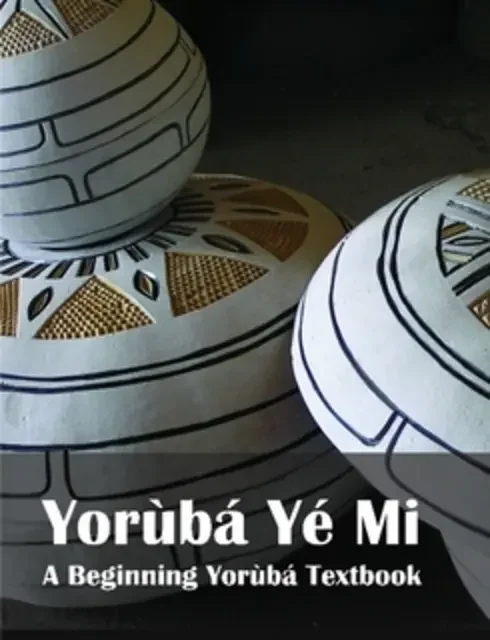 Humanities
Yorùbá Yé Mi
View Yorùbá Yé Mi — book Humanities
A Foundation Course in Reading German
View A Foundation Course in Reading German — book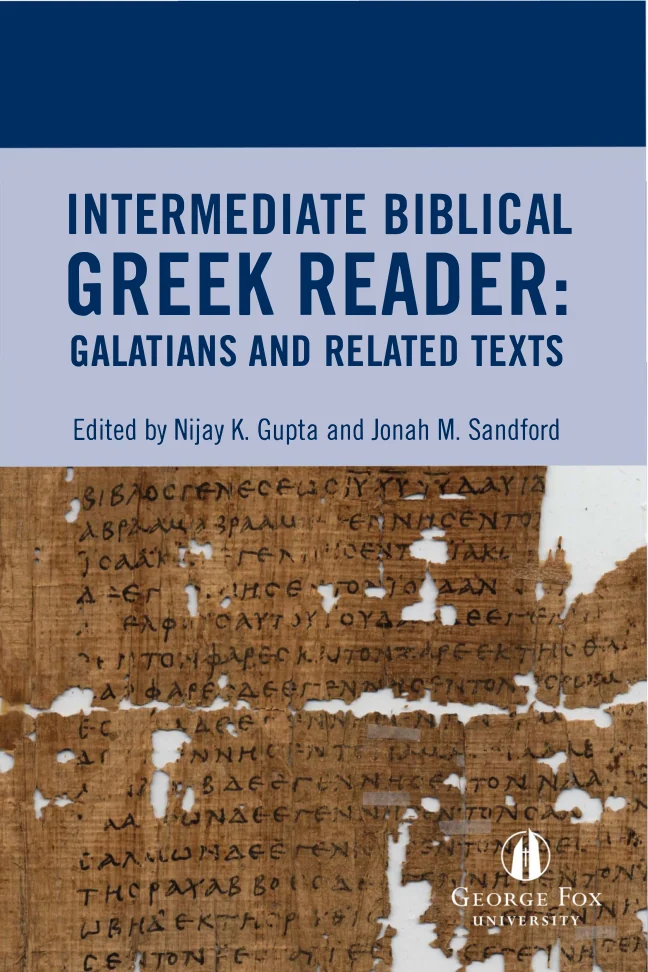 Humanities
Intermediate Biblical Greek Reader: Galatians and Related Texts
View Intermediate Biblical Greek Reader: Galatians and Related Texts — book Humanities
Elementary Mandarin
View Elementary Mandarin — book Humanities



