
Communication, Affect, & Learning in the Classroom
Journalism, Media Studies & CommunicationsTextbook
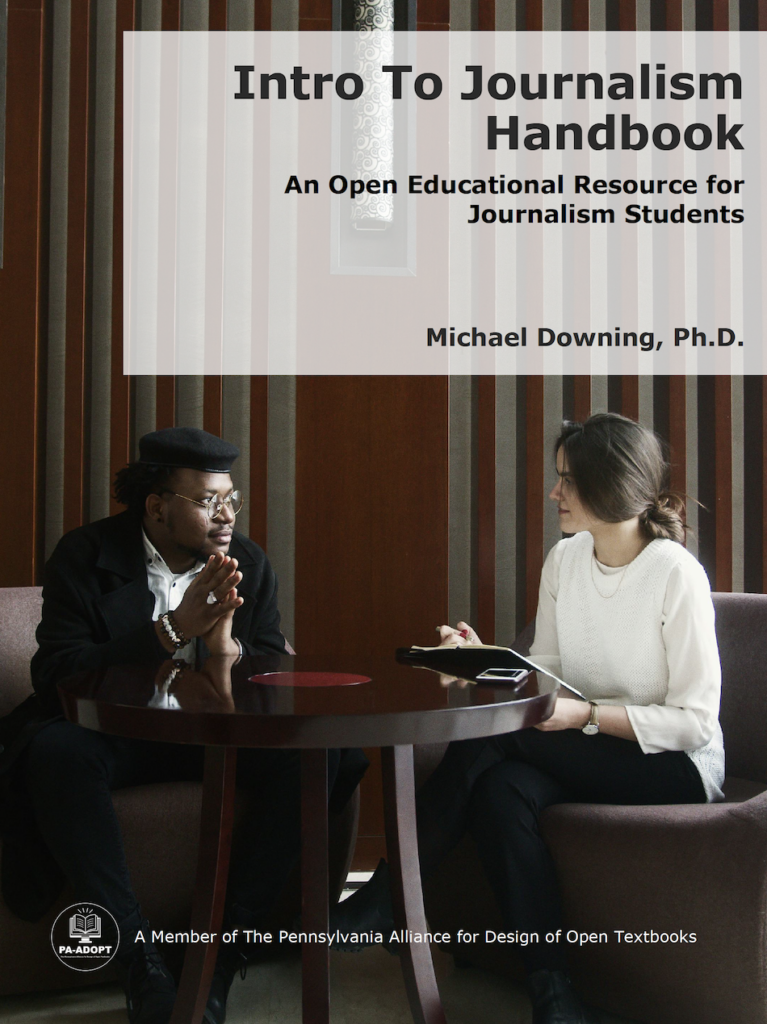
Intro to Journalism Handbook: An Open Educational Resource for Journalism Students
Not rated yetRate this bookMichael Downing’s journalism handbook prepares beginners to report, write, revise, and edit for a campus publication. Its introduction puts preparation, human sources, and background reading behind the production of a useful news story.
Free reading is available at the official source. Opens in a new tab.
 Free
About this book
About this book
The PA-ADOPT PDF identifies itself as the fifth edition, 2024. Downing explains that its structure follows writing-intensive journalism classes connected with Kutztown University’s student newspaper, The Keystone. Topics include reporting concepts, format, style, story types, coverage checklists, social media, AI, ethics, and careers. The introduction emphasizes practical preparation rather than an exhaustive history or treatment of constitutional cases. This page covers that opening purpose and learning approach.
Sources and reading coverage
Edition and rights pages, contents, and selected introductory passages on PDF sheets 8–9 were reviewed. Later reporting, legal, AI, and ethics chapters were not fully reviewed.
See the official publication record for edition details. The external PDF provides the available source text.
The consulted PDF contains 86 sheets, including preliminary material; this count can differ from printed pagination.
Book summary
Guide to the reviewed opening
The introduction connects journalism with preparation, conversation, drafting, revision, and editing. A story cannot responsibly come only from a writer’s assumptions. Human sources and background reading supply information and perspective.
The classroom-to-newspaper setting explains the emphasis on producing work for readers. Pieces can move through an editorial process into publication, making document management and revision part of reporting rather than incidental administration. The author’s clear limits also help readers know when to seek fuller historical, legal, or specialist sources. Later chapters and exercises have not received full review here.
How to study this book
Before drafting, separate what you know, what needs verification, and who could provide informed first-hand information. Read relevant primary documents and record enough source detail to return to them. Distinguish quotations from paraphrases and interpretation in your notes.
Revise for the intended publication and audience. Then check names, dates, attributions, and unsupported inferences. Use the complete source chapters and your editor’s requirements for style and ethics; these suggestions are not answers to the handbook’s exercises.
Questions for reflection
- Which fact still needs a source?
- How can background reading improve an interview?
- What changes when writing for publication rather than only a grade?
The study suggestions and questions are independent Academic Master editorial material.
About access & copyright
This page provides book information and study material. Full-text access is provided by the original publisher or authorised source; a listing does not grant permission to republish the book.
Read our Library Access & Copyright policyPreparation
Identify information gaps.
Sources
Connect claims with verifiable reporting.
Revision
Treat editing as part of journalism.
Scope
Seek fuller references for specialized questions.
Reader ratings & reviews
Share your thoughts
Your review helps other students choose the right resources.
KEEP LEARNING
Your next great read
Journalism, Media Studies & Communications
Arguing Using Critical Thinking
Arguing Using Critical Thinking
View Arguing Using Critical Thinking — bookWriting Fabulous Features
Writing Fabulous Features
View Writing Fabulous Features — book Journalism, Media Studies & Communications
Preparing to Publish
View Preparing to Publish — book Journalism, Media Studies & Communications
Workplace Writing: A Handbook for Common Workplace Genres and Professional Writing
View Workplace Writing: A Handbook for Common Workplace Genres and Professional Writing — book Humanities
A Guide to Composition
View A Guide to Composition — book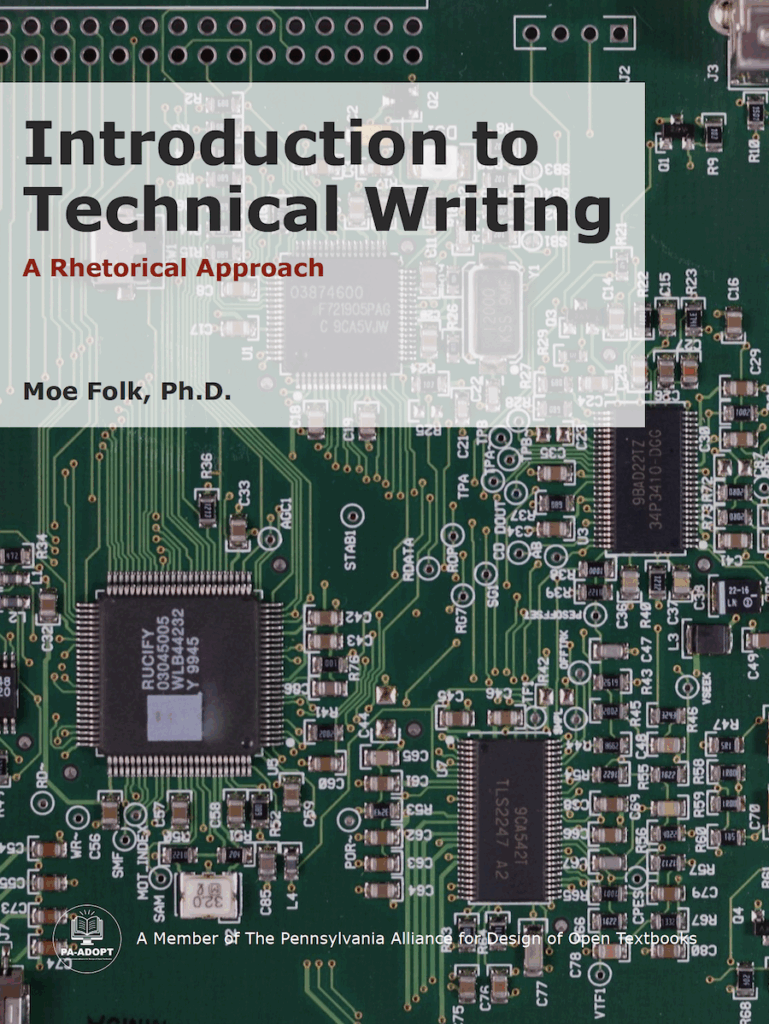 Journalism, Media Studies & Communications
Introduction to Technical Writing: A Rhetorical Approach
View Introduction to Technical Writing: A Rhetorical Approach — book Journalism, Media Studies & Communications
Surviving Research Publication: A Guide for New Scholars
View Surviving Research Publication: A Guide for New Scholars — book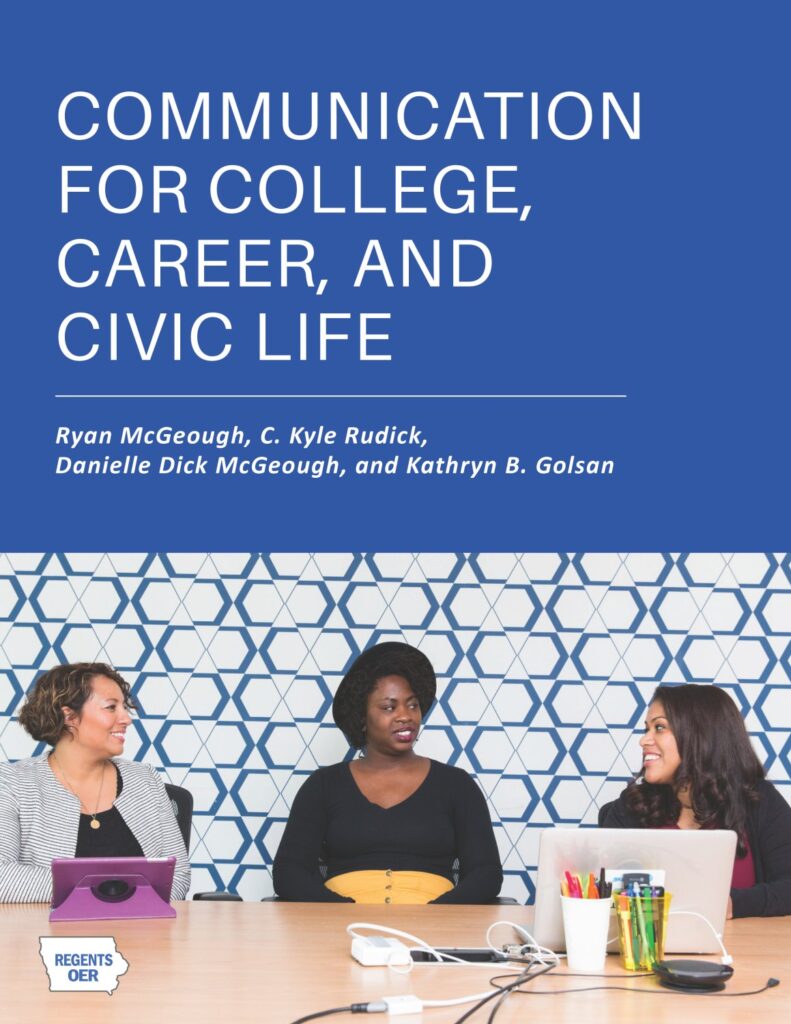 Journalism, Media Studies & Communications
Communication for College, Career, and Civic Life
View Communication for College, Career, and Civic Life — book Journalism, Media Studies & Communications



