
 Anatomy
Textbook
Anatomy and Physiology II at Cambrian College
Not rated yetRate this bookAnatomy and Physiology II at Cambrian College is a customized OpenStax-based resource for FPRO and OTPA students. This guide follows its 12 included chapters, preserving the source numbering and connecting cellular organization, homeostasis, endocrine signalling, circulation, immunity, respiration, digestion, and metabolism.
Free reading is available at the official source. Opens in a new tab.
 Free
About this book
Anatomy and Physiology II at Cambrian College is a customized OpenStax-based resource for FPRO and OTPA students. This guide follows its 12 included chapters, preserving the source numbering and connecting cellular organization, homeostasis, endocrine signalling, circulation, immunity, respiration, digestion, and metabolism.
How to study this book
Trace processes through labelled diagrams and explain how changes affect the whole system. Begin with normal structure and regulation before considering disease examples. Use the review and critical-thinking questions to test understanding, then return to the original illustrations to correct gaps.
Chapter-wise explanations and study tasks
Chapter 1. Introduction
The opening connects levels of organization, life functions, environmental requirements, anatomical terminology, and homeostasis. Feedback provides a framework for later systems. Distinguish a regulated variable from the sensor, integrating centre, and response that help maintain it.
Study task: Draw a negative-feedback loop for one physiological variable and explain the role of each component without confusing the response with the stimulus.
Chapter 3. The Cellular Level of Organization
Cell membranes, organelles, DNA replication, protein synthesis, growth, and differentiation support the operation of tissues. Relate a cell’s structure to the tasks it performs. Changes in gene expression and specialization should be distinguished from the replication and division that produce new cells.
Study task: Trace a secreted protein from genetic information to release, identifying the role of the nucleus, ribosomes, endomembrane system, and cell membrane.
Chapter 4. The Tissue Level of Organization
This selected chapter introduces tissue categories, emphasizes epithelial tissue, and considers injury and ageing. Structure, cell arrangement, and relationships with supporting tissues help explain function. Follow what is present in this adaptation rather than assuming every section from the parent edition is included.
Study task: Compare two epithelial arrangements by structure, location, and function, then explain how injury could compromise one of those functions.
Chapter 5. The Integumentary System
Skin layers and accessory structures contribute to protection, sensation, and physiological regulation. Disease and injury examples make sense only after the normal layers and their roles are clear. Distinguish the epidermis, dermis, and underlying tissue in both location and composition.
Study task: Create a skin diagram and connect three normal functions to the structures that enable them, noting one consequence of damage at different depths.
Chapter 17. The Endocrine System
Hormones coordinate responses through target-cell interactions and feedback. The hypothalamus, pituitary, thyroid, parathyroids, adrenals, pancreas, and other endocrine tissues form interacting systems. Separate where a hormone is produced, where it is released, and where it acts.
Study task: Compare one hypothalamic–pituitary pathway with pancreatic glucose regulation, showing targets and feedback relationships.
Chapter 18. Blood
Plasma and formed elements contribute to transport, defence, and haemostasis. Production and turnover connect blood to other tissues and regulatory signals. Blood typing introduces molecular recognition, while haemostasis involves several coordinated processes rather than one event.
Study task: Build a table of major formed elements and functions, then draw a simplified sequence linking vessel injury, platelet activity, and clot formation.
Chapter 19. The Heart
Heart anatomy, electrical activity, contraction, and the cardiac cycle must be studied together. Electrical events precede mechanical responses but are not identical to them. Pressure differences explain valve movement and blood flow through the chambers.
Study task: Trace blood through the heart and align a simplified electrical sequence with contraction, valve changes, and the main phases of the cardiac cycle.
Chapter 20. Blood Vessels and Circulation
Vessel structure, pressure, resistance, flow, and capillary exchange determine how blood reaches tissues. Regulation operates through interacting local and systemic mechanisms. Connect the circulation’s pathways to function rather than treating vessel names as an isolated memorization exercise.
Study task: Compare an artery, capillary, and vein, then explain how a change in resistance could affect flow under a stated pressure assumption.
Chapter 21. The Lymphatic and Immune System
Lymphatic anatomy supports fluid return and immune function. Barrier, innate, and adaptive responses differ in recognition and response mechanisms, while T and B lymphocytes have distinct roles. The disorder examples illustrate how inadequate or excessive responses disrupt function.
Study task: Create a timeline for an illustrative immune challenge, distinguishing barriers, innate responses, T-cell roles, and antibody-related responses.
Chapter 22. The Respiratory System
Respiration connects ventilation with gas exchange and gas transport. Pressure changes move air, whereas gradients and membrane properties influence diffusion. Relate anatomical pathways to those processes and distinguish breathing mechanics from delivery of oxygen to tissues.
Study task: Trace oxygen from inhaled air to a tissue cell and identify the physical process responsible for each major transfer.
Chapter 23. The Digestive System
Digestive organs and accessory structures coordinate movement, secretion, digestion, and absorption. A nutrient’s journey links anatomical regions with different physiological tasks. Distinguish breaking a molecule down from transporting its products across an epithelial barrier.
Study task: Follow a mixed meal through the digestive tract and identify where mechanical processing, chemical digestion, and absorption make different contributions.
Chapter 24. Metabolism and Nutrition
Metabolism links nutrient availability with energy production, storage, and the maintenance of tissues. Feeding and fasting states require different patterns of regulation. Connect this chapter to endocrine control and digestive absorption rather than treating nutrition as a list of isolated nutrients.
Study task: Compare a fed state with a fasting state in a table covering fuel availability, storage or mobilization, and relevant regulatory signals.
Applied assignment
Develop an integrated physiological account of light activity after a meal. Explain contributions from digestion, metabolism, endocrine regulation, blood, the heart, vessels, and respiration. Add a concept map showing how homeostatic feedback links the systems.
Suggested reading plan
Study chapters 1, 3, 4, and 5 as foundational material. Continue with 17–20 for signalling and circulation, 21–22 for immune and respiratory function, and 23–24 for digestion and metabolism. Preserve these source numbers in your notes and use a final session for integration.
Questions for reflection
- Where does a process depend on a pressure gradient rather than a concentration gradient?
- How does endocrine control connect digestion with metabolism?
- What evidence distinguishes a normal regulatory response from a failure of regulation?
Edition and source notes
Based on the linked 2023 Cambrian adaptation of OpenStax Anatomy and Physiology 2e associated with Lynn Kabaroff. Its contents include chapters 1, 3–5, and 17–24: 12 selected chapters. The inherited parent-text preface also describes omitted chapters; this guide does not present them as included. Disease examples support study of physiology and do not provide individualized clinical guidance.
About access & copyright
This page provides book information and study material. Full-text access is provided by the original publisher or authorised source; a listing does not grant permission to republish the book.
Read our Library Access & Copyright policyExplore the contents
Check the chapters covered in this edition.
Visit the official source
See reading, preview or purchase options.
Save for later
Keep this textbook in your saved collection.
Reader ratings & reviews
Share your thoughts
Your review helps other students choose the right resources.
KEEP LEARNING
Your next great read
Anatomy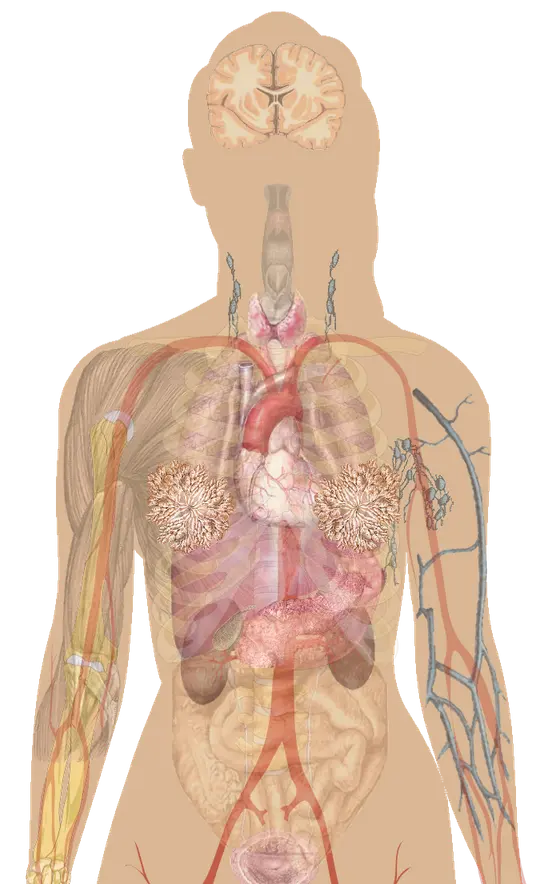 Anatomy
Douglas College Human Anatomy & Physiology II (2nd ed.)
View Douglas College Human Anatomy & Physiology II (2nd ed.) — book Anatomy
 and Physiology I MSK at Cambrian College
View Anatomy and Physiology I MSK at Cambrian College — book Anatomy
 and Physiology II at Cambrian College
View Anatomy and Physiology II at Cambrian College — book Geosciences
An Introduction To Geology
View An Introduction To Geology — book Geosciences
Physical Geology (Sierra College Edition)
View Physical Geology (Sierra College Edition) — book Geosciences
Introduction to Oceanography (Sierra College Edition)
View Introduction to Oceanography (Sierra College Edition) — book Geosciences
Physical Geography: our Beautiful World
View Physical Geography: our Beautiful World — book Communication
Professional Communications Foundations
View Professional Communications Foundations — book Statistics



