
Abstract
This dissertation delivers a comprehensive evaluation of the prospects of using technology to teach children digital writing skills in ESL classrooms in Nigeria. The study employed a qualitative approach and used extensive secondary data to achieve the following objectives; 1) To identify the challenges and barriers affecting the effective integration of digital technology when teaching writing skills in TESOL to young learners, 2) To examine the potential, benefits, and opportunities of using digital technology in TESOL writing education for children. 3) To evaluate the contributions of various stakeholders in effecting the integration of digital technology in early childhood TESOL instruction. The findings of the study show that digital technology can enhance both digital and general writing knowledge of young learners in Nigerian ESL classrooms by providing feedback, spell checkers, active participation, and scaffolding. However, attaining these potentials may be hindered by the level of teachers’ training and competence, schools’ cultural stance, curriculum flexibility, principal’s leadership, teachers’ personal beliefs, availability and accessibility to digital devices, concerns for screen time, and digital tools‘ potential for distraction. The research informs teachers, school management, government, parent, and digital tools developers on ways individual stakeholders can improve the integration and effectiveness of digital instruments in TESOL childhood education in Nigeria.
Introduction
Background to the Study
As we navigate the intricacies of the 21st century, the nexus between digital technology and teaching in early childhood education has surfaced as a pivotal area of scholarly exploration and discourse. This is especially pertinent in the burgeoning economies of the developing world, such as Nigeria, where the dual challenge of teaching English as a second language and integrating technology into the foundational stages of education presents unique obstacles alongside untapped potential and promising opportunities. According to Agbatogun (2013), weaving digital technology into the traditional educational landscape of Nigeria often encounters numerous impediments. The process, deeply rooted in long-standing traditions and manual pedagogical methods, finds itself at an intersection with the wave of digital innovation sweeping across the globe. Usman (2016) posits that the relatively limited financial resources allocated to the education sector render acquiring and incorporating digital teaching tools formidable. As a result, digital tools are often perceived as a luxury beyond the reach of educational institutions operating under budgetary constraints. Yet, Ademiluyi (2019) believes the government has tried to close this gap by enacting policies and sponsoring programs to integrate technology into childhood education. The National Policy on Information Technology and the “Opon Imo” initiative are noteworthy and represent significant strides towards digital inclusion (Gambari et al., 2014). However, despite these efforts, integrating digital technology in early education remains insufficient (Aduwa-Ogiegbaen & Iyamu, 2005), which can affect the effectiveness of English language teachings. Inadequate technology can limit children’s access to online resources such as dictionaries, other language learning applications, and websites.
Nevertheless, Obienu and Amadin (2021) contend that the slow rate of technology adoption in Africa’s educational system is only partially attributable to financial constraints. Instead, the unwillingness of Africans to embrace digital technology, influenced by cultural attitudes and familiarity level with technology, plays a crucial role in determining the adoption rate of digital tools in education. Nonetheless, it would be misleading to portray absolute digital deprivation in the education sector of Nigeria. Numerous educational institutions in Nigeria, notably in the southwest and south-south regions, have courageously embraced the digital revolution in their educational delivery (Isu, 2022). The proliferation of such digitally equipped schools serves as a beacon of hope and a testament that progress can be made even in the most challenging contexts (Harle et al., 2021).
Writing is an essential skill for the Learners of English as a Second Language (ESL) because of its crucial role in language acquisition and cultural understanding. According to Skar et al. (2023), writing improves language proficiency and promotes cognitive growth, emotional intelligence, and social interaction in children. Writing also allows young minds to explore creativity, develop critical thinking abilities, and express their thoughts and emotions (Skar et al., 2023). However, in developing countries like Nigeria, there are potential barriers to learning to write English in early childhood, such as limited access to quality education, language barriers, insufficient teacher training, and a lack of learning resources (Ihejirika, 2014). Despite these, Ihejirika (2014) still believe that a sufficient number of formal schools in Nigeria are well-equipped to provide an optimal environment for learning and developing literacy skills, including English language mastery. Other scholars, such as Isioma et al. (2023), pointed out that Nigerian schools’ traditional teaching methods in the ever-evolving education environment often hinder their effectiveness. To improve students’ learning outcomes, Keengwe and Onchwari (2009) suggest integrating digital tools into teaching methodologies. This approach can enhance childhood education quality and make TESOL instruction more engaging, personalised, and effective. By leveraging technology in TESOL, students can overcome the challenges of learning to write in English, which will help them thrive in a globalised world.
As non-native speakers, learning to write English can be challenging, and while the advancements in educational technology have produced numerous digital education tools – interactive e-books, educational games, and learning management systems, which can serve as potent resources for enhancing the literacy levels of children (Burnett, 2010). However, the utilisation of these tools is contingent upon several factors, including accessibility, parental and teacher technological literacy, and the suitability of digital content to local and cultural contexts (Blackwell, 2014). In light of these, this study aims to comprehend the current state of digital technology in early childhood education in Nigeria, the difficulties educators and students face while utilising technology in English as a second language (ESL) classrooms, and potential solutions to these difficulties. The findings of this research will provide valuable insights for educators, policymakers, and researchers interested in integrating digital technology into early childhood education.
Origin of Education in Nigeria
Education is an integral part of civilisation and has been a cornerstone of societal development in Nigeria. Before the advent of Western education, Umar (2001) documented that education was primarily in Islamic and indigenous forms. The former provided a foundation for religious and moral values, while the latter equipped people with practical skills for survival and societal contribution. Christian missionaries’ introduction of Western education in 1842 marked a significant turning point in Nigeria’s educational history, causing a departure from the informal education system that led to the creation of societal classes, the introduction of a new religion (Christianity), and the emergence of political and social elites like Tafawa Balewa, Obafemi Awolowo, who later played significant roles in the struggle for independence. Western education became prominent during the colonial era; by 1914, the British colonial government had created 11 secondary schools, 91 missionary schools, and 59 government schools. Nyewusira (2014) says this expansion also established tertiary institutions like the Yaba Higher College and the University College Ibadan.
During this period, English became a language of instruction, affecting national markets, businesses, and communication (Adeyemi & Adeyinka, 2003). Although this was not the case in some northern parts of Nigeria, Umar (2001) mentioned that some regions in the North were less receptive to Western education because of its religious beliefs and cultural practices. Regardless, adopting English as a language of instruction made its knowledge paramount for Nigerians, especially in the present age where digital tools have become prevalent. Hence, there is a need to identify the obstacles and opportunities associated with learning digital English writing skills, an area this research stands to explore.
Evolution of Digital Technology in Nigerian Education
The evolution of digital technology in Nigerian education can be traced to the late 20th century when computers were first introduced into the educational system (Ogunsola and Aboyade, 2005). However, there was limited access and usage at the time due to the high cost of computers and a lack of technical know-how (Aduwa-Ogiegbaen & Iyamu, 2005). In the early 2000s, there was a gradual shift as the government began to recognise the potential of digital technology for enhancing education. Subsequently, policies were initiated to promote its integration into the education system (Adegbija, 2004). The Policy on Information Technology was enacted in 2001 to make Nigeria an IT-capable African country and a key player in the information society (Yusuf, 2005). Regardless, integrating digital technology into the Nigerian education system was slow as it encountered several challenges. A study by Ebubedike (2022) identified issues such as inadequate infrastructure, lack of skilled personnel, and high cost of access as significant barriers that affected the pace of technology integration in Nigerian education. However, the landscape began to change with the development of the Internet (Igwe, 2005). The Internet opened up new ways for teaching and learning with increased access to digital tools, which expanded the adoption of digital technology in Nigerian education. Since then, the use of digital technology in Nigerian education has expanded significantly. Digital tools are now being used to supplement traditional teaching methods, enhance student engagement, and facilitate personalised learning. With the global recognition of the necessity to arm children with vital writing skills for personal development and success in a globalised world, integrating technology into education has become paramount in the swiftly progressing digital age. Nigeria, like numerous other countries, has taken strides in this direction. This research endeavours to illuminate the potential opportunities and challenges associated with leveraging digital technology to enhance English writing skills in early education within the Nigerian context.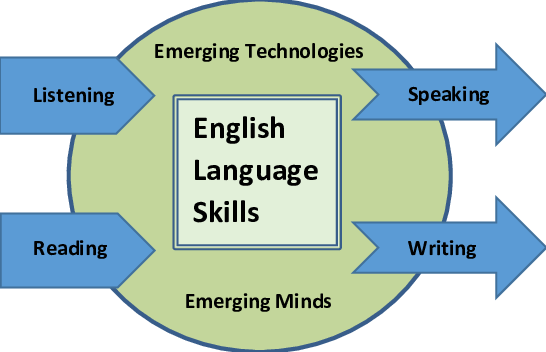
Figure 1: learning English language (Alemi, 2016)
Statement of Research Problem
Digital technology’s emergence has significantly impacted various sectors, including education, offering unique opportunities to enhance early childhood writing skills. However, exploiting this potential is challenging, especially in developing countries with scarce digital resources. In today’s childhood classrooms, traditional teaching methods may not be able to fully nurture writing, a foundational skill for academic success and cognitive development. Digital technology, with its interactive capabilities, can potentially enrich writing skill instruction, but its integration into early childhood education remains underexplored and underutilised.
In developing countries like Nigeria, several other factors, like limited access to digital tools, inadequate teacher training, and socioeconomic disparities, hinder the effective use of digital technology to develop children’s English writing skills in early childhood. This research aims to explore the role of digital technology in developing early childhood English writing skills, focusing on the challenges and opportunities it presents.
Research Questions
The research seeks to answer the following questions:
What are the factors challenging the integration of digital technology into TESOL for early childhood education, particularly in teaching writing skills?
In what ways can digital technology positively influence TESOL writing education in early childhood?
How can stakeholders improve digital technology Usage in TESOL instruction in childhood education?
Research Objectives
The objectives of this study are stated as follows:
To identify the challenges and barriers affecting the effective integration of digital technology when teaching writing skills in TESOL to young learners.
To examine the potential, benefits, and opportunities of using digital technology in TESOL writing education for children.
To evaluate the contributions of various stakeholders in effecting the integration of digital technology in early childhood TESOL instruction.
Scope of the Study
This research will cover early childhood education within Nigeria, focusing on the literature on public and private kindergartens, preschools, and primary schools. It will evaluate and explain how these technologies can be employed and their potential for enhancing writing skills. This investigation will provide an understanding of the current landscape of the technology used in teaching writing skills and evaluate the experiences and perceptions of several authors to identify the challenges and barriers to technology integration. The study also aims to uncover effective strategies for digital technology application in teaching writing in the English language. Furthermore, the research will assess the impact of digital technology use on the overall learning experience and future implications in this field.
The methodological approach will draw on qualitative research techniques while using secondary data to understand the topic in-depth. This will include a review of past literature from journals, articles, and research papers. This comprehensive scope ensures the research remains focused while thoroughly exploring digital technology’s role in developing early childhood writing skills in English.
Literature Review
Education
As a multifaceted concept, education is viewed through various lenses, each offering unique insights into its nature, purpose, and implications. The pedagogical perspective explains education as an ideology that employs various teaching methods and strategies to impart knowledge and skills to learners. This perspective emphasises the role of the teacher as a guide and facilitator of learning. It also focuses on the learning environment and how it can be structured to enhance learning (Biesta, 2015). From another angle, education is seen as a means of social control and a tool for maintaining social order (Ballantine & Hammack, 2015). This perspective explains education as a social institution that plays a vital role in the socialisation and transmission of culture through generations to achieve social cohesion and integration. With an emphasis on individual learners and how they process and internalise information, McLnerney (2013) defines education as a process of cognitive development that involves acquiring knowledge, skills, attitudes, and values through learning experiences. This psychological standpoint concerns understanding how learning occurs and how processes can be optimised to enhance learners’ outcomes.
In another study, Becker (2009) examined the economist’s view of education and found that the concept is regarded as a means of investing in human capital to enhance productivity and growth because it equips individuals with needed skills and knowledge that qualify them for better job opportunities and higher earnings in the labour market. Watkins (2000) examined education from a cultural standpoint and positioned it as a dynamic process that involves the transmission, transformation, and preservation of cultural values, beliefs, and practices from one generation to the next. While this points to the role of education in fostering and maintaining cultural understanding and participation, this study will adopt the psychological definition of education, which views it as a cognitive development process that enhances individual skills, knowledge, and attitudes.
Technology
From a theoretical perspective, technology can be defined as a system that combines the knowledge and practical application of wisdom by incorporating tools, equipment, materials, and approaches to meet human needs and manage the natural environment (Volti, 2011). This view focuses on technology’s structured and knowledge-driven aspects to show how technology serves as a valuable tool for solving problems and driving innovation. On the other hand, the etiological perspective offers a different viewpoint on technology. According to Brey (2010), technology includes human-made and natural objects that can be used for a purpose. This perspective suggests that technology is intelligent enough to perform tasks, be applied to perform tasks or be perceived as performing a function that people can value.
The sociological angle views technology as a human-made social product influencing social institutions and everyday life. Volti (2011) suggests technology affects our behaviours, interactions, and societal structures. While this perspective shows the reciprocal relationship between technology and society, the meaning of technology in education differs entirely. According to Raja and Nagasubramani (2016), in the educational context, technology refers to all tools and programs used to enhance learning. This includes physical devices such as computers and tablets and software programs and applications that facilitate communication, collaboration, and learning.
Figure 2: A Computer (Javapoint)
Writing
Over the years, the concept of writing has evolved and this has led to a refinement of its meaning. Kalan (2014) posits that writing has been extended into diverse fields and contexts to imply a form of communication that is represented with signs and symbols, and can be used for expressing thoughts, recording information, and creating artistic works. Keller et al. (2018) added that the concept has been broadened by rise of digital technology. As a result, activities like blogging, tweeting, and text messaging are now recognised as part of writing. This paradigm shift in the nature of writing testifies to the fact that the manner of communication is changing in the digital era, which raises important questions about the skills needed for effective writing in the 21st century. The term “Effective writing” has gone beyond grammar and syntax to include digital literacy, meaning that writing effectively now involves the ability to understand and utilise digital platforms in a way that suits different contexts on various platforms (Thaha Abdullateef, 2021).
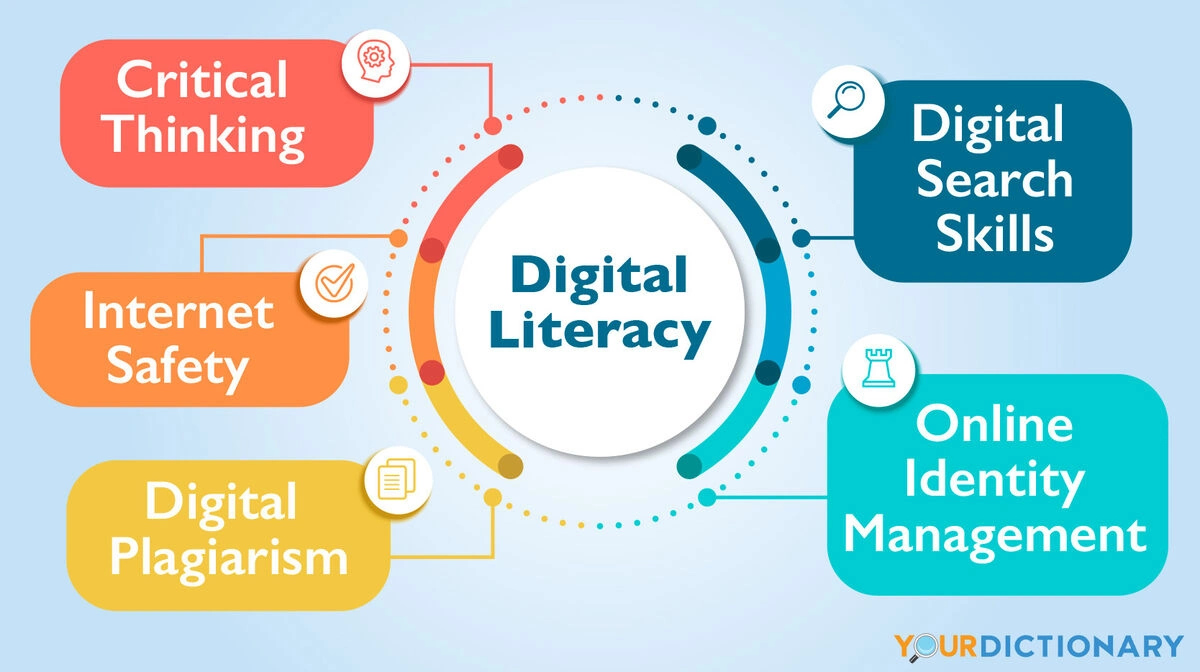
Figure 3: Digital literacy (Yourdictionary, 2021)
There are new forms of writing that mix text with images, audio, and videos to create multimedia writing (Harasim, 2012). To excel in this, there is a need to be technical and creative about using different media types to convey messages effectively. Warschauer (2007) predicts that the skills and abilities required for effective writing will also change as technology continues to evolve. This emphasises the need for continuous learning of skills to navigate this digital writing landscape effectively.
Teaching English to Speakers of Other Languages (TESOL)
In Teaching English to Speakers of Other Languages (TESOL), various acronyms represent different contexts for language instruction. In comparison, it is referred to as ESL (English as a Second Language in English-speaking countries, and in non-English-speaking countries, it is referred to as EFL (English as a Foreign Language). According to Porcedda (2021), there are also specialised areas like English for Specific Purposes (ESP) and English for Academic Purposes (EAP) within the ESL and EFL frameworks. However, the terminology and concepts in TESOL have evolved significantly due to changes in how English is understood and used over the past fifty years. As a result, the traditional idea that native speakers are the standard for language learners has been questioned. Focus has shifted from mastering English writing and speaking like the natives to non-native speakers’ use of English as a global language, and this has caused effective cross-cultural communication to become more important than achieving native-like fluency (Jenkins, 2006).
Alongside this evolution, English has diversified in its morphology and usage. Porcedda (2021) posits that local requirements and conventions have influenced English due to its fast spread to different regions, leading to variations in grammar and semantics. Following this development, Tian et al. (2020) and Kachru (2011) believe that TESOL Languages have had to adapt to accommodate these linguistic diversities and incorporate the resources of multilingual and multicultural contexts. Initially, TESOL was primarily focused on British or American English instruction. However, the global diffusion of English has given rise to several English variations, such as Indian, Nigerian, and Singaporean. Nowadays, the inclusion of digital devices in TESOL classrooms has also led to a review of the role of teachers and their teaching methods in TESO. Warschauer (2000) found that technology has changed the traditional role of instructors into facilitators or guides, giving learners more access to online resources that allow them to take a more independent approach to their education. Regardless, educators still have a vital role, especially in childhood digital TESOL instruction.
Learning English as a Second Language in Nigeria
The process of acquiring English language skills in Nigeria, a country known for its diverse ethnic groups and languages, presents a compelling argument for the importance of linguistic instruction. Nigeria’s rich tapestry of cultural and linguistic diversity, while a source of national pride, also presents unique challenges and opportunities for learning English (Awopetu, 2016).
One such challenge was identified (Oluwole, 2008) as the potential for confusion caused by local languages. He explains that the differences in the grammatical structures and sounds of local languages can make learning difficult for ESL learners. For example, learners whose first language has a different word order or needs certain sounds found in English may need help pronouncing such words and sounds. This phenomenon is known as language transfer, and it can affect the accuracy and fluency of English second language learners. Nevertheless, it is important to note that these challenges do not affect young learners. Fillipi et al. (2019) revealed that children can adapt and learn languages more due to the plasticity of their developing brains. This plasticity allows them to navigate multilingual environments effectively, improving their cognitive abilities and literacy skills. Therefore, while the linguistic diversity in Nigeria may present challenges, it also provides an enriching environment that can help young learners become bilingual or multilingual.
The need to learn English in Nigeria exceeds educational purposes. English is the official language of Nigeria, and it serves as the common language that bridges the country’s linguistic diversity. This makes English a crucial language in Nigerian society, including government, business, media, and education. Hence, proficiency in English is not just a valuable skill but a necessity for full participation in Nigerian society (Bamgbose, 1991). Furthermore, Adegbija (2004) posits that English can serve as a unifying force in a country like Nigeria, characterised by ethnic and linguistic diversity. By sharing an official means of communication, English can promote mutual understanding and unity among Nigerians from different ethnic backgrounds and cultures, thereby contributing to national unity and social cohesion.
Digital Technology and Writing Skills in Early Childhood
Digital technology has become ubiquitous in today’s world, including in education. However, there are ongoing discussions about its impact on the writing abilities of young children. Higgin et al. (2012) argue that although technology can enhance digital learning experiences, it can also present challenges, particularly in early childhood education. They suggest that when digital tools like spell checkers are heavily relied on, it may hinder the development of the foundational writing skills of children. Similarly, Sari et al. (2020) support this perspective by emphasising the need for a balanced integration of digital tools in early childhood education. The authors believe that technology has great potential for digital literacy skill development; nevertheless, its misuse or overuse can be counterproductive. The issue of excessive screen time, for example, can lead to health issues like visual strain and obesity and may also take away from time spent on traditional writing practices.
While both sets of researchers advocate for a harmonious approach to technology in education, Higgin et al. added that digital tools should complement traditional teaching methods rather than replace them. Similarly, Sari et al. argue for a methodology that uses technology to enhance learning while ensuring that foundational skills, such as writing, are not compromised.
Papadimitriou et al. (2013) contribute to this discussion by examining the impact of digital and traditional storytelling on children’s writing abilities. Their findings suggest that digital tools can boost self-confidence, accountability and digital writing skills, yet traditional methods are still superior in fostering creativity and analytical thinking in writing. They emphasise that the focus should be on the narrative, with technology as a supplementary tool.
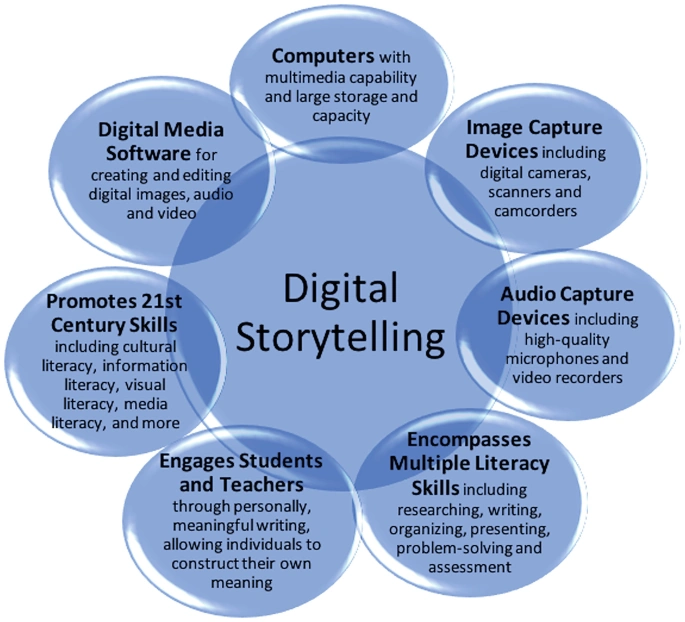
Figure 4: Digital Storytelling (Aşık, 2023)
From a different perspective, Chiong and Shuler (2010) critically evaluate the proliferation of educational apps that incorporate gamification to teach digital literacy skills. While these apps aim to make learning more interactive and enjoyable by combining fun and educational content, the authors cautioned that the gaming elements in the application may overshadow the educational content. They argue that the allure of game mechanics, such as points or levels, may distract children from the actual digital learning objectives. This view highlights the need to carefully design gamified learning tools in a way that prioritises education over fun engagement. Gamified learning applications can be valuable in enhancing children’s motivation and engagement when designed to ensure educational content remains at the forefront. Also, the authors asserted the need for educators and parents to monitor the use of these applications to ensure children focus on the educational content.
Role of Parents in Integrating Technology in Childhood Education
Integrating technology into early childhood education is a complex process that requires the involvement of various stakeholders. Parents play a crucial role as guardians in promoting young children’s digital literacy. According to Livingstone et al. (2020), parents should teach children how to get information online, evaluate the credibility of digital content, and utilise digital tools for creativity and communication. These foundational skills are crucial for children to navigate the digital world responsibly and effectively. In addition, parents can also significantly impact digital incorporation by creating a learning-focused environment at home. Plowman et al. (2012) argue that providing high-quality educational content and apps that align with children’s learning goals and developmental needs will allow for a more personalised experience. In another observation, Hiniker et al. (2015) propose that parents should cultivate a positive digital environment within their homes by implementing guidelines and expectations for using technology. This will aid in the development of healthy habits and an understanding of proper digital etiquette. Examples of such guidelines include setting limits on screen time, promoting responsible behaviour online, and encouraging respectful communication in the digital world.
Furthermore, parents must know what role to play in supporting the implementation of technology initiatives in schools. According to Hammed (2013), parents can do this by assisting with technology-based assignments, collaborating with educators on technology projects, and actively participating in school technology-related activities. This level of involvement can establish a consistent connection between school and home digital learning. Yet, it is also essential to address the issue of disadvantaged children being left behind (Hammed, 2013). Parents should work towards closing the digital divide by advocating for equal access to technology for all children through active promotion and urging schools and local authorities to provide digital resources to all students, especially those from financially underprivileged backgrounds. This movement will ensure that every child benefits from the integration of technology during their foundational years.
Theoretical Review
Multimodal Literacy Theory
Kress’s (2003) Multimodal Literacy Theory challenges the traditional definition of literacy, primarily focused on reading and writing, by recognising the impact of digital and visual communication in today’s society. Multimodal literacy theory suggests that communication in the 21st century has been refined to include multiple modes beyond written words. These modes include visuals, sound, spatial layouts, gestures, and movement. As a result of these developments, being ‘literate’ in the modern context is more than just reading and writing; it involves understanding and creating content across these diverse modes. For example, in a digital comic, the story is conveyed through words and images, panel arrangement, and colour choices, so a person’s proficiency in ‘multiliteracy’ would depend on their ability to interpret and produce such content. However, Rowsell & Walsh (2011) argue that the multimodal theory may detract from the essential skills of traditional reading and writing, which are still important for academic and professional success.
Incorporating digital tools in English language teaching often means embracing this multimodal literacy. For instance, a digital storytelling application can enhance a child’s digital writing skills by encouraging them to create a story while also allowing them to incorporate visuals, sounds, and animations to enhance their narrative. This approach can make the writing process more engaging because it allows children to express their thoughts differently, fostering their imaginative and analytical abilities (Hafner & Miller, 2011).
Sociocultural Theory of Cognitive Development
Vygotsky’s (1978) sociocultural theory of cognitive development centres around two main concepts: the Zone of Proximal Development (ZPD) and scaffolding. According to Vygotsky, the ZPD is the gap between what an individual can do independently and what they can achieve under the guidance of a more knowledgeable person. The idea of ZPD gave rise to a teaching strategy that provides learners the right support to perform tasks they cannot execute independently. Subsequently, as learners become more skilled and informed, this support is gradually reduced to allow them to become independent. This type of teaching method is widely referred to as Scaffolding (Wood et al., 1976).
Applying Vygotsky’s theory to digital TESOL education in early childhood can greatly enhance children’s digital literacy skills. Since the theory emphasises the importance of providing appropriate support to young English learners, teachers and digital tools come into play in these areas. Digital platforms offer resources and prompts to guide learners throughout the writing process through instant feedback on grammar, spelling, and punctuation, helping learners identify and correct their mistakes (Warschauer, 2010). However, it is important to note that the support provided by digital tools may not be tailored to the learner’s current level of need due to the generalisation of their design to serve numerous users. Therefore, while technological tools provide beneficial assistance for developing digital literacy skills, they cannot replace the role of teachers in TESOL classrooms, as teachers are essential in providing personalised feedback to students (Li, 2010).
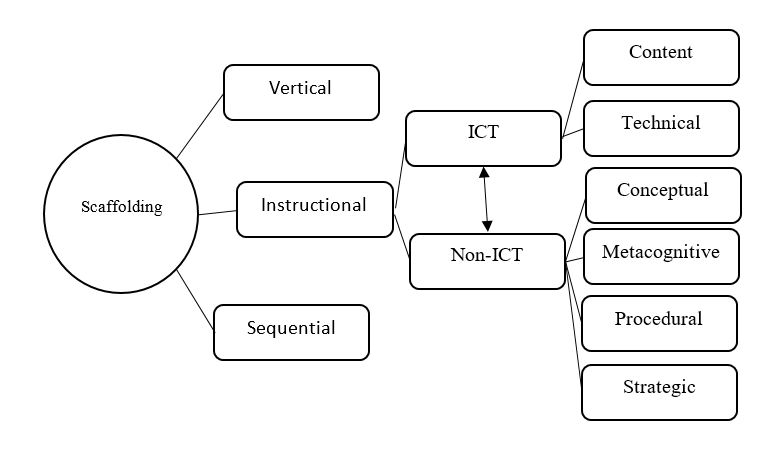
Figure 5: Scaffolding (Nguyen, 2022)
Empirical Review
In today’s education system, there is a growing emphasis on integrating digital tools into teaching methods. This shift has prompted researchers to investigate how these technological tools impact the writing abilities of young learners, both in digital and traditional formats. One notable study conducted by Yamac and Ulusoy (2016) examined the effects of digital storytelling on the writing skills of third-grade students. To ensure a comprehensive analysis, the study employed a mixed-methods approach, combining qualitative and quantitative research techniques. Data was collected through pre-test and post-tests, semi-structured interviews, reflective student diaries, and a thorough analysis of student outputs and lesson plans.
The findings of the study revealed that digital storytelling have a positive impact on students’ writing abilities, particularly in terms of idea generation and organization. It also improved their expression, word choice, sentence structure, and digital literacy, highlighting the importance of digital tools in early education. However, it is worth noting that students’ prior experiences with digital tools may have influenced the results. Variations in their previous interactions with technology could affect their comfort and familiarity when using it. Consequently, students with more exposure to digital tools may have demonstrated higher levels of digital literacy, while those with less experience may have struggled to perform as well.
Methodology
Research Design
This study is based on the interpretivism paradigm, which emphasises the unique experiences of individuals. Given the focus on using digital tools to enhance English writing skills in early TESOL education, this paradigm is appropriate as it recognises the complexity of human experiences and the insights that qualitative methods can provide. The study also adopts an inductive approach, allowing theories to emerge from the collected data. This step is particularly relevant in qualitative studies that aim to understand the meanings individuals or groups attach to specific issues (Creswell and Creswell, 2017 ). By combining the inductive approach with the interpretivist paradigm, the study aims to deeply explore participants’ perspectives and gather comprehensive data to shed light on the various aspects of the research (Thomas, 2011).
For data collection, this research will primarily rely on secondary sources, such as previous studies and online academic journals. Using secondary data enables a thorough understanding of the subject without the need for direct data collection methods like interviews. This method not only enhances the depth of the study but also situates it within a broader scholarly context. As Johnston (2014) suggests, this method allows for incorporating insights from previous studies tailored to the unique context of this research. The collected data will undergo thematic analysis, a technique that identifies and reports patterns within the data (Boyatzis, 1998). This flexible method can provide:
A nuanced and comprehensive portrayal of the data.
Highlighting key themes related to the role of digital technology in early TESOL education.
The associated challenges and opportunities.
The study’s thematic analysis ensures that its conclusions are grounded in the data and reflect the topic’s complexities (Braun and Clarke, 2006).
Data Collection
Data collection is a crucial aspect of research that influences the study’s credibility, accuracy, and overall quality. Cresswell and Cresswell (2017) describe it as a systematic process of obtaining and evaluating information to address research questions and assess results. Saunders et al. (2009) classify data into primary and secondary types. In this study, secondary data will be utilised. A systematic approach will be employed to gather secondary data from online academic journals and previous research, providing a comprehensive view of the existing literature. The main data sources will be peer-reviewed articles from academic journals, conference papers, and research reports, accessed through academic databases such as JSTOR, PubMed, ERIC, and Google Scholar, which are well-known for their extensive education and technology research collection. The selection of articles will adhere to specific criteria, including a focus on digital technology in early English education, publication within the last two decades, use of the English language, and peer-review status to ensure the authenticity of the data.
During the data extraction phase, the articles will be thoroughly reviewed, noting key details such as research methods, findings, and conclusions for subsequent analysis. This process will be systematic and consistent across all articles to ensure the reliability of the data (Petticrew & Roberts, 2008). The representativeness of the data will be ensured by selecting studies that cover a diverse range of contexts, methodologies, and participant characteristics. However, it should be acknowledged that the data may not fully represent all possible contexts or populations. The data quality will be assessed based on the source’s credibility, the research methodology’s rigour, and the findings’ clarity and consistency (Gough et al., 2017). All data used in this study are publicly available and anonymised. Using secondary data will eliminate many ethical concerns associated with primary data collection. However, all sources must be properly cited to give credit to the original authors (Birch, 2002).
Validity and Reliability
In research, the twin pillars of reliability and validity serve as the bedrock upon which the credibility and integrity of a study rest. Therefore, it is incumbent upon the researcher to ensure that the study’s findings are both reliable— (consistent and repeatable) and valid— (accurately measure what they purport to measure) (Brock-Utne, 1996). Reliability is inherently linked to the consistency and repeatability of the research findings. In this study, the reliability of the findings will be ensured through the careful and rigorous application of the data collection and analysis procedures. The secondary data, which forms the backbone of this research, will be collected from various sources and subjected to a consistent analysis method. This uniformity in the treatment of data will go a long way towards ensuring the reliability of the findings.
Furthermore, the reliability of the data will be maintained with triangulation. This step involves cross-verifying the information from different sources to ensure the data is robust and reliable. The reliability of the qualitative data will be further enhanced by posing three key questions:
Would the same observations and interpretations be made if the data collection was conducted at a different time?
Would the same observations and interpretations be made if attention were paid to other phenomena during data collection?
Would a second researcher with the same theoretical framework make the same observations and interpretations?
Affirmative answers to these questions would indicate that the data is free from haphazard errors and is, therefore, reliable (Brock-Utne, 1996).
On the other hand, validity pertains to the accuracy and truthfulness of the research (Cresswell & Miller, 2000). In this study, the validity of the findings will be addressed through several strategies. Firstly, the research design itself is naturally valid for the research question. Using a qualitative approach allows for a deep, contextual understanding of the phenomenon under study, which aligns with the research objectives. Secondly, the validity of the findings will be enhanced through triangulation. By collecting data from multiple sources and cross-verifying it, the research will ensure that it accurately captures the phenomenon it purports to investigate. This process will ensure that the research findings are reliable and valid.
Ethical Consideration
Ethical reflection in education research is significant because it ensures that the research process respects the rights, integrity, and privacy of the participants and the broader community (Israel & Hay, 2006). This research involves secondary data and is not exempt from these ethical obligations. Although the use of secondary data eliminates many of the ethical concerns associated with primary data collection, there is still a need for a rigorous ethical approach (Heaton, 2008). Hence, this research will ensure the privacy and confidentiality of the individuals involved in the original studies. To accomplish this, the research will utilise anonymised data (Corti and Thompson, 2004). The study ensures transparency and honesty in using secondary data by properly crediting all sources. This approach acknowledges the intellectual contributions of the original authors and allows readers to verify the data’s source and assess its reliability (Heaton, 2008). The interpretation of the data will be done carefully, considering the context and methods used in its collection to avoid misinterpretation or misuse that could lead to flawed findings or damage the reputation of the original researchers or those involved in the study. In conclusion, this research will prioritise the principle of doing good, seeking to advance knowledge that benefits society. The potential benefits of the study will be carefully weighed against any potential risks or discomfort associated with using secondary data.
Methodology Scope and Limitations
It is important to acknowledge that every research project has limitations in its chosen methodology. While this study’s methodology allows for a thorough investigation, it has its obstacles. Nevertheless, these challenges do not diminish the credibility of the research. Instead, they provide readers with a clear understanding of the study’s limitations, conclusions, and potential areas for further research. The study’s limitations include the restraints of the inductive methodology, qualitative research strategy, and thematic analysis technique. Acknowledging these limitations, this research maintains its integrity and seeks to contribute to the ongoing discussion on methodological decisions in the relevant field (Shykhnenko & Sbruieva, 2022).
One of the primary limitations of this study is its reliance on secondary data. While secondary data provides a wealth of information and allows for an in-depth exploration of a topic, it also limits the researcher’s control over the data collection process (Greenhoot & Dowsett, 2012). Since other researchers primarily collected the data for their purposes, it may not perfectly align with the needs of this research. Cole and Trinh (2017) say this could potentially limit the depth or breadth of the analysis as certain variables or aspects of the research topic may not be adequately covered in the available data. Another notable limitation of this methodology is the potential for bias in selecting and interpreting the secondary data. Despite the researcher’s best efforts to remain objective and transparent, personal biases could inadvertently influence the selection of data sources and the interpretation of the data. Qualitative research often has these inherent limitations (Maxwell, 2012), but these can be minimised through reflexivity and rigorous data analysis techniques. However, the findings of this study may only be universally applicable to some settings or groups, as it focuses specifically on the use of digital technology in early TESOL education.
Nonetheless, the study provides valuable insights into its specific topic and may be relevant to similar settings or groups. It is important to note that the researcher’s interpretation and analysis may influence the outcomes despite efforts to maintain precision and consistency (Williams, 2000). The chosen analytical method, thematic analysis, relies heavily on the researcher’s expertise and understanding of the data and context. This approach may present challenges in identifying themes accurately. To address this, I will utilise my knowledge and understanding of the subject to ensure a meticulous and precise analysis. It is also important to acknowledge that the flexibility of thematic analysis may lead to variations in its execution and presentation, making it difficult to evaluate the quality of the analysis.
Findings and Discussion
Introduction
This chapter will thoroughly analyse the qualitative data from extensive secondary data to explore the use of digital technology in early childhood TESOL writing instruction.
Discussion of Findings
The findings of this study shed light on the various challenges faced in using digital tools in TESOL in childhood education. These challenges are crucial for researchers, educators, and stakeholders to understand to effectively address them and promote the integration of digital tools in language learning. Some challenges identified include teachers’ ability to effectively utilise digital tools in ESL classrooms and the lack of access to digital tools and technology in certain educational settings. Many schools in low-income areas may not have the resources to provide students with access to computers, tablets, or the Internet, and this lack of access can hinder the potential benefits that digital tools offer in language learning. The findings also reveal the potential opportunities that digital tools offer in TESOL. Digital tools can provide, such as; interactive and engaging learning experiences for students that allow them to practice and reinforce their language skills in an enjoyable and motivating way.
Additionally, digital tools can facilitate personalised learning that allows students to learn at their own pace and focus on areas where improvement is needed. Lastly, the findings emphasise the role of various stakeholders in promoting the integration of digital tools in TESOL. Parents play a crucial role in supporting and encouraging digital tools at home, and policymakers must prioritise allocating resources for digital infrastructure and support professional development programs for teachers.
Barriers to Digital Technology Integration
What are the factors challenging the integration of digital technology into TESOL for early childhood education, particularly in teaching writing skills?
When considering the factors, the study identifies five global and local factors challenging the digitalisation of teaching methods in TESOL writing instruction. The first of these is teachers’ training and competence. The role of teachers in technology integration is pivotal, given the developing state of childhood education in Nigeria. While teacher’s training aims to understand the operations of digital tools, their competencies revolve around knowing how to utilise them effectively in the classroom. When teachers are not properly trained, handling digital learning tools becomes almost impossible (Dong, 2018; Koehler and Mishra, 2009), and this will likely affect their effective use in the classroom when teaching students the necessary digital literacy skills. At its core, the challenge of integration goes beyond mere knowledge of one’s discipline and digital resources, as Hammond and Bransford (2007) posit:
“information about relationships between expert knowledge and teaching abilities is especially important for teachers to understand” (p. 48),
This means teachers must have a comprehensive and in-depth knowledge of the English language, digital tools, and the ability to use them effectively to impact learners. However,
“there is also a downside to having a great deal of knowledge about one’s subject matter. Sometimes, the information becomes so intuitive that experts lose sight of what it was like to be a novice” (Hammond and Bransford, 2007: 48).
This perspective stresses that even with adequate training, teachers may not effectively teach children the knowledge of the English language with digital devices. Rather, their competence, which includes their ability to tailor their teaching methods to specific contexts, in this case, the children learning ESL in Nigerian primary schools, is essential in providing the knowledge needed to understand the usage of digital tools and learn the art of writing with them. Although the young learners in this context are not novices, children already possess some digital literacy skills at home or in their previous classes. Regardless, as intermediate learners, this gap can also affect them. Hence, teachers must develop teaching methods that go beyond how to impart knowledge to include understanding the challenges young Nigerian students encounter in their endeavour to master a domain and devise strategies that will help them overcome these challenges. This will help teachers overcome the habit of overlooking valuable instructions to children learning English as a second language with digital technology. Notably, other studies (Anderson and Putman, 2020; Granger et al., 2002) did not identify this as a challenge, perhaps because they were carried out specifically in primary schools where teachers are assumed to be experts in catering to children’s needs. Therefore, this may not affect Nigerian primary school teachers who are very conversant with children.
Regarding this, several studies have also examined the factors affecting technology usage in primary schools.
One such study was carried out through interviews by Anderson and Putman (2020), which points to teachers’ confidence as a key factor affecting digital inclusion:
“Teachers’ responses to the question – how confident do you feel about using technology in your teaching?, indicated that some were very confident with using technology, whereas others lacked confidence in their technological knowledge. Those who were more confident and fluent with technology tended to use it extensively, whereas those who struggled to use technology were judicious in using it” (P. 41).
This shows that teachers with a good knowledge of digital tools use them more often in the classroom than those without a sound knowledge of digital devices. While this underlines teachers’ level of assurance and views about technology as direct factors affecting its integration in primary classrooms, Ertmer and Ottenbreit-Leftwich (2010) further that: “A sound knowledge base and strong self-efficacy for teaching with technology do not readily manifest themselves” (p. 262).
This emphasises the role of training in aiding technology integration in ESL classrooms. When a teacher is well trained in using these digital tools, it increases their confidence, shaping their conviction and impression about its use in the classrooms. Therefore, adequately training Nigerian teachers to use digital tools will boost their confidence and positively influence their beliefs and perceptions of their use in TESOL classrooms. However, the fact remains that these tools are multifaceted, containing software applications, online platforms, digital assessment tools, and various interactive technologies, each of which comes with its own set of functionalities and capabilities. Navigating, mastering, and integrating these tools can be overwhelming for teachers.
Sandholtz and Reilly (2004) studied how to promote the use of technology in the classroom through an observative experiment and found that:
“A common frustration for teachers who attempt to teach with technology is the amount of time spent on technical issues rather than instructional ones. In the early stages of implementing technology in classrooms, teachers’ concerns often center on the technology itself, and they are unable to focus on using technology in instruction until those technical needs are met. With limited or no technical support, even teachers with well-developed plans for integrating technology into classroom instruction often reduce or abandon them” (p. 490).
To make the comprehension of digital tools less daunting for teachers, Sandholtz and Reilly (2004) proposed that more focus should be on the curriculum rather than the technology itself. While this was particularly useful in improving teachers’ focus and integration of digital tools in the classroom, it should be noted that teachers’ technical limitations may also affect the scope of children’s learning in the classroom. When a teacher cannot use certain digital tools, learning to write English with those tools is restricted in ESL classrooms. As a result, children’s ability to write English in certain domains is hindered.
Furthermore, a study by Garzón Artacho (2020) examined the impact of teachers’ digital competence on technology usage in classrooms and found that in areas where competence is low:
“Teachers continue to use technology as a minimum support tool and do not have the self-efficacy to create their own digital content and share it with other peer users and students” (p. 9).
This implies that teachers may use digital tools without proper training as mere add-ons to traditional teaching methods rather than as potential central components of a comprehensive pedagogy. Despite the proliferation of digital tools in education, due to a lack of knowledge, digital tools could be utilised as optional or supplementary resources for added value but not fundamental to the teaching process. In this sense, it can enhance TESOL digital writing lessons but is not seen as necessary or foundational, causing it to be perceived as less important and thus negatively impacting future integration decisions. Teachers’ training, development, and competence are needed to facilitate the usage of digital tools in the classroom. This was reiterated by Koehler and Mishra’s (2009) TPACK (technological, pedagogical, and content knowledge) framework, which suggests that effective technology integration in teaching necessitates a convergence of technological knowledge, pedagogical understanding, and content expertise. In the Nigerian context, educators must be well-versed with the digital tools at their disposal and possess a deep understanding of pedagogical strategies best suited for understanding the challenges of Children in ESL classrooms to furnish them with digital literacy skills effectively.
Nevertheless, getting acquainted with these tools depends on their availability and accessibility. To begin with, the notion of availability is grounded in a simple question: Are there adequate digital tools such as computers, tablets, and other related devices present in educational settings in Nigeria? Jayeoba et al. (2022) examined the use of technology in teaching English language in secondary schools in Ekiti state, Nigeria and discovered that:
“The main impediment is the lack of appropriate training to design and manage distance learning programs. Which is compounded by a lack of infrastructure: electricity, connectivity, devices; and a lack of appropriate learning materials: books, television and internet-enabled devices” (p. 7)
“All the teachers affirmed the importance of using technology in the classroom but complaint of lack of these technological resources and the epileptic power supply in the country. Besides, many schools have no electricity at all while many teachers criticised the high cost of living in the state and the government had not done anything to boost the welfare of teachers” (Jayeoba et al., 2022: 7)
All these point to financial constraint as a major factor that limits schools in Nigeria from utilising technology to develop digital English writing skills of students, an area government is expected to intervene. There are no relevant training programs to equip the teachers, they lack basic infrastructure, and teachers’ welfare is unattended amidst the high cost of living. Still, painting a full picture of Nigeria’s financially restricted education sector would be inaccurate. Several other states are more financially buoyant than Ekiti state, where the study was conducted, and these states have a far more developed education sector with essential facilities. These drawbacks may be experienced by states where investment in education is low and also in rural areas where development is lagging. However, states like Lagos, Abuja, Kwara, Ogun, Kano, Kaduna, and others with a well-structured and developed education sector may experience different difficulties.
Adding to it, Unwin et al. (2010) explain that even when these devices are available, maintaining them and ensuring they are up-to-date can also be challenging. Consistent funding can prevent devices from becoming obsolete or non-functional, affecting their use in TESOL childhood education. Furthermore, Warshauer and Matuchiniak (2010) discovered that the uneven landscape of technological resources, which these financial factors can cause, can also hinder digital integration in TESOL classrooms. In Nigeria, this problem is further escalated by infrastructural challenges. While urban and semi-urban areas have untampered access to electricity, rural regions are often deprived of this fundamental amenity needed to operate digital tools. To overcome the availability concerns, Selwyn (2016) proposes strategic partnerships with educational technology companies willing to deliver devices at more accessible price points. A move that could increase availability and consistent integration. Yet the issue of accessibility remains unattended. Accessibility goes beyond mere access to tools; it involves the availability of the factors that will enable the utilisation of these tools, such as consistent internet connectivity, a stable power supply, and ensuring that the tools remain functional and updated (Afolabi, 2010). Therefore, government involvement is needed in areas where accessibility problems persist in order to facilitate the usage of digital tools in primary classrooms where children are taught English as a second language. Providing schools with needed facilities will help to improve the digital literacy skills of young learners in TESOL classrooms.
Compounding these complexities are the personal perceptions and views of Nigerian teachers. Anderson and Putman (2020) observed several individual perceptions of teachers on the use of digital tools in classrooms and noted that:
“I love technology …I don’t think I can teach without it. I mean I could, but it wouldn’t be very fun.” (p. 43)
“I just throw technology in so much I don’t even think about how I’m using it, I love it, I really do, and if you were to take my computer and iPads away, I’d cry…I just love the novelty and changing modalities.” (Anderson and Putman, 2020: 43)
“It’s a tool ours are going to always need…they can figure out if that works for them, and for most of ours, it does work.” (Anderson and Putman, 2020: 43)
“We don’t really traditionally spell too well here; it’s not high on my priority list because there are tools that can help them with that.” (Anderson and Putman, 2020: 43)
The responses show that teachers’ perceptions and beliefs are the bedrock on which most teaching methodologies and styles are founded. So, they significantly bear on a teacher’s cognitive framework and instructional decisions. A teacher’s perception of technology can either be a catalyst or an impediment to its incorporation in classrooms. Teachers who love or envision technology as a beacon of progress in teaching methods or as an instrument capable of enhancing children’s understanding and their quality of writing will champion its integration. Others with contrary reservations: “I can’t send these kids out not knowing how to, you know, put work on paper.” (Anderson and Putman, 2020: 43), may perceive it as insufficient or a distraction from basic teaching methods, and this may lead to partial or total resistance to its use. Bandura’s (1997) theory provides some useful insights to understand the reason for this dichotomy in perspectives. According to him, educators with strong self-efficacy are more adaptable in teaching methods. They are energetic and always looking for new ways to improve writing activities and personalised instruction using technology. This is important in TESOL, where various teaching methods can improve a child’s ability to learn a new language skill.
On the other hand, teachers with low self-efficacy tend to feel insecure and stick to traditional teaching methods.
Regardless, it should be noted that teachers’ personal beliefs are only part of the picture. Granger et al. (2002) hold that:
“Martin [the former vice-principal] was the driving force behind getting computers in the school…. And Martin has always been sort of the driving force in getting the equipment in and keeping the equipment up to date and building the lab up to what it is. And we’ve been very, very lucky with having it, because as we became more innovative, we required better equipment, and the Department of Education did sort of recognise this and was keeping us fairly up to date on things” (p. 28)
“And at Ravine, Laura, who speaks so emphatically (above) of having insufficient time, also recognises that “there are a lot of influences. And again, it’s the principals who allow you the time to develop.” (Granger et al. 2002: 28)
“… The two principals that were here before [the current principal] were totally supportive, not just with me in technology but with other teachers and other ideas. They were just wonderful. You’d get an idea, you’d go with it and see how far you could go. …. Schools [in the area] that had people who were interested and involved and wanted to put extra time in are far ahead with what they’re doing with their kids from the schools where the machines were just popped in and teachers either didn’t have an innate interest or leadership, or something was missing. …. [The staff] looked to me and [the former principal], yes, for some kind of leadership, guidance, support. But I never, ever felt that I was dragging people by the heels into it…. [It was] very casual, it’s very informal, it’s very personal….” (Granger et al. 2002: 26).
“I think a lot of it was the credibility that administration had with the staff. Now we might have sometimes felt … ‘Oh gee, can I keep this pace?’ or ‘Am I being lost in left field in what’s going on?’ But I guess it’s very easy to follow leadership where it’s ‘do as I do, not as I say.’ They [Martin and the former principal] led the way, they put in the hours, they did the work. So if they asked something of us, you would at least give it your best effort, because you knew they were leading by example, not by talk.” (Granger et al. 2002: 26).
“And if you promote, ‘Well, we spent all this money on computers, we better use it’…. Well I guess the principal…teaches some, and he takes kids out and shows that he’s willing to have kids out in the lab situation, [and] other people say, ‘Oh, you know he’s doing it, we should do it too.’ As far as I’m concerned, you lead by showing and doing and not just telling… it’s not just ‘do as I say,’ it’s ‘do as I do.’…[Leadership has to be] creative, getting funding, and also, you know, going in the lab themselves and saying, ‘Look, I can do it, so can you.'” (Granger et al. 2002: 26).
From the above study, it is noticeable that Schools’ philosophical stances, principals, and curriculum flexibility may also influence teachers’ use of technology in ESL classrooms. Feedback from the participants highlights that a school’s attitude towards technology is reflected in how they value its role in education; schools that see technology as essential in today’s education may be more inclined to create a welcoming space for its use. For example, the focus on keeping a modern lab and having top-notch equipment, as mentioned by one of the respondents, shows a strong drive for innovation. In addition, the validation of the Department of Education stresses the need for a progressive mindset towards teaching methodologies.
Moreover, the leadership within a school, especially the principal, also plays a crucial role in this journey. The respondents highlighted a principal’s active involvement, leading from the front and fostering a nurturing atmosphere. When schools practice active leadership by being more participative, leading by example and giving fewer orders, it may boost the morale of the teachers. Also, the respondents acknowledged the support and efforts of past principals in pushing for new ideas, pointing to the influence of positive leadership on tech adoption in classrooms.
Curriculum flexibility is another vital theme that emerged during this analysis. Although it was not directly referred to, there is a hint of its significance in tech adoption in the classroom. The Department of Education’s acknowledgement of the need for upgraded tools as global education innovates points to the importance of an adjustable curriculum that can greatly adapt to evolutionary and technological changes to enrich the teaching processes. Therefore, Nigerian primary schools must evaluate their philosophical stances, school heads must possess positive leadership skills, and curriculums must be built in a flexible way to optimise the potential of technology in developing digital writing skills for children in TESOL classrooms because schools that appreciate the essence of technology, with leaders who are role models and an adaptable curriculum may stand a better chance at maximising the perks of technology to upgrade the digital writing skills of children in English language classrooms.
Nevertheless, the increasing concern surrounding screen time poses yet another obstacle to integrating digital tools. In today’s society and education system, screens, such as those found on phones and tablets, are becoming increasingly prevalent, and concerns have been raised about how much children should spend with screens, even when used for educational purposes. Twenge and Campbell (2018) posit that:
“We next examined the items asked only of caregivers of preschool children. High users of screens were more likely to lose their temper, less likely to calm down when excited, and less likely to switch tasks.” (P. 8)
“High users of screens were also significantly more likely to have been diagnosed with anxiety or depression. Fourteen to 17-year-olds were more likely to lose their temper, less likely to calm down when excited, and less likely to switch tasks.” (Twenge and Campbell, 2018: 8)
As with the comparisons between low and high use, differences in well-being between low and moderate users were smaller among younger children than among older adolescents.” (Twenge and Campbell, 2018: 8)
From the study, it’s clear that the amount of time kids spend in front of screens can influence their behaviour and overall well-being, and this will have significant effects on their learning, especially in ESL classrooms where tech tools are commonly used. Young children who spend much time on screens may show certain behaviours, like getting upset easily and having difficulty controlling their emotions. They might quickly get frustrated, have trouble settling down, and need help switching between tasks. According to Rideout and Robb (2020), these symptoms can be due to shorter attention spans, making it tough for children to handle their feelings, which is crucial for effective learning. Interestingly, the impact of screen time seems to change as children age. Younger children do not show much difference in their well-being with a bit of screen time compared to teenagers. This might mean that as children age, screen time affects them more, probably because they have an increased understanding or because of the content they consume.
Irrespective, in ESL classes, it is very important to note that if young children are glued to screens, they may have attention and emotional issues and cannot use ESL digital tools effectively. And for older students, who might be even more affected by screen time, teachers might need to intervene to ensure they’re using tech tools effectively. While tech tools in Nigerian ESL classes can be useful in developing digital writing skills, the way screen time affects children’s behaviour and feelings may limit the usage of these tools.
Rideout and Robb (2020) further expand on this, suggesting potential health issues such as vision problems and difficulties with attention and social interaction. Teaching English to Nigerian children through screens presents its obstacles. Acquiring English proficiency involves more than just reading; it requires listening, observing, and active participation. However, excessive screen time can lead to fatigue and distraction, making it difficult for children to develop digital writing skills.
Furthermore, there is a general scepticism towards screen usage in Africa. Many educators and parents on the continent hesitate to rely too heavily on technology tools, with concerns stemming from health risks and cultural perspectives (Oyedemi, 2015).
This hesitancy may lead teachers to limit the use of digital tools when teaching English writing to children, potentially preventing students from benefiting from innovative learning methods. Additionally, concerns have been raised regarding the multifunctionality of digital tools. Smith (2017) argues that digital technology has advantages and potential drawbacks. This perspective is particularly relevant in Nigeria’s emerging digital educational environment. The use of digital platforms, although innovative, can be distracting. This is true for young Nigerian learners, already known to have shorter attention spans (Stevens, 2018). As a result, these tools can make their journey towards digital literacy more challenging.
Adding to these complexities is the emergence of gamified applications. Chiong and Shuler (2010) stated that:
“Children sought out activities that made them laugh, even when the content was too hard or too easy. In the Martha Speaks app, all the children seemed to enjoy playing it, even the younger children for whom the vocabulary was a bit difficult. They seemed to particularly enjoy making silly outfits for the dogs to wear. Similarly, some of the children who mastered the Super Why content would deliberately pick the wrong words in the story-making game. They enjoyed seeing their now funny sentence illustrated in the app. For the sentence, “Rapunzel let down her ,” they would choose “broccoli” or “cat,” instead of “hair.” The picture then showed a bunch of broccoli or cats falling out of the castle window instead of Rapunzel’s hair.” (p. 19)
This sheds light on the distraction issue, explaining that while these applications aim to blend learning with enjoyment, there is a real risk that the entertainment aspect may overshadow the educational component. This shift in focus is particularly concerning for young Nigerian learners who are striving to understand the intricacies of English writing via digital means. The potential for these distractions could fundamentally hinder their learning journey, and with this knowledge, educators may be hesitant to fully support the integration of digital devices in childhood education (Gee, 2007). While concerns about screen time and potential distractions do not directly impact the integration of digital tools, educators and parents may limit incorporating these tools in Teaching English to Speakers of Other Languages (TESOL) classrooms to maintain children’s focus. This will reduce the chances of children learning essential digital writing skills and other opportunities the tools present.
This section has provided answers to RQ1 by analysing the factors that can affect the integration of digital devices in ESL classrooms and their effects on Nigerian children’s ability to learn digital writing skills.
Benefits of Digital Tools for Early Writing
In what ways can digital technology positively influence TESOL writing education in early childhood?
Digital tools provide feedback, which is crucial for effective learning. In Teaching English to Speakers of Other Languages in Early Childhood, feedback assumes greater importance in writing education. The Piaget (1952) theory of cognitive development emphasises the significance of feedback – interaction and quick support in consolidating new knowledge, immediate feedback – receiving corrections and suggestions moments after a task is completed – acts as a real-time guide, enabling children to instantly grasp where they may have been mistaken while writing. Hyland and Hyland (2006) posit that:
“With feedback, comments are automatically stored for later retrieval, allowing instructors to print out the transcripts for in-class discussion. This kind of analysis of student writing can help build metacognitive awareness of particular linguistic, interactional and rhetorical features.” (p. 12)
It can be drawn that apart from the immediate use of feedback to improve a child’s knowledge, it can also be stored for reflective purposes and can be shared for learning purposes in the classroom to help other students. The idea of metacognition provided by feedback, which refers to thinking about one’s thinking process (Callendar et al., 2016), is a deep involvement in language learning that can help students understand what they are doing and their rationale for it. Also, the detailed nature of feedback shows that it is streamlined to pinpoint a user-student’s specific language, interaction, and style details. This focused approach can help young students in Nigerian ESL get feedback that meets their specific writing needs to better their online communication skills.
Anderson (2017) continued that immediate feedback corrects errors and reinforces correct linguistic structures in the learner’s cognitive foundation. This immediacy ensures that young learners do not internalise errors, laying a strong foundation for future digital writing and interaction endeavours. Moreover, when feedback is provided on time, it can be a powerful motivator. The Self-Determination Theory by Deci and Ryan (2012) suggests that:
“events such as positive feedback that lead to perceived competence
by supporting the competence need will
enhance intrinsic motivation, whereas events
such as negative feedback that lead to perceived incompetence will undermine intrinsic motivation” (p. 418)
This positions feedback as a regulator of students’ motivation. Learners with a sense of competence are more likely to be intrinsically motivated. Immediate feedback gives young learners this sense – promptly celebrating their successes or providing constructive input. Such timely recognition or guidance can heighten a child’s passion and excitement for writing in a second language online. However, negative feedback can have unfavourable effects. They can impair children’s motivation, as a result of this affecting their morale towards the usage of digital technology tools. This phenomenon is not just theoretical; Polio (2013) provides empirical evidence that young learners who experience consistent and immediate feedback develop robust self-editing skills as they progress. It is clear that the type of feedback children get from digital tools and learning platforms goes a long way in affecting their drive to continue or discontinue their usage. Hence, the developers of these tools must recognise the sensitive nature of children to construct automated feedback responses that can boost the morale of Nigerian children learning digital literacy skills in the TESOL environment.
The investigation also found that incorporating digital tools into TESOL education for young learners offers dual advantages. By combining linguistic skills with digital literacy, as proposed by Warshauer (2006) and Let et al. (2013), students can enhance their language abilities while also understanding digital platforms. Lankshear and Knobel (2011) further that:
“Digital literacy involves adapting our skills to an evocative new medium, and our experiences of the internet will be determined by how we master its core competencies which are not merely operational or technical competencies but rather complex performances of knowledge assembly” (p. 23)
This perspective elaborates on the transformative potential of digital tools, highlighting how they can empower children in TESOL classrooms to become active creators of digital content rather than passive recipients. Instead of merely listening, reading or memorising writing instruction, digital tools can enable young learners to actively engage with content, manipulate and even recreate. It enhances children’s learning experiences in Nigeria’s ESL classroom and prepares them for a digital world where active participation and content creation are essential skills.
Additionally, Glister (1997) suggests that early exposure to various digital tools can equip learners with adaptability, a crucial skill in today’s modern era. Furthermore, embracing diverse communication modes, such as textual, visual, and audio, expands the concept of literacy and promotes a more comprehensive, multimodal literacy (Jewitt, 2008). However, Livingstone and Third (2017) argue that:
“Moreover, both parents and the state struggle with the particular demands of ensuring children’s rights in digital environments. One result is the tension between their children’s right to participate and to be protected online. This was clearly seen when the General Data Protection Regulation adopted in the European Union (EU) in 2016, which introduced a range of enhanced protections for citizens’ rights over their data, added the stipulation that those under 16 must have verifiable parental consent to access ‘information society services’, effectively banning many from social networking sites, online gaming, health forums and more.” (p. 8)
This view holds that exposing children to digital platforms, especially young ones, may expose them to privacy vulnerabilities and the risk of data security theft. Therefore, it is important to exercise caution and carefully select safe and secure tools and platforms before integrating into the classroom. A means to prioritise young learners’ privacy, safety, and security while still harnessing the potential of digital integration. Doing this will protect vulnerable Nigerian students using technology and the internet to learn digital writing skills from cyber attacks and data exposure.
Ellis (1994) also examined the challenges of second language learning and writing, such as grappling with the nuances of syntax, grammar, and vocabulary. These complexities can be challenging for young learners. Digital tools, however, serve as mediators, converting abstract linguistic concepts into more accessible and tangible experiences. For instance, the interactive facets of digital storybooks or gamified grammar exercises highlighted by Chun (2003) help simplify learning, making it more relatable and decreasing the intimidation factor associated with second-language writing.
Drawing parallels with child development and learning, digital tools also play a pivotal role in scaffolding the learning process. By providing visual aids, immediate feedback, and interactive platforms, they can support young learners in ESL classrooms in constructing knowledge and understanding. These digital interventions align well with Vygotsky’s (1978) idea of the ‘Zone of Proximal Development’, which says learners with the right support can achieve more than they could independently.
This theory shows a void between what learners can achieve independently and with guidance. This void may represent potential learning for effective growth and development for Nigerian children learning digital literacy skills in ESL settings. Also, guidance in this sense does not solely refer to feedback and interaction with digital tools; it also includes educator supervision and support.
In addition, Healey’s (2011) emphasis on individualised learning experiences through digital platforms further accentuates their positive impact. Digital tools have the innate capability to tailor learning experiences to the individual needs of each student. Such personalisation ensures that children feel less overwhelmed with complexities beyond their grasp and less under-stimulated with basic content for their proficiency level. This balance keeps them engaged and motivated, simplifying their journey to acquire digital writing skills in a second language.
Digital tools were also found to enhance flexibility in the learning environment. The advent of digital tools has revolutionised the conventional confines of a physical classroom setting. Bonk and Graham (2012) note that learning that was once restricted within the walls of an institution has now extended into diverse spaces like virtual lessons and blended realms. As a result, children can easily access classrooms anywhere around the world. This observation resonates with the modern-day educational climate, where barriers rapidly disintegrate, creating a globalised pedagogical approach.
O’Dowd’s (2018) contribution to this discussion is very striking. The ability to bring an English writing expert from one corner of the world into a child’s life from another encapsulates the power and potential of digital tools. While this is true, it should be noted that this is not just about breaking down geographical barriers but also about the amalgamation of cultures, the global exchange of knowledge, and the universal nature of learning. This will increase the exposure of young Nigerian students and the speed at which they understand the complexities of digital communication.
Healey (2015) furthered this narrative by emphasising the individual autonomy that digital platforms confer upon young learners. The flexibility to control the pace, revisit lessons, and engage in exercises within personal comfort zones revolutionises how children engage with English writing, making the process more tailored and less daunting.
This narrative points to individual learners’ autonomy through empowerment. Empowerment is not just about multiple learning choices but also about the pace at which children in ESL classrooms can learn digital literacy skills like writing.
Moreover, it was also discovered that digital tools improve access to resources. Kessler’s (2006) insights bridge the gap between static learning materials and dynamic, interactive resources. The ability to transition from static textbooks to platforms that offer interactive engagements significantly augments the learning experience, particularly in comprehending complex digital English writing constructs. Chun’s (2003) perspective complements this viewpoint by emphasising the range of tools tailored for TESOL—from interactive eBooks to virtual writing workshops; the palette of resources is vast, diverse, and dynamic. Furthermore, O’Dowd’s (2007) point about global interactions is another vital aspect of digital resourcefulness. Platforms that go beyond the classroom are not just about making content accessible. They guide experiential learning, where students can fully engage in real-life language exchanges. These interactions can promote a comprehensive understanding of the English language’s digital writing skills, enabling children to absorb its grammatical intricacies and cultural subtleties.
This section has answered RQ2 by highlighting the potential of utilising digital tools in TESOL classrooms and their implications for young Nigerian learners.
Stakeholder Roles in Digital TESOL Education
How can stakeholders improve digital technology Usage in TESOL instruction in childhood education?
Findings show that educators are vital in incorporating digital tools into TESOL for early childhood education. They have direct contact with students and are at the forefront of implementing technology in the classroom. However, it is not sufficient for educators to simply have access to digital devices. They must also deeply understand the mechanics and pedagogical implications of the tools they utilise. This is why Ertmer (2005) says professional development is important for educators to integrate technology effectively, meaning that Nigerian TESOL instructors need to know how to use the tools and comprehend how the tools and devices can be used to enhance the digital writing learning experience of their students. They can only fully harness their potential to revolutionise the classroom experience by having a broad understanding of their usage. This may imply that Nigerian educators’ level of knowledge has a direct impact on children in ESL classrooms. When they are well equipped with the necessary knowledge, they can effectively teach students digital writing skills with these tools.
Puentedura (2018) reinforces this viewpoint by emphasising that selecting appropriate platforms and applications for young learners is crucial. Educators must choose digital tools that align with their curriculum and suit early learners’ cognitive and developmental needs in TESOL classrooms. This position aligns with Mishra and Koehler’s (2006) belief that educators have a crucial role in ensuring that the selected digital tools are well-suited and tailored to their students’ needs. However, Lee (2019) reminds us to recognise traditional pedagogical techniques. It is important to strike a balance between old and new teaching methods; incorporating both digital and conventional approaches in TESOL can create a diverse learning environment that caters to the needs of all students. Epstein and Sheldon (2002) also posit that a collaborative approach to digital TESOL education involves educators and parents working together to create a cohesive learning environment.
This assertion shows that as children continue to interact with digital tools at home, parents may need to intervene to ensure their effective use. This collaborative effort can ensure that digital tools are integrated effectively into the learning process and support the educational goals of equipping young ESL learners with digital literacy skills.
It was also revealed that parents play a crucial role in learning digital literacy skills in the TESOL context. It is widely acknowledged that the foundation of education begins at home, and this remains true even in the digital age. Lightbown and Spada (2013) state that active parental involvement can greatly enhance language acquisition outcomes beyond simply overseeing their child’s education.
This statement emphasises the impact of parents actively participating in their children’s journey to acquire digital skills. The role of parents goes beyond supervision; it involves a hands-on approach, active participation, and engagement in the learning process. When parents understand and engage with these tools, they indirectly provide additional support, reinforcement, and context outside the classroom, thereby promoting continuous learning of digital writing skills. Kervin and Mantei (2016) further explain that a proactive partnership with educators is necessary for parents to support their children’s language skill development. This partnership may involve parents actively collaborating with teachers to identify and utilise digital tools that align with their children’s TESOL objectives.
Plowman and Stephen (2003) also highlight that parents are dynamic agents of change. They have the unique ability to blend digital TESOL sessions with traditional interactive engagements, creating a comprehensive and well-rounded learning experience.
This perspective depicts the importance of parents in achieving a harmonious balance between digital and non-digital learning methods. Teachers are not the sole integrators of traditional and digital teaching methods; parents also play an important role as educators in different spaces while contributing their quota to young learners’ digital literacy skill development in Nigeria’s ESL classroom.
Findings from the study show the government’s indispensable role in structurally shaping the nature of digital TESOL education. Warschauer (2004) states that foundational infrastructure is crucial for effective digital integration. This view means that without robust infrastructure, the effectiveness of digital tools may be hindered. However, it is also important to know that the responsibilities of governments concerning digital integration go beyond providing infrastructure. Hockly (2019) and Selwyn (2016) argue that the true value of digital integration lies in ensuring equitable, enlightened and universal access.
According to this perspective, it is accepted that the foundational role of government involves provisioning the necessary digital infrastructure; however, the journey does not end there. The mere presence of digital tools and platforms is insufficient to capture the full spectrum of what true digital integration entails, rather, guaranteeing that majority students, irrespective of their socio-economic or cultural backgrounds, have equal opportunities to derive meaningful benefits from these digital interventions. Employing this measure can help address societal inequalities and promote inclusion in ESL education, leading to an increase in the total number of children equipped with digital writing skills. This perspective is further supported by Livingstone (2012) and Pegrum (2014), who stress that governments can promote digital inclusion by research and development, and a widespread awareness of educational activities. Through these initiatives, the Nigerian government can ensure that the integration of digital tools is both sustainable and well-informed for a more effective digital TESOL education in childhood.
The research finally found that creators and developers of educational technology tools also play a crucial and evolving role in the education system. They face the ongoing challenge of designing tools that are continuously effective in facilitating learning while engaging students. Prensky (2001) posits that it is important to develop child-focused designs despite the difficulties in creating educative tools that are simultaneously capable of captivating students’ attention.
This perspective suggests that the success of digital tools in TESOL classrooms extends beyond their educational usefulness to include their ability to engage young ESL students. The challenge is creating tools that can hold students’ attention while delivering educational value. Hence, these tools should not just be repositories of information but should offer interactive, in-depth experiences that can challenge and captivate students.
However, user-friendly interfaces are only one concern in today’s digital world. Livingstone (2012) states that data security, which includes protecting children’s personal information from cyber threats, is a major concern. Kumar et al. (2019) add to this perspective by writing that stakeholders’ trust in digital tools is heavily influenced by their confidence in the tool’s data security protocols.
In the context of Nigerian TESOL classrooms, where students often engage with digital platforms to practice language skills, share assignments, and collaborate with peers, this means that the protection of their personal information is paramount because any breach or misuse of this data can have far-reaching consequences both in terms of privacy violations and educators’ trust and confidence in digital tools. This analysis explains that there may be a direct correlation between stakeholder trust and their confidence in a tool’s data security measures, meaning that, for digital tools to be truly effective in TESOL classrooms, they need to be perceived as safe. Stakeholders need to be assured that their data is protected and that their platforms prioritise security as much as educational efficacy. Therefore, educational tech developers must prioritise robust data security measures to ensure the privacy and safety of students, as the usage of these tools in TESOL depends on their safety. When these tools are perceived as safe, they will be frequently used to develop the digital writing skills of children learning ESL in Nigeria.
Compounding this, Selwyn (2011) says that educational tech developers should employ a future-oriented approach by refining their products via feedback. By continuously improving their offerings based on feedback from educators and students, developers can effectively meet the evolving needs and preferences of the education community. Continuing this process can allow for the creation of educational technologies and tools that can enhance learning outcomes while ensuring a positive and secure digital learning environment. Employing this approach will ensure that digital tools evolve with TESOL instructions, improving their effectiveness in helping children learning ESL in Nigerian primary schools acquire needed digital writing skills.
This section has answered RQ3 by highlighting stakeholders’ roles in improving technology usage in TESOL childhood instruction and their effects on the learning outcome, skill development, and instruction of Nigerian children learning English as a second language.
Conclusion
Summary
This research focused on exploring the use of digital technology to improve digital writing skills and overall writing instruction in childhood education in Nigeria and identifying its challenges and prospects. Although the study is delimited to secondary data gathered from Google Scholar and peer-reviewed journals with the specification of empirical papers, the scrutiny has reviewed contemporary research to establish its conclusions and to find how digital tools have remained a powerful instrument used for learning writing in the modern digital era in respect to improving learners’ overall writing skills.
In the course of this study, several pieces of literature and their findings have produced evidence that digital tools are necessary for teaching and learning digital writing skills in TESOL classrooms but not without challenges, such as the need for experts who can handle them; this is about Teachers’ training and competence (Hammond and Bransford, 2005) coupled with the dynamism of Culture, perception and beliefs about digital technology (Anderson and Putman, 2020; Granger et al., 2002). Theoretically, the study subjects to the theory of cognitive development position regarding the significance of feedback-interaction, which aids learning by helping learners take correction quickly (Hyland and Hyland, 2006; Deci and Ryan, 2012). But this requires a better synergy of technology and users; this was further reiterated by Koehler and Mishra’s (2009) TPACK (Technological, Pedagogical, And Content Knowledge) framework, which suggests that effective technology integration in teaching necessitates a convergence of technological knowledge, pedagogical understanding, and content expertise.
The study submits that digital technology can positively impact children’s overall writing skills by correcting errors, learning words, and writing style. Nonetheless, digital technology should supplement traditional teaching methods, not replace them (Higgin et al. 2012). While the global educational landscape continues to tilt towards digital adoption, the study holds that traditional writing skills are just as essential in society as digital writing skills. The study advanced to highlight the role of stakeholders in improving the effectiveness of digital tools in children’s ESL classrooms. Parents, educators, governments and educational technology tools developers must perform to enhance TESOL digital instruction at primary school levels in Nigeria.
Conclusion
The study found that Teachers’ training and competence (Hammond and Bransford, 2005), coupled with Culture, perception and beliefs (Anderson and Putman, 2020), are the factors challenging the integration of digital technology into Teaching English to Speakers of Other Languages (TESOL) for early childhood education, particularly in teaching digital writing skills. Teachers who see technology as an avenue to engage students and improve their digital and overall writing skills will adopt technology into their teaching practice (Garzón and Artacho, 2020). The study found that the availability and accessibility of digital tools are necessary in the execution of TESOL digital writing instruction (Jayeoba et al., 2022). However, schools in low-income areas, particularly northern Nigeria, lack facilities, although there has been a growing positive change in the region in recent years (Ogwu, 2023); this lack of access hinders the potential benefits digital tools can offer in digital skill acquisition.
In addition, data show the need for Experts in managing digital tools because it will require digital Literates to use digital technology to improve digital writing skills in early childhood education in Nigeria. Nonetheless, Teachers argue that the necessity of knowing traditional teaching methods amidst digitalisation is significant; a better blend of traditional methods supports effective outcomes of digital learning gadgets (Doing, 2018). This supports the contention that there must be a harmonised setting between competency and traditional and innovative teaching methods to use digital technology in teaching effectively.
Also, the study established that via immediate feedback, digital technology can positively influence TESOL digital writing education in early childhood in that through timely feedback, digital avenues can provide immediate responses to grammar, spelling, and punctuation errors, aiding learners to identify and correct their mistakes quickly, the technique tends to help learners’ memory by providing a prompt sense of correction or acknowledgement, and this acknowledgement can bring motivation for further learning of digital literacy skills (Hyland and Hyland, 2006).
More so, having digital tools is not all needed to achieve TESOL; traditional teaching methods amidst digitalisation are significant; a better combination of traditional methods, such as encouragement or collaborative learning, supports effective outcomes of digital learning gadgets (Dong, 2018). The study sees other social benefits of digital technology in equipping young learners with digital English literacy skills in TESOL, such as breaking the distance barrier in that Learners and Teachers can have a digital platform where they can interact. Teachers can track Learners’ growth in the process. Digitalised teaching and learning are creating a new dimension of cultural synergy between English Speakers and non-English speakers, thereby exposing one Culture to another (O’Dowd, 2018; Healey, 2015), reflecting a social-cultural advantage of digital tools.
The study concluded that the role of parents is just as important as that of teachers in ensuring children acquire essential digital English writing skills. Digital tools usage does not stop in the classroom and so children’s digital skill development continues even at home, hence, parents also serve as supervisors when children make use of these devices. Moreover, the government’s role in ensuring effective integration of digital tools in primary TESOL classrooms in Nigeria does not stop at providing accessibility and availability of digital tools, it extends to ensuring inclusion and equity of their use in society. Likewise, digital education tools developers have a role to play in ensuring the security and privacy of the users of their tools while providing relevance to the educational context.
Recommendation
School administrators should help teachers to see the relevance of technology as an avenue to engage students and improve their writing skills because studies found that Teachers who see technology as a relevant teaching aid will adopt technology into their teaching practice (Hutchison and Reinking, 2011). After all, the way teachers view the technology will influence its adoption, and this view is directly influenced by their confidence and competence in using digital education tools (Zhao and Frank, 2003).
Availability and accessibility of digital tools are necessary in the execution of TESOL (Simaremare et al., 2021). In ensuring this availability and accessibility of digital tools for the execution of TESOL in Nigeria, the focus should be on the Northern part of the country because Ogwu (2023) found that low-income areas, particularly northern Nigeria, suffer a lack of facilities. That is to say, in promoting the use of digital technology for digital English writing skills, effort must be concentrated in highly demanded regions. Government and school management should intervene in these areas.
Orientation is necessary for the effective use of digital technology in teaching; there must be a harmonised setting between competency, traditional teaching method and innovation (Dong, 2018) because these technologies initially require acceptance by Teachers (Zhao and Frank, 2003) and Teacher training and competence to utilise them (Hammond and Bransford, 2005). Hence, orientation is inevitable.
Administrators interested in using digital tools for TESOL must consider the technology’s availability and other logistics that facilitate its utility. This is embedded in the findings of Afolabi (2010) that accessibility goes beyond mere access to tools; it involves the availability of the factors (logistics) that will enable the utilisation of these tools, such as consistent internet connectivity, a stable power supply, and ensuring that the tools remain functional and updated.
Developers of digital tools should prioritise protecting their users’ data because Kumar et al. (2019) say the usage of these tools depends heavily on users’ trust and confidence in security levels. In addition, these tools should also be moderately developed via feedback from users to ensure compatibility with users’ wants, needs and most important, the changing TESOL digital instruction (Selwyn, 2011).
Finally, this research depends on past findings; future studies should independently use primary data (survey) and a bigger sample size that cuts across parts of the population of Nigeria to have experiential and contemporary reports about the subject matter.
References
Adegbija, E., 2004. Language policy and planning in Nigeria. Current issues in langsage planning, 5(3), pp.181-246.
Ademiluyi, L.F., 2019. Adequacy and utilization of ICT resources for teaching Business subjects in Senio Secondary Schools in Osun State, Nigeria. African Journal of teacher education, 8, pp.139-158.
Adeyemi, M.B. and Adeyinka, A.A., 2003. The principles and content of African traditional education. Educational Philosophy and Theory, 35(4), pp.425-440.
Adu, E. O., Olatundun, S. O., & Oluwatayo, J. A. (2013). Challenges in the application of ICT to teaching and learning in Nigeria. Journal of Education and Practice, 4(6), 18-24.
Aduwa-Ogiegbaen, S.E. and Iyamu, E.O.S., 2005. Using information and communication technology in secondary schools in Nigeria: Problems and prospects. Journal of educational technology & Society, 8(1), pp.104-112.
Afolabi, F. O. (2010). Accessibility and retention of ICT skills by tertiary institution students in a Nigerian state. The Turkish Online Journal of Educational Technology, 9(4), 47-51.
Agbatogun, A.O., 2013. Interactive digital technologies’ use in Southwest Nigerian universities. Educational Technology Research and Development, 61, pp.333-357.
Alemi, M., 2016. ‘Learning English language’. International Journal on Integrating Technology in Education, 5(1), pp.13-26.
Anderson, J. (2017). Engaging feedback: Techniques and practices. ELT Journal, 71(1), 3-14.
Anderson, S.E. and Putman, R.S., 2020. Special education teachers’ experience, confidence, beliefs, and knowledge about integrating technology. Journal of Special Education Technology, 35(1), pp.37-50.
Aşık, A., 2023. ‘Digital Storytelling’. In New Directions in Technology for Writing Instruction (pp. 69-80). Cham: Springer International Publishing.
Awopetu, A.V., 2016. Impact of mother tongue on children’s learning abilities in early childhood classroom. Procedia-Social and Behavioral Sciences, 233, pp.58-63.
Ballantine, J. and Hammack, F.M., 2015. The sociology of education: A systematic analysis. Routledge.
Bamgboṣe, A., 1991. Language and the nation: The language question in sub-Saharan Africa.
Bandura, A. (1997). Self-efficacy: The exercise of control. Freeman.
Becker, G.S., 2009. Human capital: A theoretical and empirical analysis, with special reference to education. University of Chicago press.
Biesta, G., 2015. What is education for? On good education, teacher judgement, and educational professionalism. European Journal of education, 50(1), pp.75-87.
Birch, M., 2002. Introduction to Ethics in Qualitative Research, ed. Melanie Mauthner et al., 1–13.
Blackwell, C.K., Lauricella, A.R. and Wartella, E., 2014. Factors influencing digital technology use in early childhood education. Computers & Education, 77, pp.82-90.
Bonk, C.J. and Graham, C.R., 2012. The handbook of blended learning: Global perspectives, local designs. John Wiley & Sons.
Boreland, T., Lotherington, H., Tomin, B. and Thumlert, K., 2022. The use of digital tools in French as a Second Language teacher education in Ontario. TESL Canada Journal, 39(2).
Borg, S. (2001). The research journal: A tool for promoting and understanding researcher development. Language Teaching Research, 5(2), 156-177.
Borg, S. (2003). Teacher cognition in language teaching: A review of research on what language teachers think, know, believe, and do. Language Teaching, 36(2), 81-109.
Boyatzis, R.E., 1998. Transforming qualitative information: Thematic analysis and code development. Sage.
Braun, V. and Clarke, V., 2006. Using thematic analysis in psychology. Qualitative research in psychology, 3(2), pp.77-101.
Brey, P., 2010. Philosophy of technology after the empirical turn. Techné: Research in Philosophy and Technology, 14(1), pp.36-48.
Brock-Utne, B., 1996. Reliability and validity in qualitative research within education in Africa. International review of education, 42, pp.605-621.
Brown, P.C., Roediger III, H.L. and McDaniel, M.A., 2014. Make it stick: The science of successful learning. Harvard University Press.
Burnett, C., 2010. Technology and literacy in early childhood educational settings: A review of research. Journal of early childhood literacy, 10(3), pp.247-270.
Callender, A.A., Franco-Watkins, A.M. and Roberts, A.S., 2016. Improving metacognition in the classroom through instruction, training, and feedback. Metacognition and learning, 11, pp.215-235.
Chiong, C. and Shuler, C., 2010. Learning: Is there an app for that. In Investigations of young children’s usage and learning with mobile devices and apps. New York: The Joan Ganz Cooney Center at Sesame Workshop (pp. 13-20).
Chun, D.M., 2003. Computer Applications in Second Language Acquisition: Foundations for Teaching, Testing and Research.
Cole, A.P. and Trinh, Q.D., 2017. Secondary data analysis: techniques for comparing interventions and their limitations. Current opinion in urology, 27(4), pp.354-359.
Computer. (n.d.). JavaPoint. Available at: https://www.javatpoint.com/what-is-a-computer-system (Accessed: 10 September 2023).
Corti, L. and Thompson, P., 2004. Secondary analysis of archived data. C. Searle et al.
Creswell, J.W. and Creswell, J.D., 2017. Research design: Qualitative, quantitative, and mixed methods approaches. Sage publications.
Creswell, J.W. and Miller, D.L., 2000. Determining validity in qualitative inquiry. Theory into practice, 39(3), pp.124-130.
Deci, E.L. and Ryan, R.M., 2012. Self-determination theory. Handbook of theories of social psychology, 1(20), pp.416-436.
DeKeyser, R., 1998. Beyond focus on form: Cognitive perspectives on learning and practicing second language grammar. Focus on form in classroom second language acquisition, 28, pp.42-63.
Digital Literacy. (2021). YourDictionary. Available at: https://www.yourdictionary.com/articles/digital-literacy-communication-tips (Accessed: 12 September 2023).
Dong, C., 2018. ‘Young children nowadays are very smart in ICT’–preschool teachers’ perceptions of ICT use. International Journal of Early Years Education, pp.1-14.
Ebubedike, M., Boampong, M., James, K., Shuaibu, H. and Monyeh, T.Y., 2022. Inclusive Learning for Children in Northeast Nigeria: Radio School Response During a Global Pandemic. Social Inclusion, 10(2), pp.206-216.
Egbert, J., Paulus, T. M., & Nakamichi, Y. (2002). The impact of CALL instruction on classroom computer use: A foundation for rethinking technology in teacher education. Language Learning & Technology, 6(3), 108-126.
Ellis, R. (1994). The Study of Second Language Acquisition. Oxford: Oxford University Press.
Epstein, J.L. and Sheldon, S.B., 2002. Present and accounted for: Improving student attendance through family and community involvement. The Journal of Educational Research, 95(5), pp.308-318.
Ertmer, P. A., & Ottenbreit-Leftwich, A. T. (2010). Teacher technology change: How knowledge, confidence, beliefs, and culture intersect. Journal of research on Technology in Education, 42(3), 255-284.
Ertmer, P.A., 2005. Teacher pedagogical beliefs: The final frontier in our quest for technology integration?. Educational technology research and development, 53(4), pp.25-39.
Filippi, R., D’Souza, D. and Bright, P., 2019. A developmental approach to bilingual research: The effects of multi-language experience from early infancy to old age. International Journal of Bilingualism, 23(5), pp.1195-1207.
Gambari, I.A., Balogun, S.A. and Alfa, A.S., 2014. Efficacy of interactive whiteboard on psychomotor skills achievement of students in isometric and orthographic projection. Contemporary Educational Technology, 5(4), pp.316-330.
Garzón Artacho, E., Martínez, T.S., Ortega Martin, J.L., Marin Marin, J.A. and Gomez Garcia, G., 2020. Teacher training in lifelong learning—The importance of digital competence in the encouragement of teaching innovation. Sustainability, 12(7), p.2852.
Gass, S., 1997. Input, interaction and the second language learner Lawrence Erlbaum Associates. Publishers, Mahwah, NJ.
Gbenga-Akanmu, T.O., 2022. Promoting Creativity in Children with Digital Technology to Overcome Inequalities in Early Childhood Education. Journal of Early Childhood Care & Education, 6(2).
Gee, J. P. (2007). What video games have to teach us about learning and literacy. Palgrave Macmillan.
Gilster, P. (1997). Digital literacy. Wiley Computer Pub.
Gough, D., Thomas, J. and Oliver, S., 2017. An introduction to systematic reviews. An introduction to systematic reviews, pp.1-352.
Granger, C.A., Morbey, M.L., Lotherington, H., Owston, R.D. and Wideman, H.H., 2002. Factors contributing to teachers’ successful implementation of IT. Journal of computer assisted learning, 18(4), pp.480-488.
Greenhoot, A.F. and Dowsett, C.J., 2012. Secondary data analysis: An important tool for addressing developmental questions. Journal of Cognition and Development, 13(1), pp.2-18.
Hafner, C.A. and Miller, L., 2011. Fostering learner autonomy in English for science: A collaborative digital video project in a technological learning environment.
Hammond, L., & Bransford, J. (Eds.). (2007). Preparing teachers for a changing world: What teachers should learn and be able to do. San Francisco, CA: Jossey-Bass.
Harasim, L., 2012. Learning theory and online technologies. New York, NY: Routledge/Taylor & Francis Group.
Harle, J., Lamptey, R.B., Mwangi, A., Nzegwu, F. and Okere, O., 2021. Creating digital content and delivering digital learning in African universities.
Healey, D. (2015). Technology in language use, language teaching, and language learning. The modern language journal, 99(1), 64-80.
Healey, D., 2011. TESOL technology standards: Description, implementation, integration. Teachers of English to Speakers of Other Languages, Incorporated.
Heaton, J., 2008. Secondary analysis of qualitative data: An overview. Historical Social Research/Historische Sozialforschung, pp.33-45.
Higgins, S., Xiao, Z. and Katsipataki, M., 2012. The Impact of Digital Technology on Learning: A Summary for the Education Endowment Foundation. Full Report. Education Endowment Foundation.
Hockly, N. (2013). Digital literacies. ELT Journal, 67(1), 80-91.
Hutchison, A., & Reinking, D. (2011). Teachers’ perceptions of integrating information and communication technologies into literacy instruction: A national survey in the U.S. Reading Research Quarterly, 46(4), 312-333.
Hyland, K. and Hyland, F., 2006. Feedback on second language students’ writing. Language teaching, 39(2), pp.83-101.
Igwe, U.O., 2005. Harnessing information technology for the 21st Century: Library education in Nigeria. Library philosophy and practice, 7(2), pp.1-7.
Ihejirika, R.C., 2014. Literature and English Language Teaching and Learning: A Symbiotic Relationship. English Language Teaching, 7(3), pp.85-90.
Isioma, J.M., Aminigo, I.M. and Osaat, S.D., 2023. PHILOSOPHICAL PERSPECTIVES OF EARLY CHILDHOOD EDUCATION: IMPLICATIONS FOR EDUCATION IN NIGERIA.
Israel, M. and Hay, I., 2006. Research ethics for social scientists. Sage.
Isu, M., 2022. Judith Okonkwo: Pioneering XR in Africa. In Women Community Leaders and Their Impact as Global Changemakers (pp. 24-28). IGI Global.
Jayeoba, M.S., Adaramodu, L.R., Isife, G.U. and Opeoluwa-Fakayode, A.O., 2022. Combating Covid–19 Pandemic Effect: Investing in Digital Literacy in the Teaching of English Language in Secondary Schools in Ekiti State. Asian Journal of Education and Social Studies, 29(2), pp.1-10.
Jenkins, J., 2006. Current perspectives on teaching world Englishes and English as a lingua franca. TESOL quarterly, 40(1), pp.157-181.
Jewitt, C. (Ed.). (2008). Handbook of multimodal analysis. Routledge.
Johnston, M.P., 2014. Secondary data analysis: A method of which the time has come. Qualitative and quantitative methods in libraries, 3(3), pp.619-626.
Kabir, F.S. and Kadage, A.T., 2017. ICTs and educational development: The utilization of mobile phones in distance education in Nigeria. Turkish Online Journal of Distance Education, 18(1), pp.63-76.
Kachru, Y., 2011. World Englishes: Contexts and relevance for language education. In Handbook of research in second language teaching and learning (pp. 155-172). Routledge.
Kalan, A., 2014. A practice-oriented definition of post-process second language writing theory. TESL Canada Journal, pp.1-1.
Keengwe, J. and Onchwari, G., 2009. Technology and early childhood education: A technology integration professional development model for practicing teachers. Early Childhood Education Journal, 37, pp.209-218.
Keller, C.A., Robinson, L.A. and Ault, H.K., 2018, June. Board 82: Visual Literacy in Mechanical Engineering Design: A Practical Approach to Assessment and Methods to Enhance Instruction. In 2018 ASEE Annual Conference & Exposition.
Kervin, L., & Mantei, J. (2016). Using iPads to support new-to-English children’s authentic language use and learning. Technology, Pedagogy and Education, 25(4), 513-528.
Kessler, G., 2006. Assessing CALL teacher training: What are we doing and what could we do better. Teacher education in CALL, 14, pp.23-42.
Koehler, M. and Mishra, P., 2009. What is technological pedagogical content knowledge (TPACK)?. Contemporary issues in technology and teacher education, 9(1), pp.60-70.
Kress, G.R., 2003. Literacy in the new media age. Psychology Press.
Kucirkova, N. (2014). iPads in early education: Separating assumptions and evidence. Frontiers in Psychology, 5, 715. Warschauer, M., & Matuchniak, T. (2010). New technology and digital worlds: Analyzing evidence of equity in access, use, and outcomes. Review of Research in Education, 34(1), 179-225.
Kumar, P.C., Chetty, M., Clegg, T.L. and Vitak, J., 2019, May. Privacy and security considerations for digital technology use in elementary schools. In Proceedings of the 2019 CHI Conference on Human Factors in Computing Systems (pp. 1-13).
Lankshear, C., & Knobel, M. (2011). New literacies: Everyday practices and social learning. Open University Press.
Leu, D.J., Forzani, E., Rhoads, C., Maykel, C., Kennedy, C., & Timbrell, N. (2013). The new literacies of online research and comprehension: Rethinking the reading achievement gap. Reading Research Quarterly, 50(1), 37-59.
Li, G., 2017. Preparing culturally and linguistically competent teachers for English as an international language education. TESOL Journal, 8(2), pp.250-276.
Li, M., 2010. Using the B-D-A approach to scaffold students’ reading and writing in the EFL classroom. English Language Teaching, 3(3), pp.33-42.
Lightbown, P. M., & Spada, N. (2013). How languages are learned (4th ed.). Oxford University Press.
Livingstone, S. (2012). Critical reflections on the benefits of ICT in education. Oxford Review of Education, 38(1), 9-24.
Livingstone, S., & Helsper, E. J. (2008). Parental mediation of children’s internet use. Journal of broadcasting & electronic media, 52(4), 581-599.
Livingstone, S., & Third, A. (2017). Children and young people’s rights in the digital age: An emerging agenda. New Media & Society, 19(5), 657-670.
Livingstone, S., Lievens, E. and Carr, J., 2020. Handbook for policy makers on the rights of the child in the digital environment..
Long, M., 1996. The role of the linguistic environment in second language acquisition. Handbook of second language acquisition.
Maxwell, J.A., 2012. Qualitative research design: An interactive approach. Sage publications.
Mayer, R. E. (2005). The Cambridge handbook of multimedia learning. Cambridge University Press.
McInerney, D.M., 2013. Educational psychology: Constructing learning. Pearson Higher Education AU.
Mishra, P. and Koehler, M.J., 2006. Technological pedagogical content knowledge: A framework for teacher knowledge. Teachers college record, 108(6), pp.1017-1054.
Nguyen, Q.N., 2022. ‘Scaffolding’. TESL-EJ, 26(1), p.n1.
Nyewusira, B., 2014. Politics and the establishment of public universities in Nigeria: Implications for University Education. Politics, 5(19).
Obienu, A.C. and Amadin, F.I., 2021. User acceptance of learning innovation: A structural equation modelling based on the GUAM framework. Education and Information Technologies, 26(2), pp.2091-2123.
O’Dowd, R. (2018). From telecollaboration to virtual exchange: state-of-the-art and the role of UNICollaboration in moving forward. Journal of Virtual Exchange, 1, 1-23.
O’Dowd, R. ed., 2007. Online intercultural exchange: An introduction for foreign language teachers (Vol. 15). Multilingual Matters.
Ogunsola, L.A. and Aboyade, W.A., 2005. Information and communication technology in Nigeria: Revolution or evolution. Journal of Social Sciences, 11(1), pp.7-14.
Oluwole, D.A., 2008. The impact of mother tongue on students’ achievement in English language in junior secondary certificate examination in western Nigeria. Journal of Social Sciences, 17(1), pp.41-49.
Oyedemi, T. (2015). Digital inequalities and implications for social inequalities: A study of Internet penetration amongst university students in South Africa. Telematics and Informatics, 32(4), 664-675.
Papadimitriou, E., Kapaniaris, A., Zisiadis, D. and Kalogirou, E., 2013. Digital storytelling in Kindergarten: An Alternative tool in children’s way of expression. Mediterranean Journal of Social Sciences, 4(11), p.389.
Pegrum, M. (2014). Mobile learning: Languages, literacies and cultures. Palgrave Macmillan.
Petticrew, M. and Roberts, H., 2008. Systematic reviews in the social sciences: A practical guide. John Wiley & Sons.
Piaget, J., 1952. The origins of intelligence in children. New York: International Universities Press.
Plowman, L., & Stephen, C. (2003). A ‘benign addition’? Research on ICT and pre‐school children. Journal of Computer Assisted Learning, 19(2), 149-164.
Polio, C., 2013. The acquisition of second language writing. The Routledge handbook of second language acquisition, pp.319-334.
Prensky, M. (2001). Digital natives, digital immigrants Part 1. On the Horizon, 9(5), 1-6.
Puentedura, R., 2008. TPACK and SAMR: Models for enhancing technology integration. In, As we may teach: Educational technology, from theory into practice. Maine Department of Education.
Puentedura, R.R., 2018. SAMR and TPCK: intro to advanced practice. [online] Available at: http://hippasus.com/resources/sweden2010/samr_tpck_introtoadvancedpractice.pdf
Raja, R. and Nagasubramani, P.C., 2018. Impact of modern technology in education. Journal of Applied and Advanced Research, 3(1), pp.33-35.
Rideout, V. J., & Robb, M. B. (2020). The common sense census: Media use by kids age zero to eight. Common Sense Media.
Rowsell, J. and Walsh, M., 2011. Rethinking literacy education in new times: Multimodality, multiliteracies & new literacies. Brock Education: A Journal of Educational Research and Practice, pp.53-62.
Sandholtz, J.H. and Reilly, B., 2004. Teachers, not technicians: Rethinking technical expectations for teachers. Teachers College Record, 106(3), pp.487-512.
Sari, E.F., Lestari, I. and Rahardjo, W., 2020. The Impact of Computer Technology on Early Childhood Education in the 4.0 Industrial Revolution Era. Journal of Early Childhood Education Studies.
Saunders, M., Lewis, P. and Thornhill, A., 2009. Research methods for business students. Pearson education.
Selwyn, N. (2011). Schools and Schooling in the Digital Age: A Critical Analysis. Routledge.
Selwyn, N., 2016. Education and technology: Key issues and debates. Bloomsbury Publishing.
Shykhnenko, K. and Sbruieva, A., 2022. The Code of Conduct for Research Integrity, Governance, and Ethics in Education in the USA, Europe, and Ukraine: Comparative Analysis. European Journal of Educational Research, 11(4), pp.2195-2207.
Simaremare, A., Sinaga, R. and Santa Murni, A.S., 2021. Development of Digital-Based Learning Tools of Research Methodology Course in Early Childhood Teacher Education Department. Budapest International Research and Critics in Linguistics and Education (BirLE) Journal, 4(1), pp.684-688.
Skar, G.B., Graham, S., Huebner, A., Kvistad, A.H., Johansen, M.B. and Aasen, A.J., 2023. A longitudinal intervention study of the effects of increasing amount of meaningful writing across grades 1 and 2. Reading and Writing, pp.1-29.
Smith, P. (2017). The Digital Leap: Integrating Technology in Education. TechEd Publications.
Stevens, G. (2018). Attention Spans in the Digital Age. Child Development Journal, 10(3), 12-18.
Straker, L., Zabatiero, J., Danby, S., Thorpe, K. and Edwards, S., 2018. Conflicting guidelines on young children’s screen time and use of digital technology create policy and practice dilemmas. The Journal of pediatrics, 202, pp.300-303.
Thaha Abdullateef, S., 2021. Remote learning: Fostering learning of 21st century skills through digital learning tools. Arab World English Journal (AWEJ) Special Issue on CALL, (7).
Thomas, G., 2011. A typology for the case study in social science following a review of definition, discourse, and structure. Qualitative inquiry, 17(6), pp.511-521.
Tondeur, J., van Braak, J., Ertmer, P. A., & Ottenbreit-Leftwich, A. (2017). Understanding the relationship between teachers’ pedagogical beliefs and technology use in education: a systematic review of qualitative research. Educational Technology Research and Development, 65(3), 555-575.
Twenge, J. M., & Campbell, W. K. (2018). Associations between screen time and lower psychological well-being among children and adolescents: Evidence from a population-based study. Preventive Medicine Reports, 12, 271-283.
Umar, M.S., 2001. Education and Islamic trends in northern Nigeria: 1970s-1990s. Africa Today, pp.127-150.
Unwin, T., Kleessen, B., Hollow, D., Williams, J. B., Oloo, L. M., Alwala, J., … & Muianga, X. (2010). Digital learning management systems in Africa: Myths and realities. Open Learning: The Journal of Open, Distance and e-Learning, 25(1), 5-23.
Usman, Y.D., 2016. Educational Resources: An Integral Component for Effective School Administration in Nigeria. Online Submission, 6(13), pp.27-37.
Volti, R., 2011. An introduction to the sociology of work and occupations. Sage Publications.
Vygotsky, L.S., 1978. Mind in society: The development of higher psychological processes. Cambridge, MA: Harvard University Press.
Warschauer, M. (1998). Online learning in sociocultural context. Anthropology & Education Quarterly, 29(1), 68-88.
Warschauer, M. (2006). Laptops and Literacy: Learning in the Wireless Classroom. Teachers College Press.
Warschauer, M., & Meskill, C. (2000). Technology and second language learning. In J. Rosenthal (Ed.), Handbook of undergraduate second language education (pp. 303-318). Mahwah, NJ: Lawrence Erlbaum.
Warschauer, M., 2000. The changing global economy and the future of English teaching. TESOL quarterly, 34(3), pp.511-535.
Warschauer, M., 2004. Technology and social inclusion: Rethinking the digital divide. MIT press.
Warschauer, M., 2007. The paradoxical future of digital learning. Learning Inquiry, 1, pp.41-49.
Warschauer, M., 2010. Invited commentary: New tools for teaching writing. Language Learning & Technology, 14(1), pp.3-8.
Watkins, D., 2000. Learning and teaching: A cross-cultural perspective. School Leadership & Management, 20(2), pp.161-173.
Williams, M., 2000. Interpretivism and generalisation. Sociology, 34(2), pp.209-224.
Wood, D., Bruner, J.S. and Ross, G., 1976. The role of tutoring in problem-solving. Journal of Child Psychology and Psychiatry, 17(2), pp.89-100.
Woodhead, M., 2006. Changing perspectives on early childhood: theory, research and policy (Vol. 4, No. 2, pp. 1-43).
Yamac, A. and Ulusoy, M., 2016. The Effect of Digital Storytelling in Improving the Third Graders’ Writing Skills. International Electronic Journal of Elementary Education, 9(1), pp.59-86.
Yanguas, Í. (2009). Multimedia glosses and their effect on L2 text comprehension and vocabulary learning. Language Learning & Technology, 13(2), 48-67.
Yusuf, M.O., 2005. Information and communication technology and education: Analysing the Nigerian national policy for information technology. International education journal, 6(3), pp.316-321.
Zabatiero, J., Straker, L., Mantilla, A., Edwards, S. and Danby, S., 2018. Young children and digital technology: Australian early childhood education and care sector adults’ perspectives. Australasian Journal of Early Childhood, 43(2), pp.14-22.
Zhao, Y. and Frank, K.A., 2003. Factors affecting technology uses in schools: An ecological perspective. American educational research journal, 40(4), pp.807-840.
Cite This Work
To export a reference to this article please select a referencing stye below:

Academic Master Education Team is a group of academic editors and subject specialists responsible for producing structured, research-backed essays across multiple disciplines. Each article is developed following Academic Master’s Editorial Policy and supported by credible academic references. The team ensures clarity, citation accuracy, and adherence to ethical academic writing standards
Content reviewed under Academic Master Editorial Policy.



