
EXECUTIVE SUMMARY

Mama Zee Naija Foods aims to fill a void in the York City Centre market by providing authentic Nigerian cuisine. The company will first focus on offering a limited menu with convenient takeout and delivery options to meet high demand. Plans call for slow and steady growth. The business plan is based on important theories widely accepted in the industry. The Typology of Entrepreneurial Ventures, which helps describe the business; the Opportunity Recognition Theory, which validates business ideas; and the Innovation Diffusion Theory, which helps describe the product or service, are some theories.
The plan anticipates a favourable business environment according to a thorough market analysis using the PESTEL and Porter’s Five Forces frameworks. The marketing plan is built on the Ansoff matrix and the 4Ps of marketing. It strongly emphasises product positioning, premium pricing, first takeout and delivery for placement, and a digital-first strategy for promotions, according to McCarthy (1960) and Ansoff (1957).
Operational plans are guided by the principles of just-in-time (JIT) management and risk management theory, emphasising minimising potential risks and optimising supply chain efficiency. Net present value and internal rate of return are two important financial metrics that show if a business can stay open in the long term. Also, financial forecasts show that expected income and costs are strongly linked.
Mama Zee Naija Foods is a well-planned business venture with promising prospects, provided the tactics outlined in this plan are cautiously implemented and evaluated regularly.
BACKGROUND
Mama Zee Naija Foods is proposed to address a distinct demand in the York City Centre for genuine Nigerian cuisine. This business opportunity aligns with the tenets of Opportunity Recognition Theory (Opportunity Recognition Theory, 2003), which posits that entrepreneurial endeavours often arise in response to unfulfilled market needs. Being an international student from Nigeria, I possess a distinct advantage in recognising and leveraging this market opportunity. My objective is to provide a dining experience that is not only palatable but also authentically reflective of Nigerian culture. The business model has been meticulously crafted to operate with an initial investment of £10,000.
Additionally, it operates under the assumption of a 20-hour workweek. The primary emphasis will be placed on a menu that features frequently ordered items and offers options for takeout or delivery. The venture benefits from the vibrant activity in the York City Centre, which enhances its visibility and facilitates the expansion of its customer base.
BUSINESS DESCRIPTION
Mama Zee Naija Foods intends to register as a sole proprietorship in York City Centre, UK. This legal structure provides an easy-to-use setup that works well for small businesses (Burns, 2016). The company will be self-sufficient, making decisions quickly and adapting to market changes. This is consistent with Lumpkin and Dess’s (1996) typology’s definition of autonomy. Initially, the company will operate on a small scale in the York City Center area. This aligns with the “local limited” venture typology that Lumpkin and Dess (1996) proposed in their seminal study on the dimensions of entrepreneurial orientation. According to their framework, local limited ventures focus on a specific product line for a niche target market and have a limited geographic scope (Lumpkin & Dess, 1996).
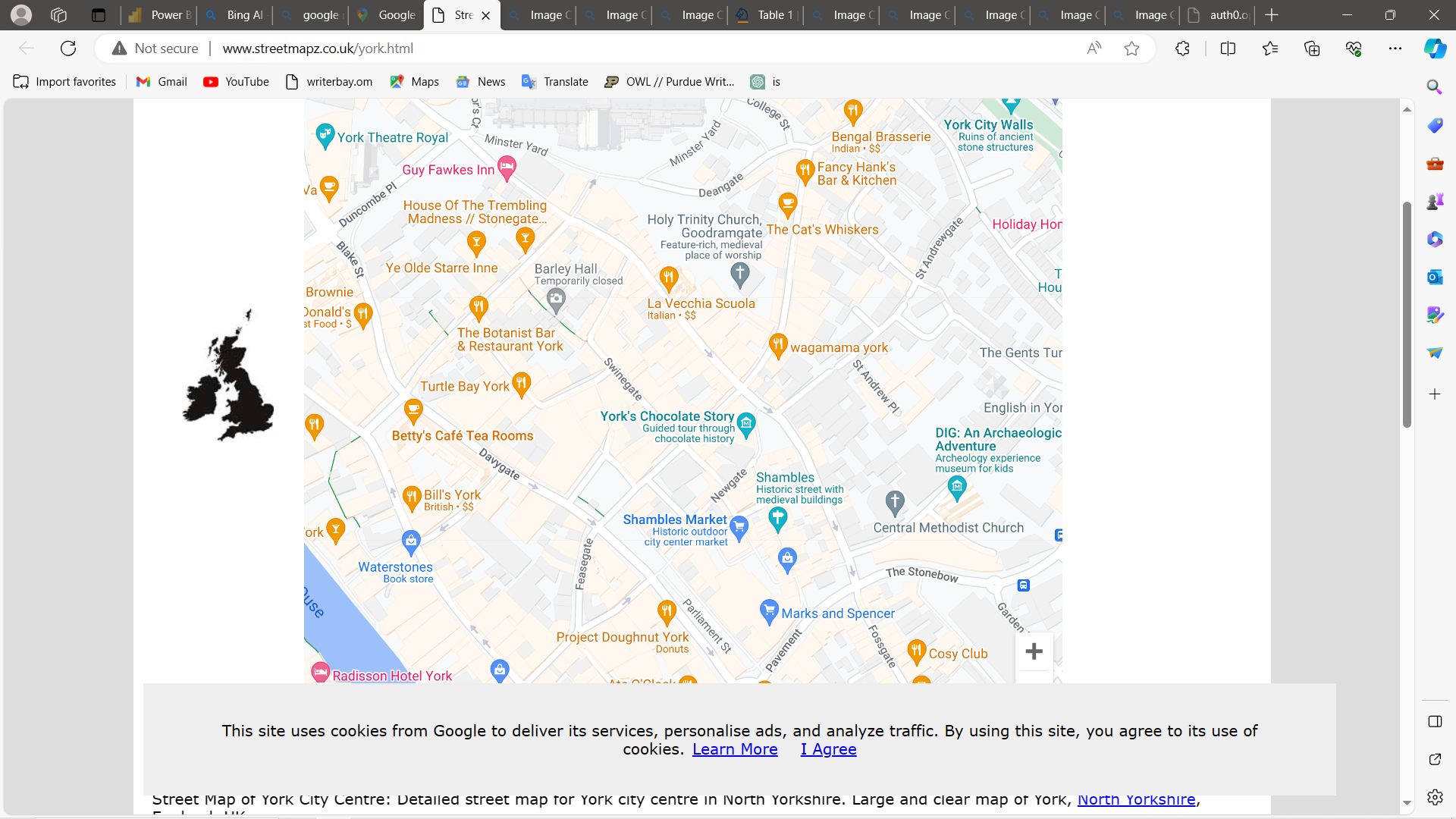
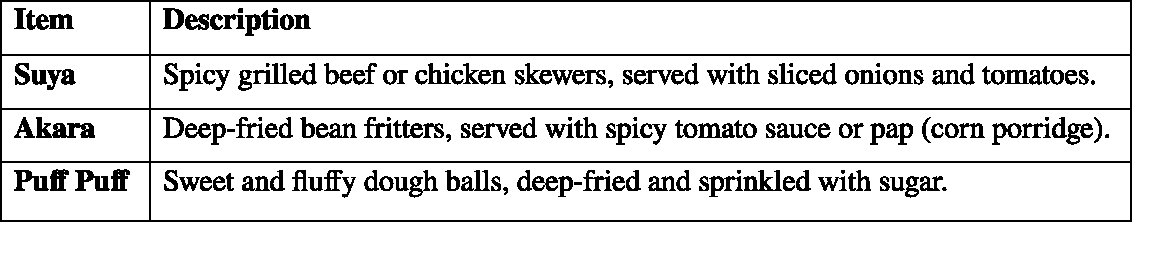
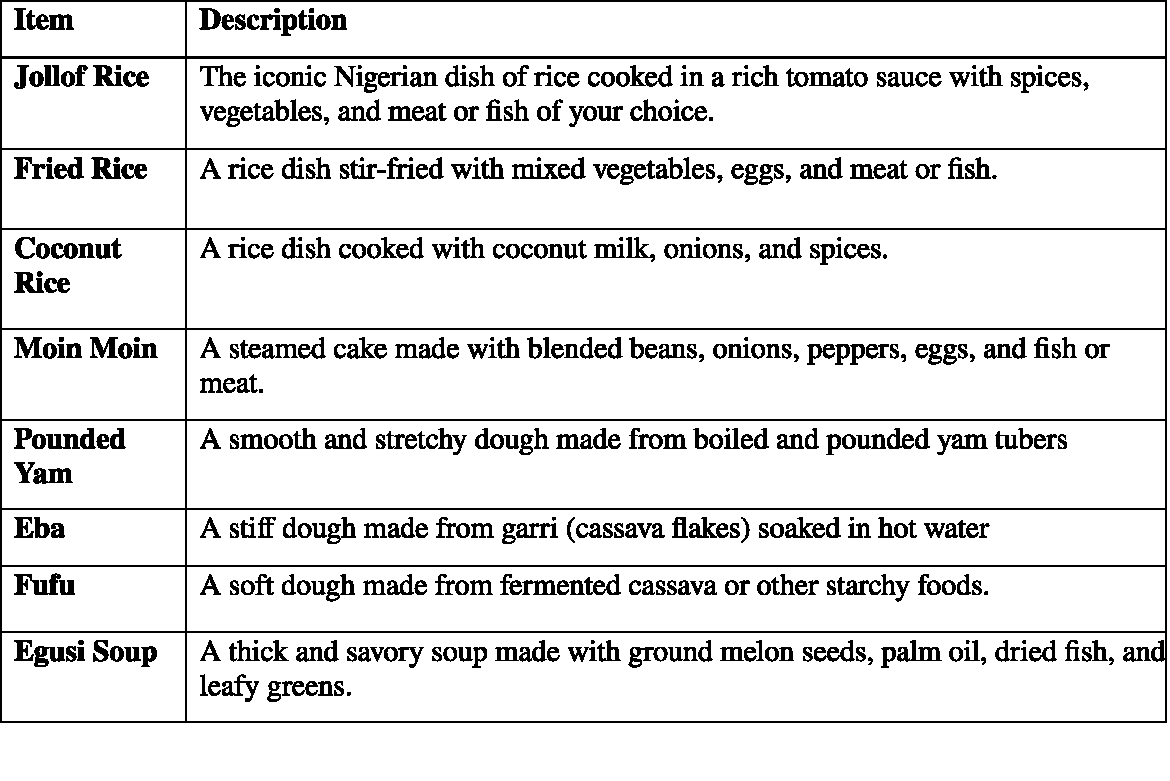
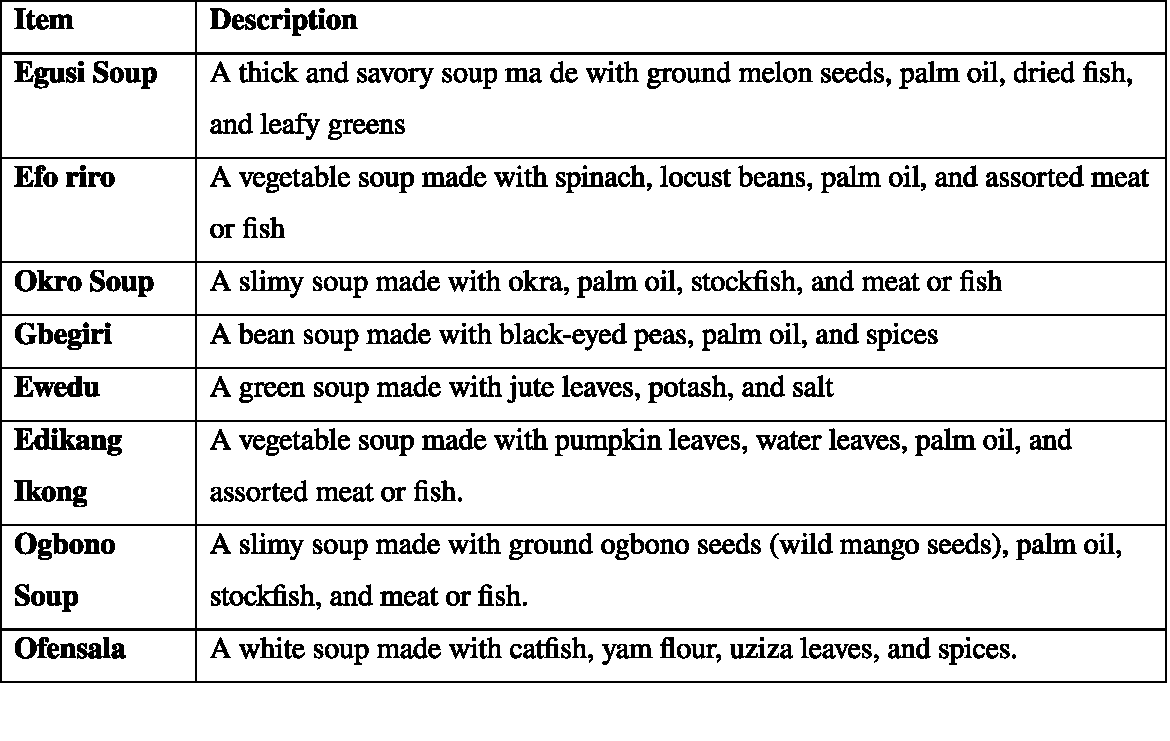
Mama Zee Naija Foods in York City Center will serve authentic Nigerian food and drinks for delivery or takeout. Famous Nigerian foods and beverages such as tiger nut milk, zobo, puff puff, jollof rice, moi moi, fried plantains, and pepper soup will be served (Otu, 2020). These foods are popular and can be ordered for delivery or takeout. More Nigerian specialties will be added to the menu over time.
The companies’ main goal is to target a small group of people who are interested in lifestyle businesses, which is what the Lumpkin and Dess (1996) typology, as changed by Schindehutte et al. (2006), calls a “niche market.” The project aims to close a gap in the ethnic food offerings at York City Center (Ardichvili et al., 2003). The limited local scope is ideal for student entrepreneurs because it is specifically designed to handle operational complexities within time and budgetary constraints. However, great care will be taken in branding, marketing, and customer experience to provide a rich taste of Nigerian culture. Plans include:
Expanding the menu.
Expanding into new markets.
Exploring the possibility of a small retail presence if operational viability and consumer demand allow.
The venture takes a measured approach to risk-taking, with a £10,000 initial capital and a 20-hour workweek as constraints. The business model is intended to be as efficient as possible, primarily focusing on providing takeout or delivery options to manage operational complexities within time and budget constraints. This strategy adheres to Lumpkin and Dess’s (1996) concept of calculated risk-taking. It entails allocating funds to projects with a reasonable chance of producing significant returns.
PRODUCT/SERVICE DESCRIPTION
Mama Zee Naija Foods’s product and service offerings are developed per the tenets of Rogers’ (1962) Innovation Diffusion Theory. Adopting novel innovations, per this theory, is a progressive procedure that can be categorised into distinct phases. These phases consist of becoming informed about the innovation, developing a belief in its advantages, deciding to put it into practice, and verifying its efficacy. Mama Zee Naija Foods endeavours to operationalise this concept by introducing inventive interpretations of conventional Nigerian gastronomy and beverages. The main objective is to ensure the preservation of superior quality and genuineness standards while tactfully encouraging their reception in the York City Centre market.
The menu will showcase a meticulously curated assortment of Nigerian dishes and beverages, meticulously crafted to cater to the preferences of both conventional and contemporary palates. To appeal to a broader demographic, the traditional Nigerian beverage ‘kunu’ can be presented in various flavours, including ginger or mint. This innovative strategy is per Rogers’ (1962) notion of relative advantage,’ which posits that the new product or service should offer a distinct edge over its forerunner.
Appetizers Menu
Main Dishes
Soups
Drinks
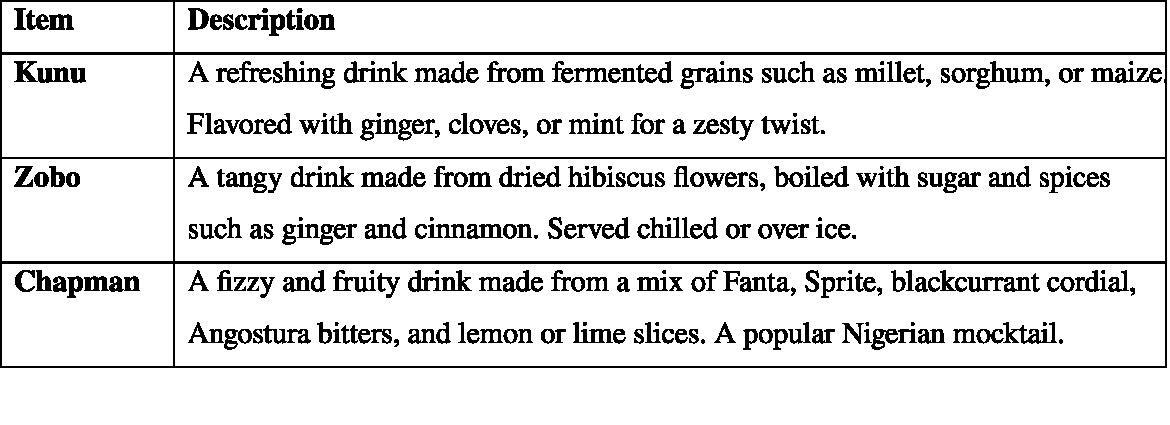
The cornerstones of the product offerings will be quality and authenticity. Responsible sourcing will be used to ensure the food tastes authentic and meets high standards of quality. As a result of focusing on quality and authenticity, Rogers’ Innovation Diffusion Theory enhances observability and trialability. Early adopters are likelier to try high-quality, authentic products, and their positive experiences can lead to broader diffusion through word-of-mouth. By starting with a small menu, Mama Zee Naija Foods can make sure that each offering is perfect and simple for the target market to understand. It is consistent with Rogers’ (1962) ‘complexity’ dimension, which asserts that innovations that are easier to understand are more likely to be adopted.
MARKET ANALYSIS
As a key component of Mama Zee Naija Foods’ business plan, the market analysis provides a comprehensive understanding of the market landscape where the venture intends to operate. To accomplish the venture’s objectives, this analysis identifies market opportunities, assesses potential challenges, and formulates strategies. This analysis evaluates the competitive environment, understands customer behaviours and preferences, and assesses the effects of different external factors on the business. As a result of this comprehensive approach, the venture has the information it needs to make informed decisions, from market entry to scaling operations.
Industry Analysis
In a diverse and cosmopolitan setting like York City Center, the food and beverage industry is a multifaceted and dynamic sector. There has been significant growth in the ethnic and international cuisine market within this industry due to consumer interest in diverse culinary experiences (Mintel, 2019). The proposed venture aims to address this demand by providing authentic Nigerian cuisine, as considered in Porter’s Five Forces analysis.
Table 1: Porter’s Five Forces Analysis
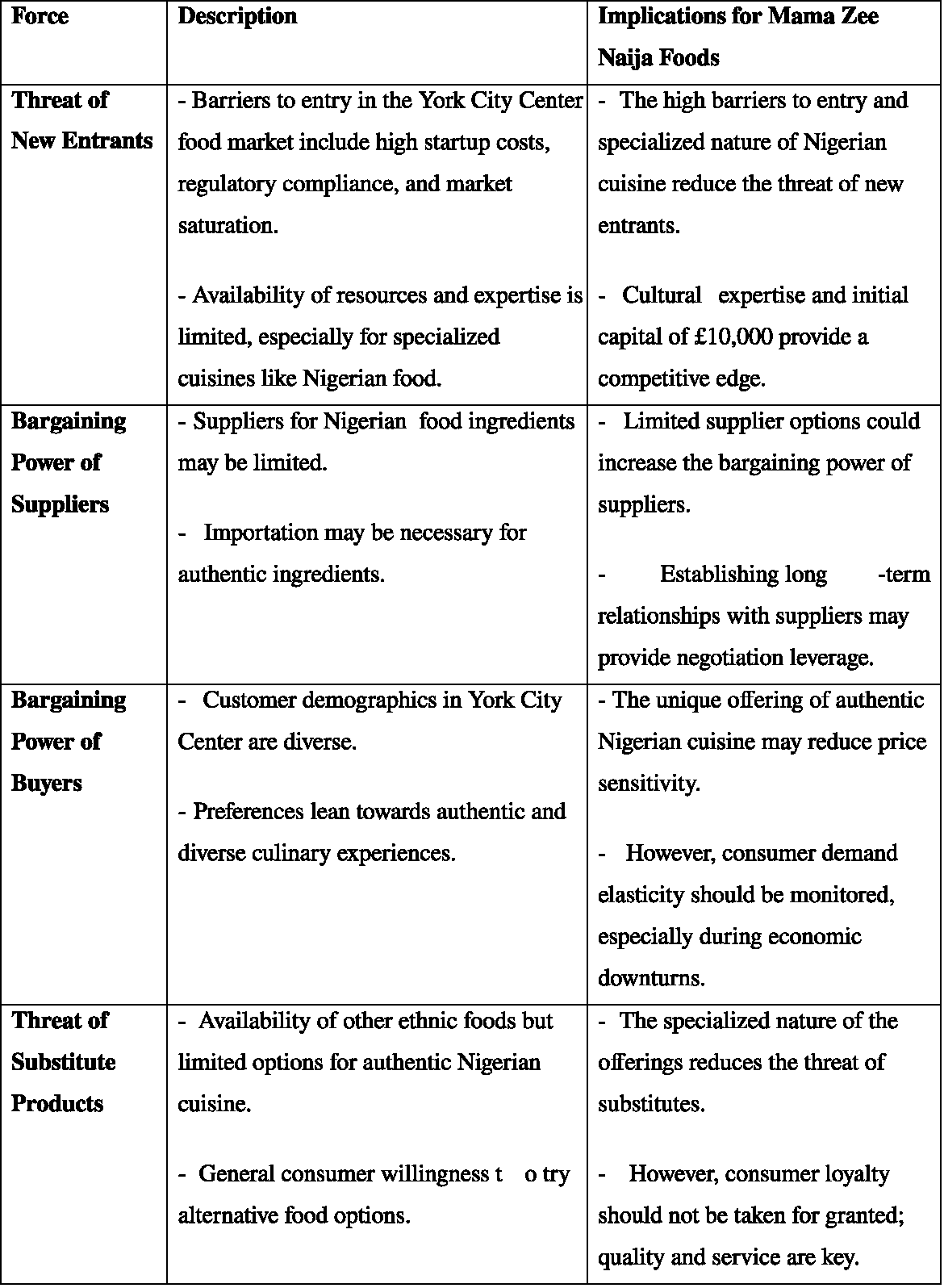
The ethnic food market in the United Kingdom has expanded at a compound annual growth rate (CAGR) of 11.5% over the past five years (IBISWorld, 2021). This expansion is propelled by the diverse array of culinary experiences that consumers prefer. There needs to be more availability of Nigerian cuisine in the market, specifically in York City Centre. Commencing now presents a remarkable opportunity (Kotler & Keller, 2016). Mama Zee Naija Foods’s emphasis on providing genuine Nigerian cuisine is consistent with current market developments, which include an expanding interest in authentic ethnic cuisines and a diverse clientele (Euromonitor, 2020; Pine & Gilmore, 1999).
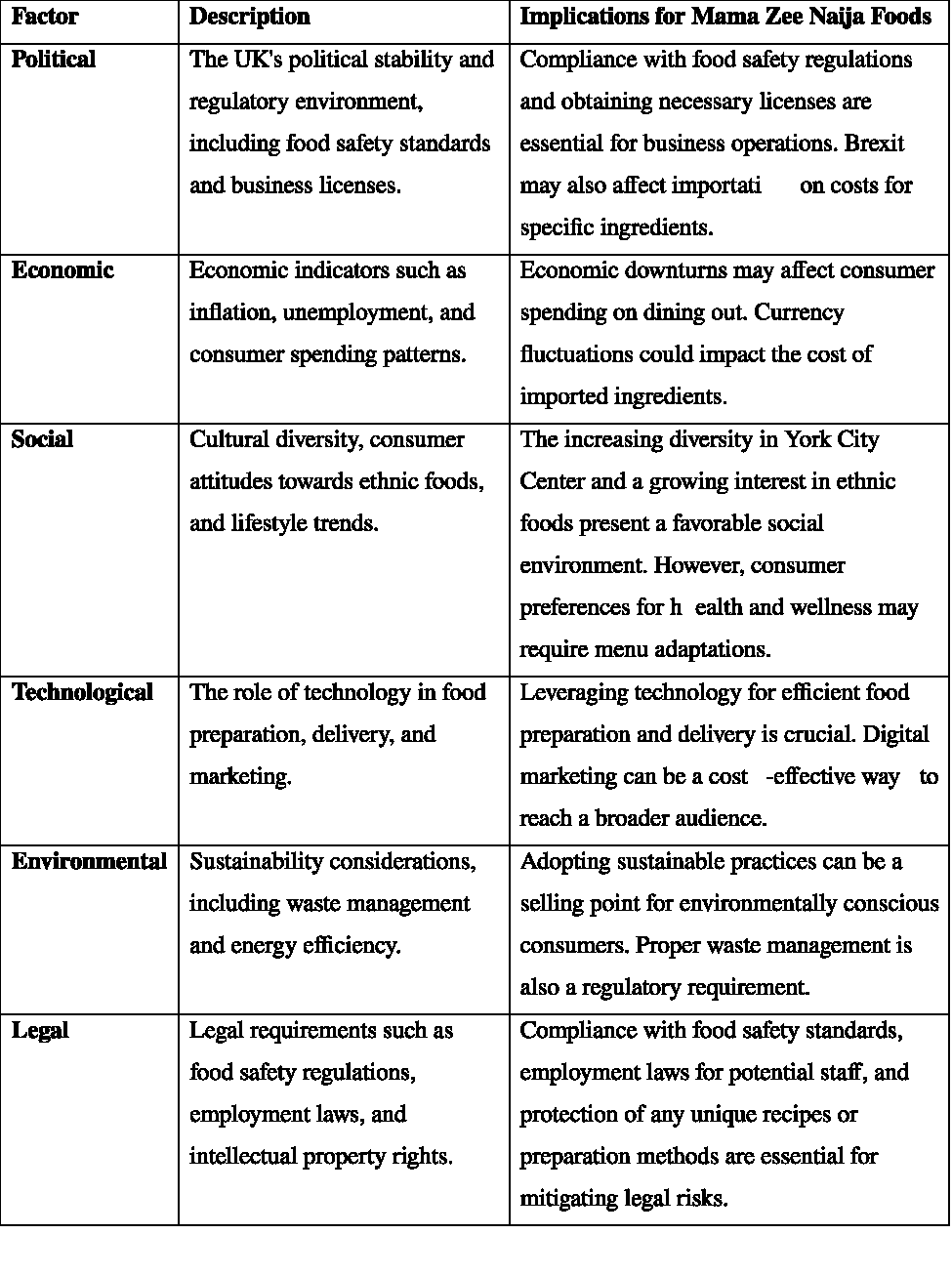
The sparse competition for Nigerian cuisine consists primarily of more extensive African menus. As a result of this, Mama Zee possesses a distinct competitive edge over her rivals (Mintel, 2019; Porter, 1979). Despite the complexity of the supply chain, globalisation has simplified the sourcing process for Nigerian ingredients (Christopher, 2016; Chopra & Meindl, 2016). Adherence to regulations, including those concerning food safety, is of the utmost importance for the prosperity of an enterprise (UK Food Standards Agency, 2021). In general, the industry analysis indicates that Mama Zee Naija Foods is in a favourable position to cater to consumers’ increasing desire for genuine ethnic cuisine.
Table 2: PESTEL Analysis
Competitor Analysis
Mama Zee Naija Foods competes with direct and indirect competitors in York City Center’s fiercely competitive market. Mama Zee can differentiate itself from its immediate competitors by serving authentic Nigerian cuisine rather than generically African menu items. This distinction is supported by Porter’s (1980) and Kotler and Keller’s (2016) research. Indirect competitors include ethnic restaurants that serve Chinese and Indian cuisine. These alternatives provide consumers with various culinary experiences, even if they are not exact replacements (Kotler & Armstrong, 2018).
Direct competitors benefit from an existing customer base but offering a wider variety of African food compromises authenticity (Table 3) (Hollensen, 2015). Mama Zee’s unique selling proposition, according to Porter (1985), is its focus on Nigerian food, which distinguishes it from indirect competitors who may have competitive pricing and a variety of menu options but need this specialisation. As a result, Mama Zee Naija Foods is perfectly positioned to carve out a niche market by providing a genuine Nigerian culinary experience.
Table 3: SWOT Analysis
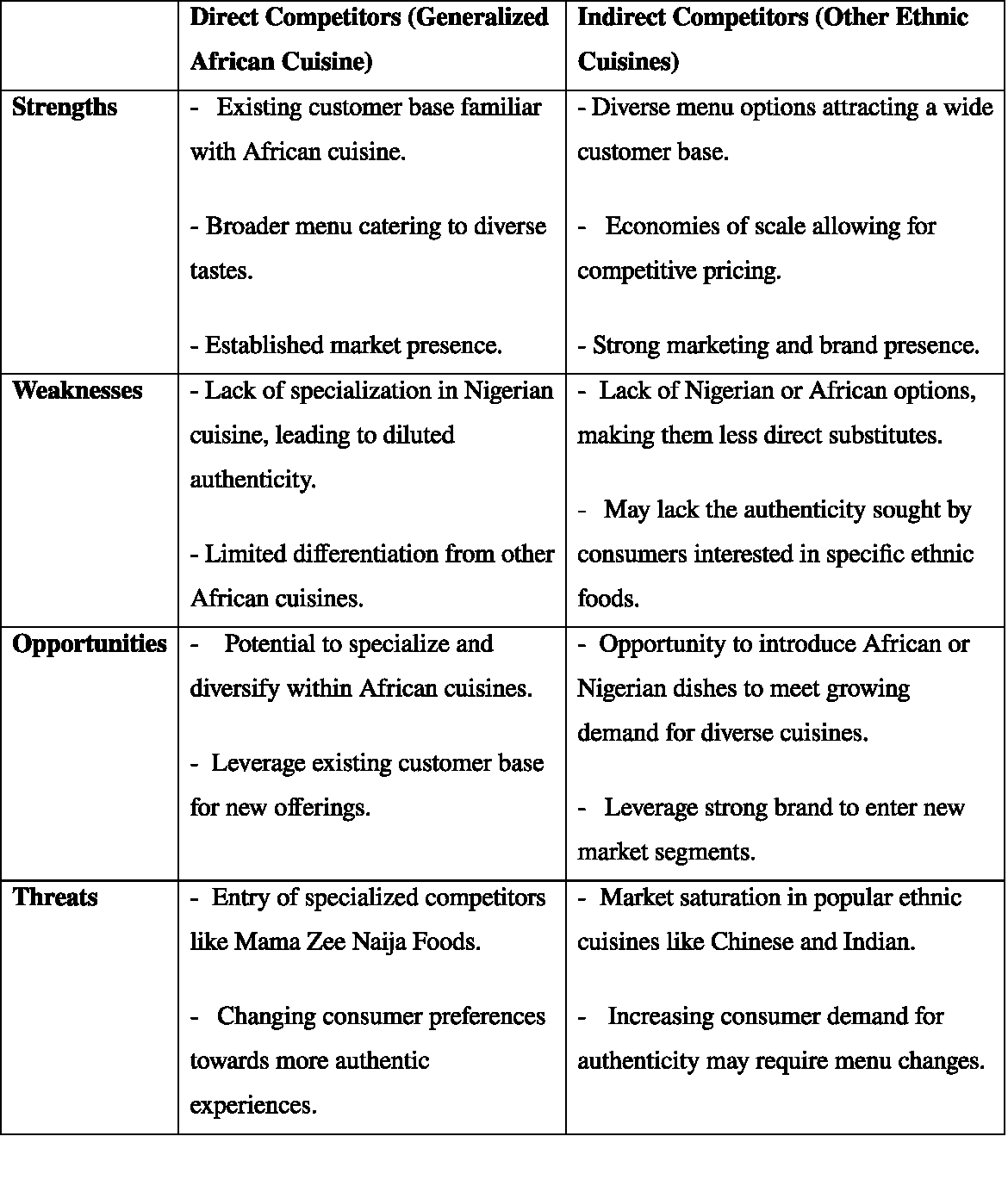
To gain important insights, Mama Zee Naija Foods must first gain a thorough understanding of the competitive environment. The emphasis is on authentic Nigerian food, and the market is currently uncrowded, providing a unique opportunity for market penetration. It is critical to have a compelling value proposition that goes beyond food quality to differentiate yourself from indirect competitors and foster client loyalty (Aaker, 1991). While there is competition in the ethnic food market, specialised, authentic Nigerian food is conspicuously lacking. Mama Zee Naija Foods has positioned itself to fill this void by emphasising quality and authenticity.
Customer Analysis
Mama Zee Naija Foods intends to serve a diverse clientele in York City Centre, including a broader audience interested in ethnic cuisines and, in particular, Nigerian expatriates. According to Hofstede (1984), the primary target audience consists of people who want authentic Nigerian food that respects their cultural heritage. However, Pine and Gilmore (1999) point out that the secondary audience’s motivation is a desire to try new foods. In light of the shift in how consumers use digital technology and the growing preference for healthy eating, as reported by Euromonitor (2020) and Mintel (2019), the venture’s primary selling point is centred on offering “Authentic Nigerian Cuisine for the Culinary Adventurer,” as stated by Keller (2008). The first marketing strategy will include the use of digital platforms as well as special promotions that highlight Nigerian culture (Aaker, 1991).
Mama Zee Naija Foods, according to PESTEL and Porter’s Five Forces analyses, is a player in a promising market. According to Porter (1979) and Johnson, Scholes, and Whittington (2008), the presence of significant barriers to new entrants and a scarcity of direct competitors create favourable conditions for differentiation. The state of the economy and regulatory compliance are critical factors to consider. The company is well-positioned to capitalise on its distinct value proposition by matching consumer preferences and market trends with its products and marketing strategies. Mama Zee Naija Foods will be able to dominate the market and achieve long-term success with the help of strategic alignment.
MARKETING STRATEGY
Two foundational frameworks will be used to guide Mama Zee Naija Foods’ marketing strategy: the 4Ps of Marketing (McCarthy, 1960), which emphasize product, price, place, and promotion, and the Ansoff Matrix (Ansoff, 1957), which provides direction for market penetration, product development, market development, and diversification.
4Ps of Marketing
Product: Mama Zee Naija Foods will focus on offering authentic Nigerian cuisine to differentiate itself from competitors. Nigerian dishes such as Semo, Egusi, and a variety of Naija foods will be carefully curated for the menu. As part of the marketing mix, this strategy aligns with the concept of product depth and variety (Kotler & Armstrong, 2018). Much emphasis will be placed on the quality and authenticity of the food offerings in all marketing materials. This is crucial to establish brand credibility and attract a niche audience seeking authentic experiences (Keller, 2008). The menu will also include options catering to health-conscious consumers (Mintel, 2019), broadening the market reach.
Price: Authenticity and quality of the food will be reflected in premium pricing. To cater to different customer segments, menu items will be priced according to their cost of production and perceived value (Monroe, 2003). Combo offers provide perceived value and encourage trial (Shapiro & Varian, 1998). Dynamic pricing may be implemented during peak hours or special events to maximize revenue (Chen & Zhang, 2018).
Place: Due to limited time and financial resources, the focus will initially be on takeout and delivery services. To expand its reach, Mama Zee Naija Foods will partner with popular food delivery platforms (Burt & Sparks, 2003). At first, the service will be available only in York City Center, with plans to gradually expand to other parts of the city. A wider customer base can be reached by participating in local markets or festivals (Kim & Stoel, 2004).
Promotion: The promotional activities will be based on a digital-first approach, leveraging social media and online platforms. Instagram and Facebook will be used to run campaigns emphasizing the authenticity and quality of the food (Smith, 2011). To reach a wider audience, the brand will collaborate with influencers who align with its values (Freberg, Graham, McGaughey, & Freberg, 2011). Loyalty cards or app-based rewards will be introduced to encourage repeat purchases (Dowling & Uncles, 1997).
Mama Zee Naija Foods aims to establish a strong market presence and attract a diverse customer base through these strategies. Authenticity and quality, coupled with a well-designed pricing and promotional strategy, will serve as key differentiators in a competitive market.
Application of Ansoff Matrix
Market Penetration Strategy
The primary objective is to increase market share among both Nigerian expatriates and locals interested in ethnic cuisine. Given the increasing reliance on online platforms for food discovery (Euromonitor, 2020), a robust digital marketing strategy will be employed. This will include search engine optimization (SEO) and pay-per-click (PPC) advertising to increase online visibility (Chaffey & Ellis-Chadwick, 2019). Special events and promotions targeting the Nigerian expatriate community will be organized to build brand loyalty and encourage word-of-mouth referrals (Goyat, 2011).
Product Development
The focus here is on introducing new dishes or variations based on customer feedback and market trends. Regular surveys and feedback mechanisms will be implemented to understand customer preferences and identify gaps in the current menu (Nambisan, 2002). Keeping abreast of culinary trends through market research will inform the introduction of new dishes or variations, thereby keeping the menu fresh and appealing (Mintel, 2019).
Market Development
The strategy here involves expanding the geographic reach of Mama Zee Naija Foods through partnerships or new outlets. Collaborations with existing food outlets or platforms in different geographic locations will be explored to extend the brand’s reach (Varadarajan & Cunningham, 1995). As the business gains traction, the opening of new outlets in other high-traffic areas will be considered, subject to financial viability and market demand (Kotler & Keller, 2016).
Diversification
Diversification will explore opportunities for packaged versions of popular dishes or drinks. Given the increasing demand for convenience, the possibility of offering packaged versions of popular dishes like Tiger nut drinks or Kunu will be explored (Euromonitor, 2020). Collaborations with retail outlets to stock these packaged goods could provide an additional revenue stream and increase brand visibility (Burt & Sparks, 2003).
Each of these strategic directions—Market Penetration, Product Development, Market Development, and Diversification—offers unique opportunities and challenges. By carefully planning and executing strategies in each of these domains, Mama Zee Naija Foods can achieve sustainable growth and market leadership.
OPERATIONS AND LOGISTICS
Risk Management Theory and Just-In-Time (JIT) Management serve as the foundation for the operations and logistics strategy of Mama Zee Naija Foods. The primary concerns are enhancing supply chain efficiency and mitigating risks (Womack & Jones, 1996; Kaplan & Garrick, 1981). Irrespective of the quality and authenticity of Nigerian cuisine, it is necessary to acquire specialised kitchen equipment, including industrial cookers and refrigeration units (Stevenson & Hojati, 2007). A meticulous supplier selection procedure will be implemented, placing particular emphasis on verifying the quality and genuineness of ingredients. The management of these supplier relationships will adhere to a Just-in-Time (JIT) framework, which aims to establish an inventory system that is both efficient and flexible (Schonberger, 1982).
A cohesive system will be deployed to optimise operational procedures, establishing a direct link between the kitchen and online orders. According to Fullerton et al. (2003), this will reduce errors and shorten lead times. Incorporating Just-in-Time (JIT) principles into the supply chain design will increase adaptability, minimise waste, and maximise customer value (Krajewski et al., 2013). We will adhere rigorously to quality assurance protocols and food safety regulations (Spence & Bourlakis, 2009). The application of risk management theory will provide direction for the detection and assessment of operational risks, including equipment malfunctions and disruptions in the supply chain. A contingency plan shall be formulated for every risk that has been identified (Kaplan & Garrick, 1981). This strategy aims to establish a robust operational framework that guarantees the regular delivery of premium, authentic Nigerian cuisine.
HUMAN RESOURCES PLAN
The Human Resources Plan is designed to align with the operational needs of Mama Zee Naija Foods, ensuring that the right talent is in place to achieve the venture’s objectives. Given the initial focus on a limited but high-demand menu and takeout or delivery options, the staffing plan is streamlined to include essential roles that contribute directly to the production, marketing, and distribution of food items. Table 4 outlines the number and roles of employees needed.
Table 4: Human Resources Plan
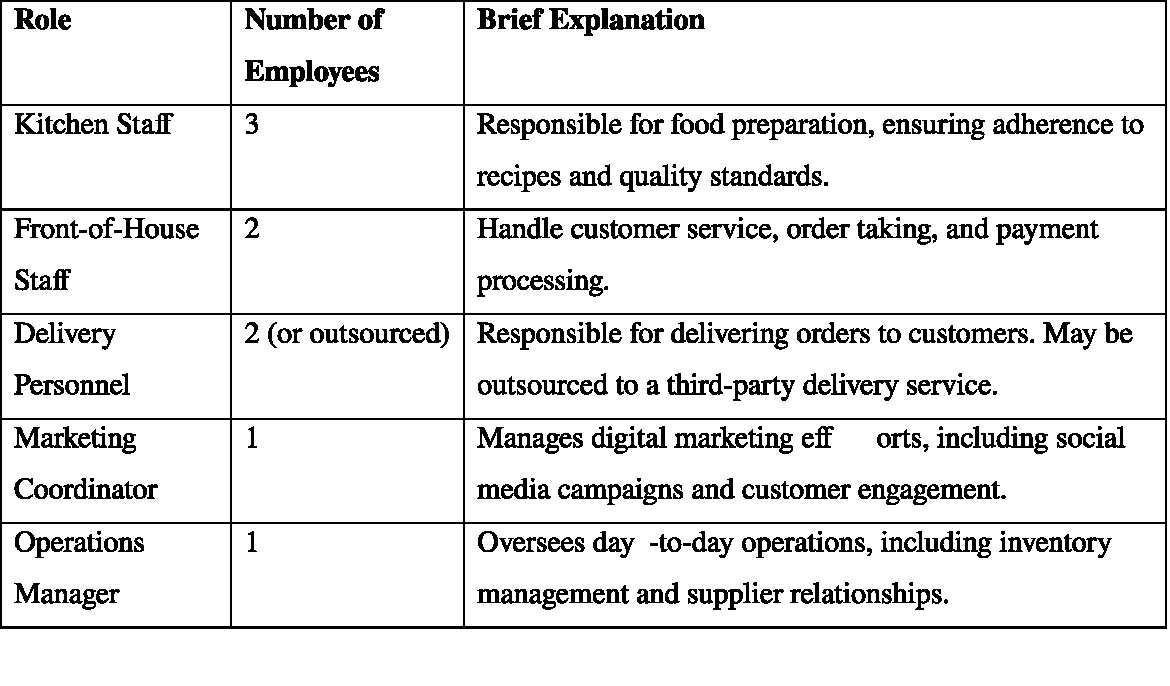
This staffing plan is designed for efficiency and scalability, allowing for adjustments as the business grows and evolves.
FINANCIAL FORECAST
Break-even analysis and discounted cash flow (DCF) are used in the financial plan to analyse profitability metrics and long-term sustainability, respectively (Horngren, Datar, & Rajan, 2014; Damodaran, 2012). The budget details the startup costs, projects cash inflow and outflow to best use the available funds. It lists potential funding sources, including both initial capital and loan options. Revenue projections will be determined using effective pricing strategies and a thorough market analysis.
Table 5: Start-Up Costs
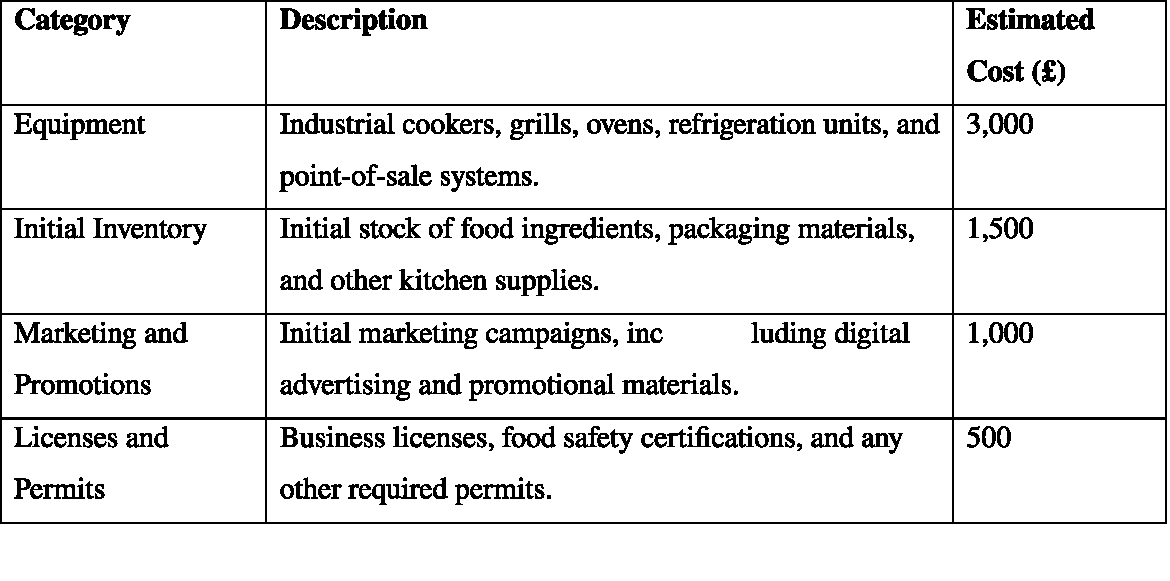
The total estimated startup cost is £6,000, which falls within the initial capital of £10,000. The remaining £4,000 can be allocated for working capital, including rent, utilities, and employee wages, as well as unforeseen expenses that may arise during the startup phase.
Table 6: Projected Cash Flows (Monthly)
Month | Revenue (£) | Operating Expenses (£) | Net Cash Flow (£) |
January | 2,000 | 1,500 | 500 |
February | 2,200 | 1,600 | 600 |
March | 2,500 | 1,700 | 800 |
April | 2,700 | 1,800 | 900 |
May | 3,000 | 1,900 | 1,100 |
June | 3,200 | 2,000 | 1,200 |
July | 3,500 | 2,100 | 1,400 |
August | 3,700 | 2,200 | 1,500 |
September | 4,000 | 2,300 | 1,700 |
October | 4,200 | 2,400 | 1,800 |
November | 4,500 | 2,500 | 2,000 |
December | 4,800 | 2,600 | 2,200 |
Table 7: Projected Cash Flows (Quarterly)
Quarter | Revenue (£) | Operating Expenses (£) | Net Cash Flow (£) |
Q1 (Jan – Mar) | 6,700 | 4,800 | 1,900 |
Q2 (Apr – Jun) | 8,900 | 5,700 | 3,200 |
Q3 (Jul – Sep) | 11,200 | 6,600 | 4,600 |
Q4 (Oct – Dec) | 13,500 | 7,500 | 6,000 |
This illustrative operating cash-flow scenario is positive throughout the first year. It uses a narrower expense base than the full financial forecast below, which separately includes marketing, wages, rent, and utilities; the two scenarios should not be treated as equivalent evidence of profitability.
Funding Sources
The owner’s funds will provide the initial capital for Mama Zee Naija Foods, which has the benefit of not requiring interest payments or dilution of ownership (Myers & Majluf, 1984). However, more than this may be needed to support long-term growth or cover unexpected costs, necessitating additional funding sources (Ang, 1991). Bank loans (Berger & Udell, 1995) offer low-interest rates but require collateral; microloans (Armendáriz & Morduch, 2010) are suitable for small businesses and have fewer qualifying requirements; and crowdfunding for specific projects (Mollick, 2014)
Table 8: Financial Forecasts
Category | Q1 (£) | Q2 (£) | Q3 (£) | Q4 (£) | Total (£) |
Revenue Projections | |||||
Food Sales | 6,700 | 8,900 | 11,200 | 13,500 | 40,300 |
Beverage Sales | 1,000 | 1,300 | 1,600 | 1,900 | 5,800 |
Special Events | 500 | 700 | 900 | 1,100 | 3,200 |
Total Revenue | 8,200 | 10,900 | 13,700 | 16,500 | 49,300 |
Expense Projections | |||||
Operating Expenses | 4,800 | 5,700 | 6,600 | 7,500 | 24,600 |
Marketing Expenses | 800 | 1,000 | 1,200 | 1,400 | 4,400 |
Employee Wages | 3,000 | 3,500 | 4,000 | 4,500 | 15,000 |
Rent & Utilities | 1,200 | 1,400 | 1,600 | 1,800 | 6,000 |
Total Expenses | 9,800 | 11,600 | 13,400 | 15,200 | 50,000 |
The projections indicate that the business is expected to generate a total revenue of £49,300 and incur total expenses of £50,000 in the first year. This produces a projected first-year shortfall of £700, underscoring the need to control expenses and test the revenue assumptions before implementation.
Break-Even Analysis
The break-even point is calculated using the formula:
Break-even point (units) = Fixed costs ÷ (Selling price per unit − Variable cost per unit)
Assuming an average selling price per unit (meal) of £10 and an average variable cost per unit of £4, and fixed costs totaling £24,600 for the first year (from the financial forecasts), the break-even point would be:
Break-even point = £24,600 ÷ (£10 − £4) = 4,100 meals
According to the break-even analysis, Mama Zee Naija Foods must sell an estimated 4,100 meals during the first year to achieve profit and loss equilibrium. Around eleven meals are required daily, according to Horngren et al. (2014). Even with revenue projections indicating surpassing this threshold, it is imperative to maintain ongoing surveillance of sales and expenses to adapt strategies to optimise profitability (Drury, 2013).
Discounted Cashflow Analysis
The Discounted Cash Flow (DCF) analysis employs two key metrics: Net Present Value (NPV) and Internal Rate of Return (IRR). These metrics are used to evaluate the long-term financial viability of the business by discounting future cash flows to their present value (Damodaran, 2012).
The NPV is calculated using the formula:
NPV = Σₜ₌₀ⁿ CFₜ ÷ (1 + r)ᵗ
Where CFt is the cash flow at time t and r is the discount rate. Using an illustrative discount rate of 10% per quarter, the narrower operating cash-flow scenario can be discounted as follows. This illustration discounts inflows only; a complete NPV also subtracts the initial investment and includes all relevant cash flows.
For simplicity, let’s consider the net cash flow for each quarter of the first year:
Q1: £1,900
Q2: £3,200
Q3: £4,600
Q4: £6,000
PV of listed inflows = 1,900 ÷ (1.10)¹ + 3,200 ÷ (1.10)² + 4,600 ÷ (1.10)³ + 6,000 ÷ (1.10)⁴
This expression illustrates the present value of the listed quarterly operating inflows, discounted at 10% per quarter. It is not a completed investment NPV or IRR calculation.
The financial projections of Mama Zee Naija Foods indicate a strong correlation between the anticipated first-year revenues of £49,300 and expenses of £50,000, underscoring the criticality of operational efficiency (Horngren et al., 2014). According to Kimes (2009), a break-even analysis demonstrates that an estimated 4,100 meals must be sold to attain a state of equilibrium between profit and loss. This underscores the significance of implementing a dynamic pricing strategy as part of a well-thought-out pricing strategy to optimise revenue.
Values such as Net Present Value (NPV) and Internal Rate of Return (IRR) are examples of discounted cash flow (DCF) metrics that can offer a further understanding of the venture’s financial sustainability over the long term. A financially viable investment possesses both a positive net present value (NPV) and an internal rate of return (IRR) that surpasses the discount rate (Damodaran, 2012; Brealey et al., 2011). Based on the predictions, it is important to create a strong risk mitigation strategy that includes emergency funds and a variety of funding sources to deal with problems that come out of the blue (Miller & Lessard, 2001).
KEY MILESTONES
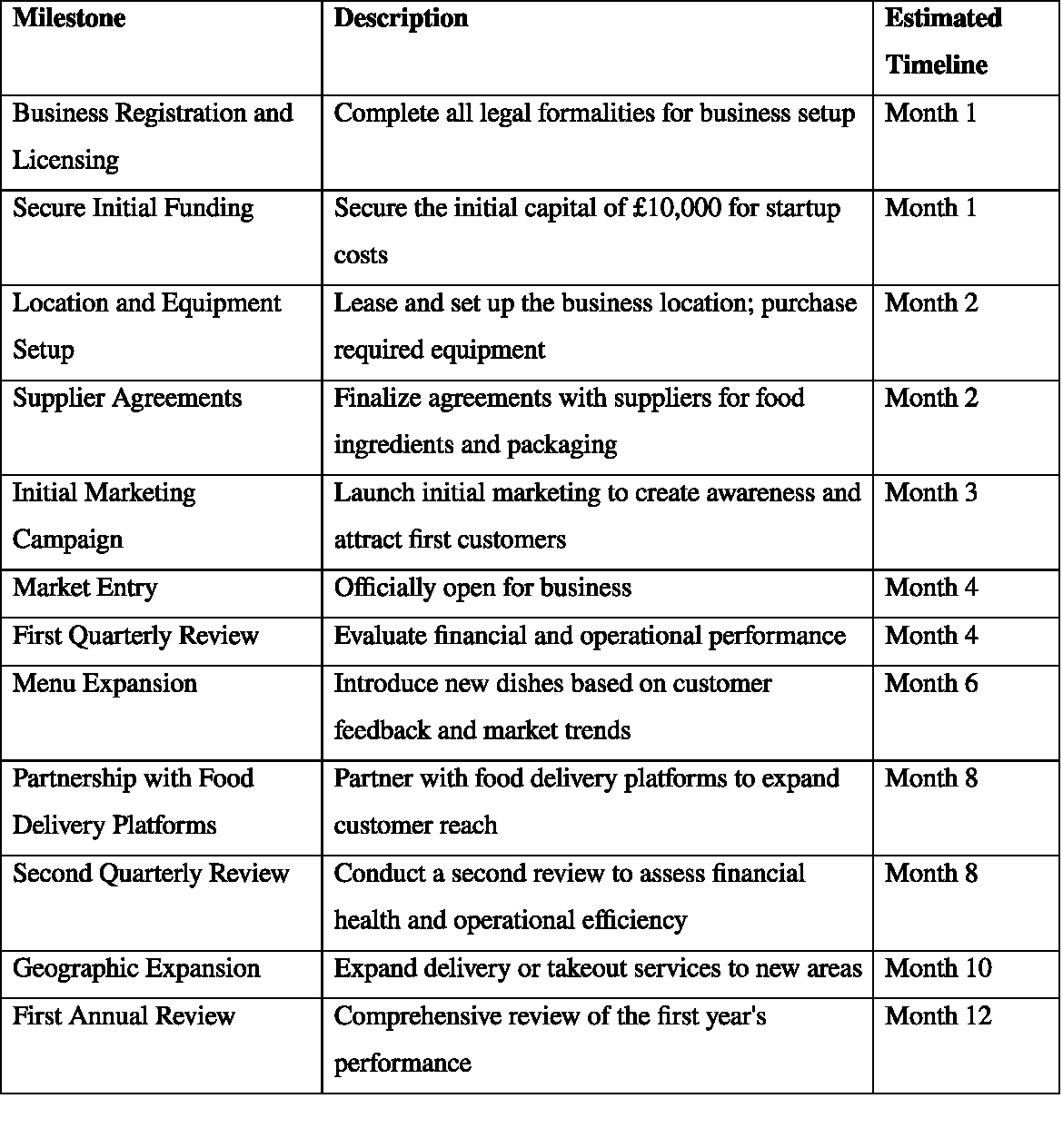
These milestones are designed to guide the business through its initial setup, market entry, and expansion phases (Table 9). The milestones are aligned with the financial forecasts and operational plans, providing critical checkpoints for assessing progress and making necessary adjustments (Locke & Latham, 2002).
Table 9: Key Milestones
CONCLUSION
The business plan of Mama Zee Naija Foods delineates an all-encompassing strategy for penetrating the York City Centre market by offering genuine Nigerian cuisine. Innovation diffusion and opportunity recognition theories (Ardichvili et al., 2003; Rogers, 1962) are two important theoretical frameworks used in the strategy. Break-even and discounted cash flow methods, including NPV and IRR (Horngren et al., 2014; Damodaran, 2012), provide tools for evaluating the proposal; the illustrative forecasts do not establish profitability. The marketing strategy prioritises the 4Ps and the Ansoff matrix to attain the most advantageous market positioning (McCarthy, 1960; Ansoff, 1957). JIT Management and Risk Management Theory impact operations and logistics by emphasising supply chain effectiveness and risk mitigation (Womack & Jones, 1996; Miller & Lessard, 2001).
REFERENCES
Aaker, D. A. (1991). Managing Brand Equity: Capitalizing on the Value of a Brand Name. Free Press.
Ang, J. S. (1991). Small business uniqueness and the theory of financial management. Journal of Small Business Finance, 1(1), 1-13.
Ansoff, H. I. (1957). Strategies for Diversification. Harvard Business Review, 35(5), 113-124.
Ardichvili, A., Cardozo, R., & Ray, S. (2003). A theory of entrepreneurial opportunity identification and development. Journal of Business Venturing, 18(1), 105-123.
Armendáriz, B., & Morduch, J. (2010). The economics of microfinance (2nd ed.). MIT Press.
Berger, A. N., & Udell, G. F. (1995). Relationship lending and lines of credit in small firm finance. Journal of Business, 68(3), 351-381.
Brealey, R. A., Myers, S. C., & Allen, F. (2011). Principles of Corporate Finance (10th ed.). McGraw-Hill/Irwin.
Burt, S., & Sparks, L. (2003). E-commerce and the retail process: a review. Journal of Retailing and Consumer Services, 10(5), 275-286.
Chaffey, D., & Ellis-Chadwick, F. (2019). Digital Marketing (7th ed.). Pearson.
Chen, Y., & Zhang, Z. J. (2018). Dynamic Targeted Pricing with Strategic Consumers. Management Science, 64(1), 352-372.
Chopra, S., & Meindl, P. (2016). Supply Chain Management: Strategy, Planning, and Operation (6th ed.). Pearson.
Christopher, M. (2016). Logistics & Supply Chain Management (5th ed.). Pearson.
Damodaran, A. (2012). Investment Valuation: Tools and Techniques for Determining the Value of Any Asset (3rd ed.). Wiley.
Doran, G. T. (1981). There’s a S.M.A.R.T. way to write management’s goals and objectives. Management Review, 70(11), 35-36.
Dowling, G. R., & Uncles, M. (1997). Do customer loyalty programs really work? Sloan Management Review, 38(4), 71-82.
Drury, C. (2013). Management and Cost Accounting (8th ed.). Cengage Learning.
Euromonitor. (2020). Digital Consumer in the United Kingdom.
Euromonitor. (2020). Ethnic Foods in the United Kingdom.
Freberg, K., Graham, K., McGaughey, K., & Freberg, L. A. (2011). Who are the social media influencers? A study of public perceptions of personality. Public Relations Review, 37(1), 90-92.
Fullerton, R. R., McWatters, C. S., & Fawson, C. (2003). An examination of the relationships between JIT and financial performance. Journal of Operations Management, 21(4), 383-404.
Goyat, S. (2011). The basis of market segmentation: A critical review of literature. European Journal of Business and Management, 3(9), 45-55.
Hofstede, G. (1984). Culture’s Consequences: International Differences in Work-Related Values. Sage Publications.
Hollensen, S. (2015). Marketing Management: A Relationship Approach (3rd ed.). Pearson.
Horngren, C. T., Datar, S. M., & Rajan, M. V. (2014). Cost Accounting: A Managerial Emphasis (15th ed.). Pearson.
IBISWorld. (2021). Ethnic Food Stores in the UK – Market Research Report.
Johnson, G., Scholes, K., & Whittington, R. (2008). Exploring Corporate Strategy. Prentice Hall.
Kaplan, S., & Garrick, B. J. (1981). On the quantitative definition of risk. Risk Analysis, 1(1), 11-27.
Keller, K. L. (2008). Strategic Brand Management: Building, Measuring, and Managing Brand Equity (3rd ed.). Pearson.
Kim, E. Y., & Stoel, L. (2004). Apparel retailers: website quality dimensions and satisfaction. Journal of Retailing and Consumer Services, 11(2), 109-117.
Kotler, P., & Armstrong, G. (2018). Principles of Marketing (17th ed.). Pearson.
Kotler, P., & Keller, K. L. (2016). Marketing Management (15th ed.). Pearson.
Krajewski, L. J., Ritzman, L. P., & Malhotra, M. K. (2013). Operations Management: Processes and Supply Chains (10th ed.). Pearson.
Locke, E. A., & Latham, G. P. (2002). Building a practically useful theory of goal setting and task motivation: A 35-year odyssey. American Psychologist, 57(9), 705-717.
Lumpkin, G.T., & Dess, G.G. (1996). Clarifying the entrepreneurial orientation construct and linking it to performance. Academy of Management Review, 21(1), 135-172.
McCarthy, E. J. (1960). Basic Marketing: A Managerial Approach. Irwin.
Mintel. (2019). Ethnic Foods – UK – Consumer Market Research Report.
Mintel. (2019). Healthy Lifestyles – UK – Consumer Market Research Report.
Mollick, E. (2014). The dynamics of crowdfunding: An exploratory study. Journal of Business Venturing, 29(1), 1-16
Monroe, K. B. (2003). Pricing: Making Profitable Decisions (3rd ed.). McGraw-Hill.
Myers, S. C., & Majluf, N. S. (1984). Corporate financing and investment decisions when firms have information that investors do not have. Journal of Financial Economics, 13(2), 187-221.
Nambisan, S. (2002). Designing virtual customer environments for new product development: Toward a theory. Academy of Management Review, 27(3), 392-413.
Pine, B. J., & Gilmore, J. H. (1999). The Experience Economy. Harvard Business School Press.
Porter, M. E. (1979). How Competitive Forces Shape Strategy. Harvard Business Review, 57(2), 137-145.
Porter, M. E. (1980). Competitive Strategy: Techniques for Analyzing Industries and Competitors. Free Press.
Porter, M. E. (1985). Competitive Advantage: Creating and Sustaining Superior Performance. Free Press.
Rogers, E.M. (1962). Diffusion of Innovations. Free Press.
Schonberger, R. J. (1982). Japanese manufacturing techniques: Nine hidden lessons in simplicity. Free Press.
Shapiro, C., & Varian, H. R. (1998). Information Rules: A Strategic Guide to the Network Economy. Harvard Business School Press.
Smith, A. N. (2011). Social media in marketing: A review and analysis of the existing literature. Telematics and Informatics, 28(1), 61-77.
Spence, L. J., & Bourlakis, M. (2009). The evolution from corporate social responsibility to supply chain responsibility: the case of Waitrose. Supply Chain Management: An International Journal, 14(4), 291-302.
Stevenson, W. J., & Hojati, M. (2007). Operations Management (8th ed.). McGraw-Hill/Irwin.
UK Food Standards Agency. (2021). Food Business Registration.
Varadarajan, P. R., & Cunningham, M. H. (1995). Strategic alliances: A synthesis of conceptual foundations. Journal of the Academy of Marketing Science, 23(4), 282-296.
Womack, J. P., & Jones, D. T. (1996). Lean Thinking: Banish Waste and Create Wealth in Your Corporation. Simon & Schuster
Cite This Work
To export a reference to this article please select a referencing stye below:

Academic Master Education Team is a group of academic editors and subject specialists responsible for producing structured, research-backed essays across multiple disciplines. Each article is developed following Academic Master’s Editorial Policy and supported by credible academic references. The team ensures clarity, citation accuracy, and adherence to ethical academic writing standards
Content reviewed under Academic Master Editorial Policy.



