
Brass Techniques and Pedagogy
ArtsTextbook
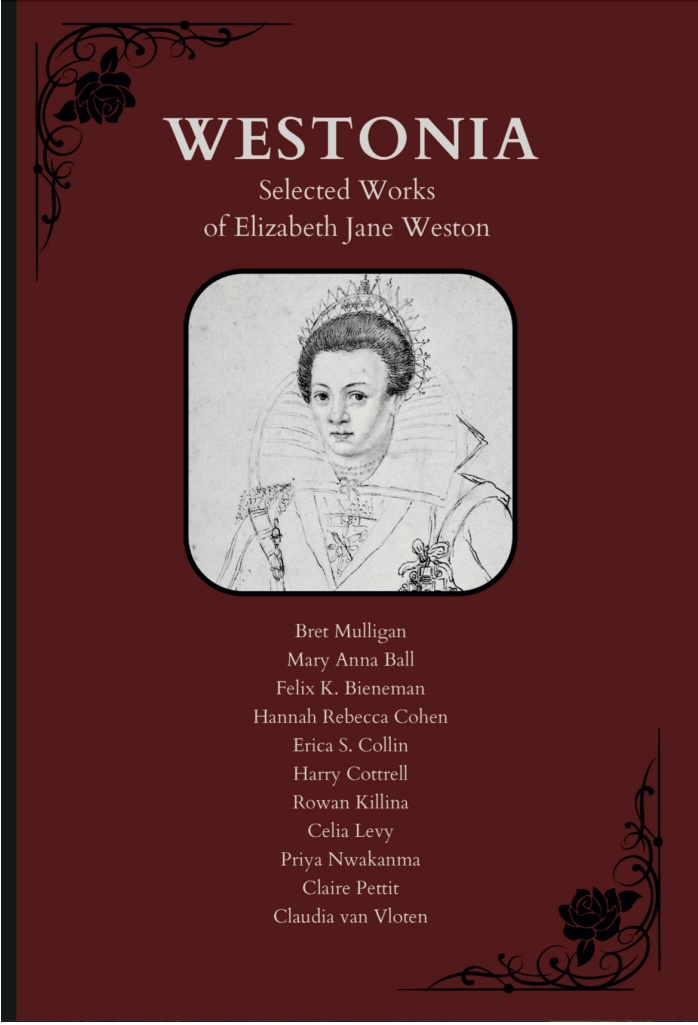
Westonia: Selected Works of Elizabeth Jane Weston
Not rated yetRate this bookA student edition of Elizabeth Jane Weston’s Neo-Latin writing, with Latin texts, running vocabulary, and English commentary. Its opening explains how historical context and language support help readers approach a woman poet working in early modern Bohemia.
Free reading is available at the official source. Opens in a new tab.
 Free
About this book
Westonia makes a selection of Elizabeth Jane Weston’s Latin writing accessible to students who already have some confidence with Classical Latin. Published by Pixelia Publishing in its Experrecta series, it combines original-language texts with vocabulary and grammatical assistance. Elizabeth Jane Weston is the original author; Bret Mulligan and the ten other named contributors prepared the modern commentary and edition. The publisher identifies them as editors, while the book describes their collaborative authorship of its teaching material.
The first edition carries a 2025 publication statement even though the currently linked PDF filename refers to May 2026. Its 320 PDF sheets include preliminary matter; that count is not a claim of 320 numbered text pages. The ebook ISBN is 978-1-967785-07-0. The edition’s account of its preparation in a 2025 Bryn Mawr Latin seminar establishes a concrete connection with university teaching.
Book summary
Study overview of the reviewed opening
The opening presents Weston as an English-born poet whose life and literary career developed largely in Bohemia. Her Latin education gave her a means of addressing patrons and asserting literary authority within an environment where women had restricted opportunities. These circumstances explain why the edition asks readers to connect linguistic choices with social position rather than approach the poems as detached grammar exercises.
A second concern is editorial intervention. The introduction explains that the volumes published during Weston’s lifetime mixed her writing with other authors’ work and involved changes to arrangement and wording. The modern editors therefore acknowledge that selecting and ordering texts is an interpretation. Their aim is to foreground Weston while using other voices when context requires them. Students can distinguish an author’s surviving writing from the later decisions that shape a classroom edition.
The teaching apparatus is designed to reduce constant movement between the text and a dictionary. Vocabulary, grammar notes, and cultural explanations support sustained reading. The introduction also places Neo-Latin between classical models, medieval usage, and early modern innovation. Familiar classical forms remain useful preparation, but readers should expect historical and linguistic differences. This overview concerns the edition’s opening rationale, rather than offering interpretations of poems that have not been reviewed.
Independent study suggestions
Academic Master editorial guidance: Choose a short passage only after reading its accompanying introduction. Keep separate notes for a grammatical difficulty, a historical reference, and an editorial decision. When comparing translations, record which Latin words support your interpretation and which details depend on commentary. Revisit a first translation after checking the historical setting, and explain any revisions. This method makes the assistance visible without allowing it to replace attention to the original language.
Discussion questions
- How might dependence on patrons influence the way a poet addresses an audience?
- What can an editor responsibly infer about an author’s preferred arrangement?
- Which features of an unfamiliar Latin passage require cultural explanation as well as grammar?
Book contents and further reading
Use the official contents to choose a reading sequence and consult the original text before citing or applying a specific chapter.
Official contents in the publisher PDF
Sources and coverage
Copyright and contributor pages, contents, and Introduction, section I (printed pages 1–3), in the publisher-linked PDF. The selected poems and later introductory sections were not reviewed for this overview.
About access & copyright
This page provides book information and study material. Full-text access is provided by the original publisher or authorised source; a listing does not grant permission to republish the book.
Read our Library Access & Copyright policyOriginal author and modern editors
Separate Weston’s writing from the edition’s commentary and arrangement.
Language in context
Read Neo-Latin with attention to early modern circumstances.
Supported close reading
Use vocabulary and grammar notes to sustain attention to the text.
Editorial judgment
Treat selection and ordering as interpretive choices.
Reader ratings & reviews
Share your thoughts
Your review helps other students choose the right resources.



