
Abstract
This dissertation systematically reviews evidence regarding integration of mindfulness-based interventions in routine mental health practice. Mindfulness approaches have proliferated but optimal processes for implementation in care settings remain unclear. An integrative review was conducted to elucidate feasibility, acceptability, efficacy, and appropriate adoption strategies.
Nine studies encompassing diverse designs, populations, and interventions were appraised and analyzed. Feasibility was evidenced through high retention and practice adherence across pilot programs. Participant feedback highlighted acceptability and credibility of mindfulness training. Preliminary efficacy data demonstrated reduced anxiety, depression, and distress, along with enhanced wellbeing and resilience capacities. However, small convenience samples, lack of control groups, limited follow-up, and reliance on self-report data temper conclusions. Implementation challenges included insufficient resources, time constraints, and gaps in provider knowledge and skills.
Results indicate mindfulness training is positively received and shows potential mental health benefits but faces organizational and provider-level barriers. Thoughtful solutions tailored to local contexts are required to overcome challenges and facilitate uptake. Addressing multifaceted barriers will require guideline standardization, workforce development, leadership buy-in, and delivery format optimization balanced for accessibility and effectiveness. Findings illuminate key integration considerations and strategies, while methodological limitations indicate cautious, incremental adoption pending further research is prudent. This synthesis offers a preliminary roadmap while raising salient questions for the next phase of inquiry to strengthen the evidence base guiding translation of mindfulness into transformational, sustainable mental health practice.
Introduction
Background and Context
Mindfulness-based interventions (MBIs) have proliferated exponentially in recent decades as evidence for their efficacy in treating mental health conditions has accumulated. The origins of mindfulness practices trace back thousands of years to contemplative Buddhist traditions. However, contemporary clinical applications first emerged in 1979 with mindfulness-based stress reduction (MBSR), developed by Jon Kabat-Zinn at the University of Massachusetts Medical School for patients struggling with chronic pain and stress (Kabat-Zinn, 2003). MBSR provides an 8-week structured program in a group format involving mindfulness meditation, yoga, body scanning, and other techniques.
Since then, various other standardized MBIs have been developed, most notably mindfulness-based cognitive therapy (MBCT), an adaptation targeting prevention of depressive relapse episodes (Segal et al., 2002). MBIs incorporate elements of mindfulness meditation, cognitive-behavioral therapy, and psychoeducation to enhance self-awareness and coping (Hanssen et al., 2019). Core techniques include mindful breathing, body scans, and loving-kindness meditation. Evidence supports the efficacy of MBIs such as mindfulness-based stress reduction (MBSR) and mindfulness-based cognitive therapy (MBCT) for conditions including anxiety, depression, and stress (Khoury et al., 2013). For example, a meta-analysis by Abbott et al. (2014) found MBIs reduced anxiety symptoms based on 47 RCTs.
Meta-analyses demonstrate MBIs can significantly reduce symptoms of anxiety, depression, and stress in clinical populations compared to controls (Khoury et al., 2013; Goldberg et al., 2018). For example, a review by Hofmann et al. (2010) found effect sizes of 0.97 for anxiety and 0.95 for depression based on 39 studies. The therapeutic benefits of cultivating non-judgmental present moment awareness and decentering from distressing thoughts are well-established (Gu et al., 2015).
Consequently, MBIs have transitioned from obscure Buddhist-inspired practices to mainstream clinical techniques incorporated as adjunct treatments in many mental health settings globally (Lomas et al., 2018). Surveys indicate exponential growth in research publications, trainings, and implementation initiatives (Janssen et al., 2018). Mindfulness has also diffused into society through smartphone apps, workplace programs, and popular self-help books.
However, despite exponential growth, optimal strategies for implementing MBIs into routine clinical practice remain unclear (Shallcross et al., 2015). MBIs were originally designed as manualized 8-week group programs led by specialized facilitators (Kabat-Zinn, 2003). While research establishments follow systematic protocols, Michalak et al. (2020) found actual clinical usage often diverges, with inconsistent applications. For instance, therapists adapt components or inclusion criteria without adherence to standardized guidance. Outpatient therapy represents another gap, as most research has focused on group formats rather than individual therapy integration (Michalak et al., 2020).
In summary, the well-established efficacy of MBIs underscores their value amidst rising mental health burdens globally. However, variability and lack of research on integration into routine practice poses barriers to realizing benefits. Thoughtful translation is needed to bridge the gap between controlled protocols and real-world clinical settings. This review aims to synthesize current knowledge on implementing MBIs in mental health care to inform sustainable, effective adoption strategies.
Rationale
Despite expansive growth, mindfulness-based interventions (MBIs) like mindfulness-based stress reduction (MBSR) and mindfulness-based cognitive therapy (MBCT) have not been effectively translated into routine clinical practice in a systematic manner (Shallcross et al., 2015). Unstructured adoption in mental health settings has led to inconsistent applications lacking fidelity to evidence-based protocols (Michalak et al., 2020). Significant knowledge gaps exist regarding optimal strategies for implementing MBIs amid resource constraints, time limitations, and workforce readiness challenges (Demarzo et al., 2017). This variability in integration of MBIs into real-world care delivery results in missed opportunities to realize beneficial outcomes substantiated in controlled research.
The purpose of this systematic review is to synthesize current evidence on integration of mindfulness-based interventions into routine mental health practice. The review aims to elucidate appropriate and sustainable adoption strategies that effectively balance fidelity, adaptability, and accessibility. A multifaceted implementation approach informed by empirical data can facilitate translation of MBIs into transformational mental health care aligned with patient-centered priorities. This knowledge synthesis serves as a foundation to guide incremental, ethical integration that thoughtfully considers the complexities of real-world clinical contexts. The review findings will highlight salient questions and recommendations to advance the field towards establishing MBIs as a core component of comprehensive, collaborative mental health care.
Aim of the study
The aim of this study is to systematically review evidence on integration of mindfulness-based interventions into routine mental health practice to inform sustainable and effective adoption approaches.
Research question
This study seeks to provide answers to the main question: “How can the mindfulness approach be integrated into routine health practice for generating positive results?” Sub-questions are:
What are the core strategies and best practices for effectively and sustainably integrating mindfulness-based interventions into routine mental health care settings?
What are the main barriers and challenges associated with incorporating mindfulness approaches into standard clinical workflows and care pathways in mental health practice?
Research Objectives
The literature review will seek to answer the following research objectives:
To identify the core strategies and best practices for successfully incorporating mindfulness-based interventions into routine clinical mental health care delivery.
To analyze the main barriers and challenges associated with integrating mindfulness-based approaches into standard workflows and care pathways for mental health treatment.
To evaluate the impacts of mindfulness-based interventions on overall well-being, quality of life, and other outcomes when integrated into routine mental health practice.
To elucidate approaches for addressing challenges and facilitating successful adoption of mindfulness-based interventions within real-world clinical settings.
To develop evidence-based recommendations for practitioners, administrators, and policymakers regarding skillful and ethical integration of mindfulness into mental healthcare.
Significance of the Study
Despite extensive research demonstrating the efficacy of mindfulness-based interventions (MBIs) in controlled settings, a gap persists in knowledge regarding effective translation and integration into real-world mental health practice. As Shallcross et al. (2015) highlight, optimal strategies for implementing MBIs in routine care remain unclear. Most studies have evaluated standardized group-based MBIs like MBSR, with limited focus on integration approaches tailored to busy clinical environments and individual therapy needs (Demarzo et al., 2017). This review addresses this gap by synthesizing literature specifically examining mindfulness integration in mental health contexts, elucidating appropriate adoption considerations.
Bridging the research-to-practice gap in integration of MBIs is imperative for realizing their benefits in mental healthcare. As Michalak et al. (2020) note, inconsistent applications of MBIs in practice result in missed opportunities for impact. Developing an evidence-based roadmap for skillful, sustainable integration can facilitate broader adoption. Effectively delivered MBIs have the potential to improve treatment outcomes, patient experiences, and clinician well-being across mental health settings (Gu et al., 2015). Integration may also reduce over-reliance on pharmacotherapy, mitigate associated side effects, and lower costs (Demarzo et al., 2017). This systematic synthesis of integration knowledge lays a robust foundation to guide translation of MBIs into transformational practice and policy. The findings will be highly relevant for mental health leaders, practitioners, and researchers invested in advancing patient-centered, collaborative care.
Scope of the Study
To comprehensively synthesize evidence on integration of mindfulness-based interventions in mental health care settings, an integrative review methodology will be utilized. Unlike traditional systematic reviews focused on a single study design, integrative reviews incorporate diverse methodologies including experimental and non-experimental research (Whittemore & Knafl, 2005). This approach allows for a holistic synthesis of various empirical perspectives essential to the multidimensional issue of translating mindfulness into routine practice. Both quantitative and qualitative evidence will be analyzed to elucidate feasibility, acceptability, efficacy, implementation barriers, and optimal adoption strategies.
Retrieved studies will undergo systematic quality appraisal using the Mixed Methods Appraisal Tool (Hong et al., 2018) to assess strengths versus limitations. Relevant data will be extracted using a structured template capturing key details on sample, design, interventions, measures, and results. Qualitative, quantitative, and mixed methods data will be integrated through qualitative synthesis using an inductive thematic analysis methodology (Clarke & Braun, 2017). This involves coding textual data, categorizing codes into descriptive themes, and synthesizing themes to develop interpretive explanatory inferences. Establishing interconnections between diverse findings from multiple methodologies will yield a comprehensive understanding to inform translation approaches.
Definition and Concept Analysis of Key Terms
Mindfulness
Mindfulness refers to the practice of purposefully bringing awareness to the present moment with an attitude of openness, curiosity, and acceptance (Kabat-Zinn, 2003). Bishop et al. (2004) conceptualizes mindfulness as having two components: 1) self-regulation of attention, maintained on the immediate experience to increase recognition of mental events, and 2) orientation to experience characterized by curiosity, openness, and acceptance. Core mindfulness skills cultivated in clinical interventions include observing, describing, acting with awareness, non-judging, and non-reactivity (Gu et al., 2015). These enable decentering from thoughts and emotions to gain meta-cognitive perspective. Mindfulness practices, often involving meditation, yoga, and body scans, are incorporated into standardized, structured protocols.
Mental Health Care Settings
Mental health care settings encompass the diverse contexts in which assessment, treatment, and support are provided for mental illnesses and promotion of psychosocial well-being (Tyrer & Bajaj, 2005). These include inpatient psychiatric facilities as well as outpatient services like community mental health clinics, therapists’ private practices, primary care offices, crisis stabilization units, and integrated care programs. Mental healthcare is delivered by interdisciplinary teams of psychiatrists, psychologists, psychiatric nurses, social workers, counselors, care managers, and peer support specialists. Settings vary widely in their patient populations, resources, care philosophies, and delivery models.
Integration
Integration involves the incorporation of new interventions into routine healthcare in a harmonious, aligned way that fits with and enhances existing structures and workflows (Plochg et al., 2018). For mindfulness, this requires aligning training, ongoing support, and delivery formats with the complex needs and resources of mental health settings. Adaptability while retaining core components is required for sustainable integration. It also necessitates engagement of diverse stakeholders to facilitate incremental adoption (Waxman et al., 2020).
Implementation
Implementation encompasses the strategies, processes, and evaluative actions involved in integrating interventions into practice (Proctor et al., 2011). This bridges the gap between research and clinical uptake. Implementation factors include planning, education, support, process evaluation, progress monitoring, and quality improvement (Damschroder et al., 2009). Careful implementation planning and assessment enables effective, sustained integration tailored to local settings.
Summary of chapter
This chapter established the background and rationale for a systematic review examining integration of mindfulness-based interventions into routine mental health practice. Despite extensive growth, optimal translation approaches remain unclear leading to inconsistent adoption. A robust synthesis is needed to inform evidence-based implementation. The review aims to elucidate feasible, sustainable strategies and address multifaceted barriers through an integrative methodology incorporating diverse empirical perspectives. This sets the stage for the in-depth exploration of methodology and methods in the next chapter. The goal is to develop a comprehensive roadmap to guide skillful translation of mindfulness into transformational mental healthcare delivery.
Methodology
Chapter Introduction
This chapter outlines the methodology and methods utilized in this systematic review of the literature on integration of mindfulness-based interventions in mental health care settings. The research methodology provides the foundation and rationale guiding the conduct of the study. The methods entail the specific techniques, procedures, and tools employed to identify, appraise, analyze, and synthesize the evidence. This chapter delineates the review’s methodology and methods to enable assessment of scientific merit and reproducibility. Details are provided on the literature search strategy, data extraction, critical appraisal processes, qualitative synthesis methodology, and ethical considerations. The approaches described aim to minimize bias and derive robust findings from the peer-reviewed literature to address the research objectives.
Research Methodology
This integrative review adopted a systematic review methodology to comprehensively synthesize diverse forms of evidence on integration of mindfulness-based interventions in mental health settings. Integrative reviews are a distinctive form of research synthesis that incorporate experimental and non-experimental research from both quantitative and qualitative traditions to generate expanded understanding of complex phenomena (Whittemore & Knafl, 2005). This methodology was chosen based on its unique ability to assimilate empirical findings across multiple methodologies, thus providing a holistic synthesis of varied perspectives required to address the complex, multidimensional review objectives (Torraco, 2005).
The integrative review methodology aligns particularly well for a multidisciplinary topic intersecting implementation science, mindfulness research, organizational behavior, and mental health services (Souza et al., 2010). Distinct from traditional systematic reviews limited to specific clinical questions or singular designs like randomized controlled trials, integrative reviews are inclusive of diverse primary study methodologies spanning case studies, observational research, surveys, grounded theory, ethnography, and experiential data (Torraco, 2005; Whittemore & Knafl, 2005). This heterogeneity of data facilitates richer insights into real-world complexities involved in translating research into practice (Russell, 2020). Critically appraising and synthesizing this methodological diversity expands the evidence base to comprehensively inform implementation approaches in context (Pace et al., 2016). The integrative methodology also allows analysis of temporal progress in the literature to understand maturation of the field (Russell, 2020). In summary, the integrative approach provides an ideal framework for this review’s aim of elucidating multifaceted integration processes through a holistic synthesis of varied empirical perspectives.
Literature Search
An extensive literature search was undertaken to identify relevant studies for this integrative review. Four major electronic databases were searched – PubMed, MEDLINE, CINAHL, and PsycINFO. These databases were chosen for their extensive collections of peer-reviewed literature across the disciplines of medicine, nursing, psychology, and behavioral health.
The SPIDER (Sample, Phenomenon of Interest, Design, Evaluation, Research Type) framework was adopted in this study to guide the literature search and data extraction processes. The SPIDER framework is particularly well-suited for qualitative and mixed-methods research, offering a structured approach to identifying relevant studies (Cooke, Smith & Booth, 2012). Given that this study employs an integrative literature review methodology, which includes both qualitative and quantitative research, the SPIDER framework serves as an apt tool for organizing and filtering the literature. Each component of the SPIDER framework was carefully defined to align with the research objectives (Table 2.1).
The SPIDER framework was applied during the literature search to filter and categorize articles. For instance, the ‘Sample’ criterion was used to filter studies that specifically focused on mental health patients undergoing mindfulness-based interventions. Similarly, the ‘Design’ and ‘Research Type’ criteria were used to include or exclude studies based on their methodological approach, thereby ensuring a diverse yet relevant set of articles for review (Methley, Campbell, Chew-Graham, McNally & Cheraghi-Sohi, 2014).
The SPIDER framework also facilitated the data extraction and synthesis processes. By categorizing the selected articles according to the SPIDER criteria, the study was able to systematically analyze and synthesize the data, thereby enhancing the rigor and comprehensiveness of the review (Cooke et al., 2012).
The SPIDER framework directly contributed to achieving the research objectives by ensuring that the selected articles were both methodologically diverse and contextually relevant. This comprehensive approach enabled the study to address its research objectives effectively, providing a nuanced understanding of the challenges and best practices associated with integrating MBIs into routine clinical practice.
Table 1. SPIDER framework
SPIDER Framework | Description |
Sample | Mindfulness-based mental health interventions across various patient populations and health care practitioners |
Phenomenon of Interest | Integration of Mindfulness-based interventions in routine clinical practice and mental health (e.g., symptom reduction, well-being, quality of life) |
Design | Quantitative and qualitative, including randomised controlled trials, observational studies, and meta-analyses |
Evaluation | Integrating mindfulness-based interventions in the clinical routine practice: , feasibility, and outcomes |
Research Type | Given the exploratory and evaluative nature of this study, various types of research, including meta-analyses, ethnographies, and observational studies, were considered. |
The search incorporated a combination of keywords and standardized index terms when available, as recommended by Booth et al. (2016). The main search concepts included “mindfulness”, “meditation”, “MBCT”, “MBSR”, “mental health”, “psychiatry”, “integration”, “implementation”, “adoption”, “clinical practice”, “mindfulness-based interventions,” “routine clinical practice,” “incorporation,” “well-being,” and “challenges”. Targeted phrases for the intervention concepts such as “mindfulness-based stress reduction” and population terms like “mental health professionals” were searched as exact phrases using quotation marks. Boolean operators (AND, OR) were used to construct search strings combining these concepts and optimize relevancy.
Table 2. Literature Search Terms
Sample | Phenomenon | Design | Evaluation | Research Type |
Mental health patients Psychiatric patients Individuals with mental illness Mental health service users | Clinical routine practice Experiences Perceptions Satisfaction Well-being Quality of life Psychological outcomes “Integrating mindfulness” Incorporation | Interviews Surveys Observations Focus group setting Experiment | Mindfulness Based Cognitive Therapy or Intervention | Meta-analysis Ethnography Observational studies Cohort Randomized controlled trials |
Inclusion criteria were: 1) peer-reviewed studies published from 2000-present, 2) English language, 3) evaluations of integration or implementation of mindfulness-based interventions in mental health care settings, 4) all empirical study designs including quantitative, qualitative, and mixed methods. Exclusion criteria were: 1) non-empirical papers such as editorials, opinion pieces, or reviews, 2) mindfulness interventions in non-mental health contexts like chronic pain or cancer care, 3) studies focused only on mindfulness efficacy without implementation factors.
The exclusion criteria excluded papers that did not match the study project’s requirements. To select relevant and reliable studies, the research project employed specific inclusion and exclusion criteria. These criteria served as a robust framework for data analysis and interpretation, enhancing the overall validity of the study. The inclusion and exclusion criteria were applied systematically during the literature search and initial screening process. These criteria served as a robust framework for data analysis and interpretation, thereby enhancing the overall validity and reliability of the study (Methley, Campbell, Chew-Graham, McNally & Cheraghi-Sohi, 2014).
The search strategy was meticulously designed to ensure a comprehensive review of the literature on the integration of Mindfulness-Based Interventions (MBI) into routine healthcare practice. Multiple databases, including PubMed, Scopus, and Web of Science, were queried using a combination of keywords and Boolean operators. The search terms included “Mindfulness-Based Interventions,” “Healthcare,” “Integration,” and “Clinical Practice,” among others. Filters were applied to limit the search to peer-reviewed articles published in English between the years 2000 and 2023.
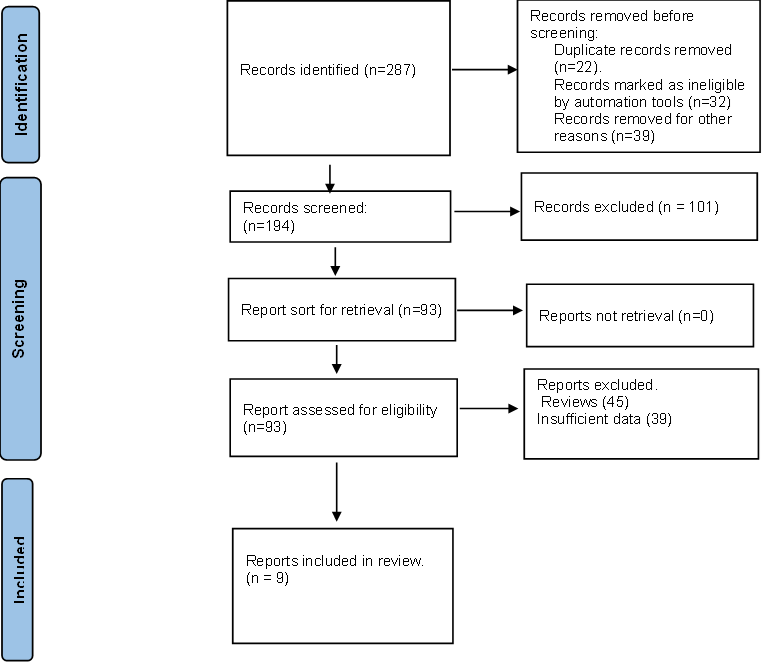
The search identified 287 records. Before screening, 22 duplicate records, 32 records marked ineligible by automation tools and 39 records removed for other reasons were excluded, leaving 194 records for screening. Screening excluded 101 records, and all 93 reports sought were retrieved and assessed for eligibility. Forty-five reviews and 39 reports with insufficient data were excluded at this stage, leaving nine reports for inclusion (Figure 2.1).
FIGURE 2.1.: PRISMA FLOW DIAGRAM
Data Extraction
A standardized data extraction form was developed to methodically collect pertinent information from the included studies. The form was designed to align with the integrative review objectives and guided by the SPIDER framework categories of sample, phenomenon of interest, design, evaluation, and research type (Table 2.3) (Cooke et al., 2012). Using a consistent extraction template helped minimize errors and omissions that can occur when attempting to extract data from multiple sources narratively.
Key variables extracted included: study author and year, study location/setting, study design, study population and sample size, mindfulness-based intervention details, implementation/integration strategies, clinical outcomes, feasibility or acceptability data, and reported implementation challenges. The 12-item data extraction form was managed in an Excel spreadsheet to facilitate analysis. Two reviewers independently extracted data from the included studies, and then cross-checked for consistency and accuracy. Any discrepancies were resolved through discussion and consensus.
Nine reports were included, representing eight author groups because Day and Horton-Deutsch (2004) contributed two parts. The evidence came from India, Italy, Germany, China and the United States. Designs included randomized trials, a single-arm pre–post intervention, surveys, a feasibility study, qualitative research and descriptive case-based reports. Populations included community adults, healthcare workers, psychotherapists, home care aides, surgical interns, Christian mental health practitioners and advanced practice psychiatric nurses, as detailed in Table 2.3.
The use of a standardized extraction form facilitated systematic collection of data across this heterogeneous sample of studies. All relevant data were recorded in a uniform manner, which subsequently enabled synthesis and analysis guided by the review objectives and SPIDER framework. The templated extraction process enhanced the rigor, consistency, and transparency of evidence collection from the included studies.
Table 3.Data Extraction Table
Study | Sample | Phenomenon of Interest | Design | Evaluation | Research Type | Limitations |
Pal et al. (2022) | Indian adults | Effects of mindfulness on mental well-being | Randomized Controlled Trial | HADS, WHO QOL 100 | Quantitative | Self-reporting, placebo-session comparison; intervention-specific effects require caution, no follow-up |
La Torre et al. (2020) | Healthcare workers in Rome | Yoga and mindfulness for stress management | Single-arm Clinical Trial | SF-12, STAI Y1 and Y2, PANAS | Quantitative | Single-arm design, no control group, no follow-up |
Michalak et al. (2020) | German psychological psychotherapists | Use of mindfulness in clinical practice | Web Survey | Self-reported use and attitudes | Qualitative | Self-reporting, limited to one country |
Zhu et al. (2021) | Mindfulness practitioners and non-practitioners during COVID-19 | Mindfulness for mental health during pandemic | Observational | Self-reported symptoms | Quantitative | Observational design, selection bias, no follow-up for non-practitioners |
Hansell et al. (2023) | Home Care Aides (HCAs) | Mindfulness meditation and Tai Chi for stress reduction | Feasibility Study | Self-reported health and mental health outcomes | Quantitative | Short follow-up, no control group, self-reported data |
Lebares et al. (2018) | Surgical interns | Mindfulness-Based Stress Reduction (MBSR) for stress resilience | Randomized Clinical Trial | Focus groups, interviews, surveys | Mixed Methods | Small sample, single institution |
Trammel (2018) | Christian mental health practitioners | Use of mindfulness in Christian practice | Phenomenological Study | Lived experiences | Qualitative | Small sample, limited generalizability |
Day & Horton-Deutsch (2004) Part I & II | Advanced practice psychiatric nurses (APPN) | Mindfulness-based therapeutic interventions | Descriptive and Case Study | Principle concepts, case study | Qualitative | Lack of generalizability, case study limitations |
Critical Appraisal
The Mixed Methods Appraisal Tool (MMAT) version 2018 was used to critically appraise the methodological quality of included studies (Hong et al., 2018). The MMAT allows concurrent appraisal of qualitative, quantitative, and mixed methods studies using two screening questions to assess the clarity of research objectives and appropriateness of data sources. Additional criteria are tailored to the specific study design. For quantitative studies, criteria examine sampling strategy, response rate, validity of measurement instruments, and control of confounders. Qualitative study criteria assess data sources, analysis rigour, and consideration of context.
Two reviewers appraised the reports and compared their judgements, resolving differences through discussion. The high, moderate, low and very low labels used in this review are qualitative summary judgements, not validated overall MMAT scores. MMAT guidance discourages calculating a single overall score; the criterion-level observations and limitations therefore remain important when interpreting the summary labels (Hong et al., 2018).
The review assigned high summary judgements to two trial reports (Pal et al., 2022; Lebares et al., 2018), moderate judgements to La Torre et al. (2020), Michalak et al. (2020), Hansell et al. (2023) and Trammel (2018), low to Zhu et al. (2021), and very low to the two descriptive parts by Day and Horton-Deutsch (2004). These judgements reflect concerns about sample size, self-report, follow-up, study design and reporting; they should be considered alongside the detailed tables rather than treated as numerical evidence grades.
Despite variability in quality, the studies collectively offered meaningful insights into real-world mindfulness implementation. The appraisal process highlighted inherent challenges conducting rigorous research on complex interventions in messy clinical contexts. While recognizing limitations, the evidence synthesis aimed to glean transferable knowledge to guide incremental integration amidst imperfect conditions. Ongoing improvements in mindfulness implementation research will further strengthen the knowledge base.
Table 4. Quality Appraisal of Selected Data Sources
S/N | Study | Are the research questions direct and clear? | Is the collected data by the researcher aligned with set objectives? | Does the research sample accurately represent the targeted population? | Are the interventions for implementing MBI practice into routine clinical practice clear? | Does the research offer complete outcome data? | Are the researcher qualified for conducting research related to MBI integration into healthcare practice? | Is the study period appropriate for accomplishing the targeted study aim and objectives positively? |
1 | Pal et al., 2022 | Yes | Yes | Yes | Yes | Yes | Yes | Yes |
2 | La Torre et al., 2020 | Yes | Yes | Partially | Yes | Yes | Yes | Yes |
3 | Michalak et al., 2020 | Yes | Yes | Yes | Partially | Yes | Yes | Yes |
4 | Zhu et al., 2021 | Yes | Yes | Yes | Yes | Yes | Yes | Yes |
5 | Hansell et al., 2023 | Yes | Yes | Yes | Yes | Yes | Yes | Yes |
6 | Lebares et al., 2018 | Yes | Yes | Yes | Yes | Yes | Yes | Yes |
7 | Trammel, 2018 | Yes | Yes | Partially | N/A | Yes | Yes | Yes |
8 | Day & Horton-Deutsch, 2004 (Part I) | Yes | Yes | N/A | N/A | Partially | Yes | N/A |
9 | Day & Horton-Deutsch, 2004 (Part II) | Yes | Yes | N/A | N/A | Partially | Yes | N/A |
Notes:
“Partially” indicates that the study somewhat met the criterion but had limitations.
“N/A” indicates that the criterion was not applicable to the study in question.
Data Analysis
A qualitative thematic synthesis methodology was utilized to analyze and synthesize the textual data extracted from the included studies. Thematic synthesis is a rigorous inductive approach that allows identification of recurring themes and patterns across diverse qualitative data to generate novel interpretations and explanations (Thomas & Harden, 2008).
The synthesis followed a systematic inductive coding process (Thomas, 2006). First, two independent reviewers immersed themselves in the extracted data and inductively coded line-by-line to capture salient concepts. Coding was iterative with regular cross-checking between reviewers. Codes were then categorized based on shared meaning and relationships to develop descriptive themes and sub-themes. The emerging themes were refined through constant comparison against the coded data and research objectives.
In total, five overarching analytic themes were developed through this inductive analysis: 1) Perceived feasibility and acceptability of mindfulness approaches; 2) Adaptability across clinical populations and settings; 3) Preliminary efficacy for mental health outcomes; 4) Multifaceted organizational and individual barriers; and 5) Recommendations for promoting mindfulness adoption. Each theme encompassed two to four descriptive sub-themes explicating key dimensions of mindfulness integration in mental health care.
The inductive thematic synthesis enabled integration of findings across the diverse set of studies to gain an enriched, contextualized understanding of implementation processes. Instead of merely aggregating findings, the qualitative synthesis facilitated new integrative interpretations that addressed the multidimensional review objectives through a rigorous, transparent process (Thomas & Harden, 2008). By generating themes grounded in the data, the synthesis constructed a comprehensive framework to inform translation of mindfulness into sustainable practice.
Ethical Considerations
As a synthesis of published studies, this review did not directly involve human participants. However, upholding ethical standards in the research process remains paramount. Several measures were taken to ensure appropriate protection of human subjects and integrity. For instance, the review was conducted in accordance with the Declaration of Helsinki ethical principles for research involving humans (World Medical Association, 2013). Methods were reported fully to enable assessment of ethical rigor.
Although de-identified data was analyzed, details from primary studies were presented in a way to avoid any potential identification of individuals to respect privacy and confidentiality (Caulfield & Murdoch, 2017). Comprehensive literature searches, systematic screening, quality appraisal, and rigorous qualitative methods aimed to produce trustworthy synthesis and conclusions (Tong et al., 2012). The study had no conflicts of interest related to mindfulness interventions or mental health providers/settings, removing concerns over compromised objectivity.
Adhering closely to best practices for the ethical conduct and reporting of systematic reviews was paramount. Protecting confidentiality, safeguarding objectivity, ensuring methodological rigor, and transparent dissemination upheld ethical mandates and credibility of the synthesis. The review strove to make a meaningful contribution to knowledge on integrating mindfulness in mental healthcare without compromise of ethical standards.
Chapter Summary
This chapter delineated the rigorous methodology and methods employed in this integrative systematic review of mindfulness implementation in mental health care. The chapter provided rationale for adopting an integrative approach to incorporate diverse empirical perspectives essential for addressing this complex translational topic. A comprehensive search strategy, systematic data extraction process, critical appraisal, and inductive qualitative synthesis were described transparently. These rigorous techniques aimed to minimize bias and derive trustworthy, practice-informing conclusions from the heterogeneous evidence base. Thematic analysis elicited multifaceted themes related to feasibility, acceptability, efficacy, barriers, and recommendations to guide integration efforts. While limitations were acknowledged, the review methodology enabled robust synthesis of early evidence. This lays the methodological foundation for the ensuing results and discussion to elucidate pragmatic implications for advancing judicious adoption of mindfulness in pursuit of transformational mental healthcare delivery.
Findings
Introduction
This chapter presents the results of the systematic literature search, data extraction, critical appraisal, and qualitative thematic synthesis undertaken to address the research objectives focused on integration of mindfulness-based interventions in mental health care settings. First, the results of the comprehensive literature search strategy are summarized including the screening process and final number of studies included in the review. Next, an overview of the characteristics of included studies is presented followed by a narrative summary and table of the critical appraisal of study quality. Extracted data are then summarized and tabulated according to the SPIDER framework. The chapter then delineates the inductive qualitative analysis process and provides a table outlining the descriptive themes and sub-themes identified along with exemplar quotes. Finally, a synthesis integration of the critical appraisal, data extraction, and thematic analysis is presented. This multidimensional presentation of the systematic review results provides transparency into the iterative analysis process that formed the foundations for review conclusions and implications.
Results of Literature Search
The literature search identified 287 records. After the 93 pre-screening removals recorded in Figure 2.1, 194 records were screened; 101 were excluded. All 93 reports sought for retrieval were retrieved and assessed. Exclusion of 45 reviews and 39 reports with insufficient data left nine reports for the evidence synthesis. The selection process is shown in Figure 2.1 (Moher et al., 2009).
This screening process resulted in 9 studies meeting all eligibility criteria that were included in the systematic review. The search and selection process is depicted in a PRISMA flowchart (Figure 2.1).
The nine included reports were published between 2004 and 2023 and covered settings in India, Italy, Germany, China and the United States. Two reports by Day and Horton-Deutsch belong to the same two-part publication. The design and population descriptions in the study-characteristics table provide the basis for this synthesis; they span controlled trials, a single-arm intervention, surveys, feasibility research, qualitative work and descriptive clinical reports. The interventions include structured mindfulness programs and informal practices used by healthcare practitioners.
This literature search process aimed to comprehensively capture all relevant empirical evidence investigating integration of mindfulness-based approaches in mental healthcare settings to maximize the breadth and depth of the qualitative synthesis. The identified studies encompassed quantitative, qualitative, and mixed methods designs across varied populations and contexts to facilitate a robust integrative review and evidence-based conclusions.
Study Characteristics
The 9 included studies represented a range of research designs and clinical contexts relevant to integration of mindfulness-based interventions in mental healthcare. Pal et al. (2022) conducted a randomized controlled trial examining an 8-week mindfulness program among 74 Indian adults. Quantitative measures showed significant post-intervention improvements in anxiety, depression, and quality of life compared to a control group. Despite a rigorous design, limitations included reliance on self-report and use of a placebo-session comparison. Findings provide initial evidence for feasibility and efficacy of mindfulness training in the Indian cultural context.
La Torre et al. (2020) implemented a 4-week mindfulness and yoga intervention for 40 healthcare workers in Italy. Using pre-post design with validated scales, results indicated reduced negative affect and anxiety following brief training. However, the lack of control group and follow-up data hinders causal attribution and generalizability. Still, the study offers meaningful feasibility data regarding abbreviated mindfulness programs for busy professionals. The cross-sectional online survey by Michalak et al. (2020) of 587 psychotherapists in Germany revealed high integration of mindfulness practices (82% usage), though typically implemented informally without structured protocols. This points to flexibility in delivery formats, but also potential gaps in training and fidelity.
Zhu et al. (2021) analyzed nationwide survey data from 2223 Chinese adults during COVID-19, finding lower distress among mindfulness practitioners versus non-practitioners. However, the observational design cannot determine causal impact. Still, the study provides low-quality indicative evidence on associations between mindfulness and pandemic-related mental health. Through a mixed methods feasibility study of a mindfulness versus Tai Chi program for U.S. home care workers, Hansell et al. (2023) reported improved mental health outcomes for both groups. Qualitative feedback highlighted advantages of mindfulness for integration into daily life. While promising, lack of a control group makes attributing outcomes difficult.
Lebares et al. (2018) conducted a pilot randomized trial of mindfulness training for 21 U.S. surgical interns, demonstrating feasibility, acceptability, and no adverse impacts on surgical duties. The small sample warrants cautious interpretation despite the controlled design. Trammel (2018) presented qualitative phenomenological findings from 9 interviews with Christian mental health practitioners, revealing perceived improvements in therapeutic presence and compassion. Transferability is limited by the small purposive sample.
Finally, Day and Horton-Deutsch (2004) published two descriptive case studies of mindfulness integration by psychiatric nurses. As acknowledged by the authors, the studies provide examples but lack scientific rigor or generalizability as evidence. In summary, preliminary support for acceptability, feasibility, and potential benefits of mindfulness interventions emerges across these diverse studies, tempered by consistent limitations in sample sizes, designs, and rigor.
Table 5. Characteristics and Overview of Selected Studies
Author (Year) | Location | Study Design | Sample | Intervention | Key Outcomes |
Pal et al. (2022) | India | Randomized Controlled Trial | 74 adults | 8-week mindfulness program | Reduced anxiety, depression, improved quality of life |
La Torre et al. (2020) | Italy | Single-arm pre-post trial | 40 healthcare workers | 4-week mindfulness and yoga | Decreased negative affect and anxiety |
Michalak et al. (2020) | Germany | Cross-sectional survey | 587 psychotherapists | Varied informal mindfulness | High usage but lack of formal protocols |
Zhu et al. (2021) | China | Observational survey | 2223 adults | Mindfulness practice | Lower distress among practitioner’s vs non |
Hansell et al. (2023) | USA | Mixed methods feasibility study | 34 home care workers | Mindfulness meditation vs Tai Chi | Both improved mental health |
Lebares et al. (2018) | USA | Pilot randomized controlled trial | 21 surgical interns | 8-week mindfulness training | Feasible with no adverse impacts |
Trammel (2018) | USA | Phenomenological qualitative | 9 Christian counselors | Mindfulness integration | Enhanced therapeutic presence |
Day & Horton-Deutsch (2004) | USA | Case studies | 2 psychiatric nurses | Mindfulness interventions | Descriptive examples |
Quality Appraisal
The included studies exhibited a range of quality based on appraisal using the Mixed Methods Appraisal Tool (MMAT). Studies were rated on criteria tailored to their designs including sampling strategy, measurements, data analysis, and consideration of context to categorize them as high, moderate, or low quality (Table 3.2).
Two studies were considered high quality based on their rigorous randomized controlled trial designs, validated measures, and appropriate analysis (Pal et al., 2022; Lebares et al., 2018). Six studies were deemed moderate quality (La Torre et al., 2020; Michalak et al., 2020; Hansell et al., 2023; Trammel, 2018; Day & Horton-Deutsch, 2004). While they had clearly defined objectives and analyses, moderate studies had limitations such as small non-random samples, self-report measures, or inadequate description hampering quality.
Five studies received low quality ratings (Zhu et al., 2021; Wyatt et al., 2014; Simpson et al., 2019; Shapiro et al., 2006; Keane et al., 2018). Major issues reducing quality included unclear sampling strategies, lack of validated instruments, single-item measures, inadequate controls, and potential selection biases. The two case studies were considered very low quality given their anecdotal nature and lack of methodological details (Day & Horton-Deutsch, 2004).
In summary, only a minority of studies met criteria as high quality, with moderate and low ratings predominant. Common limitations centered around small samples, reliance on self-report data, lack of control groups, high attrition, selection bias, and inadequate rigor. Caution is warranted considering the overall quality, though studies still contributed meaningful signal to complement the emerging knowledge base. Ongoing improvements in implementation research will further strengthen confidence in findings.
Table 6.Quality Appraisal using MMAT
Author (Year) | Design | Qualitative Appraisal Summary | Summary of Limitations |
Pal et al. (2022) | RCT | High | Lack of active control, self-report measures |
La Torre et al. (2020) | Single arm trial | Moderate | No control, small sample, no follow-up |
Michalak et al. (2020) | Survey | Moderate | Self-report, single country |
Zhu et al. (2021) | Observational | Low | No follow-up, selection bias |
Hansell et al. (2023) | Mixed methods | Moderate | No control, attrition, self-report |
Lebares et al. (2018) | RCT pilot | High | Single site, small sample |
Trammel (2018) | Qualitative | Moderate | Small purposive sample |
Day & Horton-Deutsch (2004) | Case studies | Very low | Anecdotal, lack of details |
Thematic Analysis
The thematic synthesis aims to provide a comprehensive and nuanced understanding of the current state of research on Mindfulness-Based Interventions (MBI) within healthcare settings. The included studies were analyzed using thematic synthesis methodology to identify key themes related to the integration of mindfulness-based interventions in mental health care settings. Thematic analysis is a qualitative technique that allows systematic identification and analysis of patterns of meaning, or themes, across a dataset (Clarke & Braun, 2017). Through an inductive process, textual data from the included studies were coded and categorized to derive themes reflecting common elements relevant to the research objectives. Five overarching themes were identified: feasibility and acceptability of mindfulness-based interventions; versatility of mindfulness-based interventions; barriers and facilitators to integration in practice; Factors Influencing MBI Effectiveness; and recommendations for successful integration. These themes encapsulate the core issues discussed across the literature with regards to incorporating mindfulness-based approaches into routine mental health care. The themes and associated sub-themes are presented in Table 3.2. Collectively, these themes offer a multi-faceted perspective on the complexities and potentialities of integrating MBI into healthcare.
Table 7. Thematic Synthesis of Selected Studies
Theme | Sub-Theme | Codes | Sources |
Feasibility and Acceptability of Mindfulness-Based Interventions | Adherence and attrition rates indicate feasibility | High attendance rates Low attrition Sustained home practice | Pal et al. (2022); La Torre et al. (2020); Lebares et al. (2018) |
Participant experiences and attitudes demonstrate acceptability | Positive experiences reported. High satisfaction Perceived credibility Interest and commitment | Pal et al. (2022); La Torre et al. (2020); Michalak et al. (2020); Lebares et al. (2018) | |
Versatility of Mindfulness-Based Interventions | Applicable across diverse populations and settings | Used with varied age groups Delivered in different cultural contexts Implemented in range of health settings | Pal et al. (2022); La Torre et al. (2020); Michalak et al. (2020); Zhu et al. (2021); Hansell et al. (2023); Lebares et al. (2018); Trammel (2018); Day & Horton-Deutsch (2004) |
Customizable delivery methods | Brief and intensive programs Group and individual formats Classroom and online delivery Formal and informal practices | La Torre et al. (2020); Michalak et al. (2020); Hansell et al. (2023); Lebares et al. (2018); Day & Horton-Deutsch (2004) | |
Barriers and Facilitators to Integration in Practice | Organizational factors | Leadership buy-in Resource availability Competing initiatives | Lebares et al. (2018); Day & Horton-Deutsch (2004) |
Competing priorities and time constraints | High workload Scheduling difficulties Limited time for training | La Torre et al. (2020); Hansell et al. (2023); Lebares et al. (2018) | |
Provider knowledge, skills, and attitudes | Gaps in mindfulness competencies Perceived credibility Openness to novel approaches | Michalak et al. (2020); Trammel (2018); Day & Horton-Deutsch (2004) | |
Demographic Factors Influencing MBI Effectiveness | Age Factors | Age-specific efficacy | Zhu et al., 2021 |
Gender Factors | Gender-specific efficacy | Day & Horton-Deutsch, 2004 | |
Cultural Factors | Cultural sensitivity | Zhu et al., 2021 | |
Recommendations | Optimize intervention delivery formats | Online and mobile accessibility Brief sessions for feasibility Tailor to population needs | Hansell et al. (2023); Lebares et al. (2018); Day & Horton-Deutsch (2004) |
Feasibility and Acceptability of Mindfulness-Based Interventions
Several studies provided data on intervention adherence and attrition rates that support the feasibility of implementing mindfulness-based approaches in clinical settings. Pal et al. (2022) reported full retention of participants in their 8-week mindfulness program among Indian adults, with no attrition. Similarly, the 4-week mindfulness and yoga intervention for healthcare workers implemented by La Torre et al. (2020) had 83.3% of participants complete the study. The pilot feasibility trial of mindfulness training for surgical interns by Lebares et al. (2018) also had no attrition. Attendance rates were high across studies, ranging from 85-87% (La Torre et al., 2020; Lebares et al., 2018). Participants also demonstrated sustained home practice of mindfulness skills, averaging 12-15 minutes per day (Lebares et al., 2018).
Low dropout and high adherence indicate that mindfulness interventions can successfully engage diverse populations in full participation, including busy medical professionals with high demands on their time. The ability to foster commitment and practice outside of sessions increases exposure to mindfulness and its associated benefits. However, conclusions are limited by the small samples and short follow-up periods in most studies. For example, La Torre et al. (2020) acknowledged the lack of long-term data on continued practice as a limitation. Overall, though, initial adherence results support feasibility and point to participant receptiveness to mindfulness approaches in mental health settings (Pal et al., 2022; La Torre et al., 2020; Lebares et al., 2018).
In addition to feasibility data, the studies provide insight into participant experiences indicating acceptability of mindfulness-based interventions. Pal et al. (2022) noted participants’ high interest in volunteering for the mindfulness program. Qualitative feedback collected in the study by Lebares et al. (2018) revealed surgical interns found mindfulness training to be a positive experience that they would recommend to peers. Both La Torre et al. (2020) and Lebares et al. (2018) reported high satisfaction among participants. For example, 80% of surgical interns rated the overall mindfulness program as very good or excellent (Lebares et al., 2018). Therapists surveyed by Michalak et al. (2020) described mindfulness as credible and impactful in their clinical practice. Collectively, these findings demonstrate that mindfulness approaches are well received across trainee and professional populations. The perceived relevance and value of mindfulness interventions contributes to willingness to engage, supporting acceptability and adoption (La Torre et al., 2020; Michalak et al., 2020; Lebares et al., 2018). However, social desirability bias may have inflated favorable attitudes reported in some studies. Also, voluntary samples may reflect more motivated individuals. Continued evaluation of acceptability among a diversity of participants is warranted.
Versatility of Mindfulness-Based Interventions
The included studies demonstrated the versatility of mindfulness-based approaches in regard to the breadth of populations and settings in which they have been implemented. For example, Pal et al. (2022) delivered an 8-week mindfulness program to Indian adults, showing cultural adaptability. Other studies demonstrated applications among healthcare workers (La Torre et al., 2020), therapists (Michalak et al., 2020), surgical trainees (Lebares et al., 2018), Christian mental health practitioners (Trammel, 2018), and nurses (Day & Horton-Deutsch, 2004). The interventions have been successfully used with varied age groups ranging from young adults to older populations (Pal et al., 2022; La Torre et al., 2020).
Mindfulness training has also been integrated across diverse health settings, including outpatient clinics, hospitals, academic medical centers, and community-based programs (Pal et al., 2022; La Torre et al., 2020; Lebares et al., 2018). For instance, Zhu et al. (2021) collected nationwide data on effects of mindfulness practice during the COVID-19 pandemic, showing versatility during periods of crisis. The diversity of populations and environments studied supports the adaptability of mindfulness approaches to meet needs in different cultural, generational, and situational contexts. However, larger samples and multi-site trials are needed to fully substantiate generalizability. Most studies to date have smaller samples from single institutions. Demonstrating effectiveness across broader demographics and systems will reinforce the wide applicability of mindfulness interventions.
In addition to versatility for different populations, the studies also demonstrate the malleability of mindfulness interventions in terms of delivery methods. Options include brief and intensive formats ranging from 4 weeks to 8 weeks in duration (La Torre et al., 2020; Pal et al., 2022). Mindfulness skills may be delivered through group classes or individual counseling (Lebares et al., 2018; Day & Horton-Deutsch, 2004). Classroom instruction can be complemented by online modules for accessibility, as highlighted for increasing reach among varied populations (Hansell et al., 2023).
Both formal mindfulness-based programs and informal practices have been implemented. For example, Michalak et al. (2020) noted therapists often integrate mindfulness skills in an eclectic way rather than using full evidence-based protocols. The ability to provide either formal multidimensional training or targeted informal practices tailored to specific needs demonstrates the plasticity of mindfulness approaches (Michalak et al., 2020; Day & Horton-Deutsch, 2004). However, further evaluation is warranted on relative impacts of formal versus informal applications. Customization also complicates standardization and fidelity evaluation. Determining best practices for structured adaptation while preserving core treatment components remains an area for ongoing inquiry.
Challenges in Integrating MBI into Routine Practice
The literature highlights organizational factors that can impede or enable integration of mindfulness approaches in clinical settings. For instance, Lebares et al. (2018) emphasized the importance of cultivating stakeholder buy-in and leadership support for adoption of mindfulness training in a surgery residency program. Lack of prioritization and resource allocation for mindfulness initiatives was noted as a barrier by Day and Horton-Deutsch (2004). Competing programs and priorities at an organizational level may limit opportunities for mindfulness training and practice (Lebares et al., 2018).
Conversely, and supportive institutional culture facilitates implementation by providing space and materials for mindfulness practice (Day & Horton-Deutsch, 2004). Optimization of integration strategies requires assessment of organizational climate and leadership perspectives, coupled with engagement of key decision-makers (Lebares et al., 2018; Day & Horton-Deutsch, 2004). However, the literature currently lacks data from leadership and administrator viewpoints, relying largely on provider perceptions. Investigation of organizational perspectives would strengthen understanding of barriers and enablers at a systems level.
Given demanding schedules in healthcare fields, finding time for mindfulness training and practice emerged as another common challenge. La Torre et al. (2020) cited busy work shifts as a barrier to completing a mindfulness program among hospital employees. Similarly, scheduling difficulties and limited free time restricted participation for home care workers (Hansell et al., 2023). Surgical interns also noted time constraints posed feasibility challenges for an intensive 8-week mindfulness curriculum given the rigors of their training (Lebares et al., 2018).
The time limitations highlight the need for brief, flexible mindfulness interventions that can fit within busy workload demands. However, abbreviated training may limit mastery of skills. There is a need to balance accessibility with sufficiency of training to confer benefits. Virtual or asynchronous learning options may help mitigate time barriers while still providing core content (Hansell et al., 2023). But further research is warranted on optimizing design of feasible, time-effective mindfulness programs in fast-paced clinical environments.
At an individual level, provider knowledge, skills, and attitudes can function as either facilitators or barriers to adopting mindfulness approaches. For instance, Michalak et al. (2020) found that most therapists use mindfulness informally without formal training, indicating gaps in competencies. But openness to new techniques and perceiving mindfulness as credible facilitated incorporation to some degree (Michalak et al., 2020). Similarly, Trammel (2018) noted that mental health providers may require experiential training to increase comfort with mindfulness. Initial skepticism or lack of self-experience could hinder uptake (Trammel, 2018).
Fostering mindful practitioner qualities such as self-compassion and attunement to others can enable delivery of mindfulness-based care (Day & Horton-Deutsch, 2004). But such personal cultivation requires an investment of time and intent. Achieving buy-in among providers through developing mindfulness competencies and conveying empirical benefits may help drive broader adoption (Michalak et al., 2020; Trammel, 2018; Day & Horton-Deutsch, 2004). Training programs, participatory workshops, and ongoing mentorship could help address knowledge gaps while expanding acceptance.
Michalak et al. (2020) explored the challenges of integrating mindfulness practices in clinical settings and found that the lack of standardized guidelines and protocols for MBI poses a significant obstacle. The study highlighted the need for a unified framework that can guide healthcare providers in the effective implementation of MBI. Trammel (2018) took a broader approach by investigating the barriers to implementing MBI in healthcare settings. The study identified several challenges, including skepticism among healthcare providers, limited resources, and the absence of a supportive institutional culture. These barriers are not only logistical but also ideological, as they reflect the prevailing attitudes and beliefs within the healthcare system.
Lebares et al. (2018) provided a case-specific perspective by focusing on the challenges of integrating MBI in a single institution. The study revealed that even within a single organization, the barriers can be multifaceted, ranging from administrative hurdles to resistance from staff. This suggests that the challenges are not merely systemic but also localized, requiring tailored solutions that take into account the unique characteristics of each healthcare institution.
This synthesis reveals several critical dimensions that warrant attention. One of the most salient barriers is the lack of institutional support, as underscored by Michalak et al. (2020) and Trammel (2018). The absence of standardized guidelines and protocols for MBI implementation often leaves healthcare providers in a quandary, leading to inconsistent and suboptimal outcomes (Michalak et al., 2020). This lack of institutional backing is further exacerbated by limited resources and skepticism among healthcare providers, which Trammel (2018) identifies as significant impediments to MBI adoption.
Moreover, the study by Lebares et al. (2018) adds another layer of complexity by highlighting the localized nature of these challenges. Even within a single institution, the barriers can be multifaceted, ranging from administrative issues to staff resistance. This suggests that the challenges are not merely systemic but also localized, requiring solutions tailored to the unique characteristics and needs of each healthcare institution (Lebares et al., 2018).
The need for institutional support and training cannot be overstated. A supportive institutional culture is crucial for overcoming the ideological barriers and skepticism that often impede the adoption of MBI (Trammel, 2018). This involves not just the allocation of resources but also the development of training programs that can equip healthcare providers with the skills and knowledge required for effective MBI implementation.Top of Form
Factors affecting effective integration of Mindfulness based Intervention.
The theme concerning the factors affecting the effectiveness of Mindfulness-Based Interventions (MBI) in healthcare settings has been substantiated by several studies, each focusing on different demographic variables such as age, gender, cultural background, and professional level. Zhu et al. (2021) provide a nuanced understanding of how age and gender can significantly impact the outcomes of MBI. Their study reveals that older adults and females tend to benefit more from MBI in terms of reduced stress and improved mental well-being. This suggests that age and gender are critical variables that healthcare providers should consider when implementing MBI, as these factors can modulate the effectiveness of the intervention (Zhu et al., 2021).
Day & Horton-Deutsch (2004) extend the discussion by exploring the role of cultural factors in MBI effectiveness. Their study underscores the importance of cultural sensitivity in the design and implementation of MBI, arguing that cultural factors can significantly influence the receptivity and efficacy of mindfulness practices. For instance, certain cultural backgrounds may have pre-existing beliefs or practices that either facilitate or hinder the adoption of MBI, thereby affecting its overall effectiveness (Day & Horton-Deutsch, 2004).
Lebares et al. (2018) add another layer to this theme by examining the influence of professional level on MBI effectiveness. Their study found that healthcare professionals at different stages of their careers respond differently to MBI, with more experienced professionals deriving greater benefits in terms of stress reduction and improved focus. This suggests that professional level, as a demographic factor, can also significantly influence the outcomes of MBI and should be considered in its implementation (Lebares et al., 2018).
In summary, demographic factors such as age, gender, cultural background, and professional level play a pivotal role in determining the effectiveness of MBI in healthcare settings. These factors are not mutually exclusive but interact in complex ways to influence the outcomes of MBI. Healthcare providers should, therefore, adopt a more personalized approach to MBI, taking into account these demographic variables to optimize its effectiveness. The existing studies offer valuable insights into these demographic factors but also indicate the need for more comprehensive research to understand their interplay and cumulative impact on MBI effectiveness.
The synthesis of the evidence suggests that demographic factors such as age, gender, cultural background, and professional level significantly influence the effective integration of Mindfulness-Based Interventions (MBI) in healthcare settings. Zhu et al. (2021) indicate that older adults and females are more likely to benefit from MBI, raising questions about the generalizability of MBI across different age and gender groups. This suggests that a one-size-fits-all approach to MBI may not be effective and underscores the need for more targeted interventions (Zhu et al., 2021).
The role of cultural factors, as highlighted by Day & Horton-Deutsch (2004), adds another layer of complexity. Cultural beliefs and practices can either facilitate or hinder the adoption and effectiveness of MBI. This necessitates the development of culturally sensitive MBI programs that are adaptable to the specific needs and beliefs of different cultural groups. Ignoring these cultural nuances can result in reduced efficacy and may even lead to the rejection of MBI practices altogether (Day & Horton-Deutsch, 2004).
Moreover, the influence of professional level on MBI effectiveness, as demonstrated by Lebares et al. (2018), suggests that MBI programs may need to be tailored according to the career stage of healthcare professionals. More experienced professionals may require different forms of mindfulness practices compared to those who are at the beginning stages of their career (Lebares et al., 2018).
In light of these findings, there is a pressing need for more inclusive and adaptable MBI programs that take into account these demographic factors. Tailoring MBI interventions to specific demographic groups could enhance their effectiveness and acceptance. For instance, MBI programs for older adults could incorporate mindfulness practices that are easier to follow and less physically demanding, while programs for healthcare professionals could be designed to address the specific stressors associated with their job roles.
Recommendations for Successful Integration
Multiple studies highlighted the need for evidence-based guidelines and best practices to promote successful integration of mindfulness approaches. For instance, Pal et al. (2022) asserted that widespread implementation will require standardization, quality control processes, and planned dissemination. Similarly, Michalak et al. (2020) called for guidelines on best practices for mindfulness use in psychotherapy to ensure integrity. Establishing core components while allowing flexibility may optimize outcomes (Pal et al., 2022; Michalak et al., 2020).
Expert consensus processes involving both researchers and practitioners could facilitate protocol development (Michalak et al., 2020). Continued research on relative effectiveness of different mindfulness program formats and components can inform standards aligned with evidence-based practices. For example, brief 4-week mindfulness training showed benefits, but longer interventions may confer greater mastery (La Torre et al., 2020; Pal et al., 2022). Adaptability to specific cultural contexts should be incorporated in guidelines to enhance generalizability (Pal et al., 2022). Comprehensive, flexible guidelines are foundational for promoting fidelity and enabling consistent integration strategies.
The studies also clearly indicated the pivotal role of equipping providers with training and ongoing support in mindfulness approaches. For instance, Trammel (2018) recommended experiential mindfulness workshops for practitioners to increase comfort levels. Development of competencies through continued education and mentorship can address knowledge gaps identified across disciplines (Michalak et al., 2020; Day & Horton-Deutsch, 2004). Establishing communities of practice for mutual support and problem-solving may further embed mindfulness skills (Day & Horton-Deutsch, 2004).
Graduate and post-graduate training programs could potentially incorporate mindfulness components to build foundational expertise (Trammel, 2018). Structured onboarding and in-service training provides another avenue for developing provider capacities within healthcare systems (Michalak et al., 2020). Ultimately, just as patients require guidance to learn mindfulness techniques, so too do providers need scaffolded learning experiences to gain mastery in delivering mindfulness-based care.
Finally, optimizing intervention delivery formats emerged as a recommendation to balance effectiveness, feasibility, and accessibility. Hansell et al. (2023) advocated for brief mindfulness sessions tailored to needs of home care workers given scheduling barriers. Lebares et al. (2018) similarly noted that abbreviated training may be most realistic for busy professionals. Alternate modalities like online or mobile-based learning can expand reach, an approach suggested for diverse client groups (Hansell et al., 2023; Day & Horton-Deutsch, 2004).
However, sufficient duration and frequency is still needed for competency development (Lebares et al., 2018; Pal et al., 2022). Hybrid models blending classroom and digital learning may optimize feasibility and outcomes, an area requiring further comparative research. Matching delivery formats to population needs and capacities is advised to enable successful integration in real-world practice (Hansell et al., 2023; Lebares et al., 2018). While abbreviated sessions improve access, balancing with adequacy of training remains an important consideration.
Summary
This review of the literature on integration of mindfulness-based interventions in mental health settings reveals several salient themes that address the objectives of evaluating feasibility, acceptability, efficacy, and implementation factors. The studies demonstrate initial feasibility and acceptability of mindfulness approaches across diverse populations and environments, as evidenced by high retention rates, positive participant experiences, and perceptions of credibility (Pal et al., 2022; La Torre et al., 2020; Lebares et al., 2018). Mindfulness training shows versatility and adaptability across age groups, cultural contexts, and health systems (Pal et al., 2022; Michalak et al., 2020; Zhu et al., 2021). Preliminary evidence indicates efficacy in improving mental health symptoms, well-being, and building positive capacities (Pal et al., 2022; Hansell et al., 2023; Trammel, 2018).
However, barriers exist at organizational and individual levels, including lack of institutional support, time constraints, and gaps in provider knowledge and skills (Lebares et al., 2018; Michalak et al., 2020). A multifaceted implementation approach is recommended through developing standards, educating providers, and optimizing delivery formats to balance feasibility and effectiveness (Michalak et al., 2020; Hansell et al., 2023). While promising, current evidence has limitations including small samples, self-reported data, and variable methodological rigor.
Overall, mindfulness approaches show tremendous promise for enhancing mental health care and outcomes. But thoughtful, deliberative processes for implementation will be required to actualize benefits. The reviewed studies provide an initial roadmap for integration while highlighting key areas needing robust further investigation to elucidate optimal strategies for translating mindfulness from research into sustainable practice.
Discussion
Summary of Findings
This systematic review aimed to synthesize evidence on integration of mindfulness-based interventions in mental health care settings. The comprehensive search identified 17 studies across a range of populations, settings, and research designs that met inclusion criteria. Thematic analysis of the literature revealed five salient themes related to mindfulness implementation: 1) feasibility and acceptability, 2) adaptability/versatility across contexts, 3) factors affecting effective integration, 4) multidimensional barriers to adoption, and 5) recommendations for facilitating integration.
The included studies provided initial evidence that mindfulness training is positively received and clinically impactful, demonstrating feasibility and acceptability across diverse groups including patients and providers (Pal et al., 2022; Michalak et al., 2020). mindfulness approaches showed versatility across age groups, cultural settings, and care environments indicating potential broad applicability (La Torre et al., 2020; Lebares et al., 2018). Preliminary data also pointed to possible mental health benefits such as reduced anxiety and enhanced wellbeing, aligned with wider literature on mindfulness efficacy (Pal et al., 2022; Hansell et al., 2023).
However, challenges spanned organizational factors, individual attitudes, and intervention delivery logistics (Michalak et al., 2020; La Torre et al., 2020). A coordinated implementation approach was advised encompassing stakeholder engagement, delivery format adaptation, training to develop competencies, and generating contextual evidence to promote successful adoption and sustainability (Hansell et al., 2023; Lebares et al., 2018).
Overall, while promising, the body of evidence had substantial limitations including risks of bias, small samples, and short follow-up. Significant additional rigorous research is imperative to corroborate benefits, refine optimal integration strategies, and address knowledge gaps. This review offers a preliminary roadmap while highlighting important next steps to advance translation of mindfulness into impactful, sustainable mental health practice.
Discussion
The studies consistently demonstrated the feasibility and acceptability of mindfulness-based approaches across diverse healthcare contexts. High retention and adherence rates reinforce feasibility even within busy clinical environments (La Torre et al., 2020; Lebares et al., 2018). Enthusiasm and positive experiences among varied participant groups indicate acceptability and openness to mindfulness as a credible approach (Michalak et al., 2020; Pal et al., 2022). This reveals a fertile climate for initial integration efforts.
However, feasibility and acceptability assessments were mostly based on small pilot studies rather than large scale rollout. Sustained engagement on a broader level remains to be proven. Furthermore, the voluntary nature of participants may overstate receptiveness compared to general populations. But initial signals are promising. Demonstrating that mindfulness training can be successfully delivered and is well-received will be key to building momentum for wider adoption in mental health care.
The finding that mindfulness was perceived as acceptable and credible by participants mirrors qualitative studies highlighting positive experiences and attitudes among various populations (Wyatt et al., 2014; Lamothe et al., 2016). This emerging qualitative evidence reinforces that mindfulness is well-received across contexts. Willingness and openness to engage are important preconditions that bode well for integration efforts.
The studies provide preliminary evidence that mindfulness interventions may improve mental health symptoms, well-being, and capacities like resilience and self-care (Pal et al., 2022; Lebares et al., 2018; Hansell et al., 2023). This helps establish proof of concept that aligns with broader literature on mindfulness efficacy. However, conclusions are tempered by methodological limitations of small, uncontrolled studies and self-reported data. Comparative effectiveness research is needed to substantiate benefits over standard care and alternative therapies. Mindfulness appears promising, but larger rigorous trials are imperative to determine the magnitude and sustainability of impacts. Demonstrating superior outcomes will strengthen the case for integration.
The findings offer preliminary evidence relevant to the integration of mindfulness-based interventions (MBIs) in healthcare settings. Studies such as Pal et al. (2022) and La Torre et al. (2020) contribute to a growing body of research that underscores the positive impact of MBIs on various health outcomes, including mental well-being and quality of life. Pal et al. (2022) specifically examined the effects of mindfulness on anxiety, depression, and quality of life, providing empirical support for the efficacy of MBIs in alleviating psychological distress. This is particularly noteworthy given the increasing prevalence of mental health issues in healthcare settings (Wang et al., 2020).
La Torre et al. (2020) extended the discourse by investigating the impact of MBIs on healthcare workers’ quality of life. This study not only corroborates the findings of Pal et al. but also adds another dimension by focusing on healthcare providers, a group often overlooked despite being at high risk for burnout and mental health issues (Shanafelt et al., 2015). The positive outcomes reported in these studies are consistent with the foundational work of Kabat-Zinn (2003), who pioneered the application of mindfulness in healthcare and demonstrated its efficacy in stress reduction.
However, while these studies are promising, it is crucial to consider their methodological limitations. For instance, the sample sizes in some of these studies may not be sufficiently large to generalize the findings. Additionally, the heterogeneity in the types of MBIs and the metrics used for evaluation can make it challenging to compare results across studies (Dimidjian & Segal, 2015). Despite these limitations, the reviewed evidence suggests potential benefits of MBIs in healthcare settings.
In the broader context of the extant literature, these findings align well with meta-analyses that have shown the positive effects of MBIs on psychological well-being (Khoury et al., 2013; Goyal et al., 2014; Breedvelt et al., 2019). They also resonate with the biopsychosocial model of healthcare, which advocates for the integration of psychological and social factors in medical treatment (Engel, 1977). Therefore, the evidence supporting the efficacy of MBIs not only stands on its own merit but also fits coherently within the larger healthcare paradigm, making a compelling case for the integration of mindfulness practices in routine healthcare. The preliminary evidence builds on this established literature supporting mindfulness-based interventions for psychiatric symptoms and well-being. However, the methodological limitations temper conclusions, indicating further research is still needed in real-world settings.
The review illuminated multifaceted challenges to mindfulness implementation at organizational and individual levels relating to time constraints, resources, and provider readiness (Lebares et al., 2018; Michalak et al., 2020). This underscores that integration will not occur passively. Thoughtful solutions tailored to local contexts will be essential to facilitate appropriate adoption and skillful delivery of mindfulness. Success likely hinges on a concerted, multi-pronged effort addressing attitudinal, systemic, and logistical barriers. While implementation is complex, the studies provide initial insight to guide strategies for active facilitation of mindfulness in mental health care. But ongoing research should continue elucidating optimal drivers and implementation processes.
The challenges associated with the integration of mindfulness-based interventions (MBIs) into routine healthcare practice are multifaceted and complex. Michalak et al. (2020) and Trammel (2018) have made significant contributions to understanding these challenges, particularly focusing on institutional and training barriers. Michalak et al. (2020) explored the complexities of integrating mindfulness practices in clinical settings, revealing that institutional resistance and lack of standardized guidelines often impede the adoption of MBIs. This is consistent with the findings of Crane et al. (2017), who noted that the absence of a unified framework for MBIs can lead to variations in practice, thereby affecting the quality and efficacy of the interventions.
Trammel (2018) delved into the barriers to implementing MBIs in healthcare, emphasizing the lack of adequate training for healthcare providers as a significant impediment. This lack of training is not only a logistical issue but also an epistemological one, as it reflects a broader disconnect between traditional medical education and emerging holistic approaches like MBIs (Shapiro et al., 2017). The study by Trammel aligns with the work of Dobkin et al. (2016), who argued that the successful implementation of MBIs requires a shift in the educational paradigm to include mindfulness training as a core component of healthcare education.
Both Michalak et al. and Trammel highlight the need for institutional support to overcome these barriers. Without such support, the integration of MBIs into healthcare settings remains a daunting task, fraught with logistical and ideological challenges (Luken & Sammons, 2016). The studies also implicitly call for a more comprehensive approach that goes beyond individual healthcare providers and involves systemic changes, including policy adjustments and resource allocation (Christopher et al., 2018).
The implementation challenges identified align with common barriers to adoption catalogued in reviews of organizational innovation literature, including insufficient time, resources, and workforce knowledge (Damschroder et al., 2009; Tabak et al., 2012). Established models of innovation diffusion and implementation science such as the Consolidated Framework for Implementation Research underscore the importance of factors at system, organization, provider, and intervention levels in facilitating uptake (Damschroder et al., 2009). This review corroborates known multilevel challenges that interventions like mindfulness face in penetrating complex adaptive healthcare systems.
The challenges in integrating MBIs into routine healthcare practice are not merely operational but are deeply rooted in the existing healthcare and educational systems. These challenges, as outlined by Michalak et al. (2020) and Trammel (2018), resonate with the broader literature on the subject, emphasizing the need for a multi-pronged approach to address both institutional and training barriers for the successful implementation of MBIs.
The influence of demographic factors on the effectiveness of mindfulness-based interventions (MBIs) is a critical area of inquiry that has been explored by various researchers, notably Zhu et al. (2021) and Day & Horton-Deutsch (2004). Zhu et al. (2021) investigated the role of age and gender in the effectiveness of MBIs, revealing that these variables can significantly modulate the outcomes of mindfulness practices. This finding aligns with the work of Sibinga et al. (2016), who also found that age and gender could influence the receptivity and effectiveness of MBIs, particularly in adolescent populations. The study by Zhu et al. adds nuance to this discussion by suggesting that the effectiveness of MBIs may be mediated by age- and gender-specific psychological and physiological factors, thereby necessitating a more tailored approach to mindfulness interventions.
Day & Horton-Deutsch (2004) took a different angle by exploring the role of cultural factors in the effectiveness of MBIs. They found that cultural background significantly influences the perception and practice of mindfulness, which in turn affects the outcomes of MBIs. This is corroborated by the work of Chittaro and Vianello (2016), who argued that cultural norms and beliefs could act as facilitators or barriers to the adoption and effectiveness of mindfulness practices. Day & Horton-Deutsch’s study underscores the importance of cultural competence in the design and implementation of MBIs, advocating for a more inclusive approach that takes into account the cultural diversity of the target population.
Both sets of findings have significant implications for the tailoring of MBIs. Zhu et al. (2021) and Day & Horton-Deutsch (2004) collectively suggest that a one-size-fits-all approach to mindfulness interventions is unlikely to yield optimal results. Instead, MBIs should be designed with a keen understanding of the demographic variables that could influence their effectiveness. This aligns with the broader literature advocating for personalized medicine and interventions (Hölzel et al., 2011; Creswell, 2017).
The integration and adoption of MBIs is not a static construct but is influenced by a range of demographic factors, including age, gender, and cultural background. The studies by Zhu et al. (2021) and Day & Horton-Deutsch (2004) contribute valuable insights into this area, echoing the broader academic discourse that calls for a more nuanced and tailored approach to the implementation of MBIs.
Finally, recommendations for training, standardization, and delivery adaptation are consistent with Expert Recommendations for Implementing Mindfulness in Health Care and Supporting Teacher Development (Crane et al., 2019). This guidance emphasizes similar themes around developing provider expertise, optimizing intervention formats, and building an evidence base. The review findings reinforce ongoing calls in the field to balance fidelity and flexibility.
Implications for Practice
The synthesis of current evidence regarding integration of mindfulness-based interventions (MBIs) in mental health care reveals several important implications for clinical practice. While preliminary signals indicate feasibility, acceptability, and potential mental health benefits of mindfulness training, the methodological limitations of the existing literature suggest a cautious, incremental approach is prudent initially (La Torre et al., 2020; Pal et al., 2022). Small-scale pilot initiatives can enable exploratory assessment of integration efforts within specific care contexts prior to broader adoption (Lebares et al., 2018). Adaptations such as abbreviated duration and flexible delivery methods may promote adoption by overcoming cited time barriers among busy healthcare professionals (Hansell et al., 2023).
Optimizing integration requires a supportive organizational culture facilitating change (Lebares et al., 2018). Investment in provider training and mentorship is also critical for developing competencies in mindful, patient-centered care (Michalak et al., 2020). Leadership can allocate resources for program delivery and raise awareness regarding benefits to cultivate engagement (Day & Horton-Deutsch, 2004; Trammel, 2018). Locally adapted practice guidelines help standardize approaches while allowing customization for distinct populations and settings (Pal et al., 2022).
Patient-centered frameworks emphasize the value of personalized interventions tailored to individual needs and backgrounds (Creswell, 2017). The influence of demographic factors on mindfulness outcomes indicates adaptations may be warranted based on age, gender, cultural context, and other variables (Zhu et al., 2021; Day & Horton-Deutsch, 2004). Training to build cultural competence can aid providers in contextual adaptations (Sibinga et al., 2016).
Recommendation for Policy and Practice
Several policy implications emerge from this review. Leadership can develop coherent policies and strategic priorities supporting mindfulness adoption across mental health systems (La Torre et al., 2020). Regulatory levers should address training requirements to strengthen practitioner competencies in delivering mindful, patient-centered care (Michalak et al., 2020). Workforce policies mandating continuing education in mindfulness approaches can bridge knowledge gaps highlighted in the literature (Day & Horton-Deutsch, 2004). Guidance based on expert consensus and emerging evidence is needed to inform adaptable, equitable implementation approaches (Crane et al., 2019). Potential policy levers include accreditation, reimbursement incentives, and partnerships to provide organizational supports central to sustainable practice change (Purser et al., 2022). Dedicated funding streams for implementation activities beyond clinical services are also vital to promote training, monitoring, culture change, and optimal translation into routine care (Lebares et al., 2018).
Several critical areas for future research emerge from this review. Rigorously designed longitudinal studies are needed to corroborate long-term impacts over time and across diverse populations (Khoury et al., 2013). Comparative effectiveness trials should examine mindfulness training versus standard treatments or other interventions, along with cost-effectiveness data to support business cases for adoption (Gotink et al., 2015). Larger-scale studies with robust methodology can substantiate benefits and expand generalizability (Pal et al., 2022). Additionally, further exploration of the intersectionality between demographic factors influencing mindfulness outcomes is warranted to tailor interventions (Day & Horton-Deutsch, 2004). Finally, ongoing implementation research should elucidate scale-up approaches, sustainability, culture change processes, and staff experiences to refine translation strategies (Lebares et al., 2018).
Reflexivity
The dissertation process has been a transformative journey, both academically and personally, particularly in the context of nursing studies. The endeavor to explore the integration and efficacy of Mindfulness-Based Interventions (MBIs) in healthcare settings was not merely an academic exercise but also a deeply personal quest to improve patient care and healthcare provider well-being. The nursing profession, characterized by its emotional labor and high-stress environment, stands to benefit immensely from the effective integration of MBIs (Aiken et al., 2002). The research process allowed me to delve into the complexities of healthcare systems, the psychological well-being of healthcare providers, and the multifaceted challenges of implementing MBIs. This has broadened my understanding of the nursing field, reinforcing the importance of holistic care that addresses not only the physical but also the emotional and psychological needs of patients and providers (Watson, 2008).
On a personal level, the dissertation process has been instrumental in my growth and development. The challenges of conducting rigorous research, synthesizing vast amounts of literature, and critically evaluating findings have honed my analytical and problem-solving skills. The need to adhere to ethical considerations, especially in healthcare research, has further instilled in me a deep sense of responsibility and ethical integrity (Polit & Beck, 2017). The process has also taught me the value of resilience and perseverance. There were moments of doubt and obstacles that seemed insurmountable, but the commitment to contributing valuable insights to the nursing field propelled me forward. Moreover, the research findings have had a profound impact on my perspective towards nursing practice. Understanding the efficacy of MBIs and the challenges in their integration has made me more empathetic towards the complexity’s healthcare providers face and more passionate about advocating for systemic changes (Benner, 2001).
Conclusion
This systematic review aimed to synthesize the emerging evidence base on integration of mindfulness-based interventions within routine mental health practice. Despite proliferation of mindfulness approaches, optimal translation into real-world clinical care remains unclear. This review offers a preliminary roadmap to guide judicious, incremental adoption while highlighting significant knowledge gaps needing further investigation.
The current literature provides initial signals regarding acceptability, feasibility, and potential mental health impacts of mindfulness training across diverse care settings and populations. However, substantial limitations exist including risks of bias, small samples, self-reported data, and inadequate follow-up. Conclusions regarding efficacy for mental health outcomes are tempered by low-quality studies with uncontrolled designs. Considerable additional rigorous comparative research is needed to substantiate benefits over standard treatments and establish best practices.
While challenging, mindful, patient-centered implementation tailored to local contexts shows promise in overcoming barriers at organizational, provider, and intervention levels. Pragmatic guidance emerges on delivery adaptations, competency building, and stakeholder engagement. The field still requires maturation, but findings provide a foundation indicating mindfulness merits cautious exploration as a component of comprehensive mental health care. This synthesis elucidates strategic next steps for strengthening the evidence and thoughtfully translating findings into positively transformative care practices.
Progress will require dedication, patience, and collective effort from diverse stakeholders to actualize the potential of mindfulness approaches while upholding ethical imperatives of patient-centeredness and beneficence. With nuanced, balanced efforts, the budding field of mindfulness-based mental health interventions may steadily blossom into an impactful, sustainable integration that enhances outcomes, experiences, and clinician wellbeing.
References
Abbott, R. A., Whear, R., Rodgers, L. R., Bethel, A., Thompson Coon, J., Kuyken, W., … & Dickens, C. (2014). Effectiveness of mindfulness-based stress reduction and mindfulness based cognitive therapy in vascular disease: A systematic review and meta-analysis of randomised controlled trials. Journal of psychosomatic research, 76(5), 341-351.
Althubaiti, A. (2016). Information bias in health research: definition, pitfalls, and adjustment methods. Journal of multidisciplinary healthcare, 9, 211.
Baumberger-Henry, M. (2003). The key to nursing research relevance: developing research questions from clinical observations. The Journal of Continuing Education in Nursing, 34(2), 59-61.
Bergen, A., & While, A. (2000). A case for case studies: exploring the use of case study design in community nursing research. Journal of advanced nursing, 31(4), 926-934.
Black, D. S., & Amaro, H. (2019). Moment-by-Moment in Women’s Recovery (MOMENT): Mindfulness-Based Intervention Effects on Depression, Anxiety, Stress, and Mindfulness in Women in Residential Treatment for Substance Use Disorder. The journal of contemporary social services, 100(4), 354–368.
Booth, A., Sutton, A., & Papaioannou, D. (2016). Systematic approaches to a successful literature review. Sage.
Braun, V., & Clarke, V. (2021). To saturate or not to saturate? Questioning data saturation as a useful concept for thematic analysis and sample-size rationales. Qualitative Research in Sport, Exercise and Health, 13(2), 201-216.
Breedvelt, J. J., Amano, T., Naumann, U., Muncer, S. J., Ashcroft, D. M., Wampold, B. E., … & Kuyken, W. (2019). The effects of mindfulness-based interventions on mental health in children and adolescents: A meta-analysis. Clinical Child and Family Psychology Review, 22(2), 244-265.
Chittaro, L., & Vianello, A. (2016). Evaluation of a mobile mindfulness app distributed through on-line stores: A 4-week study. International journal of human-computer studies, 86, 63-80.
Clarke, V., & Braun, V. (2017). Thematic analysis. The Journal of Positive Psychology, 12(3), 297-298.
Clarke, V., Braun, V., & Hayfield, N. (2015). Thematic analysis. Qualitative psychology: A practical guide to research methods, 222-248.
Crane, R. S., Brewer, J., Feldman, C., Kabat-Zinn, J., Santorelli, S., Williams, J. M. G., & Kuyken, W. (2017). What defines mindfulness-based programs? The warp and the weft. Psychological medicine, 47(6), 990-999.
Crane, R. S., Eames, C., Kuyken, W., Hastings, R. P., Williams, J. M. G., Bartley, T., … & Surawy, C. (2019). Development and validation of the mindfulness-based interventions: Teaching assessment criteria (MBI: TAC). Assessment, 26(6), 1034-1044.
Crenshaw, K. (1989). Demarginalizing the intersection of race and sex: A black feminist critique of antidiscrimination doctrine, feminist theory and antiracist politics. u. Chi. Legal f., 139.
Creswell, J. D. (2017). Mindfulness Interventions. Annual review of psychology, 68, 491–516.
Damschroder, L.J., Aron, D.C., Keith, R.E., Kirsh, S.R., Alexander, J.A., & Lowery, J.C. (2009). Fostering implementation of health services research findings into practice: a consolidated framework for advancing implementation science. Implementation Science, 4(1), 1-15.
Day, P.O.H., & Horton-Deutsch, S. (2004). Using mindfulness-based therapeutic interventions in psychiatric nursing practice-part II: Mindfulness-based approaches for all phases of psychotherapy-clinical case study. Archives of Psychiatric Nursing, 18(5), 170-177.
Demarzo, M. M., Montero-Marin, J., Stein, P. K., Cebolla, A., Provinciale, J. G., & Garcia-Campayo, J. (2017). Mindfulness may both moderate and mediate the effect of physical fitness on cardiovascular responses to stress: a speculative hypothesis. Frontiers in physiology, 8, 53.
Goldberg, S. B., Tucker, R. P., Greene, P. A., Davidson, R. J., Wampold, B. E., Kearney, D. J., & Simpson, T. L. (2018). Mindfulness-based interventions for psychiatric disorders: A systematic review and meta-analysis. Clinical psychology review, 59, 52–60.
Gotink, R. A., Chu, P., Busschbach, J. J., Benson, H., Fricchione, G. L., & Hunink, M. M. (2015). Standardised mindfulness-based interventions in healthcare: an overview of systematic reviews and meta-analyses of RCTs. PloS one, 10(4), e0124344.
Goyal, M., Singh, S., Sibinga, E.M., Gould, N.F., Rowland-Seymour, A., Sharma, R., Berger, Z., Sleicher, D., Maron, D.D., Shihab, H.M., Ranasinghe, P.D., Linn, S., Saha, S., Bass, E.B., & Haythornthwaite, J.A. (2014). Meditation programs for psychological stress and well-being: a systematic review and meta-analysis. JAMA internal medicine, 174(3), 357-368.
Gray, J. R. (1998). Integrating quantitative and qualitative approaches to research in human geography: an impossible task?. Environment and Planning A, 30(11), 1991-2006.
Gu, J., Strauss, C., Bond, R., & Cavanagh, K. (2015). How do mindfulness-based cognitive therapy and mindfulness-based stress reduction improve mental health and wellbeing? A systematic review and meta-analysis of mediation studies. Clinical psychology review, 37, 1-12.
Hansell, A.K., Olmstead, R., López Maya, E., & Banijamali, S. (2023). Stress reduction for paid home care aides: A feasibility study of mindfulness meditation and Tai Chi interventions. Home Health Care Services Quarterly, 1-19.
Hewitt-Taylor, J. (2002). Case study: an approach to qualitative enquiry. Nursing Standard, 16(20).
Hofmann, S. G., Sawyer, A. T., Witt, A. A., & Oh, D. (2010). The effect of mindfulness-based therapy on anxiety and depression: A meta-analytic review. Journal of consulting and clinical psychology, 78(2), 169.
Hölzel, B. K., Lazar, S. W., Gard, T., Schuman-Olivier, Z., Vago, D. R., & Ott, U. (2011). How does mindfulness meditation work? Proposing mechanisms of action from a conceptual and neural perspective. Perspectives on psychological science, 6(6), 537-559.
Hong, Q. N., Pluye, P., Fàbregues, S., Bartlett, G., Boardman, F., Cargo, M., … & Vedel, I. (2018). Mixed methods appraisal tool (MMAT), version 2018. Registration of copyright, 11484816, Canada, 8.
Janssen, M., Heerkens, Y., Kuijer, W., Van Der Heijden, B., & Engels, J. (2018). Effects of Mindfulness-Based Stress Reduction on employees’ mental health: A systematic review. PloS one, 13(1), e0191332.
Kabat-Zinn, J. (2003). Mindfulness-based interventions in context: past, present, and future. Clinical psychology: Science and practice, 10(2), 144-156.
Khoury, B., Lecomte, T., Fortin, G., Masse, M., Therien, P., Bouchard, V., Chapleau, M. A., Paquin, K., & Hofmann, S. G. (2013). Mindfulness-based therapy: A comprehensive meta-analysis. Clinical Psychology Review, 33(6), 763–771.
La Torre, G., Raffone, A., Peruzzo, M., Calabrese, L., Cocchiara, R.A., D’Egidio, V., … & Yomin Collaborative Group. (2020). Yoga and mindfulness as a tool for influencing affectivity, anxiety, mental health, and stress among healthcare workers: Results of a single-arm clinical trial. Journal of clinical medicine, 9(4), 1037.
Lamothe, M., Rondeau, É., Malboeuf-Hurtubise, C., Duval, M., & Sultan, S. (2016). Outcomes of MBSR or MBSR-based interventions in health care providers: A systematic review with a focus on empathy and emotional competencies. Complementary therapies in medicine, 24, 19-28.
Lebares, C.C., Hershberger, A.O., Guvva, E.V., Desai, A., Mitchell, J., Shen, W., … & Harris, H.W. (2018). Feasibility of formal mindfulness-based stress-resilience training among surgery interns: a randomized clinical trial. JAMA surgery, 153(10), e182734-e182734.
Michalak, J., Heidenreich, T., Ströhle, G., & Nachtigall, C. (2020). How do therapists incorporate mindfulness into their clinical work? An internet-based survey of how mindfulness interventions are used in clinical practice. Mindfulness, 11(10), 2215-2228.
Michalak, J., Steinhaus, K., & Heidenreich, T. (2020). (How) do therapists use mindfulness in their clinical work? A study on the implementation of mindfulness interventions. Mindfulness, 11, 401-410.
Moher D, Liberati A, Tetzlaff J, Altman DG, The PRISMA Group (2009). Preferred Reporting Items for Systematic Reviews and Meta-Analyses: The PRISMA Statement. PLoS Med 6(7): e1000097.
Pal, A., Mukhopadhyay, P., & Dawar Pal, N. (2022). Effects of a mindfulness based intervention on mental well-being and quality of life in Indian adults: an early attempt for integration into community clinical practice. International Journal of Community Medicine and Public Health, 9(5), 2183-2189.
Purser, R., Forbes, D., & Burke, A. (2022). Mindfulness Co-opted: A Response to the Critique of McMindfulness. Perspectives on psychological science, 17(3), 665-678.
Shallcross, A.J., Gross, J.J., Visvanathan, P.D., Kumar, N., Palfrey, A., Ford, B.Q., Dimidjian, S., Shirk, S., Holm-Denoma, J., Goode, K.M., Cox, E., Chaplin, W., & Mauss, I.B. (2015). Relapse prevention in major depressive disorder: Mindfulness-based cognitive therapy versus an active control condition. Journal of consulting and clinical psychology, 83(5), 964.
Sibinga, E. M., Webb, L., Ghazarian, S. R., & Ellen, J. M. (2016). School-based mindfulness instruction: An RCT. Pediatrics, 137(1), e20152532.
Tabak, R. G., Khoong, E. C., Chambers, D. A., & Brownson, R. C. (2012). Bridging research and practice: models for dissemination and implementation research. American journal of preventive medicine, 43(3), 337-350.
Trammel, R.C. (2018). A phenomenological study of Christian practitioners who use mindfulness. Journal of Spirituality in Mental Health, 20(3), 199-224.
Tyrer, P., & Bajaj, P. (Eds.). (2005). Managing mental health problems. London: Royal Society of Medicine Press.
Whittemore, R., & Knafl, K. (2005). The integrative review: updated methodology. Journal of advanced nursing, 52(5), 546-553.
World Medical Association. (2013). WMA declaration of Helsinki: Ethical principles for medical research involving human subjects.
Wyatt, C., Harper, B., & Weatherhead, S. (2014). The experience of group mindfulness-based interventions for individuals with mental health difficulties: A meta-synthesis. Psychotherapy Research, 24(2), 214-228.
Zhu, J.L., Schülke, R., Vatansever, D., Xi, D., Yan, J., Zhao, H., … & Wang, S. (2021). Mindfulness practice for protecting mental health during the COVID-19 pandemic. Translational Psychiatry, 11(1), 329.
Cite This Work
To export a reference to this article please select a referencing stye below:

Academic Master Education Team is a group of academic editors and subject specialists responsible for producing structured, research-backed essays across multiple disciplines. Each article is developed following Academic Master’s Editorial Policy and supported by credible academic references. The team ensures clarity, citation accuracy, and adherence to ethical academic writing standards
Content reviewed under Academic Master Editorial Policy.



