
Abstract
The utilisation of contemporary technology in the realm of ceramic tile crack detection has emerged to be essential for enhancing the efficacy of quality control processes and the identification of defects. The incorporation of deep learning models in the automated detection of cracks in ceramic tiles have the capacity to profoundly revolutionise the methods for evaluating quality and identifying defects in the production process.This research presents a novel approach for accurate detecting cracks in ceramic tiles by the application of deplaning approach and the utilisation of Contrast Limited Adaptive Histogram Equalisation (CLAHE) is employed as a technique in the pre-processing procedure. The aforementioned strategy exhibits a higher level of performance in comparison to currently employed techniques, hence highlighting its potential for effectively and dependably identifying defects. The image set is partitioned into two subsets: a training set, including 75% of the data, and a testing set, comprising the remaining 25% of the data. This partitioning allows for a thorough evaluation of the model’s performance. This division is carried out using MATLAB. The utilisation of Gabor filters and contrast-limited adaptive histogram equalisation (CLAHE) methods is implemented to enhance the depiction of texture information and enhance contrast, hence enhancing the precision of problem detection. The methodology encompasses a range of components, such as gray-level co-occurrence matrixes (GLCM), colour characteristics and local binary patterns (LBP). The effectiveness of feature selection is enhanced through the utilisation of the self-adapted Coati Optimization Algorithm (COA). Convolutional Neural Networks (CNNs), Dense Nets, and Alex Net are utilised in the context of crack detection, wherein they undergo a thorough examination and comparative analysis. The methodology that has been proposed demonstrates exceptional performance, hence showcasing its potential for accurately and reliably identifying cracks in ceramic tiles. The efficacy of the model is supported by its sensitivity of 97.55%, specificity of 99.78%, accuracy of 98.77%, and a Matthews Correlation Coefficient (MCC) of 95.20%. This study proposes an extensive approach that addresses a crucial requirement in the domain of automated quality evaluation for ceramic tiles, thereby making a significant contribution to the existing body of knowledge on this topic.
Keywords:
1. Introduction
Historically, there has been little intersection between the fields of organic chemistry and ceramic material chemistry. Also, the limited movement of molecules inside ceramic matrices facilitates chemical reactions and interactions, making these materials well-suited for many applications [1]. The process of visually examining tiles to identify cracks is a labour-intensive task that is susceptible to human error, leading to a diminished level of accuracy in detecting defects. The use of statistical process control (SPC) methodologies for quality control is a prevalent approach; however, it necessitates a significant quantity of proficient human resources [2]. Identifying cracks in the ceramic tile sector using vision-based methods poses significant challenges owing to weak signals among noisy backgrounds. The process of visually examining fractures in ceramic tiles is characterised by a significant expenditure of labour, financial resources, and time. Furthermore, this method is constrained by its low dependability, objectivity, and repeatability. The application of automated image-based crack authentication has garnered significant interest from both academic and industry sectors as a possible solution to address the constraints associated with human inspection. [3]. Automated crack detection systems using 3D image analysis provide the capability to rapidly and accurately identify fractures that are present on any part of ceramic tiles. hence enabling the implementation of effective quality control measures. In addition, automated solutions effectively mitigate the occurrence of human error and subjectivity in the process of crack detection, hence guaranteeing consistently dependable outcomes. Moreover, the use of automated crack detection in manufacturing lines enables enhanced operational efficiency, resulting in heightened output levels. Furthermore, the use of automated crack detection systems has the potential to reduce expenses related to human inspection and the subsequent reworking of flawed tiles, hence enhancing the overall efficiency of manufacturing processes[4]. Deep learning models have been used in the identification of cracks in ceramic plates by using acoustic noise data and transfer learning methods, resulting in the attainment of notable levels of accuracy. Moreover, the identification of fractures in ceramic plates is of utmost importance to mitigate the creation of flawed products and to maintain the standard of product excellence[5].
Earlier in the advent of artificial intelligence, penetrant testing (PT) served as a prevalent and cost-effective inspection technique used for the detection of surface-level faults in ceramics. The technique demonstrates a high degree of efficacy in the detection of surface fractures, porosity, and other types of surface-level faults. Nevertheless, PT mostly functions as a means of visual examination, thereby necessitating the reliance on human visual perception for the detection and interpretation of indicators [6]. Also, ultrasonic testing is classified as a non-destructive evaluation technique due to its inherent ability to examine materials without having any detrimental effects, making it highly ideal for the inspection of vital components. The precision of defect size estimation in ultrasonic testing may be impacted by several variables, including specimen shrinkage and surface curvature. However, the accuracy of size prediction might vary based on the nature of the defect, with solid flaws exhibiting a greater margin of error in prediction as opposed to holes [7]. Furthermore, the assessment of fracture depth through the utilisation of the High-Frequency Technique (HFT) is contingent upon a linear association across the degree of amplitude ratio derived from HFT observations and the extent of the crack. The validity of this linear connection may not apply to all categories of ceramic material fractures [8]. However, with the emergence of artificial intelligence, convolutional neural networks (CNNs) can autonomously extract semantic elements that exhibit a significant association with macroscopic characteristics, such as the number of empty spaces and the non-void region in ceramic materials. Nevertheless, the interpretability of abstract features in convolutional neural networks (CNNs) remains limited, and visualising the data distribution in the high-dimensional space of CNNs is a challenging task [9]. Furthermore, generative adversarial networks (GANs) are used to correct inaccurate information about ceramics acquired using nanoindentation modulus mapping [10]. The effectiveness of conventional computer vision techniques for fracture identification in sanitary ceramics is hindered by their limited robustness in handling the diverse forms and backgrounds of the ceramics. Many deep learning algorithms require the use of meticulously designed anchor boxes and post-processing techniques, resulting in heightened computing expenses [11]. Pre-trained convolutional neural networks (CNNs) may not be universally applicable across all tasks or domains due to their training on particular inputs that may not comprehensively capture the characteristics of the target domain [12].
The progress of machine learning has been constrained by the comparatively protracted duration necessary for conventional trial-and-error approaches. Machine learning models may be susceptible to the issues of overfitting or underfitting, which can result in predictions that are inaccurate or have restricted applicability [13]. The employing of machine learning techniques ML) methodologies in the domain of materials science has promise for accelerating the development process and reducing costs. However, the efficacy of these approaches is contingent upon the accuracy and volume of the training data available [14]. In machine learning, a high signal-to-noise ratio is essential, as is an optimised and precise fixation of components [15]. The advancement of high-entropy ceramics mostly relies on an expensive trial-and-error methodology, primarily because of a limited comprehension of the fundamental elements that regulate mechanical characteristics, particularly the functions played by various kinds of bonding [16]. Deep learning has shown its effectiveness in the field of automated optical inspection, particularly in tasks such as the segmentation of cracks in ceramic tiles. This approach exhibits a high level of accuracy in defect identification, even when the faults are situated near or embedded inside other structures [17]. The optimization algorithm has the flexibility to effectively manage and address problems that include both discrete and continuous design variables. Moreover, the attribute enhances the flexibility of the design process, allowing for a wider range of design possibilities to be explored and evaluated. Furthermore, the software can effectively address limited single-objective optimization issues. This enables the optimization of material prices and plate mass, hence enhancing the overall efficiency of the process [18]. The combination of deep learning and optimization algorithm approaches is crucial to achieving improved accuracy and automation in the identification of cracks in ceramic tiles. Deep learning algorithms, which use complex neural networks, demonstrate the ability to accurately identify subtle patterns and distinctive characteristics present in images of ceramic tiles. The algorithms utilise a wide range of images, enhancing their capacity to accurately identify even the most minor flaws with remarkable accuracy. Simultaneously, optimisation procedures are employed to enhance the efficacy of these deep learning models. The amalgamation of deep learning and optimisation methodologies leads to the augmentation of accuracy and automation capacities in the realm of ceramic tile crack detection.
The present research’s main contribution is demonstrated as subsequently follows..:
This paper aims to provide an improved U-Net architecture to detect cracks in ceramic tiles. The weights of the architecture are optimized using a self adaptive optimization approach. The enhanced U-Net configuration presented in this study demonstrates notable advancements in fracture detection performance when compared to conventional U-Net topologies.
In order to enhance the discernment of pertinent attributes for determining the existence of cracks in ceramic tiles, a self-adaptive optimization technique is proposed to be used. This procedure guarantees that the selected characteristics maximize the precision of detection, resulting in a crack detection system that is more efficient and effective.
This paper aims to provide an innovative deep-learning model that has been particularly designed to detect cracks in ceramic tiles. The recently developed model has enhanced performance in reliably detecting and localizing fractures in ceramic tiles, therefore making significant contributions to the area of defect identification in ceramic materials.
To demonstrate the use of self adaptive optimization approaches inside the U-Net architecture and feature selection procedures. The use of this integration significantly improves the overall effectiveness of the deep learning model, guaranteeing a desirable equilibrium between computing efficiency and precise identification of cracks in ceramic tiles.
To include average values derived from various architectural methodologies, hence facilitating a thorough examination of findings about the occurrence or non-occurrence of cracks in ceramic materials. By consolidating knowledge from several architectural sources, this methodology provides a more comprehensive and knowledgeable evaluation of fracture occurrence, hence enhancing the precision of the detection procedure.
The ensuing portions of this study are organised in the following manner.: In Section II, the works of literature about the issue are reviewed, while Section III provides a detailed explanation of the proposed method and the deep learning algorithms used in this study. Section IV provides an overview and analysis of the experimental findings. The conclusions of experimental study and investigation are outlined in Section V.
2. Literature review
Junior et al. (2021) [19] proposed a computerized optical inspection system that utilized deep learning techniques to accurately identify and isolate fractures present in ceramic tiles. The study also encompassed the development of a comprehensive database comprising visual representations of flawed ceramic plates, together with the associated factual information about cracks, to adopt segmentation models. Moreover, the deep learning model that was developed demonstrated a high level of effectiveness in accurately segmenting fractures present in ceramic tiles, especially in cases where these cracks were situated near or inside the grout.
Li et al. (2020) [20] proposed a novel deep learning technique, U-CliqueNet, which employed a hybrid approach that integrated U-Net with CNN with a periodically updated clique, known as CliqueNet, to automate the detection of tunnel cracks. The suggested methodology had the potential to achieve efficient and precise fracture semantic segmentation in tunnel pictures. Nevertheless, the disparity seen between the measured average crack width and the actual average crack width contained within a range spanning from -11.20% to 18.57%. This suggested that there was some degree of fluctuation in the precision of fracture width detection.
Liu et al. (2019) [21] identified and located concrete fractures using the U-Net model. Furthermore, the performance of this approach was assessed and compared with a technique based on deep CNN. The U-Net model demonstrated superior elegance, robustness, effectiveness, and accuracy in the detection of concrete fractures when compared to the technique based on deep CNN. The U-Net model, after being trained, demonstrated the capability to accurately detect crack sites in raw pictures in many situations, including variations in lighting, cluttered backgrounds, and varying crack widths. This model exhibited a high level of efficacy and resilience in its performance.
Mohan et al. (2018) [22] proposed a comprehensive investigation and analysis of fracture detection approaches based on image processing. Furthermore, the utilization of automated image-based crack detection eliminated the inherent subjectivity linked to human inspection, opting instead for an objective analysis. However, the domain of crack detection by image processing continued to encounter unresolved issues that required attention to facilitate future progress.
Zhang et al. (2021) [23] presented a novel approach for identifying surface imperfections in intricately textured ceramic tiles while also examining the viability and efficacy of this suggested methodology. The defect detection approach described in this study demonstrated a high level of accuracy, reaching a maximum rate of 98.75%. This achievement not only met the specific criteria for detecting defects but also validated the practical importance of the method. However, it was deemed necessary to conduct further study to ascertain any possible limits.
Wunderlich et al. (2018) [24] developed and utilized algorithms capable of acquiring knowledge from training data, enabling precise predictions or identification of patterns in novel and unobserved data. Machine learning in non-destructive evaluation (NDE) had several benefits, such as the ability to identify patterns in acoustic signals and automate the processing of pictures obtained by X-ray, ultrasonic, or optical techniques. Successful application of machine learning in nondestructive evaluation (NDE) necessitated many crucial prerequisites. These prerequisites included the availability of adequately large training data sets, a high signal-to-noise ratio, and optimized and precise fixing of components.
Top of Form
Jung et al. (2018) [25] proposed a methodology for automating fault identification on wooden surfaces with randomly textured patterns using CNNs. The suggested methodology had the potential to be applied in the analysis of flaws on randomly textured surfaces in diverse industrial settings, expediting the process of automating defect identification across several industries. However, the precision and leakage rates of pictures with scratches and oil contamination were somewhat lower compared to the deep CNN’s performance, indicating that the identification of these faults was more indeterminate and demanding.
Ohemu et al. (2021) [26] presented a novel automated approach developed to identify and classify surface flaws in ceramic tiles. Furthermore, Fourier descriptors were utilized to extract feature vectors for defect labeling, facilitating the provision of extensive and detailed information regarding the flaws. Moreover, the system constructed utilized a statistical methodology referred to as Rotation Invariant Measure of Local Variance (RIMLV) for defect detection. The aforementioned methodology demonstrated its effectiveness in precisely detecting flaws present on ceramic tiles.
Wu et al. (2019) [27] presented a new approach that utilized in situ X-ray tomography scans to quantify information and analyze the three-dimensional fracture patterns in biological cellular materials as they underwent degradation. Furthermore, the suggested technique demonstrated a notable level of speed and precision in the identification of fracture patterns inside intricate cellular structures. Furthermore, this methodology could be used for the examination of cracks in a wide range of cellular solids, encompassing both artificial and organic substances.
Top of Form
Kim et al. (2018) [28] proposed a novel approach for crack identification in on-site contexts using deep learning methodologies. The proposed method was based on automated vision-based analysis, representing a noteworthy advancement in the area. The suggested methodology employed convolutional neural networks (CNNs) and specifically used AlexNet, a well-known CNN architecture, for crack detection. AlexNet had shown its efficacy in several computer vision applications. The efficacy of the approach was assessed by analyzing photographs captured in the field as well as real-time video frames obtained via the use of an unmanned aerial vehicle, showcasing its practicality in real-world situations.
2.1 Problem statement
Table1: Research gaps from the existing works.
| Author | Year | Aim | Methodology | Problem Identification |
|---|---|---|---|---|
| Junior et al[19] | 2021 | To automate an Optical inspection system by employing deep learning techniques to precisely detect and classify fractures found in ceramic tiles. | The discussion pertains to the deep learning model and its associated training procedure | The study emphasizes the need to use supplementary methods in addition to grayscale image binarization to effectively tackle the difficulties associated with crack identification. |
| Li et al.[20] | 2020 | To introduce a novel deep learning system named U-Clique Net, which utilizes a combination of CNN and U-Net | U-Clique Net for automatic tunnel crack detection | The accuracy of the automatic detection method is compromised by the small dimensions of cracks and the existence of noise patterns in tunnel images. |
| Liu et al[21] | 2019 | To locate concrete fractures via the use of the U-Net model. | The U-Net model is developed via the Adam optimisation method and uses the focal loss function as the evaluation metric. | Fully convolutional networks (FCNs) used for crack detection need a substantial training dataset to get a commendable level of precision. However, this approach may be laborious and demanding in terms of time and resources. |
| Mohan et al. [22] | 2018 | To detect fracture detection using image processing. | Image processing techniques are employed for the automated detection of tile cracks cracks. | The efficacy and precision of fracture detection systems exhibit variability contingent upon the specific image processing techniques employed. |
| Zhang et al. [23] | 2021 | To provide a novel approach for identifying surface imperfections in intricate-textured ceramic tiles. | Identification of surface flaws in complex-textured ceramic tiles via the use of an image capture system and a saliency detection approach. | The inclusion of colour information in the feature vector may lead to a decline in the effectiveness of detection when the number of colour and texture variations on the ceramic tile surface increases. |
| Wunderlich et al.[24] | 2018 | Incorporating machine learning methodologies into the domain of nondestructive evaluation (NDE) | Machine learning techniques in the field of non-destructive evaluation (NDE) entail the process of training algorithms on a substantial dataset. | Need for an adequately extensive training dataset, a favourable signal-to-noise ratio, and an optimized arrangement of components. |
| Jung et al. [25] | 2018 | To develop an automated system for detecting defects on wooden surfaces, the use of convolutional neural networks (CNNs) for defect detection on surfaces with random textures. | The article used three distinct designs of Convolutional Neural Network (CNN) models, including the LeNet architecture, VGG-19 network, and Densenet121. | The difficulty in automating the defect identification process arises from the ambiguity between faults and textures, the scarcity of defect-labeled data, and the need for high levels of accuracy. |
| Ohemu et al. [26] | 2021 | To propose and implement an automated system that can effectively identify and classify surface problems on ceramic tiles. | The application of RIMLV operator was utilised for the purpose of defect identification. | The process of visually examining ceramic tiles for flaws was found to be both time-consuming and demanding, mostly owing to the high pace of production and the significant volumes of tiles being manufactured. |
| Wu et al.[27] | 2019 | To provide an innovative approach for the automated identification and examination of cracks in biological cellular materials via the use of in situ X-ray tomography data. | This research project emphasised the formulation and implementation of a series of computer vision algorithms designed to effectively extract fracture patterns from volumetric data acquired during compression testing.. | The challenge of precisely detecting and recording fractures within the intricate three-dimensional network architecture of biological cellular components as they undergo degradation. |
| Kim et al.[28] | 2018 | To provide a novel approach for detecting cracks on concrete surfaces in on-site situations by using convolutional neural networks (CNNs) in an automated vision-based system. | This study proposed an automated fracture morphology identification approach on concrete surfaces using convolutional neural networks (CNNs) that have been trained with a dataset of photos obtained via web scraping. The utilisation of the widely recognised Convolutional Neural Network (CNN) architecture, namely AlexNet, in the context of crack detection. | The approach suggested for crack identification using Convolutional Neural Networks (CNNs) addresses a significant need within the domain of computer vision-driven inspection. |
Table 1. Problem statement
3. Proposed methodology
In the proposed methodology for detecting cracks in ceramic tiles, a systematic approach is employed, consisting of five crucial phases. Initially, the raw ceramic tile images are subjected to preprocessing techniques involving the utilisation of Gabor Filters to amplify texture characteristics and CLAHE to augment the overall contrast of the photographs. Subsequently, an optimised U-Net and weight of U-Net via self adaptive Optimization (Coati algorithm) are utilised for segmentation, enabling the isolation of regions of interest within the preprocessed images. The third step entails feature extraction, wherein crucial information for crack detection is obtained through the utilisation of texture features such as GLCM and LBP, as well as colour features including Histogram Intersection (HI), Colour Histogram, and a Bag-of-Visual-Words Model. In the subsequent stage of feature selection, a self adaptive Coati optimisation approach is employed to identify the most informative and discriminative features that are crucial for crack detection. In the realm of crack detection, the study employed deep learning architectures like AlexNet, DenseNets, and Convolutional Neural Networks (CNN). These models make use of the selected features acquired in the preceding step. This comprehensive methodology allows for the efficient detection of cracks in ceramic tiles, thereby facilitating enhanced quality assessment within the ceramic industry
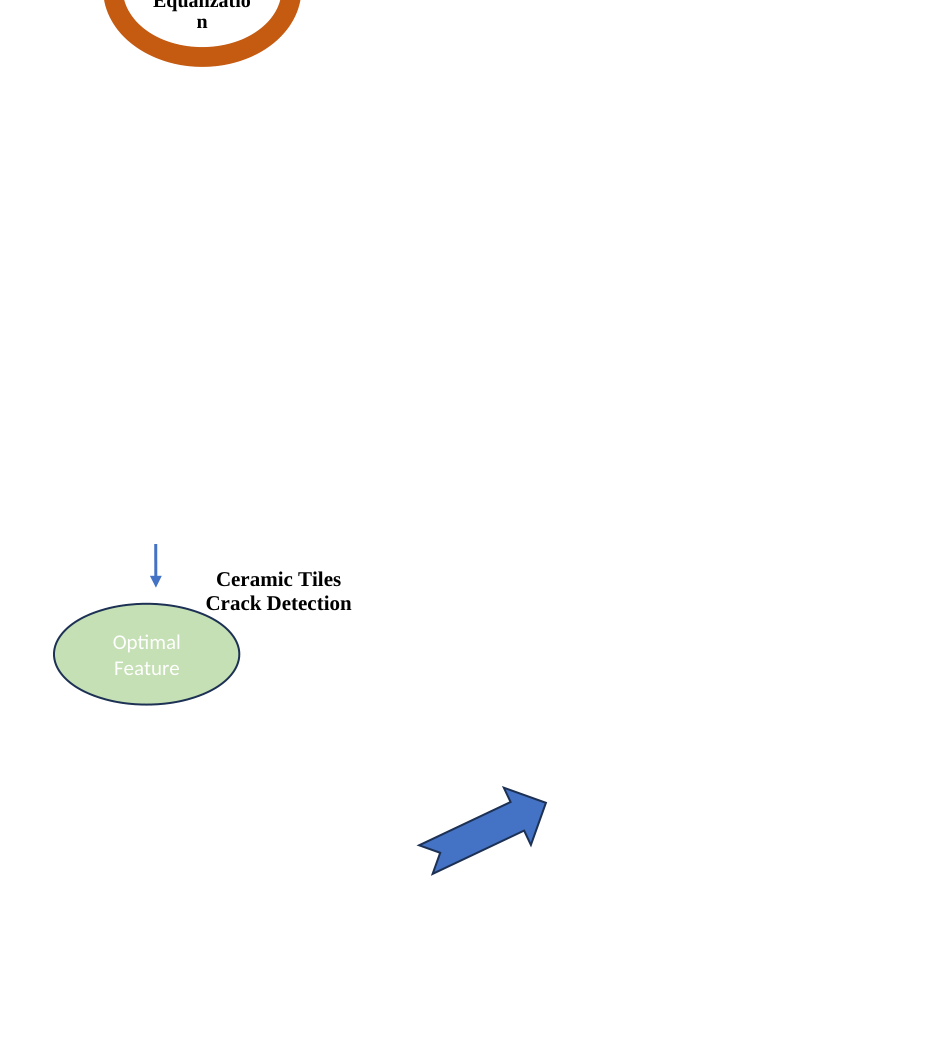
Editorial review note: the original Word architecture drawing has displaced or clipped elements in the rendered source. Its visible parts are retained above; this diagram still requires a verified complete rendering before publication.
Figure 1: The Overall architectural framework
Workflow described in Sections 3 and 3.1: Gabor filtering and CLAHE preprocessing → attention U-Net segmentation with Coati-based weight optimization → texture and colour feature extraction → Coati-based feature selection → crack classification using AlexNet, DenseNet and CNN models. This text equivalent restates the manuscript; it does not verify implementation or results.
3.1 Overall Architecture
Step 1: Pre-processing
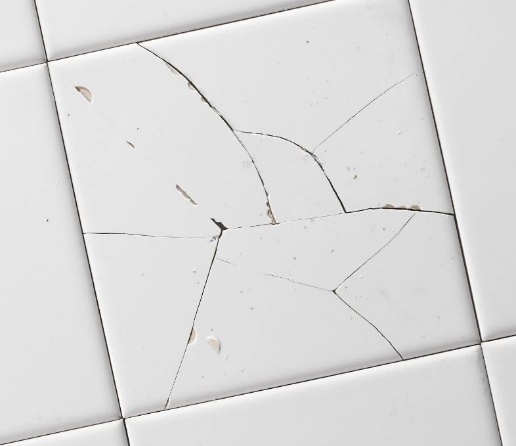
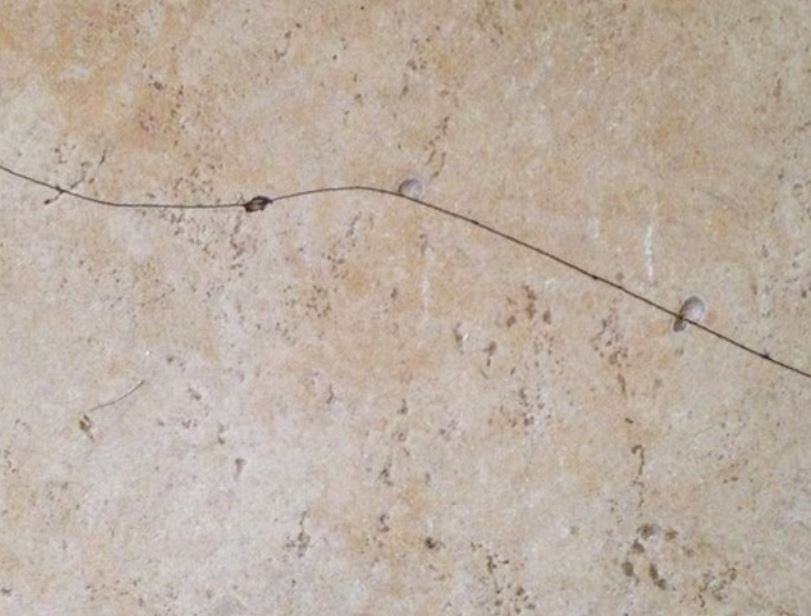
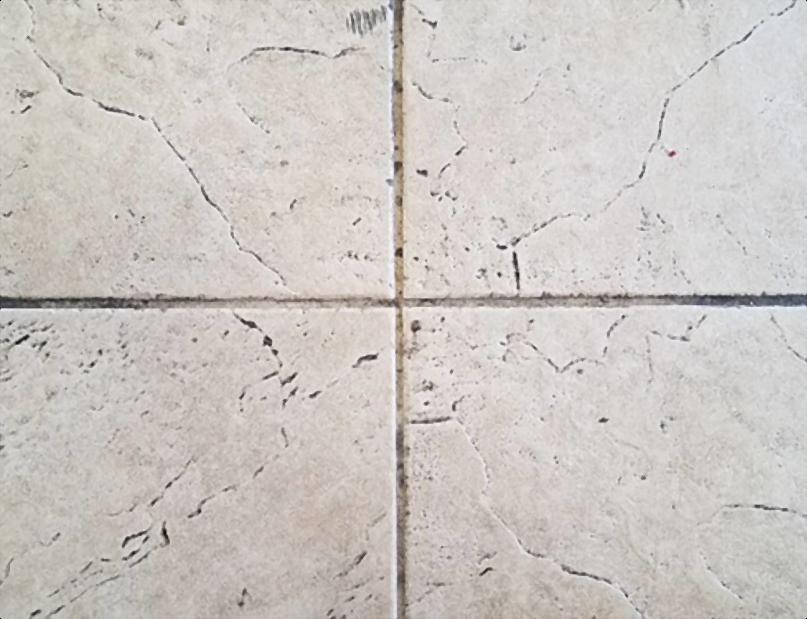
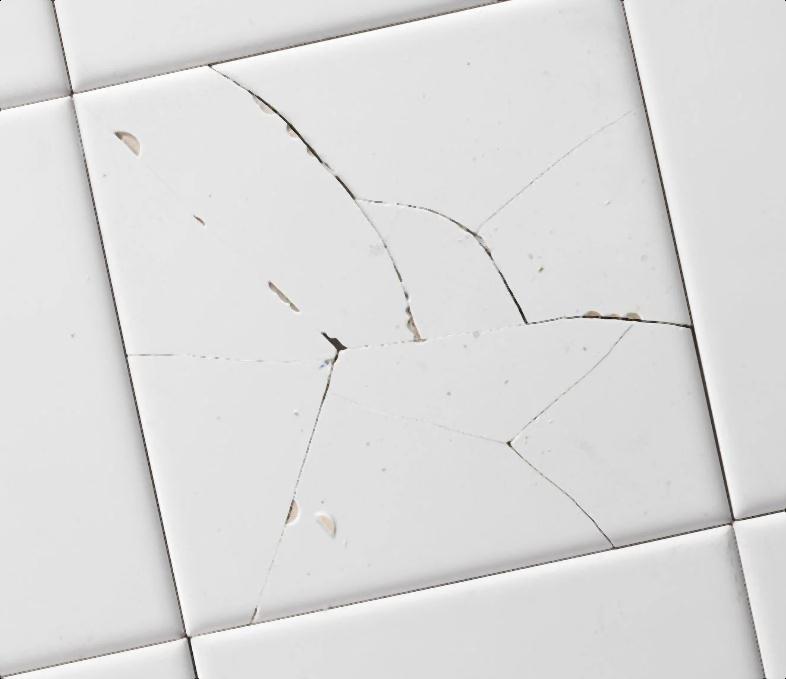
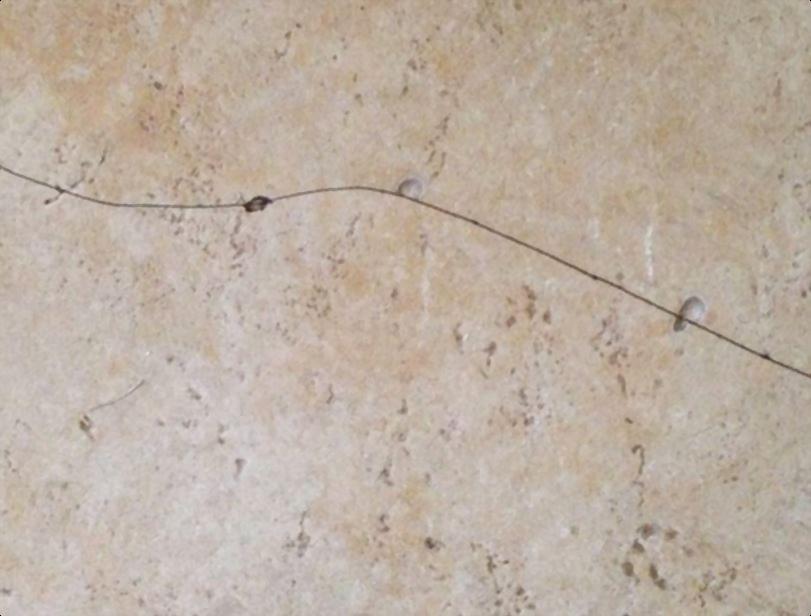
In this stage, the unprocessed ceramic tile images, as shown in Figure 2 (a), (b), (c), and (d), are obtained from the following source:
(https://www.kaggle.com/datasets/riffatsiddiqui/ceramic-tiles-defects-crackspotspinhole).
The images have undergone preprocessing techniques that involve the application of Gabor Filters and CLAHE. Gabor filters are employed to enhance texture features, while CLAHE is utilised to improve the overall contrast of the images.
Step 2: Segmentation
The pre-processed images undergo segmentation using an optimised U-Net architecture. The optimisation of the U-Net model’s weights is accomplished by employing a self adaptive optimisation approach, resulting in enhanced segmentation performance. The U-Net architecture is selected due to its efficacy in performing semantic segmentation tasks.
Step 3: Feature Extraction
Feature extraction is performed on the segmented pictures to acquire relevant data for the specific objective of fracture detection. There exist two discrete classifications of features that are extracted:
Texture Features includes:
Local Binary Patterns (LBP)
Gray-Level Co-occurrence Matrix (GLCM)
Colour Features:
Histogram Intersection (HI)
Colour Histogram
Bag-of-Visual-Words Model
The intended use of these features is to analyse and describe the texture and colour properties of ceramic tile images, with the intention of obtaining significant data for the detection of cracks in subsequent analysis.
Step 4: Feature Selection
The feature selection process utilises a self adaptive optimisation approach in order to identify the features that are both informative and discriminative. The objective of this step is to reduce the number of features while preserving the pertinent features that are crucial for the detection of cracks in ceramic tiles.
Step 5: Ceramic Tiles Crack Detection
During the conclusive stage, deep learning models are employed to detect cracks.
AlexNet: A classic convolutional neural network (CNN) architecture.
DenseNets: A dense connectivity-based CNN architecture.
Convolutional Neural Networks (CNN): General CNN architecture.
The models utilised in this study were trained and tested using the features that were selected in Step 4. The evaluation and comparison of the models are conducted in order to ascertain the most efficacious methodology for detecting cracks in ceramic tiles.
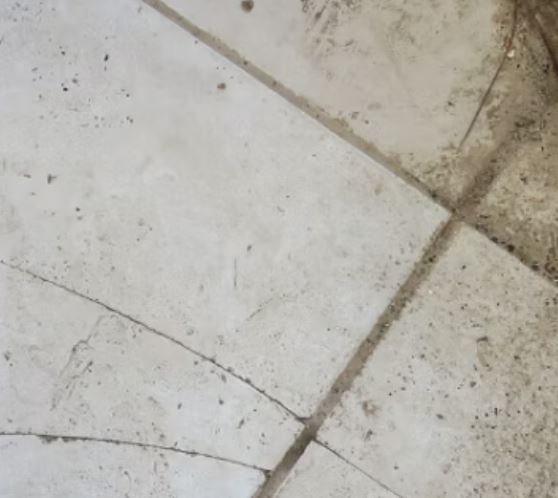
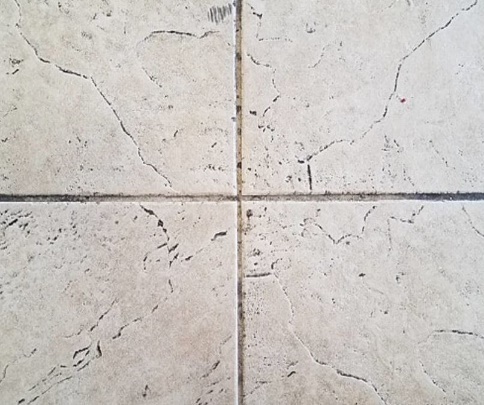
(b)
(c) (d)
Figure 2 (a), (b), (c), and (d) the images depicting cracks in ceramic tiles.
3.2 Preprocessing
In the preliminary stage of pre-processing, a combined methodology is used, using Gabor Filters and Contrast Limited Adaptive Histogram Equalisation (CLAHE). Gabor filters, renowned for their proficiency in capturing texture characteristics, are used to enhance the intrinsic texture details present in unprocessed ceramic tile photographs. Subsequently, the application of CLAHE is employed to enhance the overall contrast of the images while concurrently mitigating the risk of noise amplification. The use of this integrated pre-processing technique guarantees that the resultant pictures are enhanced, optimised, and well-prepared for comprehensive analysis, classification, and other computer vision applications. The preprocessing stage for ceramic tile crack detection is shown in Figure 3.
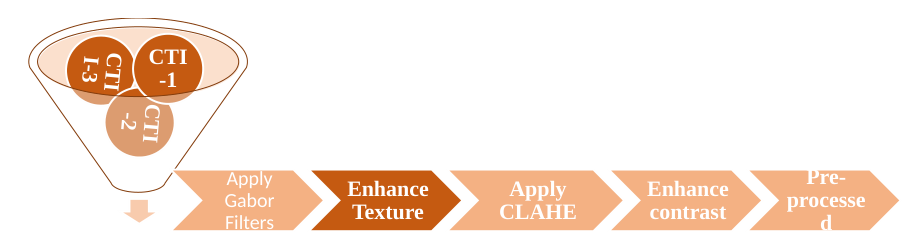
Figure 3: Pre-Processing Stage
3.2.1 Gabor Filtering
The Gabor Filter has become widely recognized in various disciplines owing to its efficacy in tasks such as texture analysis, edge detection, object identification, picture illustration, and image segmentation. The Gabor Filter exhibits a significant level of versatility by virtue of its ability to analyse textures across various scales and orientations. This particular attribute bestows upon it a pivotal role in numerous domains of image processing. The Gabor Filter employs a kernel array to decompose images into constituent elements while considering various scales and orientations. The extraction of intricate texture information is deemed indispensable in this context.
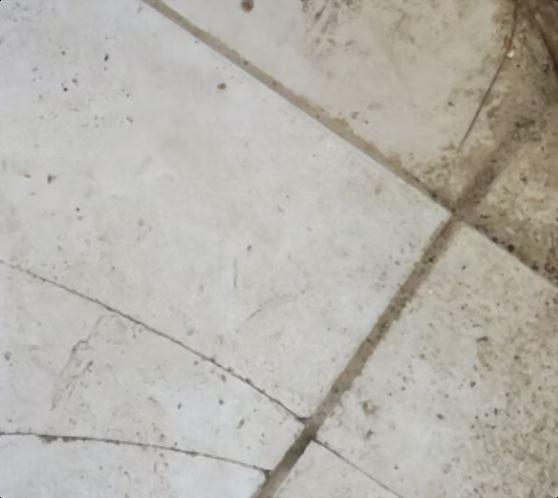
Gabor filters are of paramount significance in defect detection, specifically in the recognition of fractures exhibiting diverse orientations in ceramic tiles. The fine-tuning of kernel parameters facilitates the prioritisation of specific characteristics, thereby enhancing the precision of problem detection. This specific characteristic facilitates a comprehensive analysis of image structures and additionally supports the application of advanced noise reduction methods, thereby augmenting the advancement of defect detection strategies. The outcomes of this enhancement technique utilising Gabor are depicted in Figure 4. In this figure, subfigures (e), (f), (g), and (h) showcase modified perspectives of ceramic tiles exhibiting improved flaws, cracked surfaces, and pitted surfaces, respectively. Furthermore, the utilisation of Gabor Filters plays a significant role in the production of images with reduced noise, thereby enhancing the overall efficiency of defect identification. Moreover, the Gabor Filter integrates both real and imaginary components, which can be defined by the subsequent mathematical expressions.
Real Part,
(1)
Imaginary Part,
(2)
Furthermore, that previously mentioned content can be collaboratively
generated. (3)
where
The scale factors of the neighbourhood, denoted as γ, represent the ellipticity of the Gabor Filter, while λ represents the wavelength for the sinusoidal component.
(e) (f)
(g) (h)
Figures 4 (e), (f), (g), and (h) display the GABOR visuals of ceramic crack tiles.
3.2.2 CLAHE Interpolation Image Enhancement
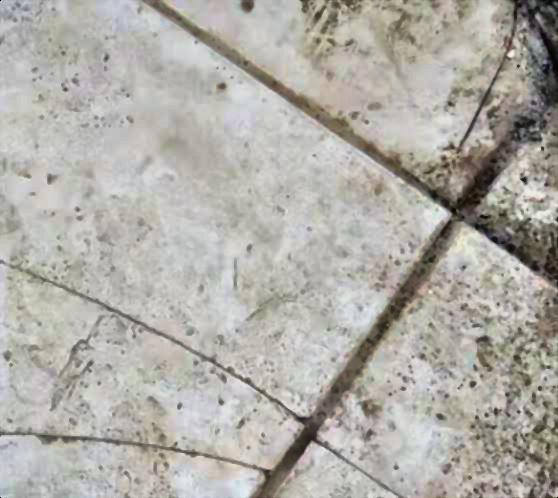
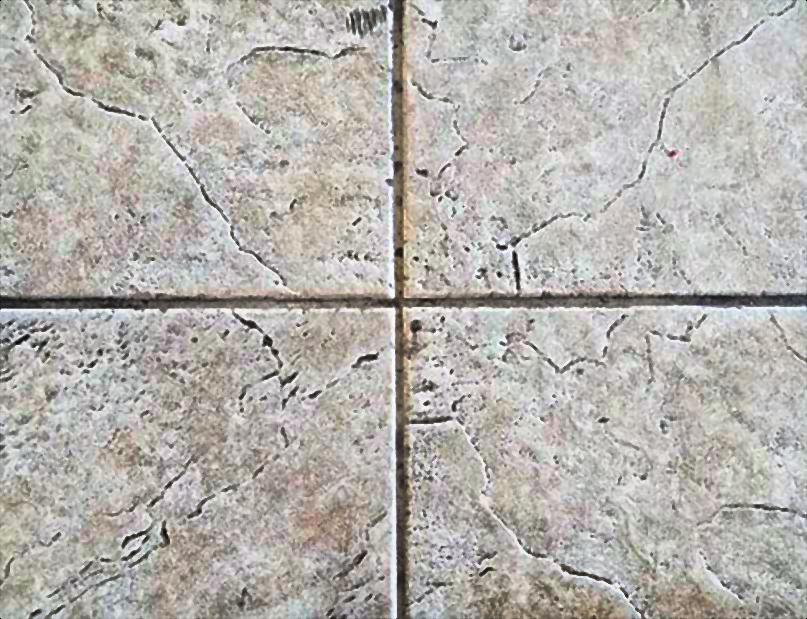
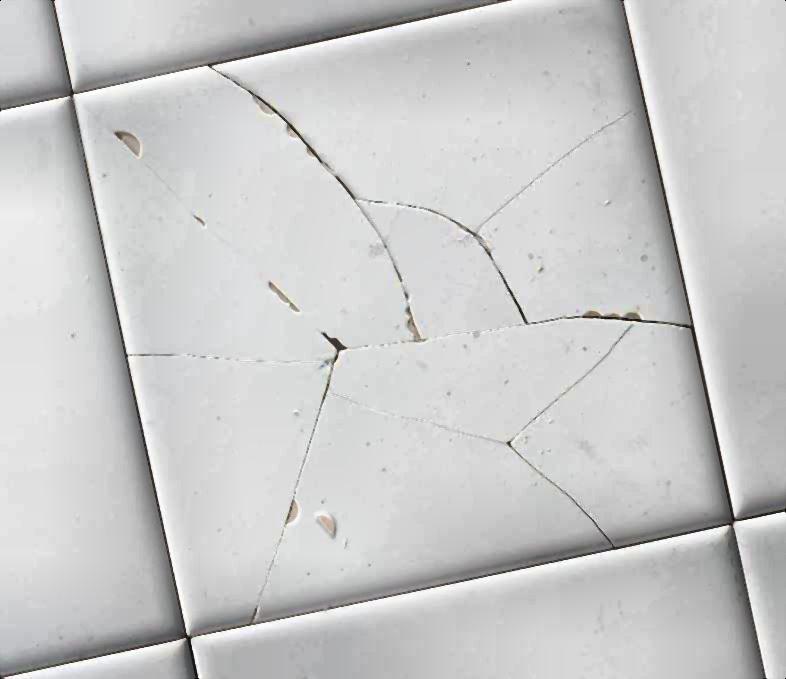
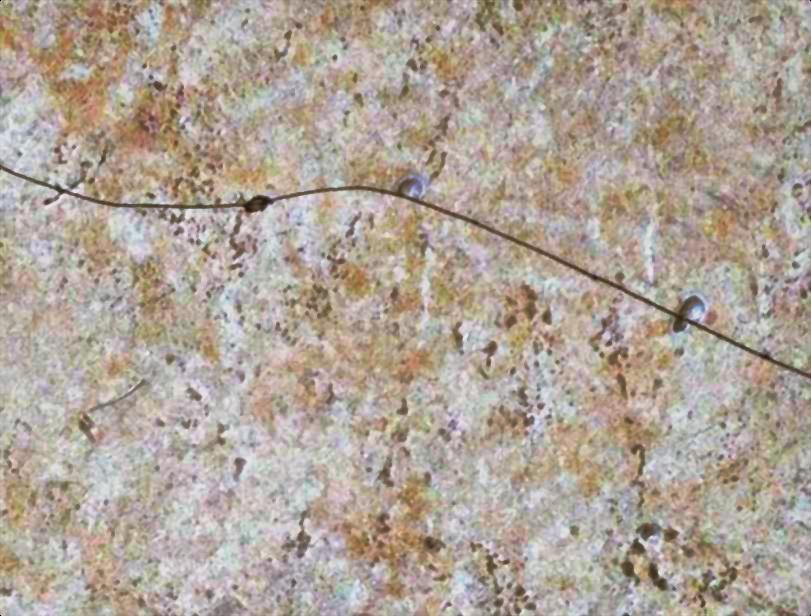
The identification of imperfections on ceramic surfaces is a significant challenge due to the inherent reflective properties shown by these materials. Hence, it is crucial to improve the picture quality before identifying defects. The enhancing procedure involves the use of the CLAHE interpolation method, which was first developed by Karel Zuiderveld. This technique amplifies flawed characteristics, leading to a heightened display of individuality after the process of improvement. The CLAHE interpolation method is used within the realm of ceramic tile images to enhance the depiction of complicated elements, such as cracks, spots and pinholes hence improving their visual representation. The use of this histogram equalisation technique contributes to the improvement and uniformization of contrast, hence enabling more accurate detection of cracks in ceramic tiles. The incorporation of this histogram equalisation technique is of utmost importance for succeeding phases of picture segmentation and feature extraction. Figure 5 depicts the flowchart illustrating the process of Contrast Limited Adaptive Histogram Equalisation (CLAHE) Interpolation Image Enhancement. Significantly, Figure 6. (i), (j), (k), and (l) exhibit a noticeable improvement in clarity that is achieved by using CLAHE interpolation.
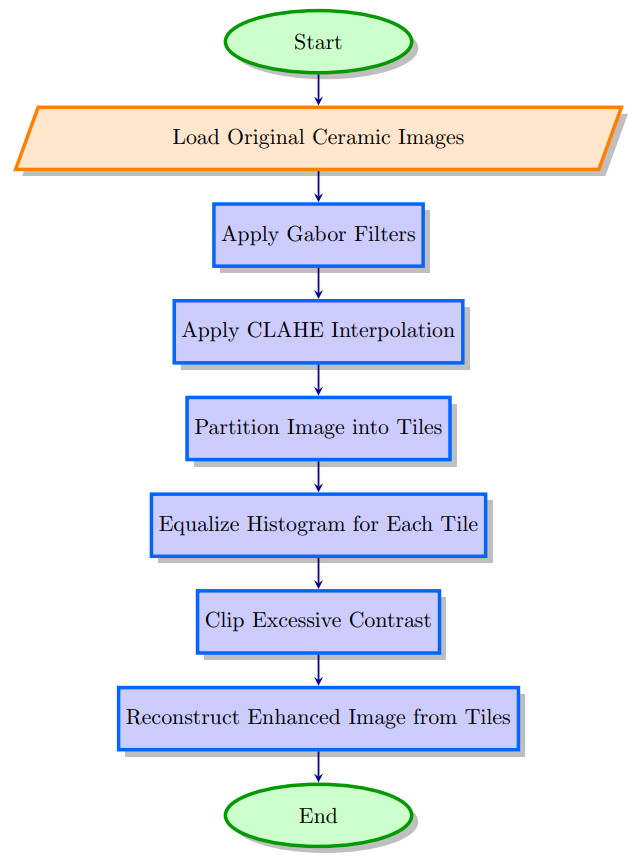
Figure 5 Image Enhancement using CLAHE for Defect Detection
 (i) (j)
(k) (l)
Figure 6. (i), (j), (k), and (l) illustrates the implementation of CLAHE interpolation for enhancing the identification of cracks in ceramic tiles.
3.3 Segmentation
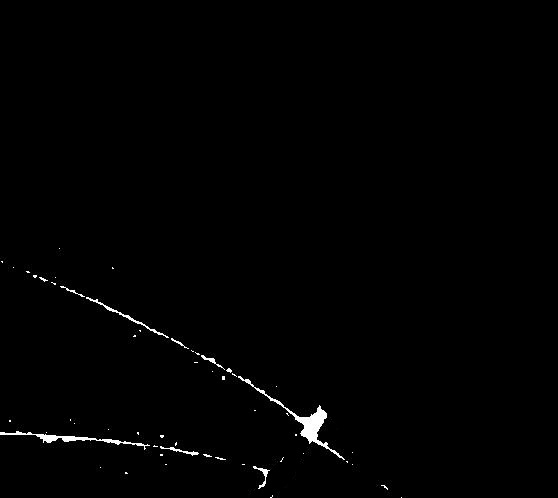
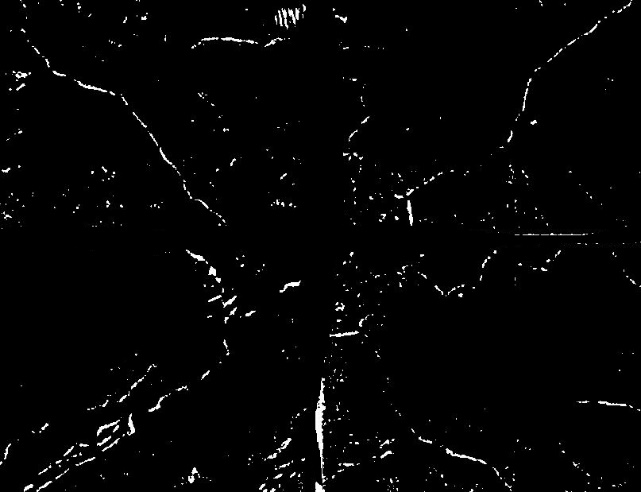
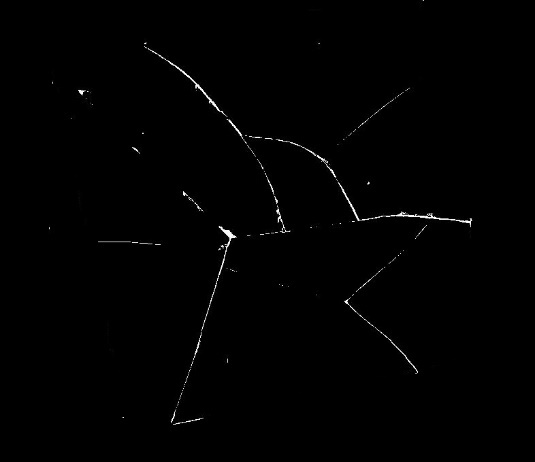
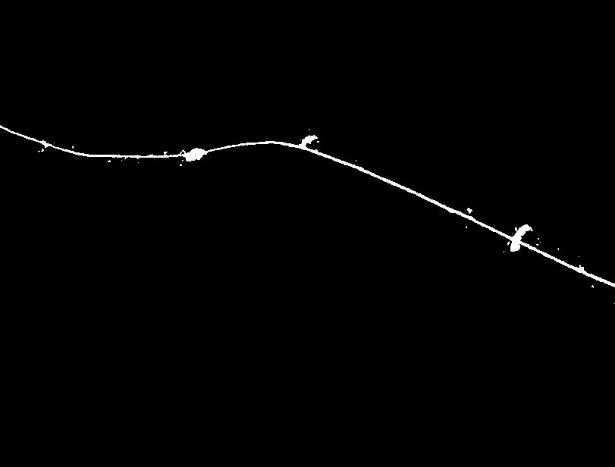
The segmentation process holds considerable significance in the identification and detection of cracks in ceramic tiles., as it involves accurately establishing and identifying fractures within images of the tiles. The present study investigates advanced methodologies, specifically the incorporation of Attention Gates (AGs) into conventional U-Net architectures, to analyse the fundamental characteristics that are crucial for the identification of fractures in ceramic tiles. The U-Net architecture efficiently conveys the critical features required for precise identification by employing a complex network of skip connections. The inclusion of a more comprehensive viewpoint of the dataset contributes to the reduction of the influence of unwanted and disruptive reactions, thereby augmenting the efficacy of segmentation. Moreover, Attention Gates possess a significant role in determining the magnitudes of gradients that originate from background regions during the backpropagation process. This influence enables precise adjustments of model parameters, especially in regions that are crucial for the recognition of fractures in ceramic tiles. Moreover,The paper on segmentation methodologies presents a comprehensive framework for enhancing the precision and effectiveness of ceramic tile crack detection. It encompasses the incorporation of the Weight of U-Net, which is optimised through the Coati Optimisation Algorithm. Figure 7 represents the Segmentation Results for the Accurate Detection of Ceramic Tile Cracks.
3.3.1 Optimized U net
The integration of Attention Gates (AGs) into the traditional U-Net design is presented to enhance the emphasis on crucial characteristics that are especially aimed at detecting cracks in ceramic tiles. These significant features are effectively conveyed via the skip connections. The use of data obtained from a broader perspective is of great importance in the process of gating, as it efficiently separates irrelevant and noisy responses within skip links. The gating step takes place just before the concatenation operation, ensuring that only relevant activations are merged. In the backpropagation process, it is relevant that gradients originating from background areas are assigned reduced weights. This aids in the adjustment of model parameters primarily in shallower layers, primarily concerned with spatial regions pertinent to the objective of crack detection in ceramic tiles.
The improved equation for the convolution parameters in layer l-1 can be stated as follows:
(4)
The input in layer c-1 is denoted as , where ai represents the variable and c-1 denotes the layer. The activation function is denoted as f(.), which specifies the mathematical operation applied to the input. The scaling factor for the activation function in layer c is represented as αic. The convolution parameters for layer l-1 are denoted as .
Within the framework of multi-dimensional autoregressive models, the variable αil is utilised to denote a vector of scaling factors that correspond to each grid scale. The utilisation of scaling factors is implemented to adjust the magnitude of the rightmost side of a mathematical equation (a). The skip connection’s output is produced by distilling and integrating complementing information inside each sub-AG. To alleviate the computational load and minimise the number of trainable parameters, linear transformations are implemented using 1x1x1 convolutions that do not have spatial support. Furthermore, the input feature maps are subjected to down sampling to match the resolution of the gating signal. This approach is similar to the utilisation of non-local blocks. The linear transformations efficiently separate the feature maps and map them onto a space with fewer dimensions, thereby optimising the gating process. It is worth mentioning that the gating function does not include low-level feature maps, such as the initial skip connections, due to their constrained ability to adequately depict the input data within a space of significant dimensions. In addition, the utilisation of deep supervision is employed to ensure the presence of semantic discriminative characteristics in the intermediate feature maps at every scale of the image. The aforementioned approach guarantees that attention units, which operate on different dimensions, substantially impact the responses generated by a diverse set of image foreground information. This effectively prevents the limited reconstruction of dense predictions solely from restricted subsets of skip connections.
3.3.2 Weight of U net optimized via Coati Optimization Algorithm
Coati Optimization Algorithm
The proposed self-adapted Coati Optimisation Algorithm (COA) is described in this section, and its many phases are mathematically modelled.
Inspiration and behaviours of Coatis
Coatis, sometimes referred to as that of coatimundis, pertain to the Nasuella and Nasua genera Belonging to the taxonomic family Procyonidae. These organisms are classified as nocturnal creatures and are native to South and Central America, as well as regions in Mexico and the Southwest United States. Coatis have shared morphological attributes, characterised by a streamlined cranial structure including a pliable, elongated snout that possesses a slight upward curvature. Additionally, they possess ebony extremities, diminutive auditory organs, and an extended, non-grasping tail employed for both communication and equilibrium maintenance. Adult coatis have the ability to attain lengths ranging from 33 to 69 cm, including their entire body, extending from the head to the tip of their tail. Coatis exhibit a stature of approximately 30 cm in height at the shoulder and possess a weight range spanning from 2 to 8 kg, rendering them comparable in size to a domestic feline of considerable proportions. Male individuals possess pronounced, robust canine teeth and exhibit a potential for attaining nearly twice the size of their female counterparts. These proportions are applicable to the coatis and white-nosed coatis found in South America. The mountain coati is identified as the smaller of the two coats. Coatis, being omnivorous, exhibit a dietary preference for both invertebrate species, such as tarantulas, and small vertebrate species, including birds, rodents, lizards, ,bird eggs and crocodile eggs. One of Coatsis’ favoured snacks is the green iguana. Iguanas, being large reptiles, are often targeted by coatis in group hunting activities due to their arboreal habitat preferences. While some individuals engage in swift aggression, a subset of them ascend trees with the intention of inducing fear in the iguana, so prompting it to descend to the ground. However, coatis are susceptible to predation. The coati is subject to predation by various species, such as ocelots, jaguars, tayras, foxes, dogs, boa maned wolves, constrictor snakes, jaguarundis and anacondas. Various species of avian raptors, including as black-and-chestnut eagles, harpy eagles, and ornate hawk-eagles, actively engage in the pursuit of these prey items.
Coatis exhibit intelligent behaviour in their interactions with predators, demonstrating adeptness in both pursuit and evasion strategies. Additionally, they reveal cunning tactics when engaging in attacks and successfully capturing iguanas. The mimicking of natural coati behaviours served as the primary source of design inspiration for the suggested COA approach.
Algorithm initialization process
Coatis are regarded as constituents of the COA technique, a population-based metaheuristic approach. The determination of values for the choice variables is contingent upon the specific location of each coati inside the search area. In COA,The perspective held by coatis suggests a possible resolution for the situation at hand within the context. The coatis’ placement in the hunt space is randomly initialized, as specified by Equation. At the commencement of the implementation of the Certificate of Authenticity (COA).
(5)
Let Xi represent the spatial location of the ith coati within the search space. The significance of the jth choice variable is denoted as xi,j N The given value denotes the aggregate quantity of coatis., while m represents The number of units of decision determinants. The variable The variable “r” represents an arbitrary real number that falls within the range of [0,1]. Additionally, lbj and ubj refer to the lower and upper bounds, respectively, of the jth decision variable.
The matrix X, commonly referred to as the population matrix, is utilised as a mathematical depiction of the self-adaptive coati population within the COA.
(6)
The organisation of potential options within a selection The inclusion of variables plays a significant role in evaluating various values for the desired function in the problem. The equation is used to illustrate these values.
(7)
In this context, Fi represents the derived objective function value associated with the ith coati, while F is the vector containing the obtained objective function values.
The value of the objective function is used as a criterion for assessing the quality of potential solutions in metaheuristic algorithms to including the algorithm proposed for the COA problem. The most optimal member of a population, as determined by the objective function, is frequently denoted as the best populace member. The iterative process involves updating the candidate solutions in a sequential manner, leading to the identification of the most optimal member of the population at each iteration..
Mathematical model of COA
The updating of the coatis’ location (candidate solutions’) in the COA is grounded on the modelling of two natural behaviours exhibited by the coatis. These actions encompass a range of activities.
The strategies employed by coatis in their predatory interactions with iguanas and
(ii) The manner in which organisms escape from potential threats posed by predators.
As a result, there are two distinct periods for updating the COA population.
Phase 1: Hunt and Attacking Strategy Employed in Iguanas
The initial stage of the coati population assessment within the selected region is conducted through the utilisation of an attack strategy model, with a specific emphasis on examining the dynamics between coatis and iguanas. In this specific methodology, a collective of coatis ascends the tree with the intention of approaching an iguana in close proximity and provoking a shocked reaction. A collective of coatis assembles in close proximity to an iguana as it drops into the ground, while concurrently placing themselves beneath a neighbouring tree.
Upon the iguana’s descent, the coatis proceed to engage in aggressive behaviour, launching an attack and pursuing the iguana. By employing this approach, coatis demonstrate their ability to migrate to different areas within the designated search region, so highlighting the comprehensive search capabilities of the coati optimisation algorithm (COA) in the context of problem-solving.
The design of the COA (Centralised Opposition-based Algorithm) presupposes that the iguana represents the optimal member within the community. Moreover, it is widely postulated that approximately 50% of coatis engage in arboreal locomotion, while the remaining 50% adopt a passive strategy, awaiting the descent of the iguana to the terrestrial surface. Hence, a mathematical model, represented by Equation., is employed to simulate the spatial movement of coatis as they exit the tree.
(8)
The iguana is introduced onto the terrestrial surface and subsequently positioned at a randomly selected point within the prescribed search area. The emulation of the search space is achieved through the utilisation of a random position, which subsequently governs the movement patterns of ground-dwelling coatis.
(9)
(10)
For (11)
If the adjustment of the coati’s position leads to an enhancement in the intrinsic worth of the function of objective, the update technique is considered acceptable. Alternatively, the coati will persist at its initial location.
This revision equation condition is for i = 1, 2,…, N simulated.
(12)
In this context, represents the updated position of the ith coati, specificallydenotes its jth dimension. corresponds to the objective function value of the coati. The variable r is a random real number within the range of [0,1]. Iguana refers to the position of the best member in the search space, denoted as for its jth dimension. Additionally, I is an integer randomly chosen from the set {1,2}. The superscript P1 signifies the first iteration or update.The variable G represents the randomly generated position of the iguana on the ground, denoted as in the context.Let G represent the jth dimension, be the numerical importance of the objective function, and ⌊·⌋ refer to the floor function, generally known as the biggest integer function.
Phase 2: The phenomenon of evading predation
The computational modelling of the second phase of the process for updating the position of coatis within the search space is founded upon their characteristic actions exhibited during encounters with and evasions from predators. When a predator launches an attack, a coati demonstrates evasive conduct by promptly and efficiently moving away from its present location. The coati’s utilisation of this specific strategy results in its relocation to a secure location in close proximity to its current position, thereby showcasing the coati’s adeptness in employing local search strategies.
The generation of a random position is determined by mathematical algorithms, resulting in a location that closely approximates the positioning of each coati, so simulating their conduct.
(13)
(14)
Where
If the updated position yields a higher value for the objective function, as determined by the calculation used to express this criterion, it can be considered satisfactory.
(15)
Here, is The significance of the objective function, Is the calculation of the new position for the ith coati determined by the second phase of COA, is its jth dimension, The variable “r” represents a randomly generated number within a specified range. The variable “t” represents the iteration counter, and and The terms “local lower bound” and “local upper bound” are used to denote the lower and higher bounds, respectively, within a certain context or region, of the jth decision variable inside a specific context or local scope.
(m) (n)
(o) (p)
Figure 7. (m), (n), (o), and (p). illustrates the segmentation results In order to achieve precise identification of fractures in ceramic tiles.
3.4 Feature Extraction
The significance of effective feature extraction holds great importance within the domain of ceramic tile fracture detection. The current stage of our study focuses on the extraction of significant discriminative patterns from pre-processed photos. The objective is to identify the unique features that are symptomatic of fractures in ceramic tiles. By adopting a complete methodology, we use a range of sophisticated frameworks to capture the subtle structural and textural intricacies of ceramic surfaces. In this study, we focus on examining texture characteristics, namely GLCM and LBP, to get a deeper understanding of surface textures. Simultaneously, we explore colour characteristics by using Histogram Intersection (HI) and Colour Histogram, together with the informative Bag-of-Visual-Words Model. The use of a combination of advanced techniques enables us to systematically and precisely document the complexities associated with variations in both the texture and colour of ceramic tiles. This comprehensive approach provides a strong basis for further analytical investigations. Through a thorough process of careful selection and seamless integration, this feature extraction technique exemplifies a complete approach that is specifically designed to meet the distinctive requirements of detecting cracks in ceramic tiles. In doing so, it encapsulates the fundamental essence of this crucial step.
3.4.1 Texture features
This study investigates the characteristics of texture description features, which play a crucial role in the visual examination of cracks and pinholes in ceramics. The aim is to recreate the discerning capability of human eyesight in identifying these flaws via the analysis of the ceramic tiles’ surface. Specifically, we explore the intricate realm of texture characteristics, using methodologies such as GLCM and LBP. The aforementioned approaches allow the identification of patterns in the fluctuations of intensity and spatial arrangements of pixels, hence providing a comprehensive depiction of surface textures that is crucial for the detection of cracks and pinholes. This study aims to use texture-describing characteristics as a fundamental component for the identification and categorization of cracks and pin holes in ceramic tiles. Furthermore, this work assesses the effectiveness of two separate feature extraction techniques when used in combination with other colour features, therefore enhancing our comprehension of their collective ability to achieve precise detection.
3.4.1.1 Method Of Local Binary Patterns(LBP)
The first step of the Local Binary Pattern (LBP) approach is converting the input ceramic picture into a grayscale representation. The following procedure determines the binary pattern by evaluating the intensity of the central pixel about its adjacent pixels. If the intensity of the central pixel exceeds that of a neighbouring pixel, it is assigned a value of 1. In contrast, if the luminescence of the adjacent pixel is higher, the value is designated as 0. The previous evaluation is performed on each pixel inside the picture, leading to the generation of a binary pattern that adequately encompasses the local texture characteristics.
The primary aim of using the local binary pattern technique is to extract salient characteristics from the input picture, with specific emphasis on the distinctive details related to flaws in ceramic tiles. Insights into surface imperfections, such as fractures and pinholes, may be obtained by doing calculations of the local binary pattern for each pixel inside the picture.
The assessment of algorithm performance is of paramount importance in the context of ceramic tile defect identification systems, as it ensures the reliability of fault detection. The evaluation relies on key performance indicators, including the detection rate and false alarm ratio.
To ensure smooth computing of the binary pattern and accurate identification of adjacent pixels, the coordinates of the central pixel are denoted as (𝑀c, 𝑁c). Consequently, the coordinates of the adjacent pixels are calculated concerning the coordinates of the central pixel, enabling precise depiction and examination of flaws in ceramic tiles as follows.
(16)
(17)
𝑀oNo − Adjacent Pixels
𝑔o is the grey code of the neighbouring pixels, where p runs from 1 to (o-1), can be used to compute the texture of a picture.
(18)
An alternative method for determining the texture of a picture involves subtracting the values of neighbouring pixels from the values of the central pixel. This can be expressed as follows:
(19)
Oc -The central pixel. This implies that the pixel in close proximity to the centre has a relatively elevated grey value in comparison to the central pixel. In such circumstances, the value is allocated a binary representation of one if it meets the specified condition, else it is assigned a binary representation of zero.
(20)
(21)
3.4.1.2 Gray-Level Co-occurrence Matrix (GLCM)
A GLCM is a mathematical construct that is applied to a picture in order to represent the statistical distribution of pixel values that co-occur at a specific displacement or offset. The co-occurrence matrix C, which has dimensions p×p, is defined over an image with n×m pixels, where p represents the number of different pixel values. The concept of the CLCM can be attributed to:
(22)
In the context of image processing, the variables “i” and “j” represent the pixel values, while “a” and “b” denote the spatial positions inside the image. The variables I, 1a, and 1b represent the offset, while I(a, b) represents the pixel value.
(23)
Based on the provided definition, it can be inferred that GLCM has a high degree of sensitivity towards periodic structures. Consequently, the predominant utilisation of GLCM has been in the quantification of texture inside images. The co-occurrence matrix C, of size p×p, can be defined for the main signal b.
(24)
Hence, GLCM can be employed to characterise the texture of a one-dimensional signal.
3.4.2 Colour features
The examination of ceramic tile flaws necessitates the careful consideration of colour aspects. The comprehension of the colour qualities of ceramic tiles has significant relevance in the pursuit of identifying and describing these flaws. Through the use of several methodologies like Histogram Intersection (HI) and Colour Histogram, we undertake an in-depth examination of the extensive range of colour variations that exist within ceramic surfaces. The primary goal is to record distinct colour signatures and patterns that are linked to faults, hence facilitating precise detection and categorization. This study uses colour characteristics as a primary element in the identification and classification of faults in ceramic tiles, to enhance the efficacy and precision of the defect detection process, measures should be taken.
3.4.2.1 Histogram Intersection
The identification of imperfections in ceramic tiles is a crucial matter due to various imperfections, such as cracks, pinholes, and other abnormalities. Moreover, ceramic tiles may be greatly impacted in terms of their structural integrity and aesthetic appeal. This work focuses on the use of the Histogram Intersection (HI) approach to detect and characterise these faults.
Let us consider two sets of vectors, A and B, in a feature space of dimension d. We shall proceed with the construction of a sequence of grids denoted by resolutions 0 to L. Each grid at level l will consist of 2l cells along each dimension, resulting in a total of D = 2dl cells. Let HlA and HlB represent the histograms of A and B, respectively, at the given resolution. HlA (i) and HlB (i) denote the number of points from A and B, respectively, that fall within the ith cell of the grid. The quantity denoting the count of matches at level l can be determined by the process of histogram intersection applied to the provided function.
(25)
3.4.2.2 Color histogram
The execution of a colour histogram is essential in effectively depicting the colour dispersion within an image, offering vital observations on dominant shades and their respective occurrences. When combined with Histogram Intersection (HI), a technique developed for evaluating the similarity of histograms, it enables a comprehensive examination of unique colour changes linked to defects in ceramic tiles. The objective of this methodology is to accurately detect and categorise imperfections, such as minute openings and fractures on ceramic tile surfaces, through a comprehensive evaluation of their chromatic attributes.
The process of choosing an appropriate colour space for an image can efficiently facilitate the extraction of its corresponding colour attributes. Academic study use many colour spaces, such as Luminance-Chrominance (YCbCr), Red-Green-Blue (RGB), Hue-Saturation-Value (HSV), CIE LUV RGB and Hue-MaxMin-Diff (HMMD). The utilisation of these colour spaces fulfils distinct and singular purposes within the field of research. The saturation (S) parameter in the HSV colour model is responsible for determining the intensity of a given colour. The mathematical representation of this concept can be denoted by Equation (14), wherein the saturation value is equal to zero in the event that the highest value of the red, green, and blue components (R, G, B) is zero. The saturation value is determined using Equation (14). (14)
(26)
The value (V) pertains to the relative brightness or darkness of a colour. The highest value is determined and represented by the hue (H), which represents the colour category and is measured on a scale ranging from 0º to 360º, as seen in Equation (15). The maximum value in Equation (15) is represented as “Max,” whilst the smallest values of R, G, and B are marked as “Min.”
3.4.3 Bag-of-Visual-Words Model
BoVW-based attributes are of significant importance in the characterization of several texture categories within the domain of texture analysis. The previously mentioned attributes are calculated for every distinct texture category by isolating patches of pixels from a picture of a ceramic tile that exhibits similar texture properties. The patches are used to construct descriptors based on raw intensity, which is then used to build texture-specific vocabulary represented as V = {V1,Vu,…., V9}. The determination of each vocabulary Vu, denoted as {w1,…,wk}, is accomplished by the use of Equation (15).
(27)
Every feature vector, denoted as , corresponds to a distinct characteristic of the ceramic tile’s surface. Furthermore, the notation “wj” denotes the jth centre vector, which serves as a representation of a visual word that encapsulates distinct attributes associated with the faults. The variable k represents the quantity of visual words that are linked to each texture type. To include all the essential characteristics that define flaws in ceramic tiles, the overall size of the histogram, represented by K, is calculated as k = 9 x k.
3.5 Optimal Feature Selection
The process of feature selection is of the highest priority in the field of ceramic tile crack detection as it significantly contributes to the improvement of accuracy and efficiency in detection algorithms. The process of feature selection entails the identification and isolation of the most informative and relevant features from an initially extracted set of features. The major objective of this research study is to decrease the dimensionality of the feature space by prioritising the most distinctive characteristics, while ensuring that the predictive capability of the model is either preserved or improved.
To attain efficient feature selection within the domain of ceramic tile crack detection, a self adaptive methodology is implemented, incorporating the Coati Optimisation Algorithm (COA). The COA algorithm is influenced by the behavioural patterns observed in coatis, particularly their hunting and evasion tactics, to enhance the process of feature selection.
The Coati Optimisation Algorithm employs a methodology wherein potential feature subsets are regarded as members of the population. The subsets are denoted by the spatial locations of coatis within a given search space. The decision factors are initialised by considering the presence or absence of features in the subset, which is determined based on the locations of the coatis.The algorithm subsequently proceeds to iterate through two primary phases, drawing inspiration from the behaviour of coatis.
In the context of ceramic tile crack detection, Phase 1 involves the emulation of the hunting strategy employed by coatis when pursuing iguanas. Coatis engage in coordinated behaviour to initiate a startle response in the iguana, subsequently pursuing the iguana upon its descent to the ground. In the context of the Collective Optimisation Algorithm (COA), it is observed that approximately fifty percent of the coatis tend to actively explore potential solutions, as represented by the iguana representation. Conversely, the remaining fifty percent of the coatis adopt a passive stance and refrain from engaging in any movement. This behaviour is simulated using mathematical equations, wherein the positions of coatis are adjusted according to enhanced fitness function values.
Phase 2 is centered on the concept of predator evasion. Every individual ‘coati’ (subset of features) relocates to a safe and protected area near its present location, imitating the evasion strategies employed by coatis. The observed behaviour demonstrates the local search exploitation capability of COA, whereby it generates random positions in proximity to the ‘coatis’ to simulate evasive movements in response to predator encounters.
Through the iterative application of these behaviours and the subsequent updating of the positions of the ‘coatis’ (symbolising potential feature subsets), the algorithm adeptly navigates the feature space, to identify subsets that optimise the objective function. This objective function is typically associated with the accuracy or efficacy of detecting cracks in ceramic tiles.
The self adaptive Coati Optimisation Algorithm is employed to obtain optimised feature subsets. These subsets are subsequently used to train and fine-tune machine learning models, thereby improving the accuracy and efficiency of ceramic tile crack detection systems.
3.6 Ceramic crack detection
The intention of this study is to examine the integration of advanced CNN models, namely AlexNet and DenseNet, for the purpose of achieving precise identification of cracks in ceramic tiles. The AlexNet architecture, which can be considered a revolutionary convolutional neural network (CNN) design, demonstrated exceptional levels of accuracy in the task of image classification. This significant achievement has played a pivotal role in the progression of machine learning techniques. By utilising batch normalisation, this study improves the effectiveness of AlexNet in detecting diverse fracture patterns in ceramic tiles. Furthermore, the research explores the utilisation of DenseNet, a convolutional neural network architecture characterised by densely connected blocks, to enhance the process of feature extraction and the accuracy of crack detection. The effective implementation of these Convolutional Neural Network (CNN) architectures holds great potential in advancing the field of ceramic tile fracture identification.
3.6.1 Alex Net
The architectural design of AlexNet, a notable Convolutional Neural Network (CNN), was formulated by Krizhevsky and Sutskever in the year 2012. The model received much recognition due to its remarkable accuracy in classifying the challenging ImageNet dataset, representing a notable advancement in the domain of machine learning. The present work suggests the implementation of batch normalisation (BN) as a technique to improve the resilience of AlexNet in the detection of fractures in ceramic tiles. The inherent challenge in spreading ceramic tile images lies in the significant heterogeneity seen in fracture patterns. Therefore, the input distributions across the layers in AlexNet display significant disparities, posing challenges in attaining efficient parameter training and requiring precise management. The process of initialization. To address the problem of internal covariate shifting, the idea of Batch Normalisation (BN) was introduced. The underlying concept of Batch Normalisation (BN) is quite simple since it involves applying normalisation transformations to the activations of layers inside mini-batches to ensure consistent means and variances. The transformation of a random variable x, which takes on values in a mini-batch S, encompasses the following steps:
(28)
The mean, denoted as μS and variance, denoted as squared of of x can be derived by performing appropriate calculations:
(29)
(30)
So, the normalized values denoted as can acquired by:
(31)
The symbol ε is used to denote a constant value that is used to maintain numerical stability. Nevertheless, it is important to note that in some scenarios, the alignment between normalised activations and the learning goals of the layers may not be optimal. To tackle this issue, a transformation is proposed, which incorporates learnable parameters γ and α for the mini-batch S.
(32)
The incorporation of batch normalisation (BN) not only enhances the efficiency of training deep convolutional neural networks (CNNs) and diminishes the reliance on starting parameter values for gradient computation, but also imparts a regularisation impact that strengthens the ability of deep networks to generalise.
3.6.2 Densely Connected Network
DenseNet, an enhanced version of the residual network, presents a sophisticated approach for feature extraction within the domain of deep learning. DenseNet is characterised by its densely linked blocks, which include skip connections that effectively interleave the output of each layer with the outputs of prior layers through concatenation.The application of interconnectivity in this particular situation optimally enhances the utilisation of shared features, hence effectively resolving the problem of gradient vanishing and reducing the necessary number of parameters. The present study aims to examine the efficacy of DenseNet in the context of identifying cracks in ceramic materials. The distinctive architectural design of DenseNet is employed to enhance the feature extraction capabilities and improve the accuracy of the fracture detection procedure.
The DenseNet can be considered as an enhanced version of the residual network. The structure of a DenseNet block can be described as follows.
(33)
(34)
The variables x0, x1, …, xl are utilised to represent the input of each convolution layer within the block. The utilisation of the bracket “[·]” signifies the act of amalgamating all outcomes produced by prior tiers. Figure 4 depicts a DenseNet block.
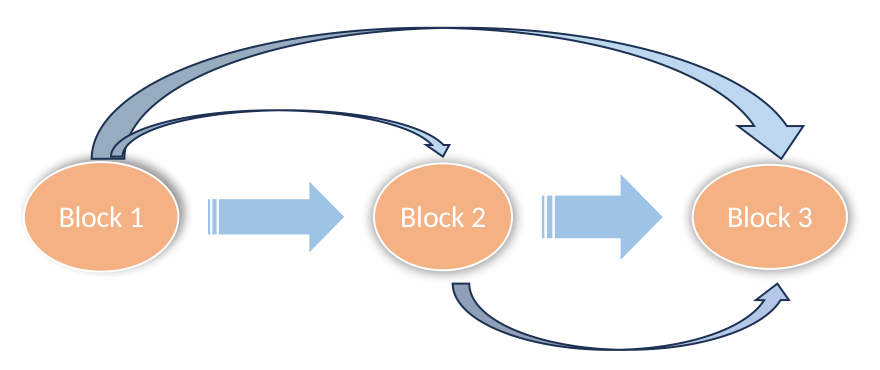
Fig. 4: A block characterised by a high degree of connectivity. The composite function H is shown by solid lines, while concatenation is represented by arrow lines.
Therefore, the output of a layer inside a DenseNet block is characterised by dense connections, achieved by concatenation, with the outputs from all previous layers in the same block. This method effectively leverages the advantages provided by skip connections. Furthermore, the utilisation of characteristics extracted from less complex layers by more complex layers results in a decrease in the number of parameters and efficiently resolves the problem of disappearing gradients by the use of concatenation layers. The computation of the feature dimension dl+1 of xl+1 is as follows:
dl+1 = d0 + k · l, (35)
The variable k, commonly referred to as the growth rate, represents the number of filters employed in each convolutional layer.
3.6.3 Convolution Neural Network (CNN)
The endeavour of crack detection entails a critical stage in which a feature map is derived from the input data via the use of AlexNet and DenseNet models as shown in Figure 5. The feature map is then used by a classifier to effectively target the specified detection objectives. Every detection activity, especially in the field of ceramic tile crack detection, involves a distinct dataset that requires customised tactics to get accurate results. CNNs have garnered significant recognition as a highly efficient method for automatically generating distinctive characteristics and smoothly incorporating them into the classification procedure. The utilisation of Convolutional Neural Networks (CNNs) offers significant benefits in the field of ceramic tile fracture detection, particularly for classification. The CNN classifiers provide a layered architecture that is designed to efficiently convert the input volume into the desired output volume. Convolutional neural networks transform their inputs through layers of differentiable functions; the number of layers depends on the architecture. The use of a simplified architecture in this work improves the efficiency and efficacy of feature extraction and classification approaches in the domain of ceramic tile fracture detection.
The architectural foundation of this Convolutional Neural Network (CNN) is structured with six layers, which effectively combine Conv2D layers with elements borrowed from both AlexNet and DenseNets. In addition, the deliberate incorporation of dropout layers in the architecture is intended to mitigate the risk of overfitting and enhance the efficacy of the model throughout the training process.
The architectural design incorporates a repetitive structure consisting of layers, including Conv2D processes, elements influenced by Alex Net, and components derived from Dense Net. The observed pattern, which is distinguished by a progressive decrease in neuronal quantity and the integration of various filter sizes, has considerable significance.
To enhance the efficiency of the training process, output representations from both Alex Net and Dense Nets have been used. The practice of meticulously dividing the images into separate subsets for training and testing has been implemented. This widely used practice enables the assessment of the model’s performance and guarantees its capacity to generalize successfully.
The convolutional layer is widely regarded as a fundamental element in the construction of convolutional neural networks (CNNs), serving a crucial function within their overall architecture. The hierarchical structure of this layer enables the transmission of essential data from one layer to the next. The performance of the CNN is significantly influenced by the quantity of convolution kernels employed in each convolutional layer. The primary aim of the convolutional layer is to generate feature maps and execute convolution operations. The convolution operation can be mathematically represented as follows:
(36)
The symbol , is used to designate the convolution kernel, , represents the bias term, , is the notation for the activation function, and . refers to the input in the convolutional layer. Furthermore, the feature map obtained from the convolutional layer is represented as .
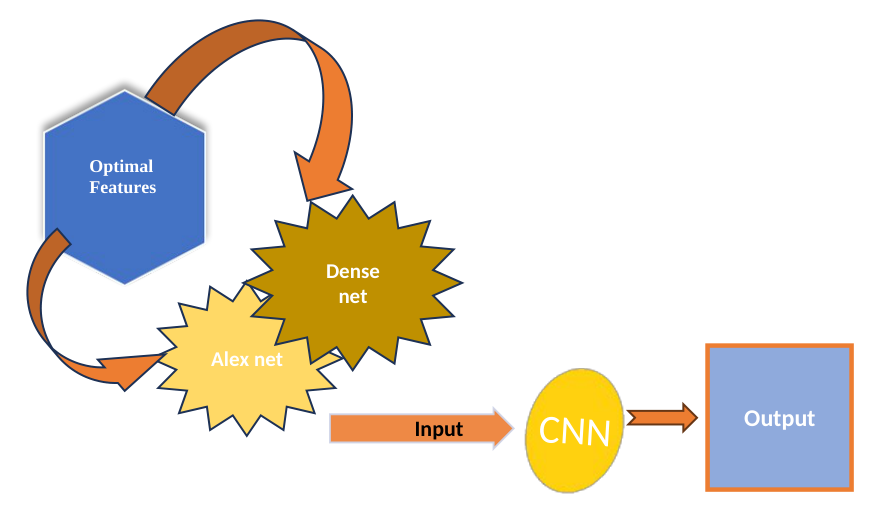
Fig. 5: Convolutional Neural Networks (CNNs) for feature extraction in the context of ceramic tile crack detection.
4. Results and discussion
The present study employed experimental methods to investigate the utilisation of Gabor Filters and CLAHE in the pre-processing stage. By employing a rigorous process of feature extraction and selection, our suggested methodology exhibits a higher level of performance in comparison to known techniques, hence highlighting its capacity for precise and dependable identification of defects in ceramic tiles. The findings confirm the effectiveness and potential of our methodology in improving the evaluation of quality in ceramic tile manufacturing.
4.1 Experimental setup
The implementation of the proposed model for detecting cracks in ceramic tiles is conducted using MATLAB. The validation process utilises the Kaggle dataset consisting of images specifically related to ceramic tile cracks. The experimental technique follows a stringent structure, in which 75% of the dataset is assigned for training purposes, while the remaining 25% is allotted for testing. During the pre-processing phase, Gabor Filters and CLAHE are employed to enhance the textural characteristics and contrast of ceramic tile photographs. The effectiveness of Gabor filters in detecting defects, such as cracks with varying orientations, in ceramic tiles has been well-documented. The process of fine-tuning kernel parameters enables the prioritisation of specific traits, thereby improving the accuracy of problem identification. CLAHE in image interpolation serves to enhance the detection of flaws by amplifying their distinctive attributes, thereby facilitating the subsequent processes of image segmentation and feature extraction. This preprocessing technique guarantees that the resulting images are optimised for thorough analysis and classification.
This research utilised the essential attributes of texture description features, which play a pivotal role in the visual analysis of cracks and pinholes in ceramic materials. Moreover, GLCM and LBP techniques are implemented to facilitate the detection and analysis of patterns in the variations of intensity and spatial distribution of pixels. Colour features are examined in this research through methodologies such as Histogram Intersection (HI), Colour Histogram, and the Bag-of-Visual-Words Model to capture unique colour characteristics and patterns linked to faults, thereby enabling accurate identification and classification.
The process of selecting the most suitable features is crucial to improving the accuracy and efficiency of detection algorithms. For efficient feature selection, Coati Optimisation Algorithm (COA), is employed to utilise the hunting and evasion tactics observed in coatis to optimise feature subsets. The implementation of this optimisation procedure aims to enhance the precision and effectiveness of ceramic tile crack detecting systems..
The potential of the DenseNet architecture in ceramic crack identification is investigated by utilising densely linked blocks with skip connections to enhance the effectiveness of feature extraction. The objective of this approach is to enhance the accuracy of ceramic tile crack detection by improving feature extraction. Moreover, the utilisation of Convolutional Neural Networks (CNNs), DenseNets, and AlexNet, which are renowned architectures in the field of deep learning, are employed for crack detection. These models are trained and tested using the features that were selected during the feature selection process. The evaluation and comparison of these models are conducted to ascertain the most efficacious methodology for detecting cracks in ceramic tiles.
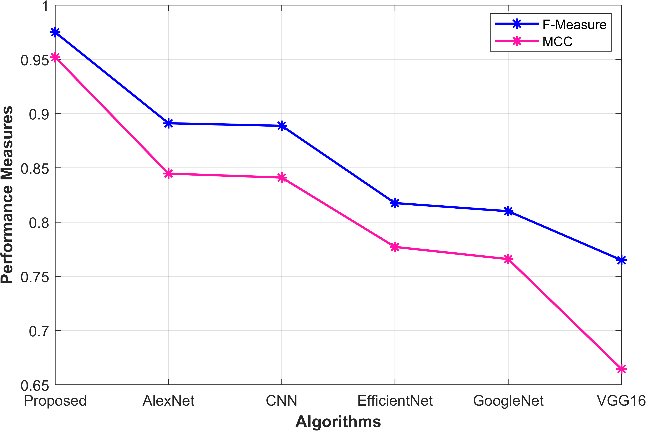
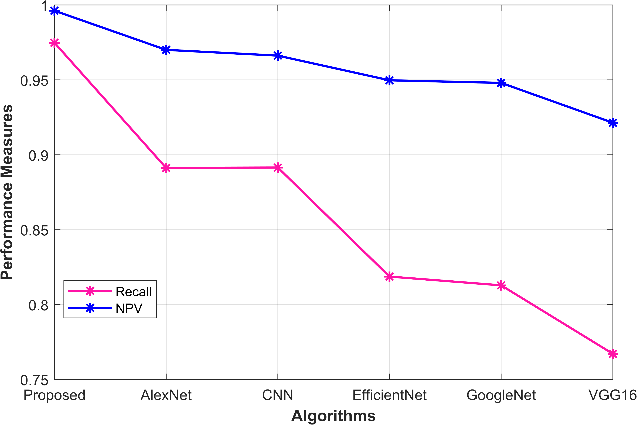
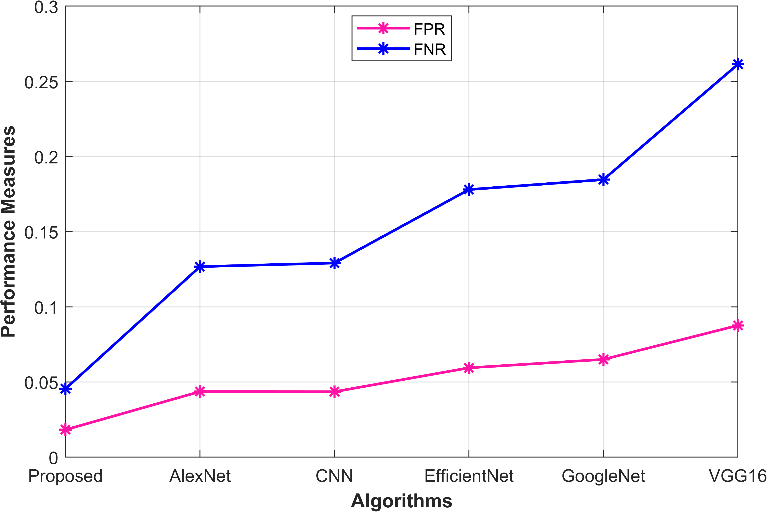
To evaluate the effectiveness of the suggested methodology, a range of performance metrics are employed. These metrics include specificity, accuracy, sensitivity, False Positive Rate (FPR), False Negative Rate (FNR), Negative Predictive Value (NPV), Matthews Correlation Coefficient (MCC), Recall, f-measure, and precision. In the context of comparative analysis, the proposed method is evaluated alongside well-established techniques including Alex Net, CNN, Efficient Net, Google Net, and VGG16.
4.1.1 Comprehensive Evaluation of the Current and Proposed Model
| Methods | Sen | Spec | Accuracy | Precision | Recall | FMeasure | NPV | FPR | FR | MCC |
|---|---|---|---|---|---|---|---|---|---|---|
| Proposed | 0.975495 | 0.997804 | 0.987694 | 0.975726 | 0.974838 | 0.974977 | 0.996246 | 0.018241 | 0.045493 | 0.95204 |
| AlexNet | 0.887807 | 0.968877 | 0.947518 | 0.891201 | 0.891253 | 0.891131 | 0.970094 | 0.043621 | 0.126731 | 0.844722 |
| CNN | 0.887294 | 0.966339 | 0.947554 | 0.88815 | 0.89153 | 0.888786 | 0.966251 | 0.043538 | 0.129141 | 0.841077 |
| EfficientNet | 0.818424 | 0.949592 | 0.92351 | 0.818633 | 0.81872 | 0.817541 | 0.949782 | 0.059423 | 0.177988 | 0.777131 |
| GoogleNet | 0.808905 | 0.949359 | 0.915804 | 0.813007 | 0.812872 | 0.810067 | 0.948054 | 0.065031 | 0.184607 | 0.765897 |
| VGG16 | 0.767238 | 0.924057 | 0.882198 | 0.766901 | 0.76717 | 0.764958 | 0.921433 | 0.08764 | 0.2613 | 0.664618 |
Table 2 Overall Performance Analysis
Table 2 includes the proposed approach, based on key performance to exhibit exceptional performance in various parameters, hence highlighting its potential for precise and dependable identification of cracks in ceramic tiles when compared to established methodologies.
The proposed methodology had a notable recognition, demonstrating excellent outcomes in all areas. The ceramic tile crack identification system had a high level of effectiveness, as evidenced by its sensitivity of 97.55%, specificity of 99.78%, accuracy of 98.77%, and a Matthews Correlation Coefficient (MCC) of 95.20%. The strong performance exhibited by the model under consideration serves as evidence of its capacity for accurate detection, instilling a significant level of assurance in its applicability to real-world scenarios about the evaluation of ceramic tile quality.
Both AlexNet and CNN showed significant performance among the other models, therefore confirming their efficacy as dependable choices for this particular objective. The performance evaluation of AlexNet demonstrated a sensitivity of 88.78%, a specificity of 96.89%, and an accuracy of 94.75%. These results highlight the effectiveness of AlexNet in accurately identifying flaws in ceramic tiles. In a similar vein, CNN exhibited a sensitivity rate of 88.73%, a specificity rate of 96.63%, and an accuracy rate of 94.76%, highlighting its efficacy within this particular field.
The suggested technique attained a high level of accuracy and dependability in identifying flaws in ceramic tiles. Consequently, it emerges as a feasible alternative for practical implementation in quality control and assurance within ceramic tile crack detection.
4.1.2 Graphical representation of the performance metrics
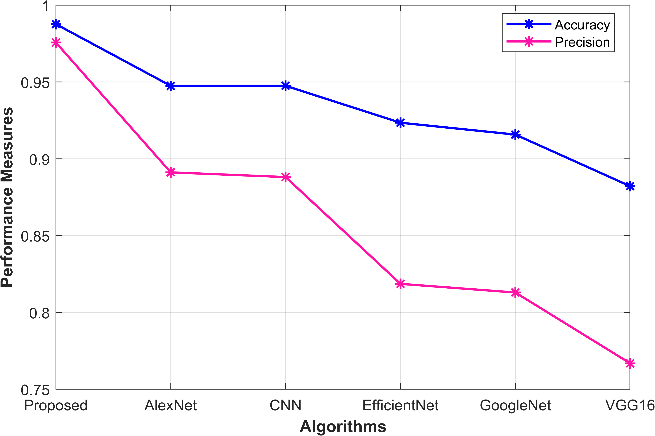
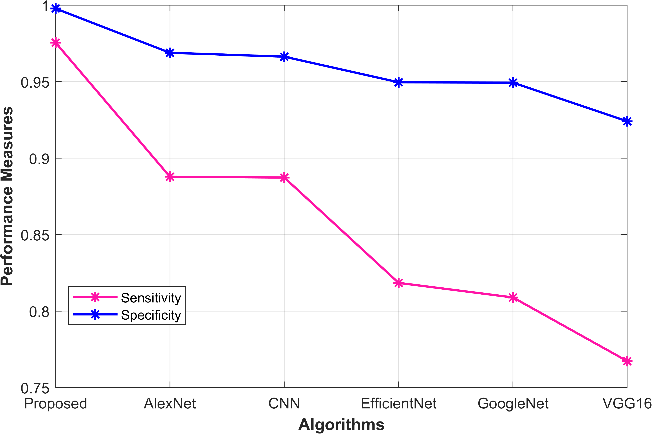
(q) (r)
(s) (t)
(u)
Figure 6 Overall Graphical Representation (q) Accuracy and Precision (r) Sensitivity and Specificity (s) F-Measure and MCC (t) Recall and NPV (u) FPR and FNR.
Figure 6 presents a comprehensive graphical representation of performance metrics pertaining to the identification of fractures in ceramic tiles. Panel (q) depicts the correlation between Accuracy and Precision, demonstrating the proposed model’s capacity to accurately categorize with other methods. Panel (r) demonstrates the concepts of Sensitivity and Specificity, highlighting the inherent choices of the model. The panel(s) present the F-Measure and Matthews Correlation Coefficient (MCC), providing valuable insights into the overall efficacy of the model. The panel illustrates the visualisation of Recall and Negative Predictive Value (NPV), which are crucial metrics for assessing the capacity to accurately detect all true positives. The panel illustrates the relationship between the FPR and FNR, which is crucial for comprehending incorrect classifications. The graphical representations presented above provide a comprehensive perspective on the efficacy of the Proposed model in detecting cracks in ceramic tiles, hence facilitating a thorough examination and understanding of the obtained outcomes.
Conclusion
This research introduced a rigorous methodology for accurately identifying cracks in ceramic tiles within the context of automated quality evaluation. To facilitate comprehensive analysis, the ceramic tile crack images underwent pre-processing, involving the utilization of Gabor Filters and CLAHE. This pre-processing stage effectively enhanced both texture and contrast, preparing the images for further examination. The U-Net model was enhanced by integrating Attention Gates into its architecture. The segmentation efficiency was further increased by optimizing the model using the Coati Optimization Algorithm. The process of feature extraction successfully acquired essential information from the segmented images. This encompassed many texture characteristics, such as LBP and GLCM, as well as color features like Histogram Intersection and Color Histogram. The self-adaptive feature selection technique, which drew inspiration from the behaviors of coatis, effectively decreased the dimensionality of the feature space while preserving crucial characteristics for crack detection. Various deep learning models, including Alex Net, Dense Nets, and CNNs, were utilized in the context of crack detection and subjected to a comparative assessment alongside known methodologies. The technique that was proposed showed exceptional performance, hence emphasizing its potential for accurate and dependable identification of cracks in ceramic tiles.
The methodology provided in this study showed remarkable accuracy, thereby establishing a trustworthy means of assessing the quality of ceramic tiles. This research successfully addressed the existing gap in the literature by providing an efficient and automated approach to detecting cracks. This study explored the utilization of Gabor Filters and CLAHE to boost texture features and contrast to achieve efficient pre-processing strategies for optimizing images for comprehensive analysis. Moreover, the incorporation of the Coati Optimization Algorithm for feature selection effectively identified pertinent features, hence improving the efficiency and accuracy of the model. The adaptability and efficacy of the models, which incorporated deep learning architectures like Alex Net and Dense Nets, were demonstrated in the context of crack detection. Nevertheless, it is important to acknowledge the presence of certain limits. The computational intensity, particularly in the case of models such as Dense Nets, might have provided resource-related difficulties. The efficacy of the methodology was significantly dependent upon the accessibility of the training data, hence constraining its use in scenarios characterized by insufficient or substandard data. The intricate nature of the architecture might have posed challenges in terms of understanding and implementing it, especially for individuals without technical expertise. In addition, the need for meticulous adjustment of hyperparameters was underscored, as incorrect selections had the potential to impact the overall performance.
References
[1] D. Avnir, “Organic Chemistry within Ceramic Matrices: Doped Sol-Gel Materials,” 1995.
[2] M. Younas, Q. Nawaz, I. Hamid, S. M. Mustuzhar Gilani, and M. J. Iqbal, “A novel approach of ceramic tile crack detection using morphological operations,” Mehran University Research Journal of Engineering and Technology, vol. 41, no. 2, pp. 146–154, Apr. 2022, doi: 10.22581/muet1982.2202.14.
[3] F. Fang, L. Li, Y. Gu, H. Zhu, and J. H. Lim, “A novel hybrid approach for crack detection,” Pattern Recognit, vol. 107, Nov. 2020, doi: 10.1016/j.patcog.2020.107474.
[4] A. Sioma, “Automated control of surface defects on ceramic tiles using 3D image analysis,” Materials, vol. 13, no. 5, Mar. 2020, doi: 10.3390/ma13051250.
[5] H. S. Nogay, T. C. Akinci, and M. Yilmaz, “Detection of invisible cracks in ceramic materials using by pre-trained deep convolutional neural network,” Neural Comput Appl, vol. 34, no. 2, pp. 1423–1432, Jan. 2022, doi: 10.1007/s00521-021-06652-w.
[6] K. B. Kim, D. H. Song, and W. J. Lee, “Flaw detection in ceramics using sigma fuzzy binarization and gaussian filtering method,” International Journal of Multimedia and Ubiquitous Engineering, vol. 9, no. 1, pp. 403–414, 2014, doi: 10.14257/ijmue.2014.9.1.37.
[7] L.-S. Chang and ” &tung-Han Chuang, “Ultrasonic Testing of Artificial Defects in Alumina Ceramic,” 1997.
[8] M. Suzuki, K. Ogawa, and T. Shoji, “Quantitative NDE of surface cracks in ceramic materials by means of a high-frequency electromagnetic wave,” Mater Trans, vol. 47, no. 6, pp. 1605–1610, Jun. 2006, doi: 10.2320/matertrans.47.1605.
[9] R. Kondo, S. Yamakawa, Y. Masuoka, S. Tajima, and R. Asahi, “Microstructure recognition using convolutional neural networks for prediction of ionic conductivity in ceramics,” Acta Mater, vol. 141, pp. 29–38, Dec. 2017, doi: 10.1016/j.actamat.2017.09.004.
[10] G. Bianco, T. Paul, A. Nisar, A. Hamrani, B. Boesl, and A. Agarwal, “Nanoindentation mapping defects filtration for heterogeneous materials using generative adversarial networks,” Mater Charact, vol. 191, p. 112107, Sep. 2022, doi: 10.1016/J.MATCHAR.2022.112107.
[11] X. Jia, X. Yang, and H. Gao, “A Modified CenterNet for Crack Detection of Sanitary Ceramics.”
[12] H. S. Nogay, T. C. Akinci, and M. Yilmaz, “Detection of invisible cracks in ceramic materials using by pre-trained deep convolutional neural network,” Neural Comput Appl, vol. 34, no. 2, pp. 1423–1432, Jan. 2022, doi: 10.1007/s00521-021-06652-w.
[13] A. Suwardi et al., “Machine Learning-Driven Biomaterials Evolution,” Advanced Materials, vol. 34, no. 1. John Wiley and Sons Inc, Jan. 01, 2022. doi: 10.1002/adma.202102703.
[14] K. Kaufmann et al., “Discovery of high-entropy ceramics via machine learning,” NPJ Comput Mater, vol. 6, no. 1, Dec. 2020, doi: 10.1038/s41524-020-0317-6.
[15] C. Wunderlich, C. Tschöpe, and F. Duckhorn, “Advanced methods in NDE using machine learning approaches,” in AIP Conference Proceedings, American Institute of Physics Inc., Apr. 2018. doi: 10.1063/1.5031519.
[16] Y. Tang, D. Zhang, R. Liu, and D. Li, “Designing high-entropy ceramics via incorporation of the bond-mechanical behavior correlation with the machine-learning methodology,” Cell Rep Phys Sci, vol. 2, no. 11, Nov. 2021, doi: 10.1016/j.xcrp.2021.100640.
[17] G. S. Junior, J. Ferreira, C. Millán-Arias, R. Daniel, A. C. Junior, and B. J. T. Fernandes, “Ceramic cracks segmentation with deep learning,” Applied Sciences (Switzerland), vol. 11, no. 13, Jul. 2021, doi: 10.3390/app11136017.
[18] V. F. Correia, J. S. Moita, F. Moleiro, and C. M. M. Soares, “Optimization of metal–ceramic functionally graded plates using the simulated annealing algorithm,” Applied Sciences (Switzerland), vol. 11, no. 2, pp. 1–13, Jan. 2021, doi: 10.3390/app11020729.
[19] G. S. Junior, J. Ferreira, C. Millán-Arias, R. Daniel, A. C. Junior, and B. J. T. Fernandes, “Ceramic cracks segmentation with deep learning,” Applied Sciences (Switzerland), vol. 11, no. 13, Jul. 2021, doi: 10.3390/app11136017.
[20] G. Li, B. Ma, S. He, X. Ren, and Q. Liu, “Automatic tunnel crack detection based on u-net and a convolutional neural network with alternately updated clique,” Sensors (Switzerland), vol. 20, no. 3, Feb. 2020, doi: 10.3390/s20030717.
[21] Z. Liu, Y. Cao, Y. Wang, and W. Wang, “Computer vision-based concrete crack detection using U-net fully convolutional networks,” Autom Constr, vol. 104, pp. 129–139, Aug. 2019, doi: 10.1016/j.autcon.2019.04.005.
[22] A. Mohan and S. Poobal, “Crack detection using image processing: A critical review and analysis,” Alexandria Engineering Journal, vol. 57, no. 2, pp. 787–798, Jun. 2018, doi: 10.1016/j.aej.2017.01.020.
[23] H. Zhang, L. Peng, S. Yu, and W. Qu, “Detection of Surface Defects in Ceramic Tiles with Complex Texture,” IEEE Access, vol. 9, pp. 92788–92797, 2021, doi: 10.1109/ACCESS.2021.3093090.
[24] C. Wunderlich, C. Tschöpe, and F. Duckhorn, “Advanced methods in NDE using machine learning approaches,” in AIP Conference Proceedings, American Institute of Physics Inc., Apr. 2018. doi: 10.1063/1.5031519.
[25] IEEE Industrial Electronics Society., IEEE Robotics and Automation Society., American Society of Mechanical Engineers., and Institute of Electrical and Electronics Engineers, AIM 2018 : IEEE/ASME International Conference on Advanced Intelligent Mechatronics : 9-12 July 2018, Auckland, New Zealand.
[26] M. F. Ohemu, A. T. Salawudeen, N. Ezefosie, S. A. Tijani, and Z. Z. Ohunene, “DEVELOPMENT OF AUTOMATED CERAMIC TILES SURFACE DEFECT DETECTION AND CLASSIFICATION SYSTEM Effective Automated Controlled System for Sorting of Classified Ceramic Tiles Surface Defects View project Artificial Fish Swarm Algorithm View project NOVATEUR PUBLICATIONS INTERNATIONAL JOURNAL OF INNOVATIONS IN ENGINEERING RESEARCH AND TECHNOLOGY [IJIERT] DEVELOPMENT OF AUTOMATED CERAMIC TILES SURFACE DEFECT DETECTION AND CLASSIFICATION SYSTEM,” Website: ijiert.org VOLUME, vol. 8, 2021, [Online]. Available: https://www.researchgate.net/publication/356912182
[27] Z. Wu et al., “Automatic Crack Detection and Analysis for Biological Cellular Materials in X-Ray In Situ Tomography Measurements,” Integr Mater Manuf Innov, vol. 8, no. 4, pp. 559–569, Dec. 2019, doi: 10.1007/s40192-019-00162-3.
[28] B. Kim and S. Cho, “Automated vision-based detection of cracks on concrete surfaces using a deep learning technique,” Sensors (Switzerland), vol. 18, no. 10, Oct. 2018, doi: 10.3390/s18103452.
Cite This Work
To export a reference to this article please select a referencing stye below:

Academic Master Education Team is a group of academic editors and subject specialists responsible for producing structured, research-backed essays across multiple disciplines. Each article is developed following Academic Master’s Editorial Policy and supported by credible academic references. The team ensures clarity, citation accuracy, and adherence to ethical academic writing standards
Content reviewed under Academic Master Editorial Policy.





