
 Air Pollution
agriculture public-private parternshipTextbook
Wheat Improvement
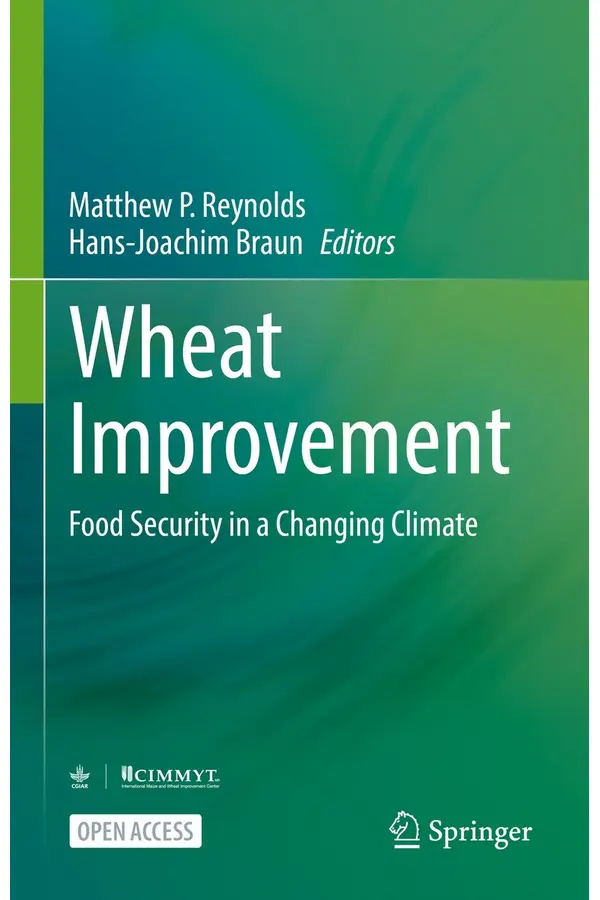
Not rated yetRate this bookWheat Improvement: Food Security in a Changing Climate connects practical breeding with crop science, genetic resources, and emerging technologies. Edited by Matthew P. Reynolds and Hans-Joachim Braun, its thirty-two chapters move from global context and germplasm delivery to novel traits, translational research, and advanced selection approaches.
Free reading is available at the official source. Opens in a new tab.
 Free
About this book
Wheat Improvement: Food Security in a Changing Climate connects practical breeding with crop science, genetic resources, and emerging technologies. Edited by Matthew P. Reynolds and Hans-Joachim Braun, its thirty-two chapters move from global context and germplasm delivery to novel traits, translational research, and advanced selection approaches.
How to study this book
Choose a target production environment and a breeding objective before comparing traits or tools. Keep a decision notebook linking the problem, genetic variation, measurement, selection, testing, and delivery. Distinguish promising experimental results from demonstrated gains in target environments, and consult the correction notices supplied with the text.
Chapter-wise explanations and study tasks
Chapter 1 — Wheat Improvement
The opening chapter frames wheat improvement around food security, environmental challenges, and the relationship between research and delivery. Identify the bottleneck a proposed innovation addresses. A useful trait must fit a breeding and production system, not merely perform well in isolation.
Study task: Map a food-security objective to a breeding problem, research need, testing requirement, and delivery pathway.
Chapter 2 — History of Wheat Breeding: A Personal View
The historical account places breeding decisions and gains within changing scientific and institutional conditions. Read the personal perspective alongside the evidence and examples offered. Avoid assuming that a successful past approach transfers unchanged to a different environment.
Study task: Create a timeline of three breeding developments and explain the constraints or opportunities each addressed.
Chapter 3 — Defining Target Wheat Breeding Environments
Target environments organize the conditions under which a variety is expected to perform. Environmental characterization helps interpret genotype-by-environment responses and trial relevance. A broad average may conceal distinct production challenges.
Study task: Define a target environment using climate, management, stress, and disease considerations and justify a trial-testing strategy.
Chapter 4 — Global Trends in Wheat Production, Consumption and Trade
Production, yield, consumption, and trade describe different dimensions of the wheat system. Compare units, regions, and periods before drawing a trend conclusion. Historical statistics frame the chapter's analysis rather than establish today's market conditions.
Study task: Interpret one source figure with its period, units, regional scope, and limits, then connect it to a breeding priority.
Chapter 5 — Breeding Methods: Line Development
Line development turns genetic variation into candidate material through planned breeding steps. Compare methods by biological requirements, time, resources, and the intended selection process. The development route should fit the overall breeding objective.
Study task: Diagram a candidate line-development pathway and justify its major decisions and resource assumptions.
Chapter 6 — Breeding Methods: Population Improvement and Selection Methods
Population improvement and selection influence both current performance and the variation available for future gains. Compare selection approaches against the trait and population context. Short-term intensity and long-term diversity can create competing demands.
Study task: Compare two selection strategies for a fictional population, explaining expected advantages, limitations, and diversity implications.
Chapter 7 — Achieving Genetic Gains in Practice
Practical gain depends on the interaction of breeding methods, testing, cycles, and deployment. Examine how a programme turns selection into measurable improvement under relevant conditions. An apparent improvement needs an appropriate comparator and evaluation design.
Study task: Build a gain-assessment plan with a comparator, target environments, measurements, and a distinction between selection response and realized delivery.
Chapter 8 — Wheat Rusts
Rust resistance requires attention to pathogen change, genetic control, and durability. Integrated approaches connect resistance breeding with surveillance and testing. Distinguish strong performance in a particular test from evidence that resistance will remain effective indefinitely.
Study task: Create a resistance-durability assessment listing evidence, environmental and pathogen scope, and monitoring needs.
Chapter 9 — Globally Important Non-rust Diseases of Wheat
Non-rust diseases pose varied challenges across production settings. Compare the source's examples by disease context, evaluation, and breeding implications rather than assuming one resistance strategy fits every pathogen. Prioritization depends on the target environment.
Study task: Prepare a three-disease comparison with importance in the selected environment, measurement needs, and improvement options.
Chapter 10 — Abiotic Stresses
Abiotic stress depends on timing, intensity, and interaction with crop development and management. A stress-tolerance label can conceal different mechanisms and trade-offs. Identify the conditions under which an apparent advantage was established.
Study task: Define a stress-testing scenario with developmental stage, exposure pattern, comparator, and traits needed to interpret performance.
Chapter 11 — Wheat Quality
Quality depends on the intended product and users, not yield alone. Genetic and environmental influences can affect processing and end-use characteristics. Keep the target market's requirements visible when comparing breeding material.
Study task: Write a quality target profile for one wheat product and explain how it constrains selection.
Chapter 12 — Nutritionally Enhanced Wheat for Food and Nutrition Security
Nutritional improvement connects grain composition with delivery and food use. A change in measured nutrient content is not by itself proof of improved nutritional outcomes in every setting. Examine the pathway from trait to food and user.
Study task: Map a nutritional trait through breeding, grain use, processing, and adoption, identifying evidence needed at each stage.
Chapter 13 — Experimental Design for Plant Improvement
Trial design supports fair comparison under biological and spatial variation. Replication, allocation, and analysis must match the question. A sophisticated analysis cannot fully compensate for a design that confounds treatments or lacks a suitable comparator.
Study task: Sketch a field-trial design and explain its randomization, replication, blocking or spatial considerations, and intended comparison.
Chapter 14 — Seed Systems to Support Rapid Adoption of Improved Varieties
A variety reaches users through seed multiplication, access, institutions, and farmer decisions. Breeding success and adoption are connected but different outcomes. Identify barriers that can prevent useful genetic improvement from reaching the target population.
Study task: Create a seed-delivery map with actors, quality checks, access barriers, and feedback from users.
Chapter 15 — Crop Management for Breeding Trials
Trial management affects how genetic differences are expressed and measured. Consistency, field conditions, and operational details influence comparability. Distinguish management intended to reveal a trait from management that accidentally biases the comparison.
Study task: Prepare a trial-management checklist covering establishment, consistency, records, and conditions that could compromise interpretation.
Chapter 16 — A Century of Cytogenetic and Genome Analysis
Chromosome and genome analysis connects wheat's genetic history with opportunities for improvement. Follow how evidence about genome relationships changes what can be understood or transferred. Distinguish an inferred relationship from a demonstrated useful breeding outcome.
Study task: Create a concept map linking chromosome evidence, genome relationships, and one improvement opportunity described in the chapter.
Chapter 17 — Conserving Wheat Genetic Resources
Conservation preserves material and information needed for future use. Representation, maintenance, documentation, and access all affect the usefulness of a collection. A stored accession without reliable identity or context has limited research value.
Study task: Design an accession-information checklist and explain how conservation choices affect future trait discovery.
Chapter 18 — Exploring Untapped Wheat Genetic Resources
Underused diversity may supply useful traits but requires characterization and evaluation. Compare a source of variation with elite material against explicit objectives and constraints. Novelty alone does not establish breeding value.
Study task: Prepare a diversity-exploration plan with target trait, source material, evaluation criteria, and transfer challenges.
Chapter 19 — Disease Resistance
The chapter develops resistance mechanisms and their use in crop improvement. Connect mechanism with the pathogen context and evidence of performance. Different genetic approaches may offer different strengths and durability considerations.
Study task: Compare two resistance mechanisms using evidence, specificity, deployment requirements, and potential limitations.
Chapter 20 — Insect Resistance
Insect resistance involves crop-pest relationships and evaluation under relevant conditions. Distinguish reduced damage, altered pest behaviour, and maintained yield. The text supplies a correction notice for this chapter that should accompany close study.
Study task: Create a pest-resistance evidence table and identify how the chapter's correction affects your notes.
Chapter 21 — Yield Potential
Yield potential is examined through physiological and genetic components and their interaction. Improvement in one component can be offset elsewhere, so assess the whole crop outcome. Keep the distinction between potential and performance under stress visible.
Study task: Draw a yield-component map and propose a trait combination, including possible compensating effects.
Chapter 22 — Heat and Climate Change Mitigation
Heat responses depend on developmental timing and the broader production environment. The chapter links physiological understanding with improvement under changing conditions. Separate a controlled heat response from evidence of future field performance.
Study task: Design a conceptual heat-evaluation plan with timing, comparator, physiological measures, yield outcomes, and generalization limits.
Chapter 23 — Drought
Drought adaptation involves water availability, crop development, and environmental timing. Compare ways of responding to water limitation rather than assuming that one trait produces tolerance everywhere. Selection needs a clearly defined drought scenario.
Study task: Compare two drought scenarios and explain why the preferred trait or testing approach might differ.
Chapter 24 — Micronutrient Toxicity and Deficiency
Micronutrient imbalance connects soil and environmental conditions with plant performance and genetic response. Deficiency and toxicity are different problems, even for the same element. Interpretation requires measuring the relevant conditions rather than assuming all poor growth has one cause.
Study task: Build a problem-definition sheet separating deficiency, toxicity, environmental measurements, and breeding evidence.
Chapter 25 — Pre-breeding Strategies
Pre-breeding connects useful variation with material suitable for breeding programmes. The process can require separating a desired trait from unfavourable linked characteristics and testing its expression in new backgrounds. Define the handoff between discovery and routine selection.
Study task: Outline a pre-breeding pathway with donor choice, trait evidence, background evaluation, and criteria for transfer to a breeding programme.
Chapter 26 — Translational Research Networks
Research networks connect discovery, validation, and delivery across institutions and environments. Effective coordination needs shared objectives, comparable evidence, and clear transfer of materials or knowledge. Evaluate the network by how it resolves bottlenecks rather than its size alone.
Study task: Design a collaboration map with roles, evidence standards, handoffs, feedback, and a measurable translational objective.
Chapter 27 — High Throughput Field Phenotyping
Field phenotyping links sensors and repeated measurements with traits and selection decisions. A large volume of data is useful only when the measurement relates reliably to the intended biological feature. Calibration and environmental context affect interpretation.
Study task: Propose a phenotyping measurement with a biological target, reference check, sampling plan, and validation criteria.
Chapter 28 — Sequence-Based Marker Assisted Selection in Wheat
Markers support selection when their relationship with the target trait is sufficiently understood and useful in the relevant material. Compare evidence for association with evidence of reliable prediction across backgrounds. Integrate markers with phenotypic evaluation rather than assume they remove its need.
Study task: Create a marker-use decision table covering trait evidence, population relevance, validation, costs, and complementary phenotyping.
Chapter 29 — CRISPR-Cas-Based Genome Editing for Precision Breeding in Wheat
Genome editing is discussed as a tool within wheat improvement. Separate a targeted molecular change from proof of the desired field trait or agronomic value. Polyploid and breeding contexts make validation and deployment important beyond the initial edit.
Study task: Write a conceptual evidence pathway from a proposed gene-function hypothesis to trait validation and field evaluation, without constructing a laboratory protocol.
Chapter 30 — Accelerating Breeding Cycles
Shorter cycles can alter the rate of improvement, but speed must be considered with selection accuracy, resources, and testing. Examine where time is saved and what information could be lost. The fastest cycle is not automatically the strongest overall programme.
Study task: Compare two fictional breeding schedules with cycle duration, information quality, resources, and expected testing requirements.
Chapter 31 — Crop Models for Production and Breeding Strategies
Crop models connect environment, management, and traits through explicit assumptions. Calibration and evaluation determine whether a model is useful for a particular comparison. A scenario output should not be treated as a verified prediction without examining those limits.
Study task: Design a model-use plan with question, inputs, calibration evidence, independent evaluation, and uncertainty analysis.
Chapter 32 — Phenotypic and Genomic Selection Indices
Selection indices combine information and objectives to support decisions across traits. Weights and correlations influence rankings and can encode important trade-offs. Compare phenotypic and genomic information according to the decision and evidence available.
Study task: Build a simple conceptual multi-trait index, explain each weight, and test how changing one priority alters the ranking.
Applied assignment
Create an improvement proposal for a defined target environment. Include a product profile, trait priorities, genetic-resource strategy, trial design, phenotyping plan, selection approach, seed-delivery pathway, and evaluation of uncertainty and trade-offs.
Suggested reading plan
Read Chapters 1–4 for context, 5–15 for practical breeding and delivery, 16–26 for novel traits and translation, and 27–32 for emerging technologies. Review the correction notices for Chapters 13 and 20 before finalizing notes.
Questions for reflection
- Does the evidence come from the target environment?
- What trade-off could offset the selected trait's benefit?
- How will improved material reach and serve users?
Edition and source notes
Based on the 2022 Springer volume edited by Matthew P. Reynolds and Hans-Joachim Braun, Food Security in a Changing Climate. The guide covers all thirty-two chapters and notes the supplied corrections to Insect Resistance and Experimental Design for Plant Improvement. Production statistics, research status, and technologies reflect the edition; tasks emphasize evidence and breeding decisions rather than stand-alone laboratory instructions.
About access & copyright
This page provides book information and study material. Full-text access is provided by the original publisher or authorised source; a listing does not grant permission to republish the book.
Read our Library Access & Copyright policyExplore the contents
Check the chapters covered in this edition.
Visit the official source
See reading, preview or purchase options.
Save for later
Keep this textbook in your saved collection.
Reader ratings & reviews
Share your thoughts
Your review helps other students choose the right resources.
KEEP LEARNING
Your next great read
Air Pollution Complaints; Family medicine; General practice; Symptoms; Primary care; Prognosis; Diseases; Practice
Morbidity in primary care
View Morbidity in primary care — book 4DVar
Data Assimilation Fundamentals
View Data Assimilation Fundamentals — book bioinformatics
Systems Biology
View Systems Biology — book Capital Budgeting
Corporate Finance for Long-Term Value
View Corporate Finance for Long-Term Value — book Basic models of the enterprise
Management in a Dynamic Environment
View Management in a Dynamic Environment — book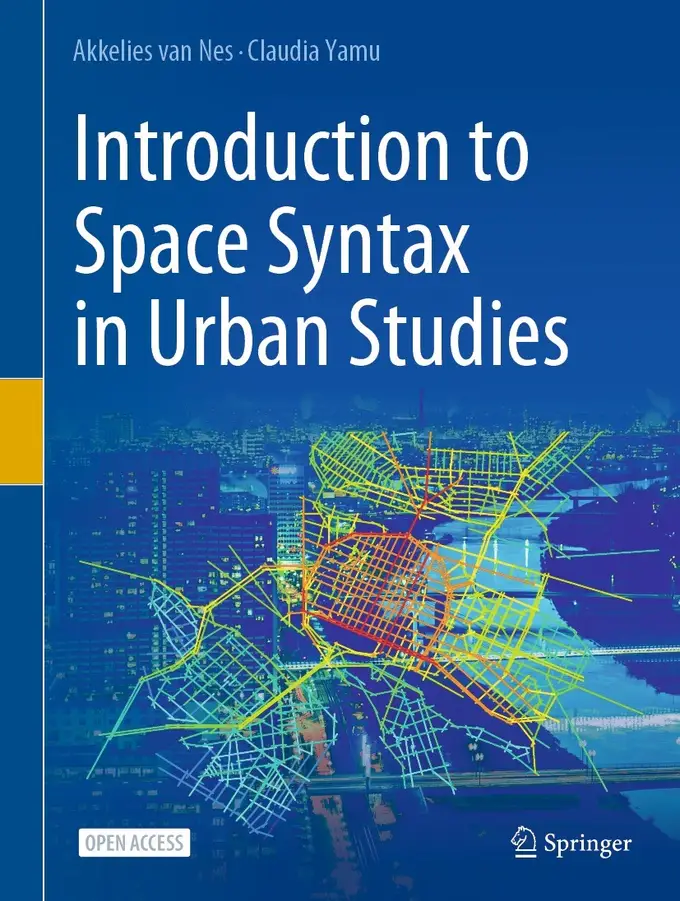 Built Environment
Introduction to Space Syntax in Urban Studies
View Introduction to Space Syntax in Urban Studies — book college
Prose Fiction: An Introduction to the Semiotics of Narrative
View Prose Fiction: An Introduction to the Semiotics of Narrative — book Cultural Rights
Non-Territorial Autonomy
View Non-Territorial Autonomy — book Business enterprises—Finance



