
Abstract
This literature review explores the crucial topic of carbonation resistance in concrete buildings in the context of sustainable building practices and the need to lower carbon dioxide emissions. Over time, concrete undergoes a natural aging process called carbonation, which reduces the structural integrity of the material. In order to forecast the depth of carbonation in concrete, a variety of analytical techniques have been created and used. This study presents a thorough and current evaluation of the best techniques for assessing carbonation resistance, contributing to the creation of long-lasting and sustainable infrastructure by combining information from a variety of sources. The impact of carbonation on carbon dioxide emissions in the construction industry is a major concern, so this review also looks at how these phenomena are connected and how increasing carbonation resistance can help cut down on greenhouse gas emissions. Researchers, engineers, and politicians may use the knowledge gained from this assessment to help them make educated decisions about the creation and maintenance of concrete, thereby supporting environmentally friendly building practices and furthering the global sustainability agenda.
Key words: Analytical techniques, Carbonation resistance, Greenhouse gas emissions, Concrete
Introduction
Since 1950, the amount of carbon dioxide (CO2) emitted into the atmosphere has increased significantly, undoubtedly exacerbating the issue of carbonated concrete structures [1]. One of the most typical problems affecting the durability of concrete is carbonation [2]. It is explained as a chemical process in which calcium carbonate is mostly produced and CO2 penetrates concrete through microdefects. The mechanical qualities of the structures deteriorate as a result, causing reinforcing steel to corrode [3]. Therefore, the carbonation process needs to be defined and forecasted in order to avoid such a serious safety risk.
The moisture diffusion model and the reaction-diffusion theory have both been used to examine the carbonation of cementitious materials, leading to the development of several theoretical models of carbonation [4]. These models were built around the principles of the laws of mass conservation and diffusion established by Fick. The theoretical model had a wider range of applicability than the empirical or semi-empirical model since it employed parameters with clear physical meaning [5]. In-depth descriptions of the carbonation process, many durability-coupling difficulties, and the composition of the cementitious material service environment have been the focus of the majority of research on carbonation models so far [6]. Even though mechanical stresses are present in the majority of concrete structures, the effects of stress damage on concrete carbonation models have not received adequate attention in the literature. There have been several investigations by researchers who are aware of it. Demonstrated that it is important to take into account how stress and environmental pressures interact.
The study’s primary contributions include
Determination of cement substitutes that can be utilized in building
An examination of the merits and downsides of various curing processes used in the construction industry
Examining the impact of water-to-cement ratio on carbonation resistance.
Research into how temperature, pressure, CO2 concentration, and relative humidity (RH) affect carbonation resistance
Need for study
Environmentally friendly building techniques are becoming more and more necessary as a result of the construction industry’s significant impact on world resource utilization and greenhouse gas emissions. Cement, a crucial component of concrete, has a significant influence on the world as a whole. The depletion of the natural resources required to produce cement is a growing and pressing problem, contributing 7-8% of the CO2 emissions in the globe.
Investigating several eco-friendly cement replacements and evaluating how well they withstand carbonation are the goals of this review. The focus of the study is focused on the methods employed to evaluate the inclusion of substitute materials in the manufacturing of concrete. In this review, a variety of substitutes for cement are discussed, and their carbonation resistance is assessed under various conditions including “RH, CO2 conc., temperature, and pressure.” The study evaluates how different cement to water ratios and curing methods affect the resistance to carbn of substitute materials. Important information will be provided by the study’s findings about the appropriateness of various sustainable materials as cement alternatives in the production of concrete.
Carbonation Mechanism
When carbon dioxide (CO2) penetrates concrete’s porous structure, the environment’s pH is lowered and the steel reinforcement’s passivation layer is compromised, potentially causing corrosion. This is referred to as carbonation. In a 2015 study by Cui et al. [7], accelerated carbonation testing on various concrete grades revealed that at low CO2 concentrations (2-20%), there was a substantial increase in carbonation depth, while at high concentrations (50-100%), the increase was minimal, attributed to microstructure modifications that densify the concrete’s top layer, slowing CO2 diffusion. In 2014, Morandeau et al. [8] investigated the kinetics, microstructure changes, and water release during carbonation of cement-based materials, using both destructive and non-destructive techniques to evaluate carbonation profiles in cement pastes and mortar specimens exposed to CO2 over varying periods.
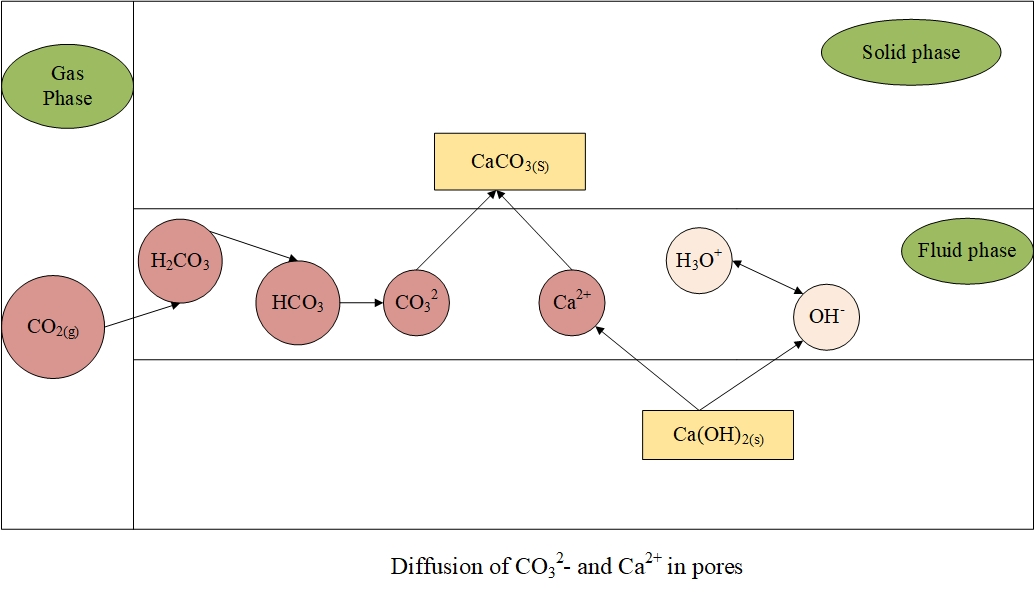
Figure 1: Carbonation Mechanism Scientific layout
Table 1: Mechanism of Carbonation
Author | Testing method | Analysis simulation | Equation | Result |
Cui et al. [7] | Mercury Intrusion Porosimeter | SEM | = Concentration of carbonation (1) | Concrete carbonation depths at levels of 50 and 100 CO2 were essentially the same. |
Morandeau et al. [8] | Gamma-Ray Attenuation Method, Thermogravimetric analysis | – | +H (2) | A microstructure of highly dense networks was evident at high CO2 concentrations. |
Sheng Ji et al. [9] | pH indicators, Chemical composition | SEM | (3) | An examination of the cross sections of concrete revealed that carbonated concrete is divisible. |
Zhu et al. [10] | Reinforcement corrosion | Kolmogorov-Smirnov test | (4) | The probabilistic evaluation of reinforcement corrosion caused by chloride intrusion and carbonation in concrete. |
Shui et al. [11] | Fourier Transform Infrared Spectroscopy, Differential Scanning Calorimetry | TEM, | (5) | Concrete’s carbonation resistance can be improved by using C-LDHs and R-LDHs. |
In 2014, Sheng Ji et al. [9] categorized carbonated concrete into four zones, including fully carbonated, partially carbonated with varying pH values, partially carbonated with consistent pH values, and not carbonated at all. They defined the production of partially carbonated and fully carbonated zones while outlining the three stages of concrete carbonization. In 2016, Zhu et al. [10] introduced a probabilistic model that considered the combined effects of chloride intrusion and carbonation in reinforced concrete structures, impacting the corrosion of steel reinforcement. Their model integrated heat, moisture, chloride ions, and carbon dioxide transport, with corrosion initiation criteria based on pH reduction or free chloride ion concentration. Finally, in 2018, Shui et al. [11] proposed a concrete with enhanced carbonation resistance by utilizing materials resembling modified Layered Double Hydroxides (LDHs). They evaluated and performed structural analysis on various Mg-Al-LDH compositions, showing that structural changes occur above 252.8°C. This LDHs’ effects on concrete were compared and evaluated for carbonation resistance.
Table 2: Analytical approaches in the existing review
Author & Citation | Aim | Methodology | Analytical Approaches | Draw back |
Cui et al. [7] 2015 | Study the effect of CO2 concentration on carbonation in concrete | Carbonation testing at various CO2 concentrations | Scanning Electron Microscopy (SEM) to analyse CO2 diffusion in concrete | investigating the connection between CO2 concentration and carbonation depth |
Morandeau et al. [8] 2014 | Investigate carbonation kinetics, microstructure changes, and water release in cement-based materials | Accelerated carbonation experiments under specific conditions | Phenolphthalein spray testing, thermogravimetric analysis, mercury intrusion porosimetry | Understanding carbonation profiles and effects on cement pastes and mortar specimens |
Sheng Ji et al. [9] 2014 | Propose a classification of concrete carbonation zones and stages of development | Theoretical framework for dividing carbonated concrete into zones and stages | The development of concrete carbonation in three stages | Classifying concrete into fully carbonated, partially carbonated, and not carbonated zones |
Zhu et al. [10] 2016 | Develop a probabilistic model for chloride intrusion and carbonation in reinforced concrete | Probabilistic model considering multiple transport processes | Identifying conditions for the onset of corrosion | Studying the combined effects of chloride intrusion and carbonation leading to steel reinforcement corrosion |
Shui et al. [11] 2018 | Design a concrete with increased carbonation resistance using modified Layered Double Hydroxides (LDHs) | Production and evaluation of various Mg-Al-LDHs with different compositions | Evaluating the structural alteration of LDHs and the impact on carbonation resistance | Enhancing carbonation resistance in concrete by using modified LDHs |
Carbonation : A Nonlinear Phenomenon
In 2019, Felipe Felix et al. [12] proposed an ANN model to simulate the diffusion of carbon dioxide (CO2) through concrete, estimating the level of carbonation over time and evaluating the impact of different training techniques and network architectures. A total of 120 networks were trained with various characteristics to assure the model’s efficacy, and it was constructed utilizing a reliable experimental test database that included 278 results for non-accelerated tests of concrete carbonation depth. Despite the complex and nonlinear nature of concrete carbonation, the suggested ANN model demonstrated its ability to provide reliable predictions. In a separate study in 2016, Eiras et al. [13] investigated the carbonation process in cement-based materials by analyzing linear and nonlinear dynamic vibration responses. They conducted accelerated carbonation tests on mortar samples, monitoring the carbonation development using data from standard resonant frequency tests, providing insights into the material’s carbonation progression.
Effect of carbonation depth in relative humidity
Researchers have examined the factors influencing carbonation depth in concrete. Gruyaert et al. (2012) conducted experiments on concrete examples with different curing times and slag content, proposing a novel approach considering continuous hydration effects. They found that despite poorer carbonation resistance in blast-furnace slag (BFS) concrete compared to ordinary Portland cement (OPC) concrete, the carbonation depth at the concrete’s 50-year lifespan was generally acceptable.
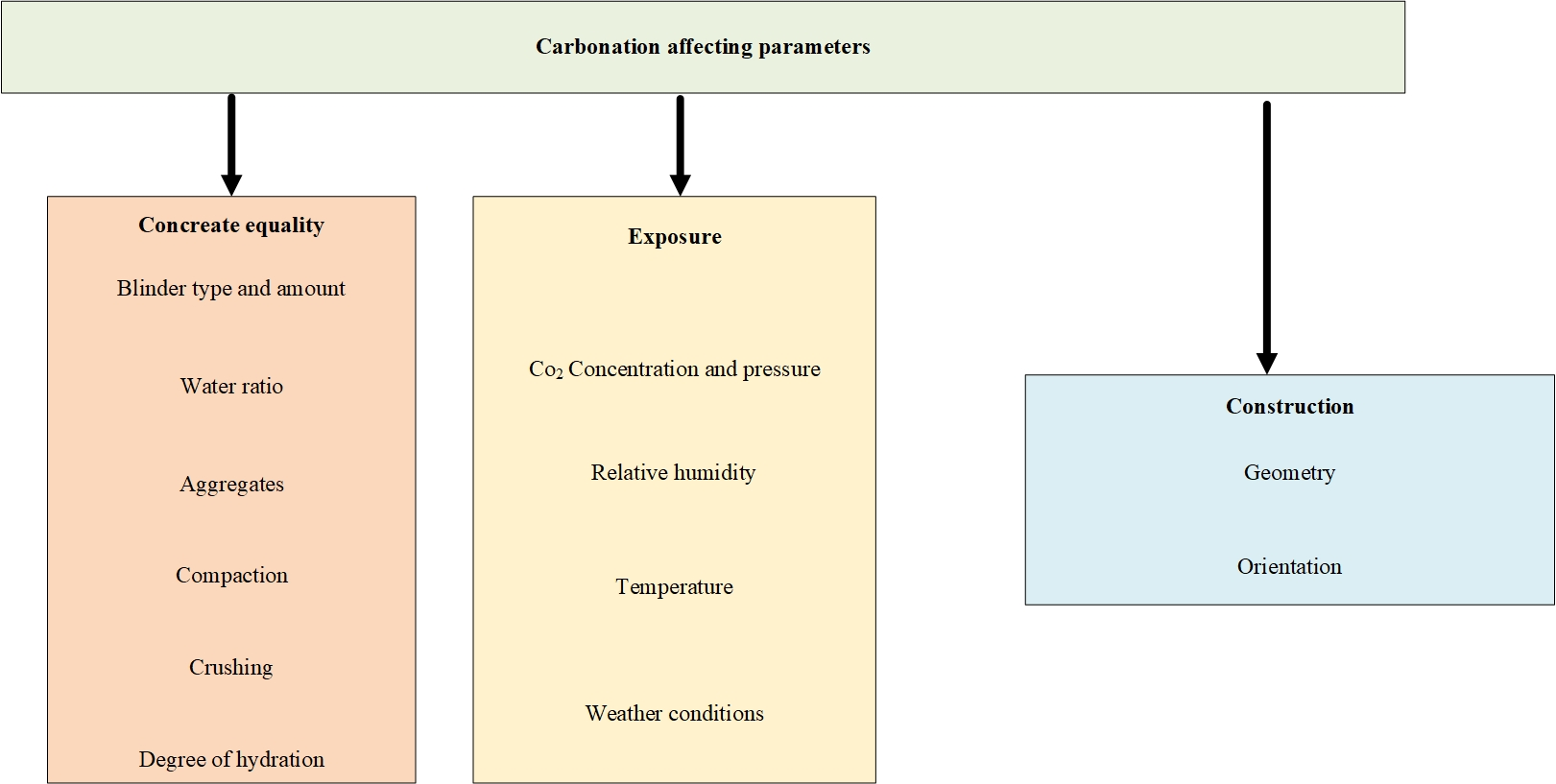
Figure 2: Carbonation depth parameters
Chen et al. (2018) investigated the impact of temperature, CO2 concentration, and relative humidity on carbonation depth and compressive strength of concrete, revealing substantial connections. Liu et al. (2020) developed a unique prediction model for carbonation depth, considering material composition and environmental parameters, using dimensionless processing to estimate component contents and pH value.
Table 3: Analysis in relative humidity
Author | Testing method | Relative humidity | Result |
Gruyaert et al. [14] 2012 | Accelerated carbonation tests | 70% | According to vacuum saturation studies, carbonated BFS concrete is more vulnerable to the intrusion of hostile components. |
Chen et al. [15] 2018 | XRD, ESEM | 70% | Concrete’s compressive strength and carbonation depth are substantially impacted by relative humidity. |
Liu et al. [16] 2020 | X-ray diffraction | 80% | To evaluate the rate of carbonated acceleration or the degree to which simulated and real surroundings are similar in time |
Keun Kim et al. [17] 2009 | Method I (ideal case) and Method II (practical case) | 60% | The strength reduction coefficient equations employed in the rebound number approach to account for the impact of surface carbonation exhibit significant value variation. |
Lu et al. [18] 2018 | pH value | 90% | Decreased when the microenvironment’s relative humidity increased |
Hun Han et al. [19] 2013 | Schmidt hammer | 10% | For port concrete buildings, the carbonation depth’s coefficient of variation varied from 0.36 to 0.66. |
In the field of concrete carbonation, various studies have explored factors affecting carbonation depth and concrete durability. Gruyaert et al. (2012) investigated the impact of blast-furnace slag content on carbonation resistance over time, finding that despite poorer resistance compared to OPC concrete, After 50 years, BFS concrete’s level of carbonation is typically satisfactory under most circumstances. Temperature and carbonation depth have a linear connection, according to research by Chen et al. (2018) investigated the impact of temperature on compressive strength and carbonation depth, as well as the impact of CO2 concentration and relative humidity. Furthermore, Liu et al. (2020) developed a unique prediction model for carbonation depth, incorporating material and environmental parameters, and introduced a method for comparing the carbonation acceleration rate in simulated and natural environments, providing valuable insights for concrete design and maintenance to ensure long-term durability.
Table 4: Analytical approaches in the existing review
Author & Citation | Aim | Methodology | Analytical Approaches | Drawbacks |
Gruyaert et al. [14] 2012 | Assess carbonation depth in BFS concrete | Accelerated carbonation tests on concrete | Novel approach considering continuous hydration impact | Comparison of carbonation in BFS and OPC concrete |
Chen et al. [15] 2018 | Study effects of temperature and CO2 on concrete properties | Experimentation and analysis of temperature, CO2 concentration, and humidity | Linear link between temperature and carbonation depth | Examined the impact of temperature on carbonation depth and compressive strength as well as the impact of CO2 concentration and relative humidity |
Liu et al. [16] 2020 | Develop a prediction model for carbonation depth | Data analysis and simulation of carbonation depth | Dimensionless processing, component materials, and environmental parameters | Concrete’s depth at which carbonation will occur predicted |
Keun Kim et al. [17] 2009 | Investigate strength-level-dependent carbonation influence | Field tests and data analysis on concrete strength levels | For the strength reduction coefficient, a new equation | Impact of carbonation on concrete strength |
Lu et al. [18] 2018 | Assess carbonation effects on fly ash concrete | Controlled tests and analysis of fly ash concentration | Depth of carbonated and partially carbonated zones | Impact of fly ash and environmental conditions on carbonation |
Hun Han et al. [19] 2013 | Examine carbonation in harbor concrete structures | In-situ data measurements and reliability analysis | Connections between carbonation depth, concrete strength, and cover depth | Impact of carbonation on harbor structures |
Carbonation Depth in Thermal Conductivity
The critical factors influencing carbonation in concrete and its impact on thermal performance and structural properties. Al-Ameeri et al. (2021) developed a comprehensive carbonation degradation model, considering internal parameters and external factors, and validated it through accelerated carbonation tests. Lu et al. (2022) the impacts of temperature were examined for CO2-cured cement paste, it was discovered that temperature has a major impact on the carbonation process and the material’s characteristics, compressive strength, and microstructure. Mi et al. (2019) proposed a CO2 diffusion model based on Fick’s second law, considering the effects of aggregates and ITZ, and validated it through concentration distribution analysis. Kwon et al. (2021) presented models for CO2 uptake in plain and limestone-blended concrete during service and recycling phases. Steiner et al. (2022) highlighted the stressing the importance of water-to-cement ratios and limestone content in affecting diffusion coefficients and compressive strength, the study also examined the impact of moisture content and CO2 diffusivity on carbonation and presented a test protocol to identify the effective CO2 diffusion coefficient. The building and civil engineering industries stand to benefit from a better knowledge of carbonation in concrete as a result of the combined efforts of these research.
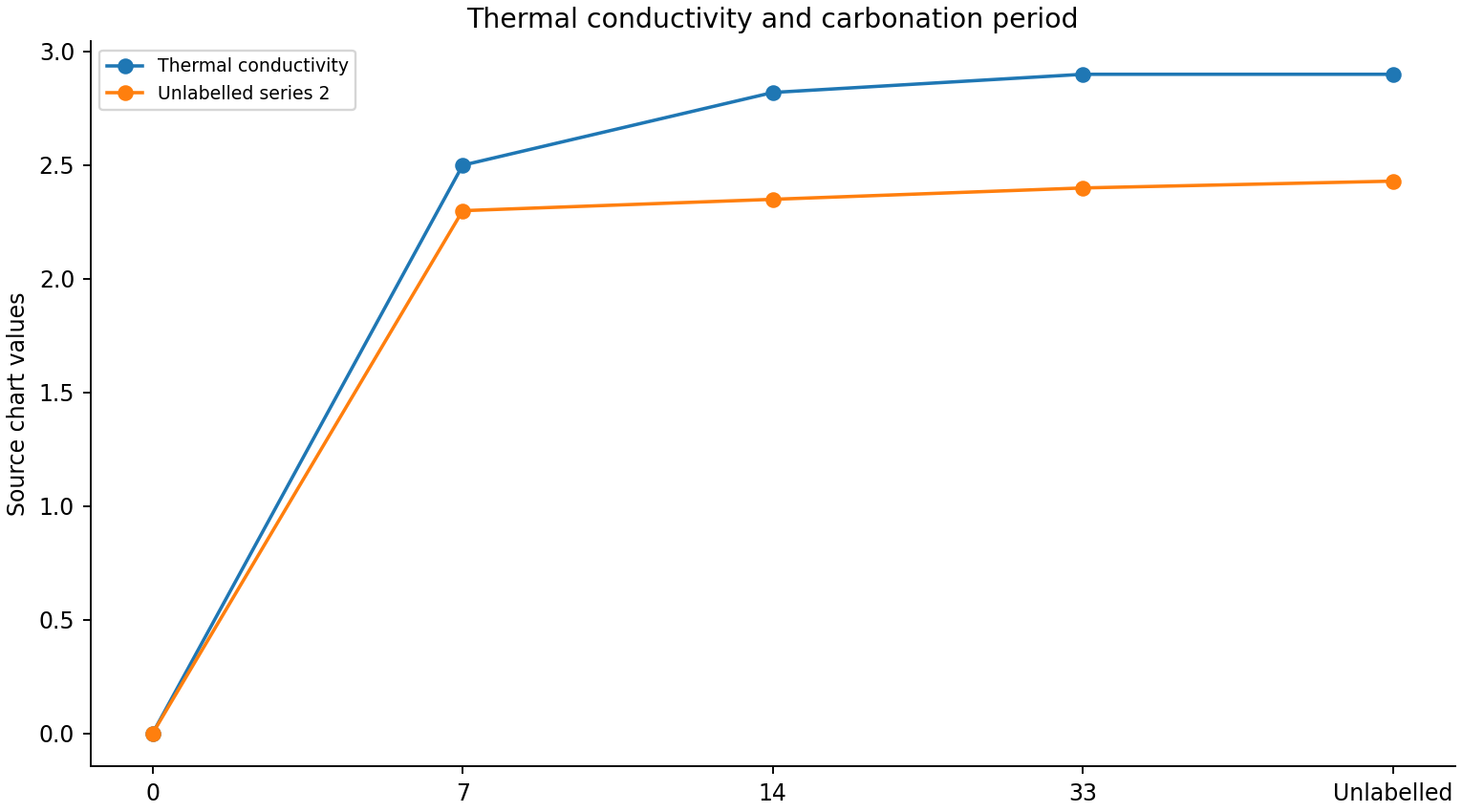
Figure 3: Overall average in the existing works
Table 5: Analytical approach in existing work
Author & Citation | Aim | Methodology | Analytical Approaches | Drawbacks |
AL-Ameeri et al. [20] 2021 | Develop a carbonation degradation model | Experimental tests, modeling | Simultaneous solution of diffusivity and reaction activities of Ca(OH)2(aq) and CO2(aq) | Effects of carbonation on concrete with various parameters |
Lu et al. [21] 2022 | Investigate temperature effects on carbonation, compressive strength, and microstructure | Experimental tests, analysis | Kinetic regulation of carbonation, analysis of structural and morphological changes | Influence of temperature on carbonation and material properties |
Mi et al. [22] 2019 | Develop a CO2 diffusion model for concrete | Theoretical modeling, experimental data comparison | Fick’s second law-based diffusion model, mass conservation, comparison with experimental data | Effects of CO2 diffusion in concrete under different loads |
Kwon et al. [23] 2021 | Present a model for measuring CO2 uptake rate in plain and blended concrete | Modeling, experimental assessment | Cement hydration model, carbonation depth model, CO2 uptake model | Measurement of CO2 uptake in service and recycling phases |
Steiner et al. [24] 2022 | Study the impact of moisture content and CO2 diffusivity in concrete | Test procedure, analysis | Determination of effective CO2 diffusion coefficient and water diffusion coefficient | Effects of moisture and CO2 diffusion on carbonation |
Carbonation of Concrete Blended
In 2019, Teixeira et al. [25] conducted a study on accelerated carbonation testing, X-ray diffraction analysis, and thermogravimetric analysis, researchers examined cementitious pastes containing coal fly ash (CFA) and biomass fly ash (BFA). They found that CFA and BFA exhibited distinct chemical and mineral compositions, but both materials displayed similar behavior in terms of carbonation. Notably, BFA appeared to enhance the alkalinity of the mixtures, which could have beneficial implications for ash management and the development of building materials. In 2020, Chiranjiakumari Devi et al. [26] investigated the effects of sulfate exposure and the addition of graphene oxide on the carbonation and compressive strength of concrete mixes with recycled concrete aggregates (RCA). Their findings indicated that as the proportion of graphene oxide increased, the carbonation depth decreased in 100% RCA mixes, although carbonation depth increased with higher CO2 exposure. Additionally, they confirmed the formation of ettringites and anhydrites using X-ray diffraction analysis in samples subjected to sulfate exposure for 90 days. These studies provide valuable insights into the behavior of alternative ash materials and the impact of graphene oxide on carbonation in concrete mixes.
(6)
Hydration reactions
Carbonation reactions
Table 6: Blending components with results
Author | Blending components | Blending (%) Ratio | Result |
Teixeira et al. [25] 2019 | Biomass fly ash, Coal fly ash | 10%, 90% | When coal and biomass fly ash, or solely biomass ash, are used in concrete, European standards and research have demonstrated good performance. |
Chiranjiakumari Devi et al. [26] 2020 | Ordinary Portland Cement and fly ash | 70%,30% | The mix with 100% recycled concrete aggregate (RCA) and no graphene oxide (GO) showed a comparatively high mass gain. |
Lippiatt et al. [27] | Fly ash , Mineral carbonation | – | Carbon-neutral construction materials can result in a 20% reduction in CO2 emissions |
Anwar et al. [28] | Fly ash, Silica Fume With Ordinary Portland Cement | 0.4% | When compared to the control mix made up of solely OPC, the ternary cementitious blends significantly demonstrated resistance to the entry of chloride ions. |
Justnes et al. [29] 2020 | Cement limestone, silicius fly limestone | 30%, 4% | The increased porosity caused by blending materials, a lower water-to-cement ratio (wc) can be used for blended cements compared to pure Portland cement. |
Li et al. [30] 2021 | Nano-silica (NS) and Micro-silica (MS) | 5%, 15% | When combined with MS, the cementing efficiency factors (CEFs) of NS were shown to be at least 48% greater than those of MS. |
Lippiatt et al. (2019) highlighted that concrete and cement emissions contribute significantly to global CO2 emissions and proposed a method for carbonating concrete debris and blocks, which not only improves product performance but also sequesters CO2. Anwar et al. (2020) the impacts of various environmental factors on cured concrete were evaluated, it was discovered that the total and dissolved contents had changed. Justnes et al. (2020) explained that fly ash-containing mortars carbonate faster due to their unique hydrate assemblage with less calcium-containing species susceptible to carbonation. Li et al. (2021) investigated the impact of nano-silica (NS) and micro-silica (MS) on concrete carbonation and water absorption, revealing that a combination of NS and MS resulted in significantly higher cementing efficiency, offering potential benefits for concrete production with reduced environmental impact.
Table 7: Analytical models in existing work
Author & Citation & Year | Aim | Methodology | Drawbacks |
Teixeira et al. [25] 2019 | Study the behavior of fly ashes in cementitious pastes | Thermogravimetric analysis, X-ray diffraction analysis, accelerated carbonation testing | Comparison of chemical and mineral makeup of coal fly ash (CFA) and biomass fly ash (BFA), examining carbonation behavior, and assessing potential benefits for ash management and building materials. |
Chiranjiakumari Devi et al. [26] 2020 | Investigate the effects of graphene oxide on RCA mixes | Sulfate solution testing, carbonation depth assessment, X-ray diffraction analysis | Analyzing the impact of graphene oxide on recycled concrete aggregates (RCA) mixes, especially concerning carbonation depth and sulfate resistance. |
Lippiatt et al. [27] | Explore the potential of carbonating concrete debris and blocks | Utilizing innovative technologies, conversion of calcium- or magnesium-rich minerals into carbonates | Addressing the need to reduce global CO2 emissions by mass-producing concrete and sequestering CO2 through carbonation while creating marketable products. |
Anwar et al. [28] 2020 | Assess concrete behavior under different exposure conditions | Immersion in artificial seawater, exposure to temperature, relative humidity, and CO2 variations, titration analysis | Evaluating the effects of exposure conditions on concrete properties, including total and soluble content, to understand concrete durability. |
Justnes et al. [29] 2020 | Investigate the carbonation behavior of fly ash-containing mortars | Analyzing hydrate assemblage, calcium content, and phases | Exploring the accelerated carbonation rate in fly ash-containing mortars and attributing it to factors like calcium hydroxide content and hydrate phases. |
Li et al. [30] 2021 | Study the effects of NS and MS on concrete carbonation and sorptivity | Carbonation and water absorption tests, SEM imaging, cementing efficiency evaluation | Assessing the impact of nano-silica (NS) and micro-silica (MS) on concrete properties, with a focus on carbonation and water sorptivity, and evaluating cementing efficiencies. |
Cement with fly ash added carbonates
The research mentioned look into many facets of fly ash and how it affects concrete and other materials. According to Bier’s research, concrete carbonation may be sped up by using less Ca(OH)2 in the cement paste, which is made possible by the presence of fly ash. Abdalqader et al. (2019) explore the strength and durability of concrete, while Kavyateja et al. (2020) introduce alccofine as a partial replacement for fly ash, improving self-compacting concrete’s analytical techniques. Chen et al. (2021) discuss the effects of carbonation on cement mortar incorporating fly ash, highlighting its impact on strength and resistance to chloride ion penetration. AL-Maqate et al. (2022) experiment with heavy oil fly ash for optoelectronic applications, and Wang et al. (2022) examine the use of fly ash in place of coal gangue fines for alkali-activated slag materials. These studies contribute valuable insights into the utilization of fly ash in construction and other innovative applications.
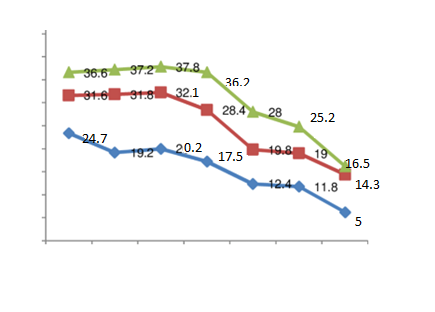
Figure 4: Overall average in the existing works
Table 8: Analytical Approaches in existing work
Author & Year | Aim | Methodology | Analytical Approaches | Drawbacks |
Abdalqader et al. [31] (2019) | To comprehend the durability and strength development of NC-SF concrete and NC-SF concrete treated with MgO. | Concrete testing (compressive strength, split tensile strength, water absorption, etc.) and microstructure analysis (TGA, ATR-FTIR, PXRD). | Concrete testing, microstructure analysis using TGA, ATR-FTIR, and PXRD. | Assessing the performance and long-term behavior of concrete mixes containing NC-SF and NC-SF treated with MgO. |
Kavyateja et al. [32] (2020) | To investigate the impact of adding alccofine as a partial replacement and fly ash on self-compacting concrete. | Analyzing concrete using thermogravimetric analysis, X-ray diffraction analysis, Fourier transform infrared spectroscopy, and scanning electronic microscopy. | Thermogravimetric analysis, X-ray diffraction analysis, FTIR, and SEM analysis. | Alcofine and fly ash addition enhances the analytical methods of self-compacting concrete. |
Chen et al. [33] (2021) | To study the effects of carbonation treatment and curing on cement mortar incorporating FA and its resistance to chloride ion penetration. | Examining the behavior of cement mortar with carbonation treatment, carbonation curing, and FA incorporation. | Carbonation treatment, carbonation curing, pore structure analysis, and assessment of FA surface changes. | investigating the effects of carbonation on hydration heat, free CaO concentration, the development of strength, and resistance to chloride ion penetration. |
AL-Maqate et al. [34] (2022) | To explore the use of heavy oil fly ash (HOFA) doped calcium carbonate (CaCO3) for optoelectronic applications. | Creating nano and thin-film samples with HOFA and CaCO3 using the spin coating approach on glass substrates. | Spin coating technique for sample creation and control. | Repurposing HOFA from power plants for optoelectronic applications and reducing its negative environmental impact. |
Wang et al. [35] (2022) | To investigate the use of thermally activated coal gangue fines (CGF) in alkali-activated slag materials (AASM) without grinding. | Experimenting with CGF at different calcination temperatures and studying its impact on AASM properties. | Analysis of AASM properties with varying CGF calcination temperatures. | Analyzing the microstructure, flow, heat of hydration, compressive strength, and reactivity of AASM with thermally activated CGF. |
Carbonation blends in variation materials
In recent years, several studies have explored innovative approaches to improve concrete construction’s resilience and sustainability. Luo et al. (2022) investigated the carbonation resistance of PVA fiber concrete, finding that the addition of PVA fibers can significantly increase resistance, with the optimal fiber length and content balance. Wu et al. (2022) introduced a smart anode concept using Mg to monitor carbonation levels in concrete and protect steel structures within it. Ekolu et al. (2021) examined natural carbonation in concrete with supplemental cementitious materials, addressing the complexities of carbonation modeling in modern concrete mixes. Gu and Li (2020) proposed a methodology to update carbonation-induced deterioration models with inspection data for existing reinforced concrete structures. Qin et al. (2021) explored urea’s efficiency in carbonate conversion, microbial growth, and urease activity.
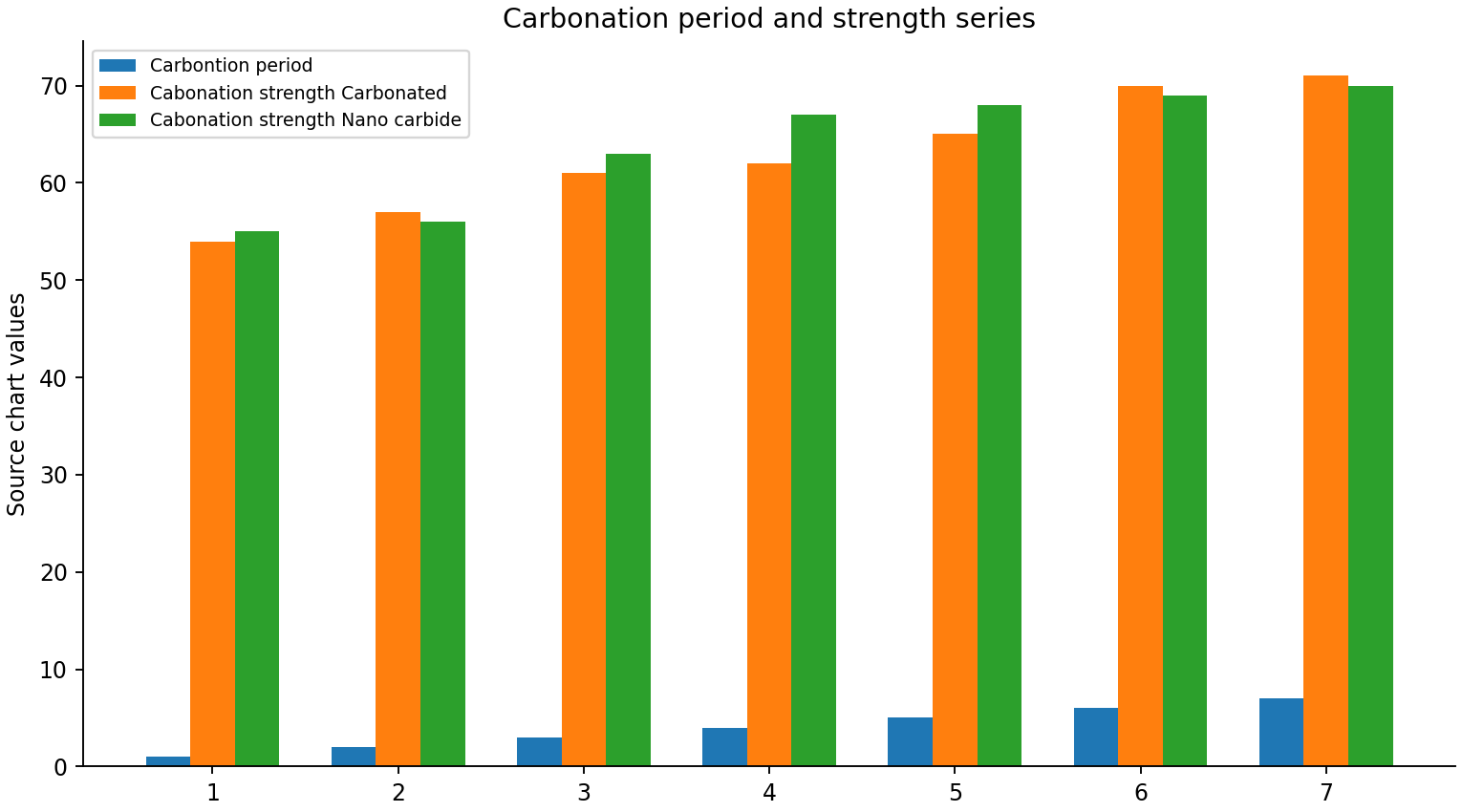
Figure 5: Overall average in the existing works
Mallek et al. (2021) investigated carbonation and chloride penetration resistance of self-compacting rubberized concrete. Sangoju et al. (2019) emphasized performance-based durability requirements for concrete in real-world construction conditions. Dias Andrade et al. (2021) improved the mechanical performance of eco-friendly structural concretes with steel slag aggregates, while Kwon et al. (2021) presented models for measuring CO2 uptake in plain and blended concrete. Pu et al. (2021) investigated the properties and environmental impact of carbonated recycled concrete aggregates.
Table 9: Problem Identification in existing work
Author & Year | Aim | Methodology | Analytical Approaches | Draw back |
Luo et al. 2022 [36] | Test carbonation model of PVA fiber concrete | Accelerated carbonation experiments | Examination of carbonation resistance with varying parameters | Influence of PVA fiber length and volume content |
Wu et al. 2022 [37] | Develop a smart Mg anode for concrete | Testing Mg anode in simulated concrete pore solutions | Assessment of Mg anode sensitivity and current efficiency | Detection of carbonation in concrete and steel protection |
Ekolu et al. 2021 [38] | Predict natural carbonation in concrete | Analysis of data with different SCMs in concrete | Development of a natural carbonation prediction model | Complexity of carbonation modeling with SCMs |
Gu & Li 2020 [39] | Update carbonation-induced deterioration models | Use inspection data to update models | Examination of updating impact with different data | Assess durability of existing RC structures |
Qin et al. 2021 [40] | Measure urea to carbonate conversion efficiency | Test urea concentration’s effect on conversion | Application of the 0.51 + 0.08^(e^0.5x) rule | Efficiency of urea to carbonate conversion |
Mallek et al. 2021 [41] | Study resistance to carbonation and chloride penetration | Measurements of concrete properties | Assessment of durability with varying rubber content | Impact of rubber concentration on concrete strength |
Sangoju et al. 2019 [42] | Analyze concrete durability with performance-based requirements | Assessment of concreting procedures | Development of performance-based requirements | Variability in concrete used in actual construction |
Dias Andrade et al. 2021 [43] | Evaluate mechanical performance of eco-friendly structural concretes | Testing concretes with steel slag aggregates | Assessment of concrete properties with different aggregates | Durability of cement-based composites with steel slag |
Kwon et al. 2021 [44] | Measure CO2 uptake rate in concrete | Use cement hydration model and carbonation model | – | Carbonation depth and CO2 uptake in concrete |
Pu et al. 2021 [45] | Investigate carbonated recycled concrete aggregates | Study properties and environmental effects | – | Effects of carbonation on RCAs and concrete |
Carbonation based on minerals
Zhang et al. (2022) investigated the mineral carbonation process with zeolite and its pozzolanic activity. Dhandapani et al. (2022) explored calcined clays’ effect on cementitious systems’ porosity and durability, as well as. Robati and Oldfield (2022) conducted a comprehensive embodied carbon assessment for different building structures, highlighting the potential of mass timber in reducing carbon emissions. Abdelshafy and Walther (2022) proposed a strategy for carbon capture and utilization (CCU) in the construction sector. Ngo et al. (2021) developed a numerical model for simulating various aspects of concrete behavior. Lastly, Xiao et al. (2020) demonstrated the carbon absorption capacity of recycled concrete, showing significant emissions reductions as recycled components replace virgin materials in concrete production. These studies collectively contribute to the ongoing efforts to make construction more sustainable and environmentally friendly.
Table 10: Problem Identification in existing work
Author & Year | Aim | Methodology | Analytical Approaches | Draw back |
Zhang et al. [46] 2022 | Explore zeolite’s pozzolanic reaction mechanism | XRD and MAS NMR studies, hydration experiments | Identification of pozzolanic products | Mineral composition, pozzolanic activity of CH/zeolite specimens |
Dhandapani et al. [47] 2022 | Study the effects of calcined clays on concrete | Porosity, pore structure, durability testing | Microstructural changes, CO3-AFm in concretes | Moisture infiltration, chloride intrusion, carbonation, etc. |
Robati & Oldfield [48] 2022 | Assess embodied carbon of different building types | Monte Carlo analysis, inventory databases | Comparison of embodied carbon for different types | Variability in carbon emissions, building materials, scenarios |
Abdelshafy & Walther [49] 2022 | Integrate CCU with construction supply chains | Data analysis, location-allocation models | Integration of carbon sources and sinks | Identify carbon sequestration capacity, transportation cost |
Ngo et al. [50] 2021 | Simulate carbon dioxide and moisture penetration | COMSOL Multiphysics, mass conservation equations | Solve mass conservation equations | Carbon dioxide and moisture penetration in concrete |
Xiao et al. [51] 2020 | Examine carbon absorption in recycled concrete | Carbonization tests, carbon absorption model | Compare recycled concrete to regular concrete | Carbon emissions reduction with recycled components |
Optimization technique in carbonate depth
Optimization techniques to enhance the efficiency and accuracy of measurements and calculations related to carbonate rock depth in geological applications. Notably, Qiao et al. (2021) investigated the use of nano-CaCO3 modified concrete to increase a structure’s resistance to sulfate damage in a sulfate-rich environment, demonstrating that 1% nano-CaCO3 significantly extends the service life by enhancing resistance to sulfate corrosion. In 2022, Biswas et al. proposed the formation of powdered CaCO3’s negative impact on concrete microstructure and introduced machine learning techniques to predict carbonation more effectively. Olatunbsoun Sojobi et al. (2021) optimized pretreatment and carbonation conditions, reducing the carbonation time significantly while ensuring environmentally friendly processes. Furthermore, Londhe et al. (2021) utilized artificial neural networks and genetic programming to model concrete carbonation based on conditioning parameters, and Nunez et al. (2021) introduced using a gradient boosting regression tree model, which shows its superiority over other mathematical formulations, to calculate the carbonation depth in recycled aggregate concrete including different mineral additions.
Table 11: Analytical Approaches in existing work
Author & Year | Aim | Methodology | Analytical Approaches | Analytical Approaches |
Qiao et al. [52] 2021 | Assess the durability of nano-CaCO3 | Investigation of concrete in sulfate | Detailed damage evaluation parameters, relative dynamic elastic modulus, and quality evaluation parameters | Relative quality evaluation, relative dynamic elastic modulus, comprehensive damage evaluation parameters |
Biswas et al. [53] 2022 | Study the impact of powdered CaCO3 | Machine learning for carbonation prediction | Support Vector Regression (SVR) combined with metaheuristic algorithms | Support Vector Regression (SVR) combined with metaheuristic algorithms |
Sojobi et al. [54] 2021 | Optimize pretreatment and carbonation | Linear weighted sum approach | Spraying wastewater, air drying, and carbonation conditions | Spraying wastewater, air drying, and carbonation conditions |
Londhe et al. [55] 2021 | Develop statistical models for | Data-driven approaches (ANNs and GP) | Artificial Neural Networks (ANNs) and Genetic Programming (GP) | Artificial Neural Networks (ANNs) and Genetic Programming (GP) |
Nunez et al. [56] 2021 | Estimate carbonation depth in recycled | Data analysis and GBRT model | Gradient Boosting Regression Tree (GBRT) model | Gradient Boosting Regression Tree (GBRT) model |
Considerations for Load Effects on Carbonated Concrete (Stress and Durability)
Several studies conducted in 2022 addressed various aspects of concrete performance and durability. Shi investigated the impact of persistent stresses on carbonated concrete, noting changes in diffusivity with multi-axial load levels. Ibernón developed voltammetric stainless steel sensors to detect elements involved in corrosion processes, while Wang proposed a concrete mix design considering stress, carbonation, and environmental goals, using a genetic algorithm. Waseem examined the characteristics of natural aggregate concrete, carbonated recycled aggregate concrete, and aggregate concrete. Ding found a correlation between blast furnace slag replacement ratios and concrete’s frost resistance and carbonation rate. Oikonomopoulou et al. focused on the impact of mechanical treatment on concretes with recycled aggregates. In 2021, Umbach et al. studied structural lightweight concrete with an ultra-high-performance matrix, and Li et al. enhanced the performance of recycled aggregate concrete with various treatment techniques.
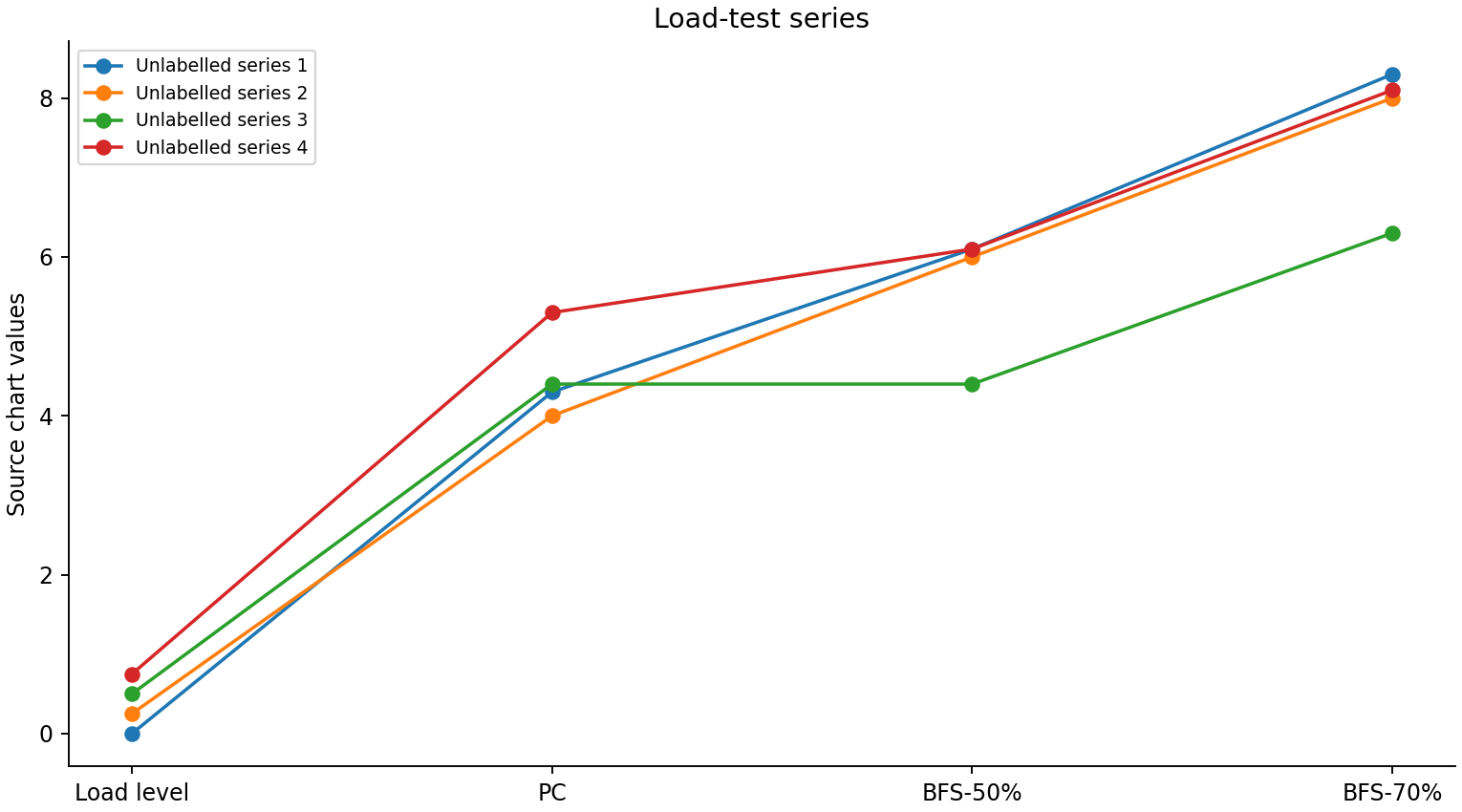
Figure 6: Overall average in the existing works
Table 12: Analytical Approaches in existing work
Author & Year | Aim | Methodology | Analytical Approaches | Drawbacks |
Ibernón [58] 2022 | Detect corrosion elements in concrete | Voltammetric SS sensors with PCA | Electrochemical methods | Identify corrosion in concrete caused by carbonation or chlorides |
Wang [59] 2022 | Optimize concrete mix for cost and CO2 emissions | Genetic Algorithm | Genetic Algorithm | Design concrete mix considering strength, slump, and carbonation durability under stress |
Waseem [60] 2022 | Study carbonation effects on RAC | Mechanical and nondestructive testing | Mechanical and nondestructive testing | Compare characteristics of NAC, RAC, and CRAC concrete |
Ding [61] 2022 | Investigate blast furnace slag in concrete | Compressive strength and carbonation rate | Compressive strength and carbonation rate | Examine frost resistance and pore structure with slag replacements |
Oikonomopoulou et al. [62] 2022 | Improve durability of concrete with recycled aggregates | Mechanical treatment procedure | Compressive strength and mass loss | Assess mechanical qualities of concretes with treated RCA |
Umbach et al. [63] 2021 | Study structural lightweight concrete | Capillary porosity, chemical attack, freeze-thaw | Corrosion resistance, carbonation, and chloride penetration | Evaluate concrete corrosion, carbonation, and chloride penetration resistance |
Li et al. [64] 2021 | Enhance RAC performance through treatment | Stress-strain analysis, carbonation resistance | Stress-strain analysis and carbonation resistance | Improve properties and carbonation resistance of RAC |
Thermal analysis in carbonation depth
Vogler et al. [65] utilized thermogravimetric analysis to quantify calcium carbonates and portlandite in mortar samples, emphasizing the carbonated zones represented by the differential curves from DTG. Sohail et al. [66] investigated active and passive steel corrosion in carbonated and noncarbonated concrete, utilizing potentiodynamic polarization curves and Comsol multiphysics software for corrosion parameter analysis. Kellouche et al. [67] suggested a model for a neural network made up of computers to predict the amounts of carbonation in slag concrete, achieving a high correlation of 0.98 with nine input parameters. Tiefenthaler et al. [68] presented an industrial-scale mineralization technique for biogenic CO2 in concrete aggregate, with an accompanying Life Cycle Assessment demonstrating its efficacy. Al-Fasih et al. [69] assessed the viability of incorporating waste rubber tire crumbs into alkali-activated rubberized concrete using neural network calculations. Ribeiro et al. [70] investigated how dosing recommendations affected the diffusion of chloride in concrete and discovered that the ratio of water to cement was not the main determining factor. Cantero et al. [71] analyzed transport mechanisms of ions reclaimed aggregate combined with crushed recycled concrete in concrete, noting the impact of porosity on ingress resistance. Guo et al. [72] estimated that cements produced since 1930 have absorbed a significant amount of CO2, with China playing a dominant role in cement production and consumption. These studies collectively contributed to advancing knowledge in concrete science and carbonation assessment.
Rate of cumulative CO2 in mass
The equilibrium in thermal analysis
Table 13: Problem Identification in existing work
Author & Year | Aim | Methodology | Analytical Approaches | Draw back |
Vogler et al. [65] 2021 | Assess carbonation in concrete samples | DTG, differential curves, phenolphthalein | Differential curves, chemical analysis | Carbonation depth determination |
Sohail et al. [66] 2021 | Characterize steel corrosion in concrete | Potentiodynamic polarization curves, modeling | Electrochemical analysis, modeling | Active and passive steel corrosion |
Kellouche et al. [67] 2021 | Develop an AI model for carbonation level | Artificial neural network, input parameters | Machine learning, correlation analysis | Carbonation level estimation |
Tiefenthaler et al. [68] 2021 | Demonstrate large-scale carbonation process | Mineralization technique, Life Cycle Assessment | Environmental impact assessment | Carbon dioxide storage in concrete |
Al-Fasih et al. [69] 2021 | Replace natural aggregates with rubber tires | Numerical model calculations, neural network | Neural network, performance analysis | Concrete performance assessment |
Ribeiro et al. [70] | Analyze dosing guidelines and chloride diffusion | Variation in concrete dosing, chloride test | Experimental testing, analysis | Chloride diffusion in concrete |
Cantero et al. [71] 2021 | Study transport mechanisms in recycled concrete | Ingress resistance assessment, porosity | Experimental testing, analysis | Transport mechanisms in concrete |
Guo et al. [72] 2021 | Estimate CO2 emissions from cement production | Data analysis and estimation | Data analysis, estimation | Cement production emissions |
Data analysis in carbonation
In 2022, Duan and Cao employed data analysis, statistical methods, and machine learning techniques to identify influential factors related to carbonation reactions. They examined three areas: (1) the relationship between variables and concrete carbonation; (2) the effects of factors on the uncertainty of carbonation depth; and (3) the relationship between factors, providing quantitative evaluations of both individual parameters and parameter groups. In a similar vein, Londhe [74] explored the prediction of concrete’s carbonation coefficient utilizing Model Tree (MT), Random Forest (RF), and Multi-Gene Genetic Programming (MGGP) methodologies, and contrasting them with well-known techniques like Multiple Linear Regression (MLR), Artificial Neural Networks (ANNs), and Genetic Programming. Furthermore, Liu et al. [75] developed a statistical model considering various variables in carbonation, such as ambient temperature, carbon dioxide concentration, relative humidity, and more, utilizing multiple nonlinear regression for different environmental exposures. Their approach yielded promising results in terms of carbonation prediction. In 2021, AzariJafari et al. [76] focused on estimating carbon absorption by US pavements and associated costs, using data science techniques and pavement management models. This work aimed to enhance our understanding of carbon absorption by pavements and their performance characteristics.
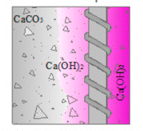
Figure 7: Analysis in carbonation
Table 14: Problem Identification in existing work
Author & Year | Aim | Methodology | Analytical Approaches | Drawbacks |
Duan & Cao [73] 2022 | Identify influence factors on concrete carbonation. | Statistical methods and machine learning techniques. | Quantitative evaluation of parameters. | 1. The relationship between variables and the carbonation of concrete. 2. The effect on carbonation depth uncertainty. 3. Relationships among the variables. |
Londhe [74] 2022 | Predict carbonation coefficient of concrete. | Model Tree (MT), Random Forest (RF), Multi-Gene Genetic Programming (MGGP). | Comparisons with MLR, ANNs, GP. | Statistically relevant conditioning elements for carbonation mechanism. |
Liu et al. [75] 2022 | Develop a carbonation coefficient model for concrete. | Multiple nonlinear regression approach. | Model fitted for different exposures. | Variables include ambient temperature, CO2 concentration, relative humidity, etc. |
AzariJafari [76] 2021 | Estimate carbon absorption by US pavements and its cost. | Data science techniques and regional maintenance procedures. | High-resolution approach for estimation. | Estimate carbon uptake by the national pavement network. |
Carbonate resistance in concrete
In 2021, Sun et al. [77] developed a theoretical calculation model for Microbially Induced Calcium Carbonate Precipitation (MICP) by taking into account ureolysis, geochemistry, solute transport, suspended biomass movement, biofilm formation, and calcium carbonate (CaCO3) precipitation. Their experiments on fracture healing supported the model’s viability, revealing a steady decrease in predicted suspended biomass concentrations in fractures during the experiments, with higher concentrations in larger fissures. In the same year, Mi et al. [78] investigated the carbonation behavior of Recycled Aggregate Concrete (RAC) through accelerated carbonation and bending effects, highlighting significant differences in carbonation depths compared to natural aggregate concrete. Zheng et al. [79] implemented a probabilistic method to evaluate the time-dependent annual damage probability of a 42-story steel frame-RC core tube skyscraper while taking seismic risks and corrosion caused by carbonation into consideration. Additionally, Shah & Bishnoi [80] examined the impact of physical, chemical, and environmental factors on concrete carbonation, highlighting the influence of factors such as relative humidity, porosity, and pore saturation on the rate of carbonation.
Table 15: Analytical Approaches in existing work
Author & Year | Aim | Methodology | Analytical Approaches | Drawbacks |
Sun et al. [77] 2021 | To develop a theoretical model for fracture healing using Microbially Induced Calcium Carbonate Precipitation (MICP). | Considered solute transport, suspended biomass movement, biofilm development, geochemistry, ureolysis, and CaCO3 precipitation. | Compared calculated suspended biomass concentrations with experimental outcomes. | Investigated the behavior of suspended biomass in fractures during experiments and its relationship with fissure size. |
Mi et al. [78] 2021 | To study the carbonation of Recycled Aggregate Concrete (RAC) in different zones and determine steel corrosion zone widths. | Subjected RAC samples to accelerated carbonation and four-point bending. Compared carbonation depths in various zones. | Demonstrated significant differences in carbonation depths between RAC and natural aggregate concrete. | Compared microstructures of mortars in different zones and suggested a technique to determine steel corrosion zone widths. |
Zheng et al. [79] 2021 | To probabilistically evaluate the yearly damage probability of a 42-story steel frame-RC core tube skyscraper considering carbonation-induced corrosion and seismic uncertainties. | Considered carbonation-induced corrosion and seismic excitations. Accounted for reduction in cross-sectional area and reinforcement strength. | Combined seismic hazard model and conditional fragility. | Evaluated the overall yearly damage likelihood under various aging scenarios. |
Shah & Bishnoi et al. [80] 2021 | To examine the factors influencing the carbonation process in concrete. | Investigated the effects of physical, chemical, and environmental factors, such as internal relative humidity, porosity, and pore saturation. | Found negligible short-term effects between the quantity of carbonation and water produced during carbonation. | Explored the control mechanisms of carbonation in concrete. |
Carbonation depth prediction by using Machine learning
Growing interest in developing predictive models for concrete carbonation depth using machine learning techniques. Researchers such as Nunez & Nehdi (2021), Hyvert et al. (2010), Chandra Paul et al. (2018), Taffese et al. (2015), Lee et al. (2022), Felix et al. (2021), Kellouche et al. (2017), Liu et al. (2023), Liu et al. (2021), and Duan et al. (2022) have explored various aspects of this problem. They have employed methods such as gradient boosting regression trees, deep learning, artificial neural networks (ANN), and hybrid models like PCA-ANFIS determine the concrete’s carbonation depth. These studies have taken into account elements including the cement’s composition, the atmosphere, the CO2 content, and the characteristics of the concrete mix.
Table 16: Analytical Approaches in existing work
Author & Year | Aim | Methodology | Analytical Approaches | Draw back |
Nunez & Nehdi [81] | Develop a model for carbonation in concrete and compare it to other mathematical models | Construction of a database with experimental data. Compare GBRT model to other formulations | Database, GBRT model, Mathematical models | Find a model for estimating carbonation depth. |
Hyvert et al. [82] | Analyze the impact of CO2 pressure on carbonation. Create an analytical model based on experimental studies | Experimental studies, consideration of cement chemistry, pressure effects | Experimental studies, Analytical modeling | Understand the influence of CO2 pressure on carbonation kinetics. |
Chandra Paul et al. [83] | Investigate the impact of concrete mix compositions, weathering, and exposure on carbonation. Create an empirical model | Automated neural network search, empirical model, experimental validation | Automated neural network search, Empirical model | Determine the effect of concrete mix on carbonation depth. |
Taffese et al. [84] | Propose a machine learning-based carbonation prediction model. Evaluate for accuracy and methodology. | Machine learning model with four learning techniques, factor consideration | Machine learning, Model evaluation | Develop a machine learning model for predicting carbonation depth. |
Lee et al. [85] | Use deep learning to forecast carbonation behavior. Compare AIJ model and FEM analysis. | Deep learning model with hierarchical artificial neural networks | Deep learning, Comparison with AIJ model and FEM analysis | Determine if deep learning can predict carbonation behavior. |
Felix et al. [86] | Predict carbonation depth in concrete with fly ash addition using ANN. Optimize the model. | Artificial neural network with backpropagation, multiple topologies | Artificial neural network, Model optimization | Optimize the model to predict the depth of carbonation in concrete using fly ash. |
Kellouche et al. [87] | Use an ANN to forecast carbonation of fly-ash concrete considering various parameters. | Artificial neural network with inputs (mixture proportions and exposure conditions) | Artificial neural network, Input parameters | Develop a model for predicting carbonation depth in fly-ash concrete. |
Liu et al. [88] | Introduce a PCA-ANFIS model for forecasting reinforced concrete carbonation. | PCA combined with ANFIS for dimensionality reduction and modeling | PCA, ANFIS modeling | Create a model for predicting reinforced concrete carbonation. |
Liu et al. [89] | Predict carbonation depth in recycled aggregate concrete using machine learning algorithms. | Machine learning models with input variables. Compare different models. | Machine learning models, Model comparison | Forecast carbonation depth in recycled aggregate concrete. |
Duan et al. [90] | Select the best influence factors for concrete carbonation using statistical and machine learning techniques. | Statistical and machine learning methods for parameter selection. | Statistical and machine learning techniques | Identify key factors influencing concrete carbonation. |
Composition of carbonation depth
Researchers explored various aspects of concrete and construction materials. Zhang et al. (2022) investigated the pozzolanic reaction mechanism of zeolite using X-ray diffraction and MAS NMR, while Dhandapani et al. (2022) examined metakaolin and calcined clays’ effects on cementitious systems’ durability and performance. Robati & Oldfield (2022) analyzed embodied carbon in different construction structures, highlighting the potential environmental benefits of mass timber construction. Abdelshafy & Walther (2022) explored the connections between carbon capture and utilization (CCU) and construction supply chains. Ngo et al. (2021) developed a numerical model for simulating carbon dioxide penetration, moisture transport, and other factors in concrete. Xiao et al. (2019) demonstrated the reduced carbon emissions associated with recycled concrete. Roziere et al. (2009) investigated the effects of aggregate type, binder composition, and curing conditions on concrete performance, emphasizing the need for accelerated carbonation testing. Yongsheng et al. (2010) examined carbonation in concrete under different environmental conditions. Vogler et al. (2021) studied carbonation in concrete samples under accelerated conditions. Finally, Ameeri et al. (2021) investigated the effects of concrete carbonation on corrosion and chloride penetration in reinforced concrete structures.
Table 17: Analytical Approaches in existing literatures
Author & Citation | Aim | Methodology | Analytical Approaches | Drawback |
Zhang et al. [91] 2022 | Explore mineral composition and pozzolanic reaction of zeolite | XRD, MAS NMR, Pozzolanic activity testing | X-ray diffraction, NMR spectroscopy, Pozzolanic activity assessment | Investigate mineral compositions and pozzolanic reactions of zeolite-based materials |
Dhandapani et al. [92] 2022 | Study impact of calcined clays on cementitious systems | Porosity, transport qualities, durability performance | Laboratory testing, analysis of durability performance | Examine effects of calcined clays on porosity, moisture infiltration, chloride intrusion, etc. |
Robati & Oldfield et al. [93] 2022 | Analyze embodied carbon in building materials | Monte Carlo analysis | Monte Carlo analysis of carbon emissions | Investigate carbon emissions and variations in building materials |
Abdelshafy & Walther et al. [94] 2022 | Assess connections between CCU and construction supply chains | Carbon sequestration, location-based allocation | Mathematical modeling and allocation methods | Estimate CO2 sequestration capacity in concrete facilities and supply chains |
Ngo et al. [95] 2021 | Develop a numerical model for concrete behavior | COMSOL Multiphysics modeling | Numerical modeling using COMSOL Multiphysics | Simulate CO2 penetration, moisture, heat transfer, and porosity alteration in concrete |
Xiao et al. [96] 2019 | Investigate carbon emissions in recycled concrete | Carbon absorption model, rapid carbonization tests | Testing and development of a carbon absorption model | Study the potential of recycled concrete to absorb carbon and reduce emissions |
Roziere et al. [97] 2009 | Examine concrete performance under various conditions | Impact of aggregate, binder, curing on performance | Laboratory testing and assessment of concrete properties | Investigate effects of factors like aggregate type, curing, and binder composition |
Yongsheng et al. [98] 2010 | Study carbonation of concrete in natural and accelerated environments | pH measurement, phase component analysis | Experimental analysis of concrete properties | Investigate changes in pH values and concrete’s carbonation under different conditions |
Vogler et al. [99] 2021 | Analyze carbonation in concrete under varying conditions | Differential curves from DTG, concrete sample analysis | Sample analysis and differential curves | Evaluate the effects of carbonation in concrete under different conditions |
Ameeri et al. [100] 2021 | Examine corrosion in RC structures with service-related fractures | Casting concrete prisms, exposure to CO2 and chloride | Experimental testing and analysis of concrete properties | Investigate corrosion, chloride penetration, and carbonation effects in concrete |
Conclusion
In conclusion, this thorough assessment of the literature digs into the urgent problem of carbonation resistance in concrete buildings, against the background of the crucial change to sustainable construction methods and the important requirement to reduce carbon dioxide emissions. Concrete’s structural integrity is seriously threatened by its natural aging process, which is characterized by carbonation. This work builds an up-to-date, comprehensive toolset by carefully analyzing the range of analytical methods used for predicting carbonation depth, greatly advancing the development of resilient and sustainable infrastructure. Additionally, it is stressed how very important the interaction between carbonation and carbon emissions is to the building sector. This analysis emphasizes the complex relationship between these processes and highlights the possibility of increased carbonation resistance in concrete as a tool for reducing greenhouse gas emissions. Researchers, engineers, and politicians may use the knowledge gained from this evaluation to make well-informed decisions that will encourage the use of environmentally friendly building techniques and forward the goals of global sustainability.
References
Torgal, F.P., Miraldo, S., Labrincha, J.A. and De Brito, J., 2012. An overview on concrete carbonation in the context of eco-efficient construction: Evaluation, use of SCMs and/or RAC. Construction and Building Materials, 36, pp.141-150.
Marangu, J.M., Thiong’o, J.K. and Wachira, J.M., 2019. Review of carbonation resistance in hydrated cement based materials. Journal of Chemistry, 2019.
Imperatore, S., Rinaldi, Z. and Drago, C., 2017. Degradation relationships for the mechanical properties of corroded steel rebars. Construction and Building Materials, 148, pp.219-230.
Muntean, A., 2009. On the interplay between fast reaction and slow diffusion in the concrete carbonation process: a matched-asymptotics approach. Meccanica, 44(1), pp.35-46.
Wang, Y., Liu, C., Wang, Y., Li, Q. and Yan, B., 2020. Semi-empirical prediction model of chloride-induced corrosion rate in uncracked reinforced concrete exposed to a marine environment. Electrochimica Acta, 331, p.135376.
Wang, Y., Liu, C., Wang, Y., Li, Q. and Yan, B., 2020. Semi-empirical prediction model of chloride-induced corrosion rate in uncracked reinforced concrete exposed to a marine environment. Electrochimica Acta, 331, p.135376.
Cui, H., Tang, W., Liu, W., Dong, Z. and Xing, F., 2015. Experimental study on effects of CO2 concentrations on concrete carbonation and diffusion mechanisms. Construction and Building Materials, 93, pp.522-527.
Morandeau, A., Thiery, M. and Dangla, P., 2014. Investigation of the carbonation mechanism of CH and CSH in terms of kinetics, microstructure changes and moisture properties. Cement and Concrete Research, 56, pp.153-170.
Ji, Y.S., Wu, M., Ding, B., Liu, F. and Gao, F., 2014. The experimental investigation of width of semi-carbonation zone in carbonated concrete. Construction and Building Materials, 65, pp.67-75.
Zhu, X., Zi, G., Lee, W., Kim, S. and Kong, J., 2016. Probabilistic analysis of reinforcement corrosion due to the combined action of carbonation and chloride ingress in concrete. Construction and Building Materials, 124, pp.667-680.
Shui, Z.H., Yu, R., Chen, Y.X., Duan, P., Ma, J.T. and Wang, X.P., 2018. Improvement of concrete carbonation resistance based on a structure modified Layered Double Hydroxides (LDHs): Experiments and mechanism analysis. Construction and Building Materials, 176, pp.228-240.
Felix, E.F., Possan, E. and Carrazedo, R., 2019. Analysis of training parameters in the ANN learning process to mapping the concrete carbonation depth. Journal of Building Pathology and Rehabilitation, 4(1), p.16.
Eiras, J.N., Kundu, T., Popovics, J.S., Monzó, J., Borrachero, M.V. and Payá, J., 2016. Effect of carbonation on the linear and nonlinear dynamic properties of cement-based materials. Optical Engineering, 55(1), pp.011004-011004.
Gruyaert, E., Van den Heede, P. and De Belie, N., 2013. Carbonation of slag concrete: Effect of the cement replacement level and curing on the carbonation coefficient–Effect of carbonation on the pore structure. Cement and Concrete Composites, 35(1), pp.39-48.
Chen, Y., Liu, P. and Yu, Z., 2018. Effects of environmental factors on concrete carbonation depth and compressive strength. Materials, 11(11), p.2167.
Liu, P., Yu, Z. and Chen, Y., 2020. Carbonation depth model and carbonated acceleration rate of concrete under different environment. Cement and Concrete Composites, 114, p.103736.
Kim, J.K., Kim, C.Y., Yi, S.T. and Lee, Y., 2009. Effect of carbonation on the rebound number and compressive strength of concrete. Cement and Concrete Composites, 31(2), pp.139-144.
Lu, C.F., Wang, W., Li, Q.T., Hao, M. and Xu, Y., 2018. Effects of micro-environmental climate on the carbonation depth and the pH value in fly ash concrete. Journal of Cleaner Production, 181, pp.309-317.
Han, S.H., Park, W.S. and Yang, E.I., 2013. Evaluation of concrete durability due to carbonation in harbor concrete structures. Construction and Building Materials, 48, pp.1045-1049.
Al-Ameeri, A.S., Rafiq, M.I., Tsioulou, O. and Rybdylova, O., 2021. Impact of climate change on the carbonation in concrete due to carbon dioxide ingress: Experimental investigation and modelling. Journal of Building Engineering, 44, p.102594.
Lu, B., Drissi, S., Liu, J., Hu, X., Song, B. and Shi, C., 2022. Effect of temperature on CO2 curing, compressive strength and microstructure of cement paste. Cement and Concrete Research, 157, p.106827.
Mi, R., Pan, G. and Shen, Q., 2019. Carbonation modelling for cement-based materials considering influences of aggregate and interfacial transition zone. Construction and Building Materials, 229, p.116925.
Kwon, S.J. and Wang, X.Y., 2021. CO2 uptake model of limestone-powder-blended concrete due to carbonation. Journal of Building Engineering, 38, p.102176.
Steiner, S., Proske, T., Winnefeld, F. and Lothenbach, B., 2022. Effect of limestone fillers on CO2 and water vapour diffusion in carbonated concrete. Cement, 8, p.100027.
Teixeira, E.R., Camões, A., Branco, F.G., Aguiar, J.B. and Fangueiro, R., 2019. Recycling of biomass and coal fly ash as cement replacement material and its effect on hydration and carbonation of concrete. Waste Management, 94, pp.39-48.
Devi, S.C. and Khan, R.A., 2020. Influence of graphene oxide on sulfate attack and carbonation of concrete containing recycled concrete aggregate. Construction and Building Materials, 250, p.118883.
Lippiatt, N., Ling, T.C. and Pan, S.Y., 2020. Towards carbon-neutral construction materials: Carbonation of cement-based materials and the future perspective. Journal of Building Engineering, 28, p.101062.
Anwar, M. and Emarah, D.A., 2020. Resistance of concrete containing ternary cementitious blends to chloride attack and carbonation. Journal of Materials Research and Technology, 9(3), pp.3198-3207.
Justnes, H., Skocek, J., Østnor, T.A., Engelsen, C.J. and Skjølsvold, O., 2020. Microstructural changes of hydrated cement blended with fly ash upon carbonation. Cement and Concrete Research, 137, p.106192.
Li, L.G., Zheng, J.Y., Ng, P.L. and Kwan, A.K.H., 2021. Synergistic cementing efficiencies of nano-silica and micro-silica in carbonation resistance and sorptivity of concrete. Journal of Building Engineering, 33, p.101862.
Abdalqader, A., Jin, F. and Al-Tabbaa, A., 2019. Performance of magnesia-modified sodium carbonate-activated slag/fly ash concrete. Cement and Concrete Composites, 103, pp.160-174.
Kavyateja, B.V., Guru Jawahar, J. and Sashidhar, C., 2020. Effect of alccofine and fly ash on analytical methods of self-compacting concrete. Innovative Infrastructure Solutions, 5, pp.1-11.
Chen, T., Bai, M. and Gao, X., 2021. Carbonation curing of cement mortars incorporating carbonated fly ash for performance improvement and CO2 sequestration. Journal of CO2 Utilization, 51, p.101633.
AL-Maqate, F.G., Qasem, A., Alomayri, T., Madani, A., Timoumi, A., Hussain, D., Ikram, M., Al-Malki, K.M. and Bruno, T.A., 2022. Profundity study on structural and optical properties of heavy oil fly ash (HOFA) doped calcium carbonate (CaCO3) nanostructures and thin films for optoelectronic applications. Optical Materials, 131, p.112719.
Wang, C., Liu, C., Zhang, L., Wang, C., Xu, S. and Yang, J., 2022. Exploring calcined coal gangue fines as the total substitute of fly ash in the production of alkali-activated slag/fly ash materials. Case Studies in Construction Materials, 17, p.e01332.
Luo, Z., Yang, X., Ji, H. and Zhang, C., 2022. Carbonation Model and Prediction of Polyvinyl Alcohol Fiber Concrete with Fiber Length and Content Effects. International Journal of Concrete Structures and Materials, 16(1), pp.1-14.
Wu, P.P., Song, G.L., Zhu, Y.X., Deng, Y.J. and Zheng, D.J., 2022. An intelligent Mg anode for protection of the concrete-covered steel tubing in carbon capture and storage. Composites Part B: Engineering, 243, p.110165.
Ekolu, S. and Solomon, F., 2022. A Case Study on Practical Prediction of Natural Carbonation for Concretes Containing Supplementary Cementitious Materials. KSCE Journal of Civil Engineering, 26(3), pp.1163-1176.
Gu, H. and Li, Q., 2022. Updating deterioration models of reinforced concrete structures in carbonation environment using in-situ inspection data. Structure and Infrastructure Engineering, 18(2), pp.266-277.
Qin, J., Qin, Q., Li, X., Xue, J., Wang, R., Zhang, Q., Wang, P., Guo, Z. and Gong, Y., 2021. Urea supply control in microbial carbonate precipitation to effectively fill pores of concrete. Construction and Building Materials, 310, p.125123.
Mallek, J., Daoud, A., Omikrine‐Metalssi, O. and Loulizi, A., 2021. Performance of self‐compacting rubberized concrete against carbonation and chloride penetration. Structural Concrete, 22(5), pp.2720-2735.
Sangoju, B., Gopal, R. and Bhajantri H, B., 2021. A review on performance‐based specifications toward concrete durability. Structural Concrete, 22(5), pp.2526-2538.
Andrade, H.D., de Carvalho, J.M.F., Costa, L.C.B., da Fonseca Elói, F.P., e Silva, K.D.D.C. and Peixoto, R.A.F., 2021. Mechanical performance and resistance to carbonation of steel slag reinforced concrete. Construction and Building Materials, 298, p.123910.
Kwon, S.J. and Wang, X.Y., 2021. CO2 uptake model of limestone-powder-blended concrete due to carbonation. Journal of Building Engineering, 38, p.102176.
Pu, Y., Li, L., Wang, Q., Shi, X., Luan, C., Zhang, G., Fu, L. and Abomohra, A.E.F., 2021. Accelerated carbonation technology for enhanced treatment of recycled concrete aggregates: A state-of-the-art review. Construction and Building Materials, 282, p.122671.
Zhang, X., Wang, B. and Chang, J., 2022. Variation in mineral composition by hydration and carbonation in calcium hydroxide matrix containing zeolite. Journal of Building Engineering, 56, p.104491.
Dhandapani, Y., Joseph, S., Bishnoi, S., Kunther, W., Kanavaris, F., Kim, T., Irassar, E., Castel, A., Zunino, F., Machner, A. and Talakokula, V., 2022. Durability performance of binary and ternary blended cementitious systems with calcined clay: a RILEM TC 282-CCL, review. Materials and Structures, 55(5), p.145.
Robati, M. and Oldfield, P., 2022. The embodied carbon of mass timber and concrete buildings in Australia: An uncertainty analysis. Building and Environment, 214, p.108944.
Abdelshafy, A. and Walther, G., 2022. Coupling carbon capture and utilization with the construction industry: Opportunities in Western Germany. Journal of CO2 Utilization, 57, p.101866.
Ngo, V.D., Nguyen, N.T., Duprat, F., Vu, N.T. and Nguyen, V.P., 2021. Climatic Issue in an Advanced Numerical Modeling of Concrete Carbonation. Sustainability, 13(11), p.5994.
Xiao, J., Xiao, Y., Liu, Y. and Ding, T., 2021. Carbon emission analyses of concretes made with recycled materials considering CO2 uptake through carbonation absorption. Structural Concrete, 22, pp.E58-E73.
Qiao, H., Hakuzweyezu, T., Yang, B. and Li, K., 2022. Experimental study on sulfate erosion resistance of nano-CaCO3 modified concrete. Canadian Journal of Civil Engineering, 49(4), pp.590-596.
Biswas, R., Li, E., Zhang, N., Kumar, S., Rai, B. and Zhou, J., 2022. Development of hybrid models using metaheuristic optimization techniques to predict the carbonation depth of fly ash concrete. Construction and Building Materials, 346, p.128483.
Sojobi, A.O., Xuan, D., Li, L., Liu, S. and Poon, C.S., 2021. Optimization of gas-solid carbonation conditions of recycled aggregates using a linear weighted sum method. Developments in the Built Environment, 7, p.100053.
Londhe, S.N., Kulkarni, P.S., Dixit, P.R., Silva, A., Neves, R. and de Brito, J., 2021. Predicting carbonation coefficient using Artificial neural networks and genetic programming. Journal of Building Engineering, 39, p.102258.
Nunez, I. and Nehdi, M.L., 2021. Machine learning prediction of carbonation depth in recycled aggregate concrete incorporating SCMs. Construction and Building Materials, 287, p.123027.
Shi, X., Zhang, C., Liu, Z., Van den Heede, P., Wang, L., De Belie, N. and Yao, Y., 2022. Numerical modeling of the carbonation depth of meso-scale concrete under sustained loads considering stress state and damage. Construction and Building Materials, 340, p.127798.
Ibernón, A.M., Gasch, I., Romero, J.M.G. and Soto, J., 2022. Hardened concrete state determination system based on a stainless steel voltammetric sensor and PCA analysis. IEEE Sensors Journal, 22(13), pp.12947-12958.
Wang, X.Y., 2022. Optimal design of sustainable slag concrete considering sustained stress and carbonation resistance. Case Studies in Construction Materials, 16, p.e00958.
Waseem, S.A., 2022. An Investigation of Mechanical and Durability Properties of Carbonated Recycled Aggregate Concrete. Journal of The Institution of Engineers (India): Series A, 103(2), pp.349-358.
Ding, Z., Quy, N.X., Noguchi, T., Kim, J. and Hama, Y., 2022. A study on the change in frost resistance and pore structure of concrete containing blast furnace slag under the carbonation conditions. Construction and Building Materials, 331, p.127295.
Oikonomopoulou, K., Ioannou, S., Savva, P., Spanou, M., Nicolaides, D. and Petrou, M.F., 2022. Effect of mechanically treated recycled aggregates on the long term mechanical properties and durability of concrete. Materials, 15(8), p.2871.
Umbach, C., Wetzel, A. and Middendorf, B., 2021. Durability properties of ultra-high performance lightweight concrete (UHPLC) with expanded glass. Materials, 14(19), p.5817.
Li, L., Xuan, D. and Poon, C.S., 2021. Stress–strain curve and carbonation resistance of recycled aggregate concrete after using different RCA treatment techniques. Applied Sciences, 11(9), p.4283.
Vogler, N., Drabetzki, P., Lindemann, M. and Kühne, H.C., 2021. Description of the concrete carbonation process with adjusted depth-resolved thermogravimetric analysis. Journal of Thermal Analysis and Calorimetry, pp.1-14.
Sohail, M.G., Laurens, S., Deby, F., Balayssac, J.P. and Al Nuaimi, N., 2021. Electrochemical corrosion parameters for active and passive reinforcing steel in carbonated and sound concrete. Materials and Corrosion, 72(12), pp.1854-1871.
Kellouche, Y., Boukhatem, B., Ghrici, M., Rebouh, R. and Zidol, A., 2021. Neural network model for predicting the carbonation depth of slag concrete. Asian Journal of Civil Engineering, 22(7), pp.1401-1414.
Tiefenthaler, J., Braune, L., Bauer, C., Sacchi, R. and Mazzotti, M., 2021. Technological demonstration and life cycle assessment of a negative emission value chain in the Swiss concrete sector. Frontiers in Climate, 3, p.729259.
Al-Fasih, M.Y.M., Huseien, G.F., bin Ibrahim, I.S., Sam, A.R.M., Algaifi, H.A. and Alyousef, R., 2021. Synthesis of rubberized alkali-activated concrete: Experimental and numerical evaluation. Construction and Building Materials, 303, p.124526.
Ribeiro, D.V., Pinto, S.A., Júnior, N.S.A., Neto, J.S.A., Santos, I.H., Marques, S.L. and França, M.J., 2021. Effects of binders characteristics and concrete dosing parameters on the chloride diffusion coefficient. Cement and Concrete Composites, 122, p.104114.
Cantero, B., Bravo, M., de Brito, J., Sáez del Bosque, I.F. and Medina, C., 2021. Assessment of the permeability to aggressive agents of concrete with recycled cement and mixed recycled aggregate. Applied Sciences, 11(9), p.3856.
Ma, M., Guo, R., Bing, L., Wang, J., Yin, Y., Zhang, W., Niu, L., Liu, Z. and Xi, F., 2022. Quantitative analysis of CO2 uptake by alkaline solid wastes in China. Journal of Cleaner Production, 363, p.132454.
Duan, K. and Cao, S., 2022. Data-driven parameter selection and modeling for concrete carbonation. Materials, 15(9), p.3351.
Londhe, S., Kulkarni, P., Dixit, P., Silva, A., Neves, R. and de Brito, J., 2022. Tree based approaches for predicting concrete carbonation coefficient. Applied Sciences, 12(8), p.3874.
Liu, Y., Lin, P., He, Z. and Ma, J., 2022. Statistical Modelling of Carbonation Process in Reinforced Concrete Structure. Materials, 15(8), p.2711.
AzariJafari, H., Guo, F., Gregory, J. and Kirchain, R., 2021. Carbon uptake of concrete in the US pavement network. Resources, Conservation and Recycling, 167, p.105397.
Sun, X., Miao, L., Wu, L. and Wang, H., 2021. Theoretical quantification for cracks repair based on microbially induced carbonate precipitation (MICP) method. Cement and Concrete Composites, 118, p.103950.
Mi, R., Liew, K.M., Pan, G. and Kuang, T., 2021. Carbonation resistance study and inhomogeneity evolution of recycled aggregate concretes under loading effects. Cement and Concrete Composites, 118, p.103916.
Zheng, X.W., Li, H.N. and Gardoni, P., 2021. Life-cycle probabilistic seismic risk assessment of high-rise buildings considering carbonation induced deterioration. Engineering Structures, 231, p.111752.
Shah, V. and Bishnoi, S., 2021. Understanding the process of carbonation in concrete using numerical modeling. Journal of Advanced Concrete Technology, 19(11), pp.1148-1161.
Nunez, I. and Nehdi, M.L., 2021. Machine learning prediction of carbonation depth in recycled aggregate concrete incorporating SCMs. Construction and Building Materials, 287, p.123027.
Hyvert, N., Sellier, A., Duprat, F., Rougeau, P. and Francisco, P., 2010. Dependency of C–S–H carbonation rate on CO2 pressure to explain transition from accelerated tests to natural carbonation. Cement and Concrete Research, 40(11), pp.1582-1589.
Hyvert, N., Sellier, A., Duprat, F., Rougeau, P. and Francisco, P., 2010. Dependency of C–S–H carbonation rate on CO2 pressure to explain transition from accelerated tests to natural carbonation. Cement and Concrete Research, 40(11), pp.1582-1589
Taffese, W.Z., Sistonen, E. and Puttonen, J., 2015. CaPrM: Carbonation prediction model for reinforced concrete using machine learning methods. Construction and Building Materials, 100, pp.70-82.
Lee, H., Lee, H.S. and Suraneni, P., 2020. Evaluation of carbonation progress using AIJ model, FEM analysis, and machine learning algorithms. Construction and Building Materials, 259, p.119703.
Felix, E.F., Carrazedo, R. and Possan, E., 2021. Carbonation model for fly ash concrete based on artificial neural network: Development and parametric analysis. Construction and Building Materials, 266, p.121050.
Kellouche, Y., Boukhatem, B., Ghrici, M. and Tagnit-Hamou, A., 2019. Exploring the major factors affecting fly-ash concrete carbonation using artificial neural network. Neural Computing and Applications, 31, pp.969-988.
Kellouche, Y., Boukhatem, B., Ghrici, M. and Tagnit-Hamou, A., 2019. Exploring the major factors affecting fly-ash concrete carbonation using artificial neural network. Neural Computing and Applications, 31, pp.969-988.
Liu, J. and Bai, X., 2023. Application of Adaptive Neuro-Fuzzy Inference Systems with Principal Component Analysis Model for the Forecasting of Carbonation Depth of Reinforced Concrete Structures. Applied Sciences, 13(10), p.5824.
Liu, K., Alam, M.S., Zhu, J., Zheng, J. and Chi, L., 2021. Prediction of carbonation depth for recycled aggregate concrete using ANN hybridized with swarm intelligence algorithms. Construction and Building Materials, 301, p.124382.
Duan, K. and Cao, S., 2022. Data-driven parameter selection and modeling for concrete carbonation. Materials, 15(9), p.3351.
Zhang, X., Wang, B. and Chang, J., 2022. Variation in mineral composition by hydration and carbonation in calcium hydroxide matrix containing zeolite. Journal of Building Engineering, 56, p.104491.
Dhandapani, Y., Joseph, S., Bishnoi, S., Kunther, W., Kanavaris, F., Kim, T., Irassar, E., Castel, A., Zunino, F., Machner, A. and Talakokula, V., 2022. Durability performance of binary and ternary blended cementitious systems with calcined clay: a RILEM TC 282-CCL, review. Materials and Structures, 55(5), p.145.
Robati, M. and Oldfield, P., 2022. The embodied carbon of mass timber and concrete buildings in Australia: An uncertainty analysis. Building and Environment, 214, p.108944.
Ngo, V.D., Nguyen, N.T., Duprat, F., Vu, N.T. and Nguyen, V.P., 2021. Climatic Issue in an Advanced Numerical Modeling of Concrete Carbonation. Sustainability, 13(11), p.5994.
Xiao, J., Xiao, Y., Liu, Y. and Ding, T., 2021. Carbon emission analyses of concretes made with recycled materials considering CO2 uptake through carbonation absorption. Structural Concrete, 22, pp.E58-E73.
Roziere, E., Loukili, A. and Cussigh, F., 2009. A performance based approach for durability of concrete exposed to carbonation. Construction and Building Materials, 23(1), pp.190-199.
Ji, Y., Yuan, Y., Shen, J., Ma, Y. and Lai, S., 2010. Comparison of concrete carbonation process under natural condition and high CO2 concentration environments. Journal of Wuhan University of Technology-Mater. Sci. Ed., 25(3), pp.515-522.
Vogler, N., Drabetzki, P., Lindemann, M. and Kühne, H.C., 2021. Description of the concrete carbonation process with adjusted depth-resolved thermogravimetric analysis. Journal of Thermal Analysis and Calorimetry, pp.1-14.
AL-Ameeri, A.S., Rafiq, M.I. and Tsioulou, O., 2021. Combined impact of carbonation and crack width on the Chloride Penetration and Corrosion Resistance of Concrete Structures. Cement and Concrete Composites, 115, p.103819.
Cite This Work
To export a reference to this article please select a referencing stye below:

Academic Master Education Team is a group of academic editors and subject specialists responsible for producing structured, research-backed essays across multiple disciplines. Each article is developed following Academic Master’s Editorial Policy and supported by credible academic references. The team ensures clarity, citation accuracy, and adherence to ethical academic writing standards
Content reviewed under Academic Master Editorial Policy.



