
Intellectual Property Licensing and Transactions
ManufacturingTextbook
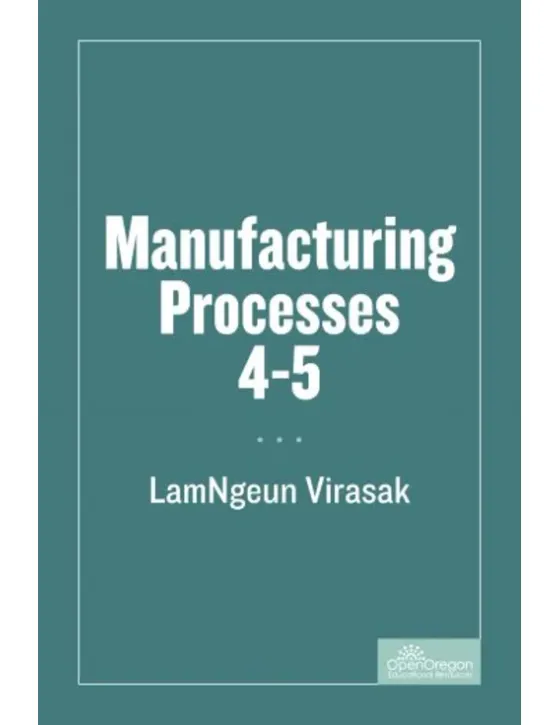
Manufacturing Processes 4-5
Not rated yetRate this bookCompare eight manufacturing topics from milling and turning to heat treatment, lean production and CNC. Original tasks build conceptual preparation for supervised instruction without machine-operation directions.
Read on the publisher’s website. Opens in a new tab.
 Free
About this book
Manufacturing Processes 4-5 by LamNgeun Virasak and Jenn Kepka organizes introductory manufacturing learning around major machine and process categories. Eight chapters cover milling, lathes, drill presses, bandsaws, surface grinding, heat treatment, lean manufacturing and CNC. The source combines descriptions, objectives and procedural teaching material.
This reader guide concentrates on the purposes and relationships that support preparation for supervised instruction. It distinguishes the motion of a tool or workpiece, the kind of operation being discussed and the evidence used to assess a result. Original tasks use conceptual diagrams and fictional comparisons; they do not provide machine setup, cutting parameters, furnace settings or runnable CNC programs. The chapter overviews reflect selected opening descriptions and objectives rather than validation of every procedure. Readers should consult the full source for its teaching context and follow approved local instruction and equipment-specific documentation for practical work. Recognizing terminology or completing a written task does not establish competence to operate equipment.
AI-assisted book summary
Reading guide
Begin by comparing process purpose and relative motion across machine chapters. Connect surface results with measurement questions, then distinguish material-property changes from process organization and programmed control.
Chapter-by-chapter guide
1: Milling Machines
Milling is introduced through a rotating cutter and its relationship with a workpiece. The chapter lists several possible operations. Understanding the purpose of an operation is different from configuring the machine.
Study task: Draw a non-operational motion diagram and explain the intended material-removal result.
2: Lathe Machines
Lathe learning begins with the relationship between a rotating workpiece and a cutting tool. Compare that relationship with milling before studying detailed units. This guide provides no mounting or setup instructions.
Study task: Compare milling and turning by relative motion and the questions each process raises.
3: Drill Presses
Drill-press learning distinguishes hole-related operations and their purposes. Similar-looking tools or results need precise terminology. Practical tooling and operation require supervised instruction.
Study task: Compare the purposes of two source-listed hole operations without procedural steps.
4: Bandsaws
Bandsaw learning introduces machine types and blade-related concepts. A classification does not establish safe operation or suitability for a job. Identify the information needed before any practical decision.
Study task: Compare horizontal and vertical configurations conceptually using source diagrams.
5: Surface Grinders
Surface grinding introduces abrasive processes, wheel terminology and result requirements. A surface description and evidence of its quality are different. The guide gives no wheel-selection or replacement instructions.
Study task: Map a surface-quality question to measurement information without equipment choices.
6: Heat Treating
Heat treatment concerns changes in material properties and their evaluation. A process name is not a complete treatment specification. No temperature, duration or quenching procedure is supplied here.
Study task: Compare a property-change objective with the evidence needed to evaluate it.
7: Lean Manufacturing
Lean manufacturing introduces workplace organization, continuous improvement and safety as a priority. A tidy layout alone does not demonstrate a safe or effective process. Define the improvement question and evidence.
Study task: Propose a fictional organization improvement and a separate measure of its effect.
8: CNC
CNC introduces programmed machine control and the relationship between design and manufacturing information. Automation does not remove the need for skilled verification. This guide supplies no executable code.
Study task: Map design, program interpretation and verification as distinct conceptual stages.
How to study this book
For a source diagram, label purpose, tool or workpiece motion and intended result. Keep practical setup and operating questions on a separate list for qualified supervision. Evaluate conceptual understanding without attempting unsupervised equipment work.
Reflection questions
- What makes two manufacturing processes different?
- What evidence would establish the intended result?
- Which questions require equipment-specific instruction?
Sources and coverage
Source: Manufacturing Processes 4-5 — LibreTexts.
Original reader guide based on the verified contents and selected substantive chapter or section openings, introductions and learning objectives in the linked source PDF. It is not a full review of every subsection, exercise, figure, procedure, story or linked media item. Study tasks are original additions, not exercises or solutions attributed to the source.
Only selected opening descriptions and objectives were reviewed. Machine procedures were not independently validated. The guide provides no setup instructions, cutting parameters, heat-treatment settings or runnable CNC code.
About access & copyright
This page provides book information and study material. Full-text access is provided by the original publisher or authorised source; a listing does not grant permission to republish the book.
Read our Library Access & Copyright policyProcesses
Tool and workpiece relationships organize comparisons.
Evidence
A result needs a stated requirement and measurement.
Preparation
Written understanding supports but does not replace supervised training.
Reader ratings & reviews
Share your thoughts
Your review helps other students choose the right resources.
KEEP LEARNING
Your next great read
frand
Recent Improvements of Power Plants Management and Technology
Recent Improvements of Power Plants Management and Technology
View Recent Improvements of Power Plants Management and Technology — book Corrections
Criminal Law
View Criminal Law — book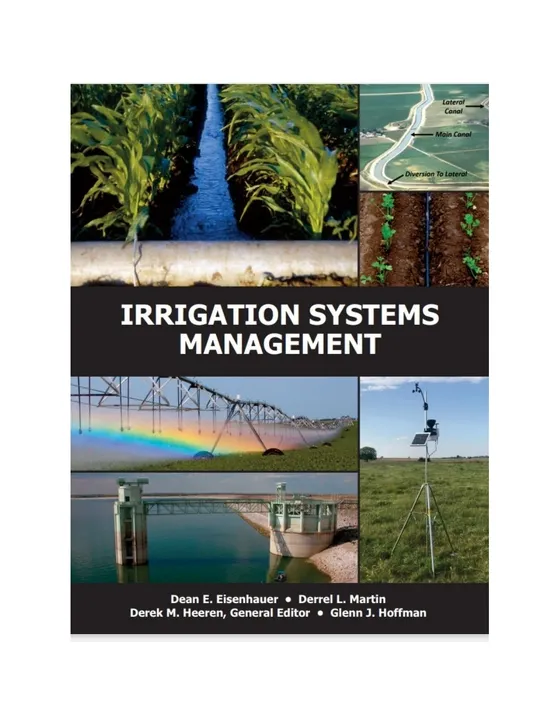 Water Systems Technology
Irrigation Systems Management (AET 021)
View Irrigation Systems Management (AET 021) — book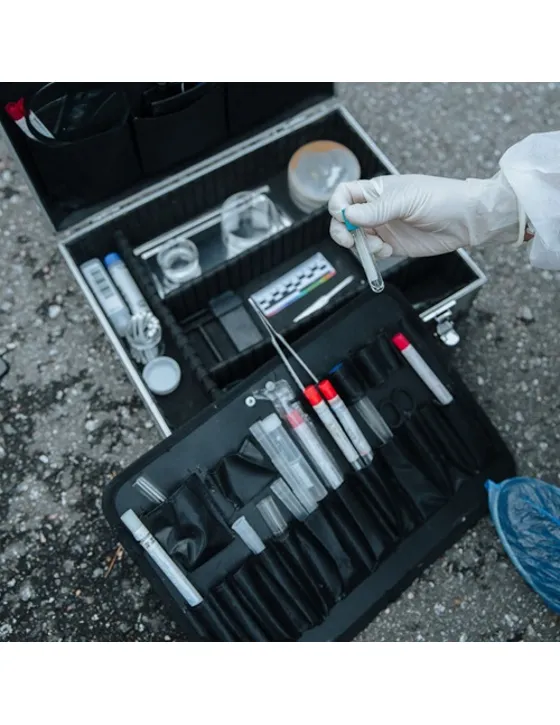 Corrections
Criminal Investigations
View Criminal Investigations — book Languages
Reading for Academic Success - An OER Textbook for Reading 7
View Reading for Academic Success - An OER Textbook for Reading 7 — book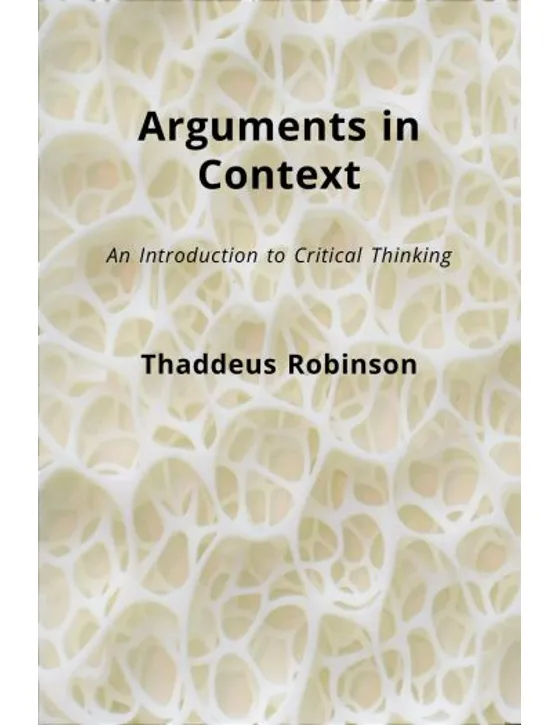 Philosophy
Arguments in Context - An Introduction to Critical Thinking
View Arguments in Context - An Introduction to Critical Thinking — book History
Western Civilization I
View Western Civilization I — book Literature and Literacy
Off the Shelf: A Digital Anthology of Classic and Contemporary Short Stories
View Off the Shelf: A Digital Anthology of Classic and Contemporary Short Stories — book History



