
 Computer Science
Textbook
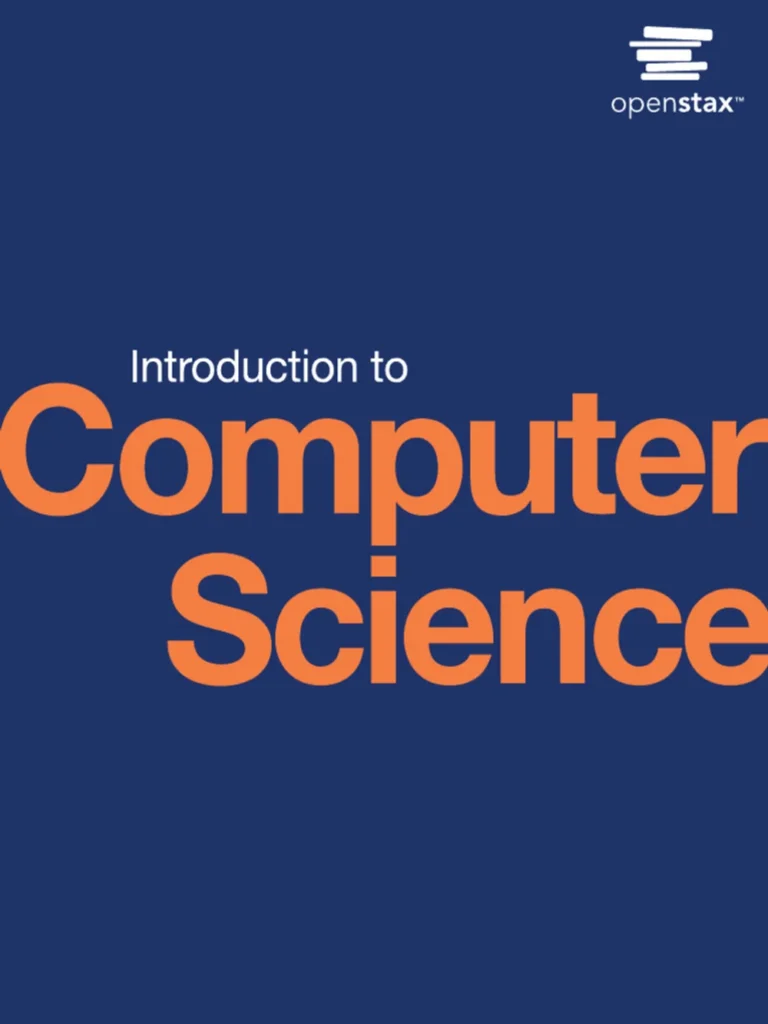
Introduction to Computer Science
Not rated yetRate this bookIntroduction to Computer Science connects algorithms and programming with hardware, operating systems, data, software engineering, and enterprise computing. This fourteen-chapter guide follows the textbook’s broad progression from computational reasoning to cloud architectures and responsible governance. Tasks emphasize explaining design choices and trade-offs, not simply remembering technology names.
Free reading is available at the official source. Opens in a new tab.
 Free
About this book
Introduction to Computer Science connects algorithms and programming with hardware, operating systems, data, software engineering, and enterprise computing. This fourteen-chapter guide follows the textbook’s broad progression from computational reasoning to cloud architectures and responsible governance. Tasks emphasize explaining design choices and trade-offs, not simply remembering technology names.
Chapter-wise summaries and reading tasks
Chapter 1 Introduction to Computer Science
Computer science studies information, computation, and the design of systems that carry out computational processes. The opening chapter places the field in historical and interdisciplinary context and considers its implications for society. Computing extends beyond writing code: it includes representing a problem, choosing an algorithm, organizing information, and assessing the consequences of a solution. Applications in other disciplines reveal why technical capability alone does not determine usefulness. A system may perform its specified calculation correctly while addressing the wrong human problem or excluding important users. Readers should distinguish a computational model from the real situation it represents and ask what assumptions were lost during abstraction. This creates a foundation for both technical reasoning and responsible design.
Study task. Choose a computing application in a nontechnical field. Identify the real-world problem, its computational representation, a likely benefit, and one limitation of the model.
Chapter 2 Computational Thinking and Design Reusability
Computational thinking breaks complex problems into manageable parts, recognizes patterns, and develops abstractions that support reusable solutions. The chapter extends these ideas into adaptive design reuse and the evolution of architecture into a usable product. Reuse requires more than copying a previous solution: assumptions, interfaces, and quality requirements must match the new context. An architecture organizes responsibilities and relationships so a system can change without every component changing at once. Readers should trace how a user need becomes a requirement and how that requirement influences structure. A successful design balances immediate functionality with the cost of future adaptation. The aim is a reasoned path from problem understanding to a product that can be evaluated.
Study task. Decompose a small booking or inventory system into responsibilities. Identify one reusable component, its assumptions, and a change request that would test the design’s adaptability.
Chapter 3 Data Structures and Algorithms
Data structures and algorithms work together to determine how information is represented and processed. The chapter introduces design and discovery, formal properties, algorithmic paradigms, examples, and theoretical limits. A structure that makes one operation efficient may make another expensive, so evaluation should begin with the workload rather than a favorite technique. Correctness asks whether an algorithm solves the specified problem; complexity examines how resource demands grow. Those questions differ from timing a single implementation on one machine. Readers should also recognize that some computational problems have fundamental limitations that better hardware does not simply remove. Clear assumptions about input and required output are essential before comparing alternative approaches.
Study task. Compare two approaches to searching a collection. State any ordering assumptions, explain correctness, and estimate how the number of operations changes as the input grows.
Chapter 4 Linguistic Realization of Algorithms: Low-Level Programming Languages
Low-level programming makes the relationship between an algorithm and machine resources more explicit. The chapter introduces models of computation, building C programs, parallel programming models, and their applications. A high-level problem must ultimately be realized through operations on represented data, and implementation choices affect memory, performance, and correctness. Parallelism can divide work across resources, but dependencies, communication, and coordination limit the gains. Readers should distinguish work that can run independently from work whose order matters. The purpose of studying these models is to understand their assumptions and consequences rather than treat a lower level of abstraction as automatically superior. Different problems justify different balances between control and programmer convenience.
Study task. Describe a small computation as sequential steps, then identify any independent work. Explain what data must be shared and why adding parallel workers might fail to produce proportional speedup.
Chapter 5 Hardware Realizations of Algorithms: Computer Systems Design
Computer systems realize computation through layers of hardware organization and representation. The chapter moves from system structure and abstraction levels to information encoding, machine-level programs, memory hierarchy, and processor architecture. The same bit pattern can mean different things under different interpretations, making representation part of the reasoning rather than a cosmetic detail. Memory systems balance capacity, cost, and access speed; locality helps explain why access patterns affect performance. Processor organization determines how instructions are executed but does not eliminate constraints elsewhere in a system. Readers should trace a simple operation across layers, connecting source-level intentions to represented values, instructions, and data movement. This makes performance questions more precise than asking whether a computer is simply fast.
Study task. Trace a basic arithmetic operation from a program statement to data representation and processor activity. Explain how a cache miss or limited representation could affect the result or execution time.
Chapter 6 Infrastructure Abstraction Layer: Operating Systems
Operating systems mediate between applications and hardware while managing shared resources. The chapter covers core abstractions, processes and concurrency, memory management, file systems, reliability, and security. A process gives a program an execution context, while scheduling determines how multiple activities share processing resources. Memory protection and controlled access help separate activities that should not interfere with one another. Concurrency introduces timing-dependent behavior, so a sequence that works in isolation may fail when operations overlap. File systems provide persistent organization while managing access and consistency. Readers should connect these services to the broader goal of making a complex machine usable without requiring every application to manage hardware directly.
Study task. Draw the resources used by two programs running at once. Identify what the operating system allocates or protects and illustrate one race condition involving shared state.
Chapter 7 High-Level Programming Languages
High-level languages let programmers express solutions with abstractions that are less tied to a particular machine. The chapter examines foundations, constructs, alternative programming models, and language implementation. Control structures, data types, functions, and other organizing mechanisms influence how a problem is expressed and checked. Different paradigms encourage different decompositions of the same task, such as transforming data, changing object state, or stating relationships. Compilation and interpretation connect source programs to execution, though real implementations can combine techniques. Readers should evaluate a language or paradigm against a problem and its constraints rather than assume one style is universally best. Clear semantics and readable structure make programs easier to reason about and maintain.
Study task. Express a small data-processing task in two programming styles or pseudocode forms. Compare how each represents state, organizes behavior, and makes errors visible.
Chapter 8 Data Management
Data management organizes the collection, storage, access, integration, and use of information. The chapter compares relational and nonrelational systems and extends to warehouses, data lakes, business intelligence, machine learning, and informatics. A database choice should follow data relationships, access patterns, consistency needs, and scale rather than a label suggesting modernity. Relational modeling makes relationships and constraints explicit; other models support different structures and workloads. Analytical systems also depend on data quality and provenance, since combining inconsistent records can produce convincing but unreliable results. Readers should consider the entire lifecycle, including ownership, permitted use, retention, and correction. Storing more data does not automatically make a decision better informed.
Study task. Model a small library or service dataset, define key relationships, and compare relational and document-style storage. Identify one quality issue and one governance requirement that either design must address.
Chapter 9 Software Engineering
Software engineering treats software as a product that must be specified, built, verified, delivered, and maintained through coordinated work. The chapter introduces fundamental practices, development processes, and special topics. Requirements connect stakeholder needs to observable behavior and quality expectations. Design, implementation, testing, and feedback form a continuing process rather than a guarantee that an initial plan is complete. Different process models organize uncertainty and collaboration in different ways. Readers should distinguish verification against a specification from validation that the product serves its intended users. Maintainability also matters because working software will encounter changing needs, environments, and defects. A disciplined process makes decisions and evidence traceable instead of relying on the memory of individual developers.
Study task. Write three testable requirements for a small application and propose a development workflow. Include user feedback, automated checks, and a way to assess whether the product solves the intended problem.
Chapter 10 Enterprise and Solution Architectures Management
Enterprise and solution architecture management connects technical design with organizational purpose. Patterns capture recurring approaches, while frameworks help structure descriptions, decisions, and relationships across systems. Enterprise architecture considers a broader landscape of capabilities, information, applications, and technology; solution architecture focuses on a particular set of needs within that landscape. Readers should distinguish an architecture description from the governance required to keep decisions coherent as systems evolve. Reusing a pattern can reduce effort, but only when its assumptions fit the context. Integration, ownership, and migration constraints often matter as much as the design of an individual component. The chapter encourages documenting the rationale and trade-offs behind structural choices.
Study task. Map a fictional organization’s customer-facing application, internal records, and reporting service. Identify an integration problem, a reusable pattern, and the stakeholders who must approve or maintain the resulting decision.
Chapter 11 Web Applications Development
Web application development connects client interfaces, server-side behavior, data storage, and network communication. The chapter examines several sample stacks using Bootstrap, React, Django, Node, native-oriented tooling, and a blockchain example. These are source examples of architectural combinations rather than a permanent ranking of current tools. Readers should trace requests and responses, identify where state is stored, and distinguish presentation logic from operations that require trusted server-side enforcement. Different combinations create different deployment and maintenance responsibilities. Responsive behavior, accessibility, validation, and security all affect whether the application works for its users. A useful comparison explains the boundaries and data flow instead of merely listing the frameworks involved.
Study task. Diagram a browser request that reads and updates a record. Mark client, server, and database responsibilities, then explain why client-side validation alone cannot enforce a trusted rule.
Chapter 12 Cloud-Native Applications Development
Cloud-native development designs applications around the operational capabilities and constraints of cloud environments. The chapter distinguishes concepts and deployment technologies and includes platform-as-a-service and function-as-a-service examples. Moving an existing program to rented infrastructure does not by itself redesign it for scaling, failure handling, or continuous delivery. Decomposed services can support independent deployment but also create network dependencies and observability needs. Managed services shift some operational work to a provider while leaving application responsibilities with the development team. Readers should evaluate deployment choices through workload, latency, reliability, cost, and operational skill. The source examples illustrate these trade-offs; implementation details should be checked against current documentation before use.
Study task. Compare deploying a small service on a managed platform and as event-driven functions. Explain assumptions about traffic, execution duration, state, monitoring, and failure recovery.
Chapter 13 Hybrid Multicloud Digital Solutions Development
Hybrid multicloud solutions combine resources across organizational boundaries or multiple providers. The chapter considers cloud mashups, infrastructure and platform capabilities, and increasingly interconnected intelligent systems. Such designs can address existing systems, specialized services, or resilience needs, but they also introduce integration and governance complexity. Data movement, identity, networking, observability, and contractual constraints can determine whether the design is practical. Readers should avoid assuming that using more providers automatically provides independence or redundancy. A service may still share a critical dependency or lack a tested recovery path. The important question is how the chosen distribution supports explicit requirements and whether the organization can operate the resulting system reliably.
Study task. Design a fictional hybrid service using an existing internal system and one cloud component. Identify data flows, trust boundaries, failure dependencies, and the evidence needed before claiming improved resilience.
Chapter 14 Cyber Resources Qualities and Cyber Computing Governance
The final chapter brings quality and governance into the management of cyber resources. Security is important, but the scope also includes performance, reliability, sustainability, ethics, and responsible use. Frameworks help organize risk and accountability, while a deeper security discussion examines protection against threats and failures. Technical controls must connect to organizational responsibilities, priorities, and review processes. A system can satisfy one quality goal while creating pressure on another, so trade-offs need explicit justification. Readers should distinguish compliance with a stated rule from evidence that risks are actually controlled. Governance becomes practical when someone owns a decision, outcomes are monitored, and there is a process for correcting harmful or ineffective behavior.
Study task. Create a quality-and-risk register for the system you designed earlier. Include security, reliability, performance, and ethical or environmental concerns, assigning an owner and a measurable review signal to each.
How to study this book
- Track one example system across chapters, adding its algorithm, data model, hardware assumptions, operating-system needs, and deployment architecture as you learn.
- For each technology choice, state the requirement it serves, an alternative, and a disadvantage. Distinguish correctness from efficiency, reliability, usability, and governance.
- Treat the textbook’s software stacks as worked examples. Before running or deploying code, consult the current primary documentation for dependencies and configuration.
Questions for reflection
- Which abstraction makes a problem easier to solve, and what important detail does it hide?
- How can a locally efficient component create a poorly performing overall system?
- Who is responsible when a technically correct system produces an unacceptable social outcome?
Source edition and coverage
This guide follows all fourteen numbered chapters of the OpenStax textbook, including its enterprise architecture, cloud, and governance material. It summarizes the source’s concepts rather than promising that every illustrated software version or service configuration remains current. This original study guide explains the source in new wording and adds learning activities. Read the publisher’s book and complete exercises.
About access & copyright
This page provides book information and study material. Full-text access is provided by the original publisher or authorised source; a listing does not grant permission to republish the book.
Read our Library Access & Copyright policyExplore the contents
Check the chapters covered in this edition.
Visit the official source
See reading, preview or purchase options.
Save for later
Keep this textbook in your saved collection.
Reader ratings & reviews
Share your thoughts
Your review helps other students choose the right resources.
KEEP LEARNING
Your next great read
Computer Science Computer Science
How to Think Like a Computer Scientist: C++ Version
View How to Think Like a Computer Scientist: C++ Version — book Computer Science
Think Data Structures: Algorithms and Information Retrieval in Java
View Think Data Structures: Algorithms and Information Retrieval in Java — book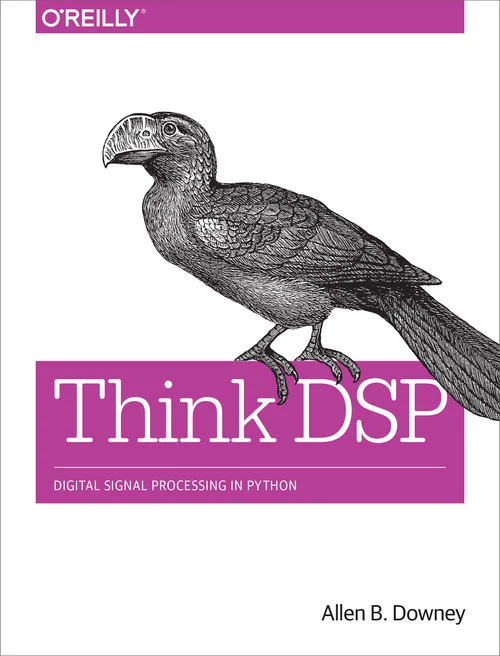 Computer Science
Think DSP: Digital Signal Processing in Python
View Think DSP: Digital Signal Processing in Python — book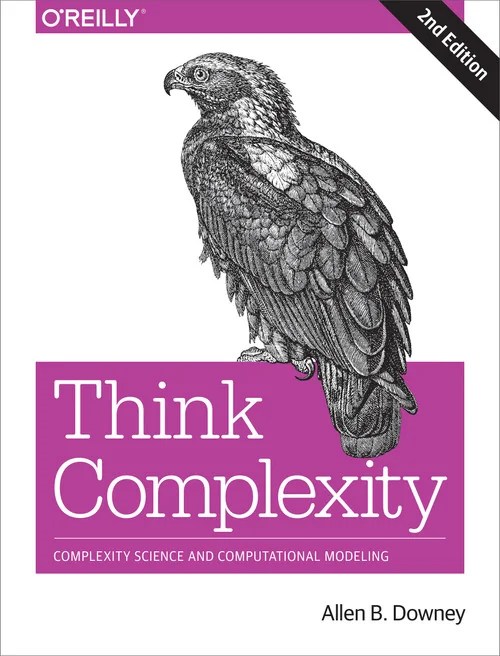 Computer Science
Think Complexity: Exploring Complexity Science with Python
View Think Complexity: Exploring Complexity Science with Python — book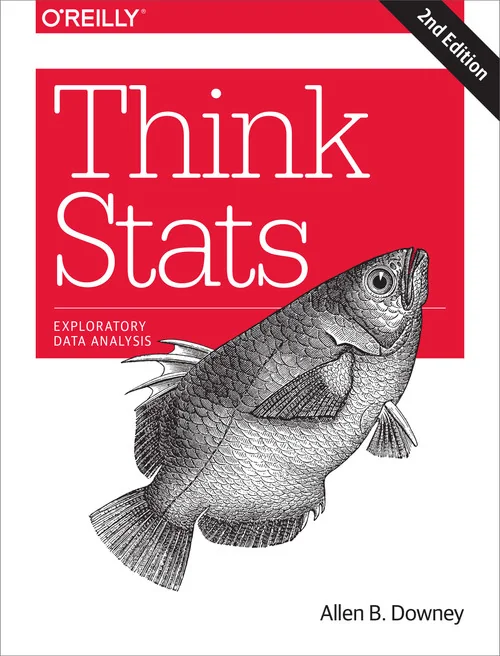 Computer Science
Think Stats: Probability and Statistics for Programmers
View Think Stats: Probability and Statistics for Programmers — book Computer Science
The Little Book of Semaphores
View The Little Book of Semaphores — book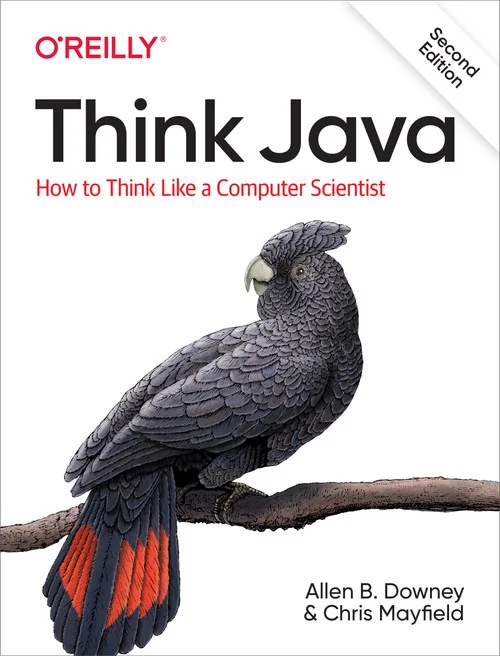 Computer Science
Think Java: How To Think Like a Computer Scientist
View Think Java: How To Think Like a Computer Scientist — book Computer Science
Building Information - Representation and Management: Principles and Foundations for the Digital Era
View Building Information - Representation and Management: Principles and Foundations for the Digital Era — book Computer Science



