
 Humanities
Textbook
BC Reads: Adult Literacy Fundamental English – Course Pack 6
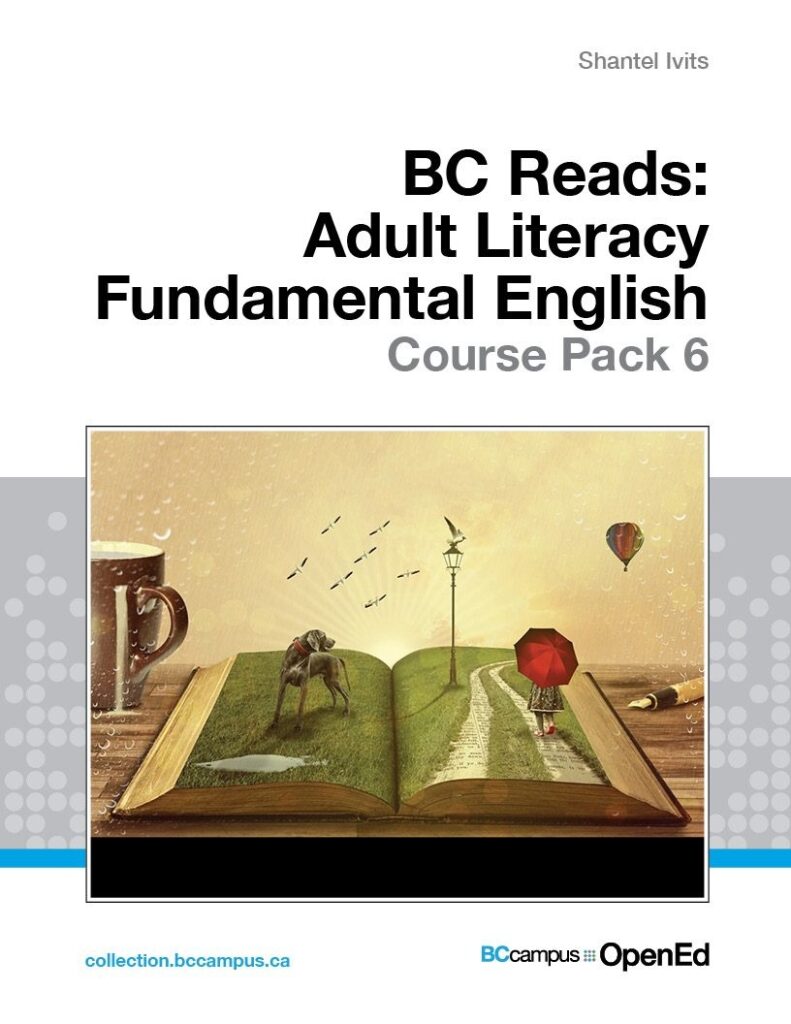
Not rated yetRate this bookBC Reads: Adult Literacy Fundamental English – Course Pack 6 by Shantel Ivits builds literacy through a sustained digital-storytelling project. Its nine units combine readings from the companion Reader 6 with vocabulary, comprehension, sentence work, punctuation, and writing. Learners move from choosing a personal story to shaping its message, writing a script, selecting media, assembling the production, and deciding how to share it. This is a course pack, not the companion reader itself. The guide follows its learning sequence and connects language practice with the decisions involved in making a purposeful story.
 Free
About this book
BC Reads: Adult Literacy Fundamental English – Course Pack 6 by Shantel Ivits builds literacy through a sustained digital-storytelling project. Its nine units combine readings from the companion Reader 6 with vocabulary, comprehension, sentence work, punctuation, and writing. Learners move from choosing a personal story to shaping its message, writing a script, selecting media, assembling the production, and deciding how to share it. This is a course pack, not the companion reader itself. The guide follows its learning sequence and connects language practice with the decisions involved in making a purposeful story.
BC Reads: Adult Literacy Fundamental English — Shantel Ivits. © 2015 Shantel IvitsThe CC licence permits you to retain, reuse, copy, redistribute, and revise this book—in whole or in part—for free providing the author is attributed as follows:BC Reads: Adult Literacy Fundamental English – Course Pack 6 by Shantel Ivits is used under a CC BY 4.0 licence.If you redistribute all or part of this book, you must include the following on the copyright page:Download for free from the B.C. Open Collection.This textbook can be referenced. In APA citation style, it should appear as follows:Ivits, S. (2015). BC Reads: Adult Literacy Fundamental English – Course Pack 6. Victoria, B.C.: BCampus. Retrieved from https://opentextbc.ca/abealf6/.Cover image attribution:Narrative by Jonny Lindner is in the public domain.Visit BCcampus Open Education to learn about open education in British Columbia.
Original publication · CC BY 4.0
The following titles follow the attached PDF.
Book summary
BC Reads: Adult Literacy Fundamental English – Course Pack 6 by Shantel Ivits builds literacy through a sustained digital-storytelling project. Its nine units combine readings from the companion Reader 6 with vocabulary, comprehension, sentence work, punctuation, and writing. Learners move from choosing a personal story to shaping its message, writing a script, selecting media, assembling the production, and deciding how to share it. This is a course pack, not the companion reader itself. The guide follows its learning sequence and connects language practice with the decisions involved in making a purposeful story.
Unit-by-unit summaries
1. Storytelling Goes Digital
The first unit introduces digital storytelling as a way to combine a personal voice with images and sound. Reading strategies and vocabulary work prepare learners to explain what the form can do, while subjects, verbs, and pronouns establish sentence-level foundations. Begin by describing a story that matters to you without worrying about software. Identify who or what each sentence concerns and what happens. The connection between a clear sentence and a clear story is the unit’s central practical lesson: an audience needs to follow both the events and the people involved.
2. What’s Your Story?
The second unit helps turn a broad life experience into a focused, tellable event. It pairs story exploration with sentence fragments and subject-verb agreement. A memory can contain many details, but not all of them belong in the same short project. Make a list of possible moments and choose one with a meaningful change or realization. Then check whether draft sentences express complete thoughts. Clear grammatical relationships support the larger narrative relationship between what happened, who experienced it, and why it deserves the audience’s attention.
3. What’s Your Message?
A story’s message gives its details a direction. The unit asks learners to connect an experience with what they want an audience to understand, while compound sentences and semicolons provide ways to connect related ideas. Write the message as a provisional sentence, then test every planned scene against it. The message need not become an explicit moral at the end, but it should help with selection. At the sentence level, explain how a conjunction or semicolon expresses a relationship rather than simply making the writing longer.
4. Setting the Tone
Tone concerns the feeling and attitude conveyed through the story. Vocabulary, reading, and writing activities connect emotional effect with deliberate choices, while run-on sentences and quotation marks develop clarity in narration and dialogue. Compare two versions of a short passage with different word choices or pacing. Ask which better fits the intended experience and why. When using dialogue, distinguish the narrator’s voice from the quoted speaker. Emotional power becomes more convincing when the audience can clearly follow whose words and perspective are being presented.
5. Writing the Script
The script turns the selected experience and message into language designed to be heard. Complex sentences and the comparison between conversational and formal language help learners choose a voice suitable for the project. Read a draft aloud and mark places where the meaning becomes hard to follow. A sentence that works on paper may need reshaping for listening. Keep the personal voice while removing unnecessary explanation. The unit makes revision an act of improving the audience’s understanding, rather than an attempt to make every sentence sound more formal.
6. Seeing and Hearing Your Digital Story
Images, recorded voice, and other sound need to work with the script rather than compete with it. The unit combines media planning with introductory commas and consistent verb tense. Make a simple storyboard matching each narrative segment to an image and sound choice, then explain what each contributes. Avoid choosing a picture only because it is attractive. Review tense changes to distinguish intentional shifts in time from accidental inconsistency. The result should let the audience follow the experience through a coherent combination of language and media.
7. Getting Started with WeVideo
The technical unit introduces the named editing environment in the source edition and links software use with the developing project. Its language work includes appositives and explanatory information. Treat the old interface instructions as edition-specific; a changed menu does not change the underlying tasks of importing, arranging, and reviewing material. In the available classroom tool, identify the equivalent project functions with an instructor. Keep a saved script and an organized media folder so that the story remains manageable even when technical adjustments are required.
8. Bringing It All Together
Assembly brings the prepared script, voice, and media into a complete sequence. The unit’s editing work and commas-in-a-series practice continue the emphasis on organization. Watch a draft without stopping, note where attention or understanding breaks down, and make a short revision plan. Then review transitions, timing, and the relationship between image and narration. Finishing a project is not simply placing every collected item on the timeline; it requires choosing what serves the message and removing what weakens the story’s coherence.
9. Sharing Your Digital Story
The closing unit considers the audience and the significance of sharing a completed personal work. Contractions and possessive apostrophes provide a final language focus, while reflection turns the production into evidence of learning. Decide deliberately who should see the story and which permissions or personal boundaries matter. Ask a viewer to explain the message they received, then compare that response with your intention. The final product and the revised script together show progress in writing, communication, and the ability to make decisions about one’s own representation.
Study instructions
- Use the companion Reader 6 links for the assigned readings, then complete the course-pack vocabulary and comprehension tasks before checking answers.
- Keep one project folder with the script, storyboard, source and permission notes, media, and dated draft versions. Use the progress-sheet appendix to plan milestones.
- Revise in passes: message and sequence first, spoken clarity second, sentence and punctuation checks third. Read the script aloud after each major change.
- Use the paragraph checklist and graphic organizers to identify a specific difficulty, rather than rewriting everything at once.
- Before sharing, review consent, credits, audience, and personal comfort with an instructor. Reflect on one language skill and one storytelling choice that improved.
Questions for reflection
- Which details are essential to your message, and which can be removed?
- How does a script written for listening differ from a formal essay?
- What does an image or sound contribute that the narration cannot convey as effectively?
- How will you decide the appropriate audience for a personal digital story?
Sources and coverage
This original study guide follows all main chapters of the source edition linked below. Summaries explain the central concepts and their connections; practice tasks and reflection questions are editorial study aids. Consult the complete text for worked examples, figures, exercises, and references. The WeVideo lesson describes the source edition’s software context; current interfaces may differ. Read the source edition.
About access & copyright
Check this edition’s source and licence before reusing its files or content. A library listing does not grant additional rights.
Read our Library Access & Copyright policyDigital storytelling
Develop a personal story for a digital format.
Purpose and tone
Consider the message and how it will sound to an audience.
Script development
Organize ideas before combining images and sound.
Revision and sharing
Bring a digital story together and prepare to share it.
Reader ratings & reviews
Share your thoughts
Your review helps other students choose the right resources.
KEEP LEARNING
Your next great read
Humanities Humanities
Stand up, Speak out - The Practice and Ethics of Public Speaking
View Stand up, Speak out - The Practice and Ethics of Public Speaking — book Humanities
Yorùbá Yé Mi
View Yorùbá Yé Mi — book Humanities
The Process of Research Writing
View The Process of Research Writing — book Humanities
Modern Philosophy
View Modern Philosophy — book Humanities
A Foundation Course in Reading German
View A Foundation Course in Reading German — book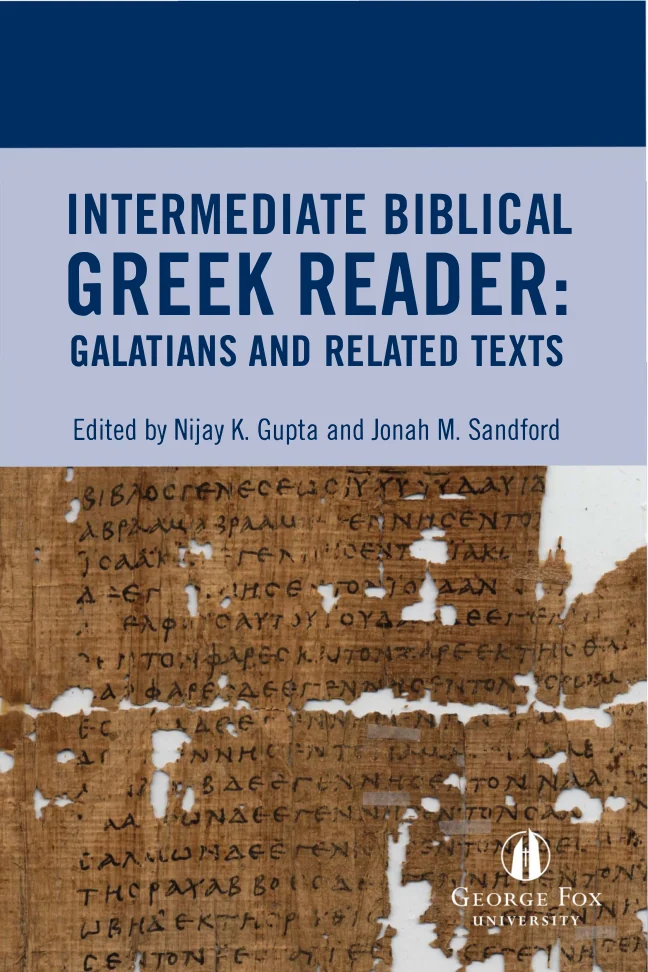 Humanities
Intermediate Biblical Greek Reader: Galatians and Related Texts
View Intermediate Biblical Greek Reader: Galatians and Related Texts — book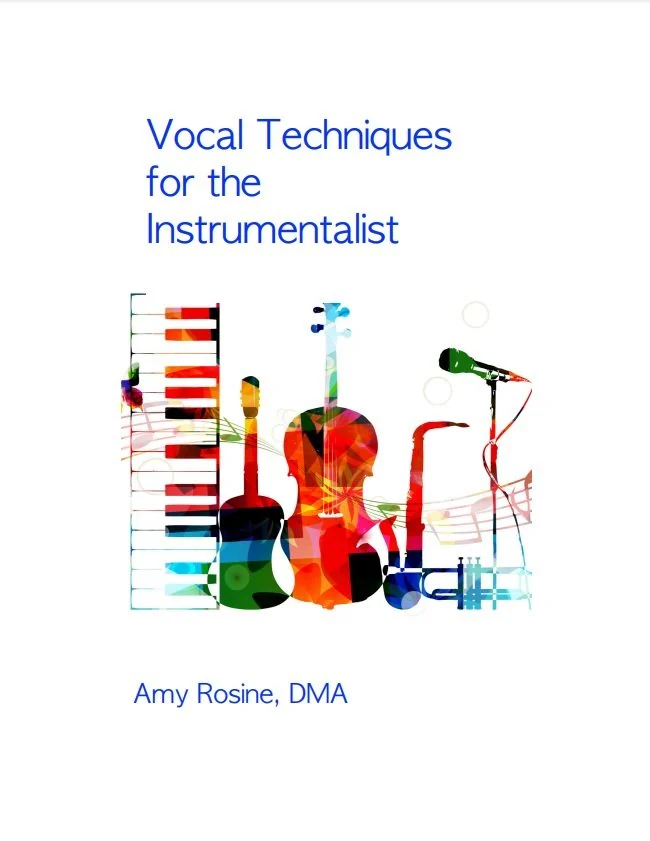 Arts
Vocal Techniques for the Instrumentalist
View Vocal Techniques for the Instrumentalist — book Arts
Music on the Move
View Music on the Move — book Humanities



