
 Psychology
Textbook
Research Methods in Psychology, 2nd American edition
Not rated yetRate this bookResearch Methods in Psychology, second American edition, develops the logic and practice of psychological research from questions and ethics to measurement, design, analysis, and reporting. This guide follows all 13 chapters and connects methodological choices with the claims a study can support.
Free reading is available at the official source. Opens in a new tab.
Research Methods in Psychology, 2nd American edition
About this book
Research Methods in Psychology, second American edition, develops the logic and practice of psychological research from questions and ethics to measurement, design, analysis, and reporting. This guide follows all 13 chapters and connects methodological choices with the claims a study can support.
How to study this book
Use one research question as a running example. Separate constructs from operational definitions, sampling from assignment, and association from causation. Critique designs before calculating statistics, and state what evidence would weaken your preferred explanation. Use hypothetical or approved classroom studies rather than collecting data without appropriate review.
Chapter-wise explanations and study tasks
1. The Science of Psychology
Scientific reasoning involves systematic evidence, testable explanations, and openness to revision. Common sense and personal experience may generate questions but do not settle them. Distinguish a scientific claim from the authority or familiarity of the person making it.
Study task: Convert an everyday psychological belief into a testable claim and identify a possible disconfirming result.
2. Getting Started in Research
A useful research question connects a meaningful problem with concepts and existing literature. Reviewing research should reveal what is known and what remains uncertain rather than produce a list of abstracts. Narrow scope without losing the question’s rationale.
Study task: Develop a focused question and a literature matrix showing findings, methods, and one unresolved issue.
3. Research Ethics
Ethical research balances scientific aims with respect, welfare, consent, and responsible conduct. Formal review and everyday decisions are connected but not identical. A technically feasible study may still be ethically unacceptable.
Study task: Evaluate a hypothetical proposal for consent, risk, privacy, and participant autonomy, then revise one problematic feature.
4. Theory in Psychology
Theories explain patterns and generate predictions beyond the observations used to develop them. Distinguish a phenomenon from a theory about it. Compare explanations through the evidence that could discriminate between them rather than their descriptive appeal.
Study task: Propose two explanations for one phenomenon and design a prediction on which they differ.
5. Psychological Measurement
Measurement translates constructs into observations. Reliability and validity address different questions, and evidence must fit the intended interpretation. A repeatable score can still fail to measure the relevant construct.
Study task: Create an operational definition and explain how you would examine reliability and one form of validity.
6. Experimental Research
Experiments manipulate conditions and use design features to support causal interpretation. Random assignment differs from random sampling, and control requires more than naming a comparison group. Examine possible confounds before interpreting a difference.
Study task: Outline a hypothetical experiment with manipulation, outcome, assignment, controls, and one threat to internal validity.
7. Nonexperimental Research
Correlational, quasi-experimental, and qualitative approaches address questions under different constraints. Their strengths should be judged against the question rather than a single hierarchy. Avoid attributing causal meaning to an association without suitable support.
Study task: Compare two nonexperimental designs for the running question and state what each can and cannot establish.
8. Complex Designs
Multiple variables can reveal interactions and relationships hidden in a simpler comparison. A main effect and an interaction answer different questions. Plan interpretation before adding complexity solely to make a study appear sophisticated.
Study task: Sketch a two-factor design and describe a possible interaction in plain language.
9. Survey Research
Survey quality depends on wording, response options, sampling, administration, and participation. A large sample does not remove systematic bias. Distinguish the target population from the people who actually respond.
Study task: Draft five neutral items and identify a sampling or nonresponse problem that could distort their results.
10. Single-Subject Research
Repeated observation and planned condition changes support analysis within cases. The approach differs from a one-time anecdote or an ordinary case description. Evaluate the pattern and alternative explanations across phases.
Study task: Draw a fictional phase-based data series and explain which pattern would strengthen or weaken an intervention claim.
11. Presenting Research
Research reporting makes the question, method, findings, and interpretation available for scrutiny. Section structure should reflect different functions, and conclusions must match the design. Presentation choices should not conceal uncertainty.
Study task: Outline a report and draft a discussion paragraph that distinguishes a finding, its interpretation, and a limitation.
12. Descriptive Statistics
Numerical and graphical summaries describe distributions and relationships. Centre, spread, and association reveal different features. Choose summaries appropriate to the variables and inspect the data rather than relying on one number.
Study task: Summarize a synthetic dataset with a graph and suitable measures, explaining a feature the average alone would hide.
13. Inferential Statistics and Open Science
Inference relates observations to uncertainty under specified assumptions. A p-value is not the probability that a theory is true, and significance is not effect importance. The replication and open-science discussion connects statistical practice with transparent research.
Study task: Interpret a fictional result using effect size, uncertainty, and assumptions, then propose a transparency practice that would aid evaluation or replication.
Applied assignment
Prepare a research proposal with a focused question, literature rationale, operational definitions, design, ethics analysis, sampling or assignment plan, and analysis outline. Add a hypothetical result and a discussion that respects the limits of the method.
Suggested reading plan
Study chapters 1–4 for scientific reasoning and ethics, 5 for measurement, and 6–10 for design alternatives. Use 11 while planning the report, then 12–13 to connect the analysis with the data and design. Revise the proposal throughout.
Questions for reflection
- Which claim requires manipulation rather than observation alone?
- Does the measurement evidence support the intended interpretation?
- What would make the result easier for another researcher to evaluate?
Edition and source notes
Based on the linked 2017 second American edition associated with Paul C. Price, Rajiv S. Jhangiani, I-Chant A. Chiang, and Dana C. Leighton. It contains 13 chapters. Exact citation formatting, ethics requirements, and software instructions should follow current course and institutional guidance.
About access & copyright
This page provides book information and study material. Full-text access is provided by the original publisher or authorised source; a listing does not grant permission to republish the book.
Read our Library Access & Copyright policyExplore the contents
Check the chapters covered in this edition.
Visit the official source
See reading, preview or purchase options.
Save for later
Keep this textbook in your saved collection.
Reader ratings & reviews
Share your thoughts
Your review helps other students choose the right resources.
KEEP LEARNING
Your next great read
PsychologyDiscover Psychology 2.0 : A Brief Introductory Text
Discover Psychology 2.0 : A Brief Introductory Text
View Discover Psychology 2.0 : A Brief Introductory Text — bookTogether : The Science of Social Psychology
Together : The Science of Social Psychology
View Together : The Science of Social Psychology — bookResearch Methods in Psychology, 1st edition
Research Methods in Psychology, 1st edition
View Research Methods in Psychology, 1st edition — bookResearch Methods in Psychology, 2nd Canadian edition
Research Methods in Psychology, 2nd Canadian edition
View Research Methods in Psychology, 2nd Canadian edition — book Law, Economics and Social Sciences
Principles of Social Psychology - 1st International Edition
View Principles of Social Psychology - 1st International Edition — book Cognitive studies
Cognitive Science as String Manipulation
View Cognitive Science as String Manipulation — book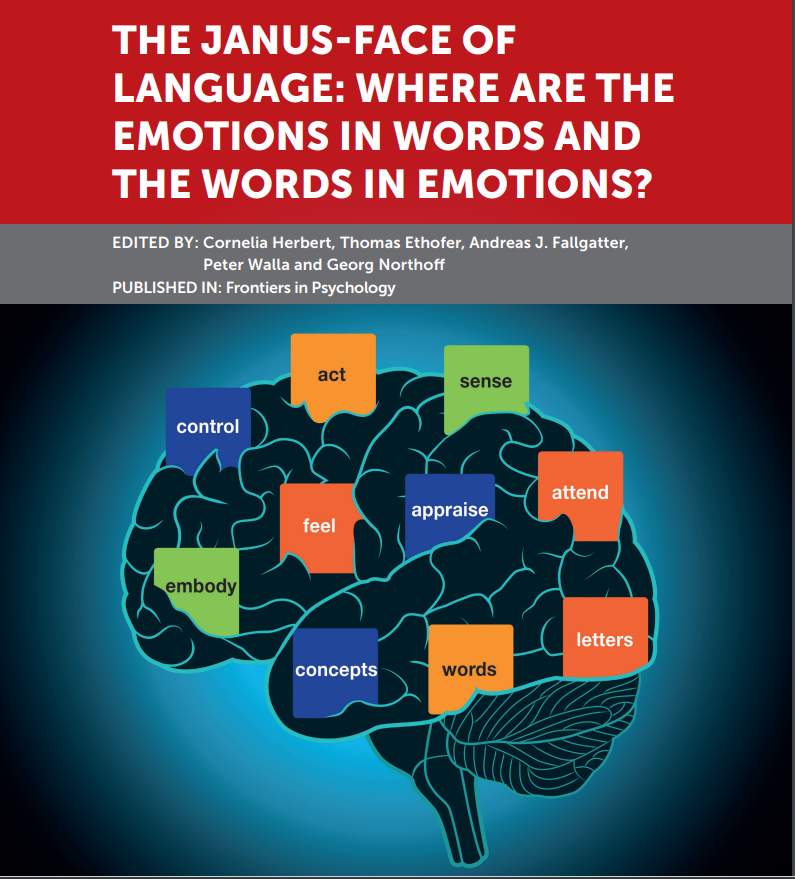 embodiment
The Janus-Face of Language: Where Are the Emotions in Words and the Words in Emotions?
View The Janus-Face of Language: Where Are the Emotions in Words and the Words in Emotions? — book Psychology
Introduction to Psychology
View Introduction to Psychology — book Cognitive studies



